
Browse the Chihuahuas listed on Petmeetly, then check the parents' cardiac and patella results and the seller's identity before you pay.

Chihuahua
Chihuahua
Chihuahua
Chihuahua

Chihuahua
Chihuahua
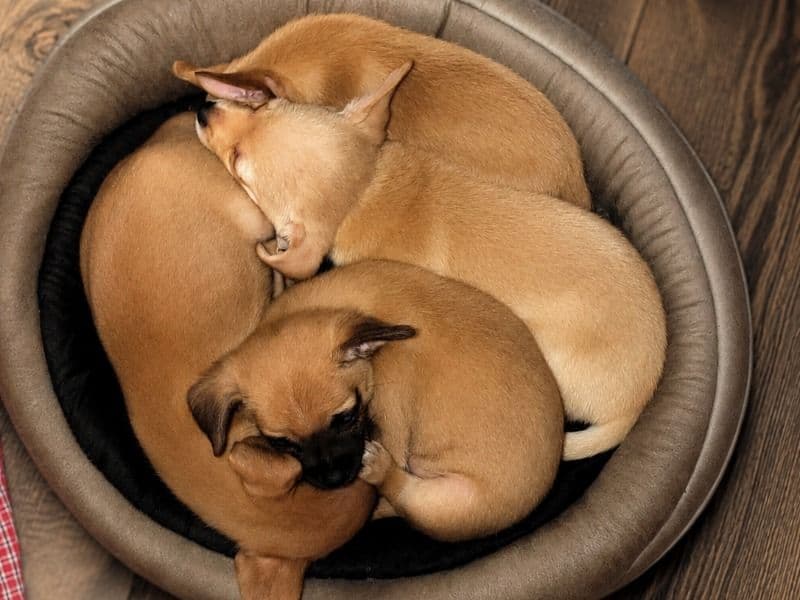
Chihuahua

Chihuahua
Looking at Chihuahua dogs and puppies for sale, it is easy to be charmed by that tiny size and big-eyed face. The harder part is knowing a fair price, seeing past the "teacup" sales pitch, and understanding that this bold little dog needs real training and socialization.
Below you'll find the temperament, the health, the price, and how to avoid scams. Read it before you send anyone a deposit.
Chihuahua listings here mix breeder puppies with adult dogs, Chihuahua crosses, and dogs their owners are rehoming. An adult suits many buyers better, because a full-grown Chihuahua shows you its real size and how it handles strangers. It also costs less.
Short answer
The Chihuahua is a bold, loyal dog with a personality far bigger than its body. It often bonds hard to one person and can turn barky or snappy when it is not socialized early. That is not a flaw in the breed. The work you put in early, calmly introducing people, dogs, and noises, shapes the dog you live with for the next 15 years.
The "big dog in a small body" temperament is the breed's real signature. Chihuahuas are confident and devoted, and they often pick one favorite person.
The reputation for being barky or nippy is mostly about socialization, not the breed. A Chihuahua that meets the world calmly as a puppy grows into a steady adult.
For more on raising a confident dog, read our guide to socializing your pet.
Short answer
For such a tiny dog, the Chihuahua has a few real health needs: a slipping kneecap (luxating patella), a weak windpipe (tracheal collapse), dental disease, and heart problems. Many also have a molera, a soft spot on the skull that is normal for the breed. The upside is a long life, often 14 to 16 years with good care.
The most common is a luxating patella, where the kneecap slips out of its groove and causes a little skip or hop. It is common in toy breeds, and one large screening study found about 23% of Chihuahuas affected. Mild cases are managed without surgery.
A weak windpipe, called tracheal collapse, gives a dry, honking cough. Walk a Chihuahua on a harness, not a neck collar, and most dogs are managed with weight control and medicine.
A tiny jaw still holds 42 adult teeth, so crowding traps tartar and dental disease starts early. Brush the teeth and budget for cleanings. Chihuahuas are also prone to heart trouble, including a leaky mitral valve in older dogs (heard as a murmur), so ask whether the parents had a cardiac check.
Many Chihuahuas have a molera, a soft spot where the skull bones have not fully closed. It is part of the breed standard and usually harmless on its own. A molera alone is not a sign of hydrocephalus (fluid on the brain). Just protect the head from knocks. Very small puppies can also drop their blood sugar (hypoglycemia) when they miss meals, so they need to eat several times a day.
With that care, Chihuahuas are long-lived, often 14 to 16 years. For the full breeding-side health detail, see our Chihuahua breeding guide.
Short answer
Typical asking prices for a health-tested Chihuahua puppy from a breeder in the US run $800 to $2,500, with show lines running higher. Skip the "teacup" and "micro" labels, because there is no such size class, and the extra-small price buys a more fragile dog, not a better one. "Apple head" is the breed standard and "deer head" is just a head shape, so neither is a rarer breed worth a premium.
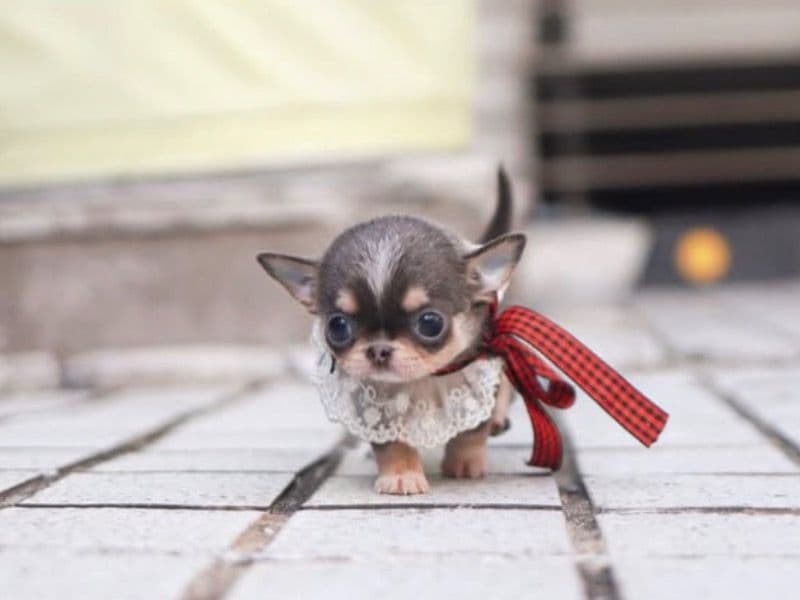
"Teacup," "micro," and "pocket" Chihuahua are marketing labels, not real sizes. The standard Chihuahua is already a toy breed, with an AKC weight ceiling of 6 pounds and no separate small class. Breeding deliberately undersized dogs raises the risk of low blood sugar, fragile bones, and heart problems.
The apple-domed head is the breed standard. A "deer head" Chihuahua, with a longer muzzle, is a common and registrable look, not a separate or rarer breed. Do not pay extra for either as if it were special.
There is real good news on cost. A smooth-coat Chihuahua is nearly wash-and-go, and Chihuahuas are among the lowest-cost breeds to insure, commonly $16 to $40 a month.
But budget for the real vet costs too. Dental cleanings run several hundred dollars, more with extractions. A luxating patella surgery is about $1,500 to $4,000 per knee, and is often needed on both. A windpipe stent can run $3,500 to $6,500. The low insurance price reflects small size and a long life, not an absence of breed risks, so do not skip cover.
Those tiers describe a puppy from a breeder. When a price sits far below them, ask for the parents' cardiac, patella, and eye results and look them up yourself. Adult Chihuahuas, Chihuahua mixes, and dogs being rehomed by their owners are priced lower for an honest reason, because nobody paid to raise a litter.
For more on what really drives a puppy's price, read how to find a quality puppy within your budget.
Chihuahuas come in almost every color and pattern, and the AKC standard accepts "any color." No color makes a healthier dog.
Common Chihuahua colors
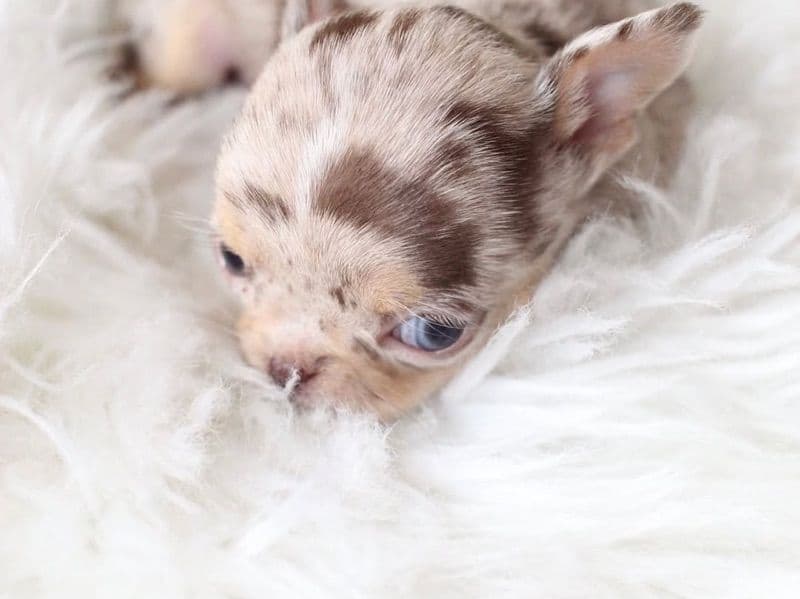
Merle, a mottled, patchy coat pattern, is the one to think about. The AKC registers merle Chihuahuas, but the Chihuahua Club of America discourages the color and says it most likely entered the breed through past crossing with other breeds. The UKC and the UK Kennel Club do not accept merle Chihuahuas at all.
The real concern with merle is health, not registry politics. Breeding two merle dogs together (a double-merle litter) produces high rates of deafness and eye defects, so responsible breeders never pair two merles. A "rare color" priced like a luxury is a red flag, not a feature.
The Chihuahua Club of America and the OFA CHIC program (the Orthopedic Foundation for Animals' shared health-testing checklist) ask for a core set of tests.
Open the dog's page in the free OFA database and read the actual results, not just that a CHIC number exists.
Short answer
Most puppy scams start with a price that looks too good and a push to pay by Zelle, Cash App, wire, gift card, or crypto. Scammers chase whatever breed is in demand and run the same script on "teacup Chihuahua" listings too. The Better Business Bureau reports the average puppy-scam loss reached about $1,293 in 2024. Insist on a live video call with the puppy and its mother, and never send money you cannot get back.
The Better Business Bureau tracks thousands of pet scams. Reported puppy-scam complaints fell about 21% in 2024, even as the average loss climbed. Insist on a video call and never wire money. The FTC gives the same advice. Pay only with a method you can dispute, and read our guide on how to avoid puppy scams.
A good breeder welcomes your questions. Here is what to see, get in writing, and verify.
We keep the in-depth health-clearance detail on the breeding side. See our Chihuahua breeding guide, part of our responsible-breeding hub.
Petmeetly connects you directly with people listing Chihuahuas, with no broker in the middle. Use the checks above before you pay. Open to an adult dog instead of a puppy? See how to adopt a Chihuahua.
Buyers here are reading the fine print, so give them facts rather than labels.
Sources
Get answers to common questions about buying Chihuahuas responsibly
Typical asking prices for a health-tested Chihuahua puppy from a breeder in the US run $800 to $2,500, and show or champion lines run higher. A price far under that range is a prompt to ask for the parents' cardiac, patella (kneecap), and CAER eye results, then look them up on ofa.org. Be wary of "teacup" prices too: there is no recognized teacup Chihuahua, and the extra-small price buys a more fragile dog, not a rarer one. Adult Chihuahuas, Chihuahua mixes, and owner rehomes cost less for honest reasons, so judge those listings on the dog and the records.
There is no such thing as a teacup, micro, or pocket Chihuahua. The standard Chihuahua is already a toy breed, with an AKC weight limit of 6 pounds and no smaller class. Breeding deliberately undersized dogs raises the risk of low blood sugar, fragile bones, and heart problems, so a higher "teacup" price buys a more fragile dog. "Apple head" and "deer head" are just head shapes, not separate or rarer breeds.
The most common are a slipping kneecap (luxating patella), a weak windpipe (tracheal collapse), dental disease, and heart problems. Many Chihuahuas also have a molera, a soft spot on the skull that is normal for the breed and not a sign of illness on its own. The upside is a long life, often 14 to 16 years with good dental, weight, and heart care.
Yes. The Chihuahua is bold and bonds hard to one person, and without early socialization it can become barky or snappy. Calmly introducing a Chihuahua puppy to people, dogs, and everyday noises is what prevents the breed's bad reputation. A Chihuahua is a real training commitment, not a purse accessory.
Insist on a live video call showing the specific puppy with its mother, and never pay by wire, Zelle, Cash App, gift card, or crypto, because that money cannot be recovered. The Better Business Bureau reports the average puppy-scam loss reached about $1,293 in 2024, and scammers run the same script on "teacup Chihuahua" listings. Pay by credit card and verify the parents' health tests yourself on ofa.org before you send anything.
Discover puppies and dogs for sale from various breeds and find your perfect companion
Browse Chihuahuas listed on Petmeetly, then use the temperament, health, price, and seller checks above before you pay.
No card required to sign up.