
Browse the Cavaliers listed on Petmeetly, then check both parents' cardiologist heart result and the seller's identity before you pay.
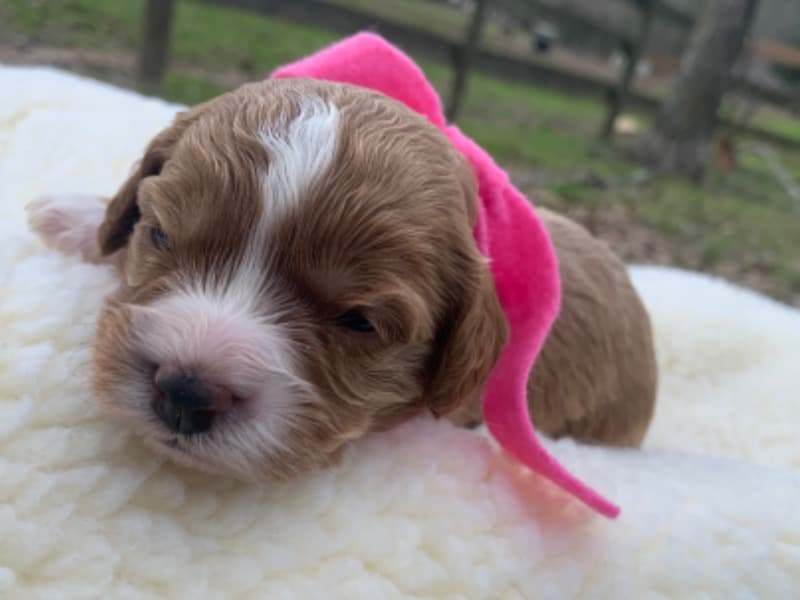
Cavalier King Charles Spaniel mix
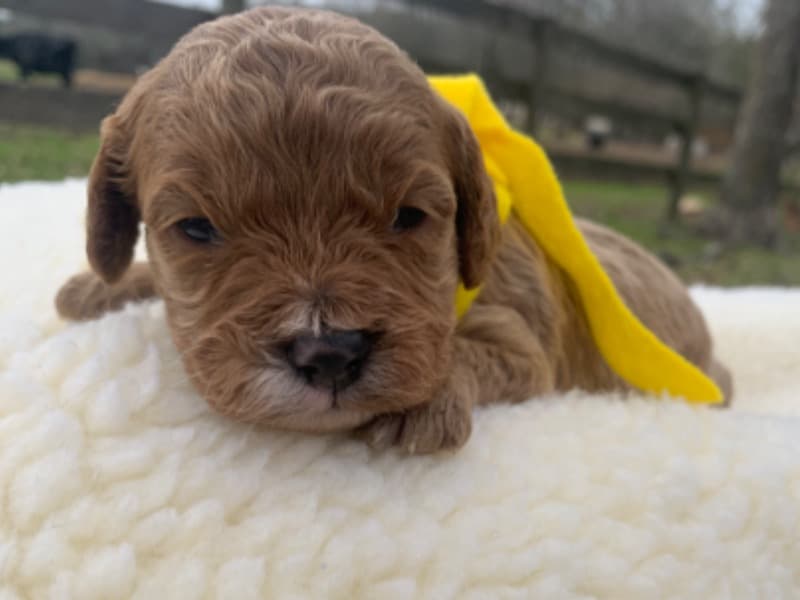
Cavalier King Charles Spaniel mix

Cavalier King Charles Spaniel

Cavalier King Charles Spaniel

Cavalier King Charles Spaniel

Cavalier King Charles Spaniel mix

Cavalier King Charles Spaniel

Cavalier King Charles Spaniel
The Cavalier King Charles Spaniel may be the most affectionate lap dog there is, and it is also the one breed where health testing is not optional. Two inherited diseases are common enough that the breeder you choose matters more than anything else.
This guide leads with that, then covers the temperament, the colors, and what the price should tell you. Read it before you send anyone a deposit.
Cavalier listings on Petmeetly include breeder puppies, adult dogs, Cavalier mixes, and dogs their owners are rehoming. An adult can be the wiser choice in this breed, because a grown dog has already had a vet listen to its heart. The price is lower too.
Short answer
The Cavalier is one of the most loving dogs alive and one of the least healthy. Two serious inherited diseases are common. One is mitral valve disease (MVD), a degenerative heart condition that is the breed's leading cause of death. The other is syringomyelia, a painful condition where the skull is too small for the brain. Knowing both is the price of buying one well.
The heart's mitral valve leaks and worsens over years. About half of Cavaliers have a murmur by age 5 and nearly all by 10, about twenty times the average breed's rate. It can progress to heart failure.
The skull is too small for the brain, forcing fluid into the spinal cord. It is painful, and a classic sign is "air scratching" at the neck or shoulder. It is screened by MRI, which careful breeders do.
The breed's lifespan is about 12 to 14 years, often shortened by the heart. Both diseases are inherited and well-studied, and that is the good news. Because they run in the lines, the parents' testing is what protects your puppy. Two more inherited conditions, episodic falling and a dry-eye and curly-coat syndrome, both have a simple DNA test.
Short answer
Because MVD and syringomyelia are inherited and common, a Cavalier from an untested line is a gamble with the dog's heart and yours. The single test that matters most is a heart exam of both parents by a board-certified cardiologist. A breeder who does this, and talks openly about it, is the whole ballgame.
The one test to insist on is a cardiologist heart exam. The cardiology best practice is to breed only after both parents are 2.5 years or older and heart-clear, so ask whether your breeder follows that protocol. Add eye, patella, and hip checks, and the best breeders also MRI-screen for syringomyelia and DNA-test for the other two conditions.
The one check that protects your heart too
Look both parents up yourself on the free OFA database at ofa.org and read the actual cardiac result, not just a CHIC number, which only means the tests were done and published. If a Cavalier is priced well under the market, ask for those cardiac results by name before you go any further.
Short answer
Typical asking prices for a health-tested Cavalier puppy from a breeder in the US run about $1,500 to $3,500, with show lines up to about $4,000. A price far under that range is a prompt to ask for the cardiologist heart results on both parents. Ask for the eye, patella, and hip checks too, then read them all yourself on OFA.org.
That range is an estimate, since the AKC and breed clubs do not publish prices. It describes typical asking prices for a health-tested puppy from a breeder in the US, and the money buys the one thing that matters in this breed: parents whose hearts have been checked.
Adult Cavaliers, Cavalier mixes, and owner rehomes are priced lower than that range. The lower price is honest, because nobody paid to raise a litter. For a wider view, read how to find a quality puppy within your budget.
Short answer
Most puppy scams start with a too-good price and a push to pay by Zelle, Cash App, wire transfer, gift card, or crypto. The FBI's Internet Crime Complaint Center logged about 2,600 puppy-scam reports and $5.6 million in losses in just the first nine months of 2024. Insist on a live video call with the puppy and its mother, and never send money you cannot get back.
The FBI's scam figures and the FTC's pet-scam advice point the same way: pay only with a method you can dispute. For more ways to spot a fake seller, read our guide on how to avoid puppy scams.
The breed standard recognizes four colors: Blenheim, tricolor, black and tan, and ruby. Because all four are standard, no color is rarer or worth a premium. One more thing to know: the Cavalier King Charles Spaniel and the King Charles Spaniel (the English Toy Spaniel in the US) are two different breeds.
The temperament is the easy part. The Cavalier is gentle, friendly, and great with children, seniors, and other pets, with modest exercise needs. It is a true lap dog that bonds hard, so it does best with company and dislikes long hours alone.
Short answer
Day to day, a Cavalier is a small, easy, affordable dog. The real cost is the heart. The smartest move is pet insurance bought early, before any murmur appears, because an existing murmur is exactly what insurers will not cover later.
The gap between an insured and an uninsured heart diagnosis can be many thousands of dollars, so insure the dog the week you bring it home.
Petmeetly connects you directly with people listing Cavaliers, with no broker in the middle. When sellers have Cavaliers posted, their listings appear at the top of this page. Open to an adult dog instead of a puppy? Here is how to adopt a Cavalier.
In this breed the heart records sell the dog, so put them in the listing first.
Sources
Get answers to common questions about buying Cavalier King Charles Spaniels responsibly
Honestly, not as a breed. Two serious inherited diseases are common: mitral valve disease, a degenerative heart condition and the leading cause of death, and syringomyelia, a painful neurological one. Buying from a health-testing breeder is the single most important thing you can do.
It is a degenerative heart-valve disease that most Cavaliers develop. About half have a heart murmur by age 5 and nearly all by age 10, and it can progress to heart failure. Responsible breeders test the parents' hearts with a cardiologist before breeding.
It is a condition where the skull is too small for the brain, forcing fluid into the spinal cord. It is painful, and a classic sign is "air scratching" at the neck or shoulder, often while walking on a lead. It is screened by MRI, which careful breeders do.
At a minimum, a heart exam by a board-certified cardiologist, plus eye, patella, and hip checks. The best breeders also MRI-screen for syringomyelia and DNA-test for two more conditions. Verify both parents on OFA.org, and read the actual cardiac result, not just a badge.
Typical asking prices for a health-tested Cavalier puppy from a breeder in the US run about $1,500 to $3,500, with show lines higher. A price far under that range is a prompt to ask for the cardiologist heart results on both parents. Ask for the eye, patella, and hip checks too, then read them all yourself on OFA.org. Adult Cavaliers, Cavalier mixes, and owner rehomes cost less for honest reasons, so judge those listings on the dog and the records.
Discover puppies and dogs for sale from various breeds and find your perfect companion
Browse Cavaliers listed on Petmeetly, then use the health and breeder checks above before you pay.
No card required to sign up.