

The Petmeetly small pet adoption guide
Most small pet adoptions on Petmeetly happen between people. One family can no longer keep their pet. Maybe a child lost interest, an allergy showed up, or the family moved. A smaller number of listings come from rescues. Either way, you talk straight to the people who know the pet.
Buying a baby pet from a pet store means starting from zero. When you adopt instead, the family before you has often done the basic setup. You get a grown pet with a known personality. You often get the cage and supplies too.
This hub covers nine small pets plus the ferret: Syrian hamsters, dwarf hamsters, Chinese hamsters, guinea pigs, fancy rats, fancy mice, chinchillas, African dormice, and ferrets. For deep care details on each one, see the species sub-pages linked below.
Contents
Jump to a chapter
7 parts
Contents
Jump to a chapter
Should I adopt a small pet?
Small pets look easy. Most are not. They need more care than people expect. Adopting from a family who has lived with the pet is a calm way to start. They know the pet. They can tell you what to expect.
Three things to check before you message a listing.
| Check | What to know |
|---|---|
| Lifespan | Some live 1 to 2 years (mouse). Others live 10 to 20 years (chinchilla). Pick a pet that fits your life window. |
| Cage size | Most pet-store cages are too small. Plan for a bigger setup. Check the species sub-page for the right size. |
| Yearly cost | Plan for $300 to $800 a year for food, bedding, and pen parts. A vet who knows small pets (exotic vet) is extra. |
Adopting an adult vs. buying a baby
A pet-store baby is 4 to 8 weeks old. It is not used to being held. A rehomed adult is usually 6 to 18 months old. It is past the nippy stage (called the bite stage). It has a known personality and a known diet. It often comes with the full cage and supplies. A pet-store starter setup costs $150 to $250. An adopted pet often costs $0 to $50. The numbers usually point to adoption.
Two questions to ask yourself.
- 1
Can I commit to this pet's lifespan, cage size, vet costs, and daily schedule?
If yes, adoption is a good fit.
- 2
Am I hoping the pet will be a cuddly toy for my child?
If yes, slow down. Small pets are quiet and easy to hurt. An adult needs to lead. Kids do best as helpers, not main owners.
Want to buy a young small pet from a breeder instead? Our small pets for sale page covers that path. Petmeetly supports both.
Pick the right species
Each species has its own quirks. Skim the list, then visit the species page for full care details.
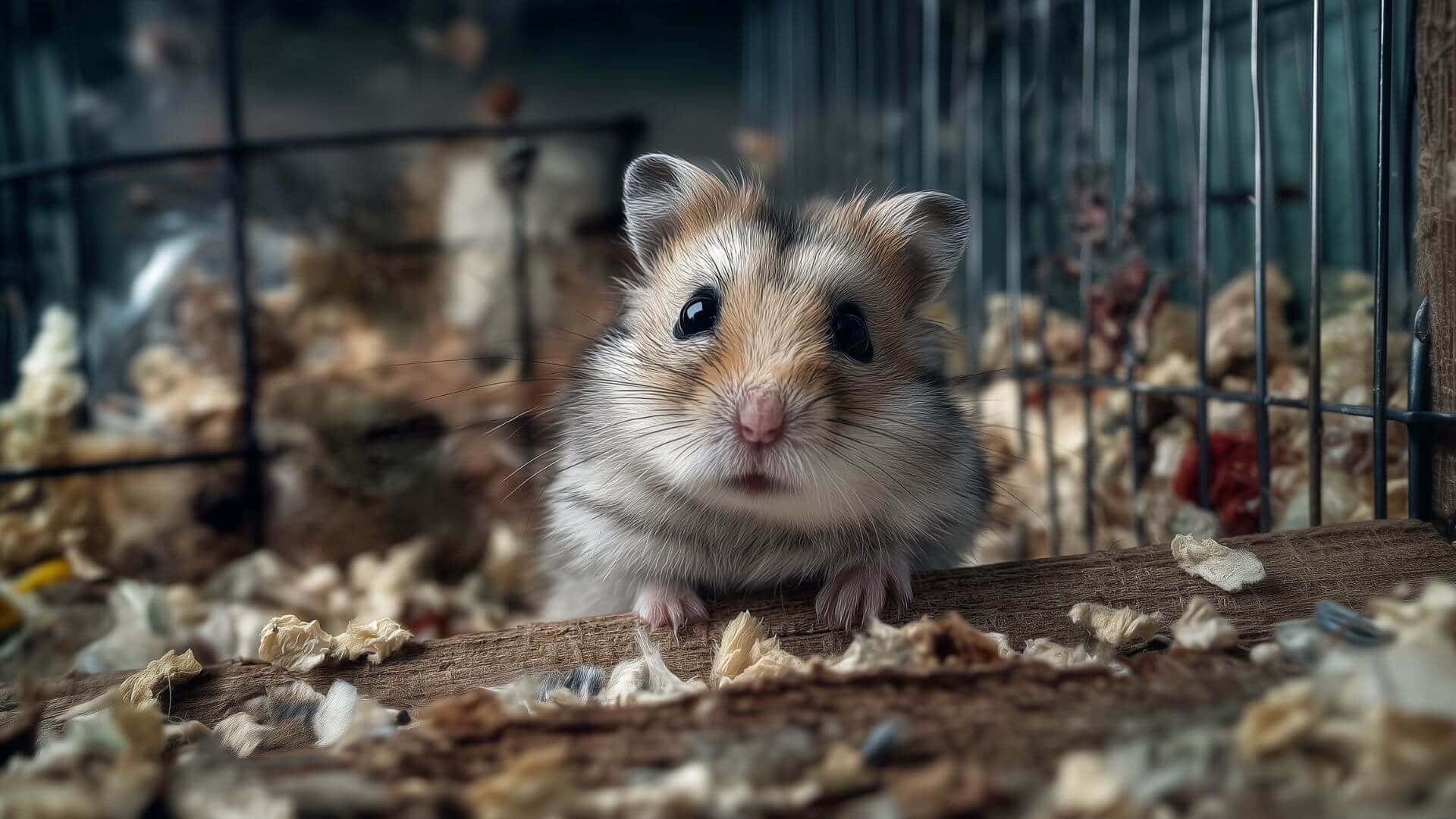
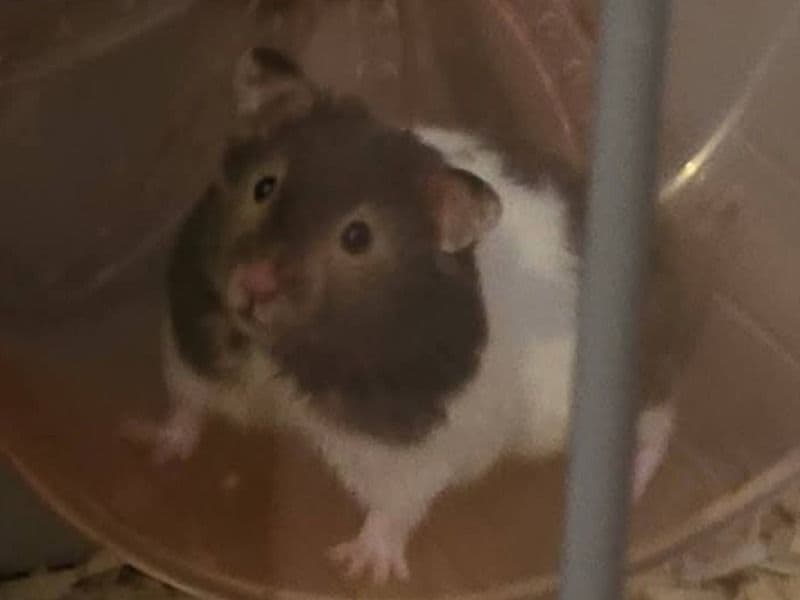
- Syrian hamster. Lives alone; never house two together. Adopted Syrians past 6 months are usually calm. See Syrian hamster listings.
- Dwarf hamster. Three kinds (Roborovski, Winter White, Campbell's) and they are different. Ask the owner which one.
- Chinese hamster. Solitary, slim, less common at pet stores. Some carry a diabetes risk; avoid sugary treats.
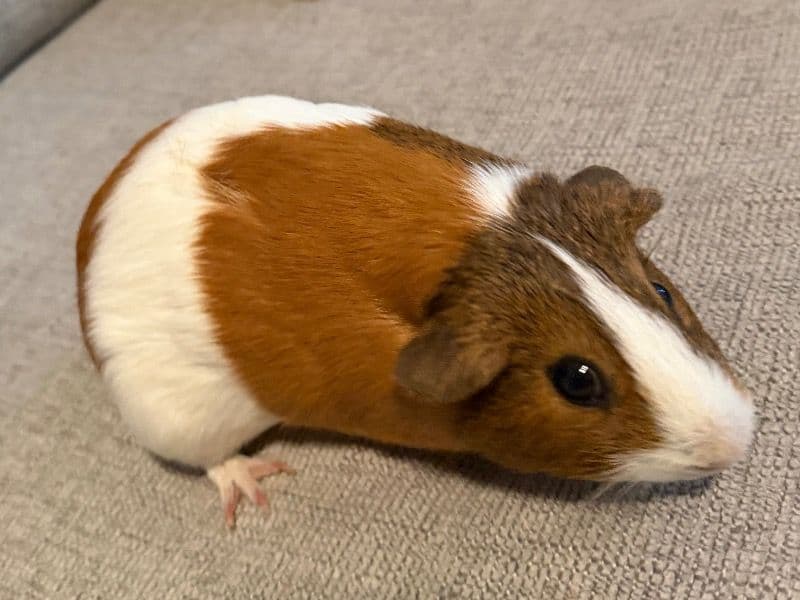
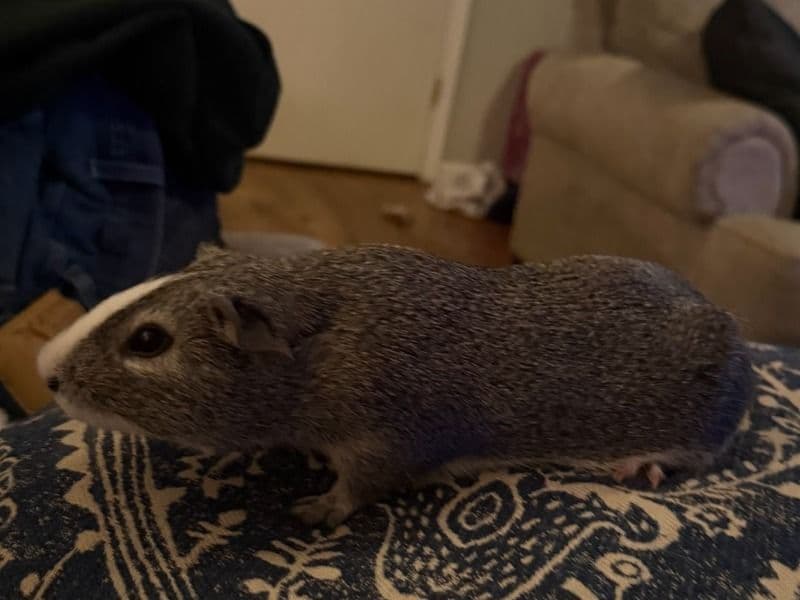
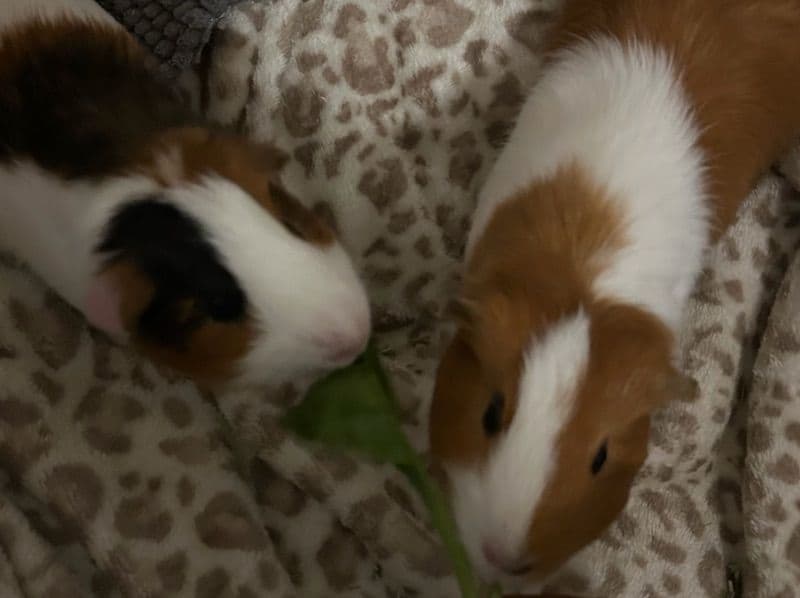
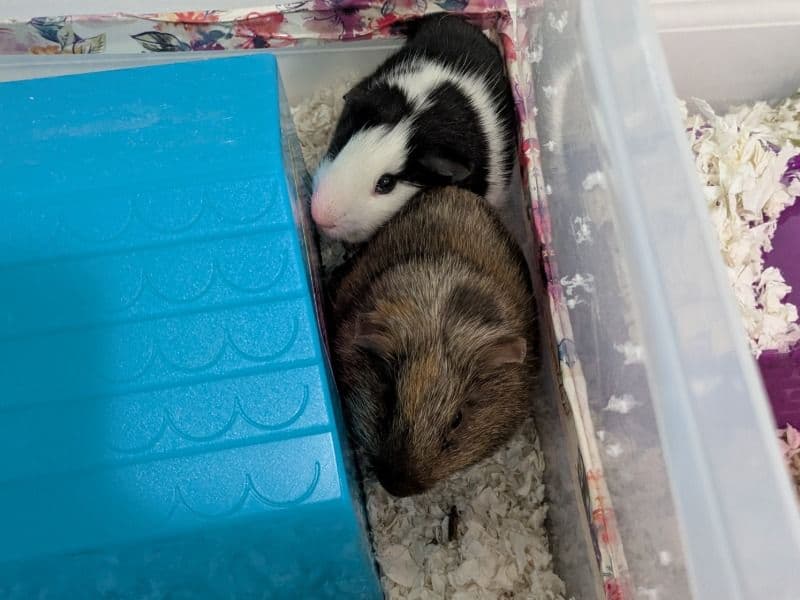
- Guinea pig. Strictly social. A single guinea pig is lonely. Adopt pairs together. See guinea pig listings.
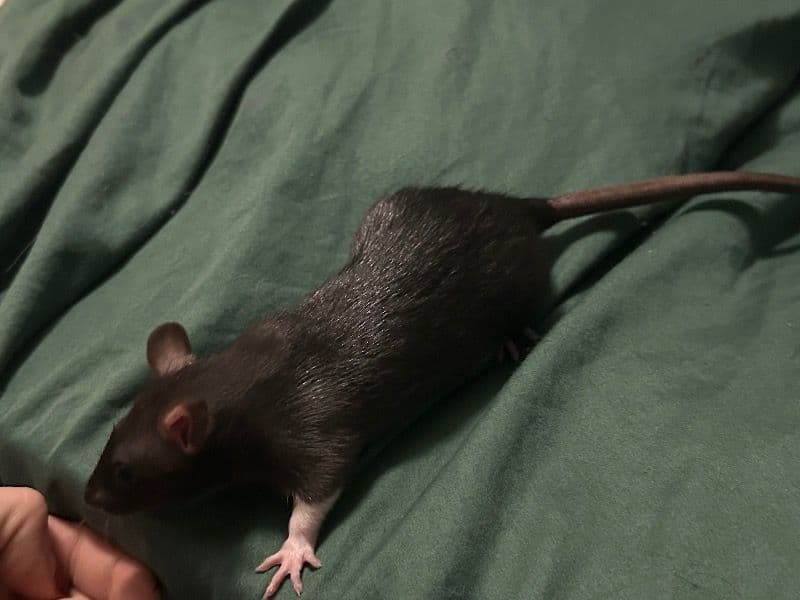
- Fancy rat. Strictly social. Keep same-sex pairs or groups. Ask about clicking or sneezing (signs of a common rat lung infection). See pet rat listings.
- Fancy mouse. Females (does) live in groups of 2 to 5. Males (bucks) live alone because they fight. Short lifespan; ask the age in months.
- Chinchilla. Lives 10 to 20 years. Cannot handle heat above 75°F. Needs a dust bath several times a week.
- African dormouse. Small, nocturnal, exotic. Some US states restrict the species. Check your local rules first.
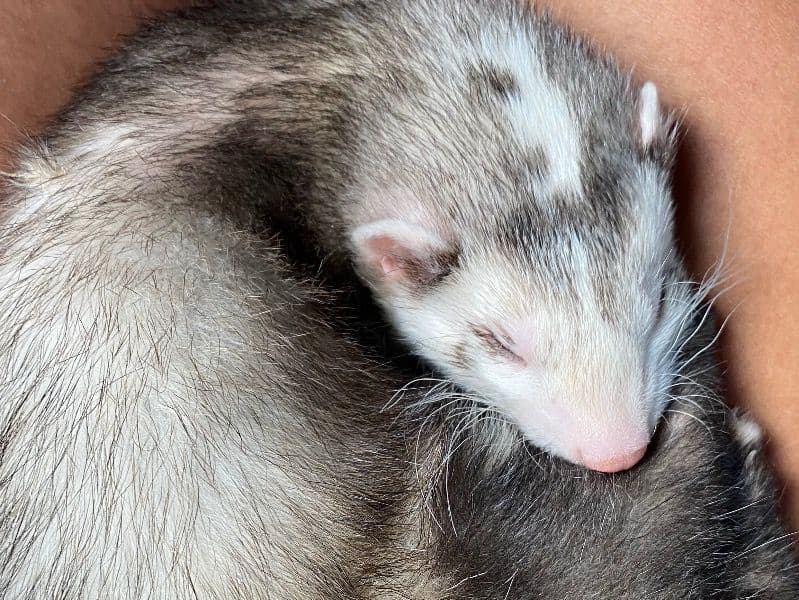
- Ferret. Lives 6 to 10 years. Banned in California, Hawaii, and New York City. Check legality before you adopt.
Ferrets are mustelids (a different animal family that also includes weasels and otters), not rodents. We list them here because most adopters group them with small pets.
Finding a small pet on Petmeetly
A listing on Petmeetly is a chat invite, not a checkout button. Most listings come from current owners. A smaller number come from rescues or breed-specific groups. Both paths can lead to a good match.
Three ways small pets reach Petmeetly.
- From a current owner. A child lost interest, an allergy showed up, or the family moved. The owner writes the listing and hands the pet over with the cage and supplies.
- From a rescue. Rescues charge a small fee and have usually done a basic vet check.
- From a Facebook rehoming group that cross-posts here.
Watch out for these red flags.
- Same-day pickup pressure.
- Refusal to share a short video of the pet in its current cage.
- Vague species labels (for example, “hamster” with no breed).
- “All small mammals” listings with many species mixed together.
- A request to pay by wire transfer or gift card before you meet the pet.
One note on feeder rodents. Petmeetly is for pet companions only. Pet rats and mice listed here are not for feeding to snakes or reptiles. The American Fancy Rat and Mouse Association sets the same line for the US fancy-rat community.AFRMA: Code of Ethics
Questions to ask the current owner
Before you commit, ask the owner a few simple questions. Open answers are a good sign. Deflection is a flag.
- How old is the pet, and how do you know?
- What does it eat each day?
- What is its vet history? Any health problems?
- Why are you rehoming?
- What supplies do you include with the pet?
Rehoming fees vary by species and what comes with the pet. For typical fee ranges, check the species sub-page.
One quick legal note. A few US locations restrict or ban some small pets. For example, ferrets are not allowed in California, Hawaii, or New York City. Check your local rules before you adopt.
Bringing your small pet home
The first few days are about safety, not bonding. Small pets stress fast. Give them a quiet first 24 hours. They will settle on their own.
- First 3 days
Hiding, eating at night
The pet hides. It eats and drinks at night. Do not handle. Check in the morning that food and water look used.
- First 3 weeks
Settling into a routine
The pet picks favorite spots. It starts trusting your voice. Short, calm hand-feeding from outside the cage works well.
- First 3 months
Settled at home
The pet comes out for treats. It knows your routine. It feels at home.
Set up the cage before pickup. Cage size and setup vary a lot by species. Check the species sub-page for the right setup for your new pet.
Book a first-week vet visit. Most general vets do not see small pets often. Use the AEMV directory to find a vet who knows small pets (exotic vet) near you. Book the first visit for day 5 to day 7.Association of Exotic Mammal Veterinarians
Daily care basics
After the first month, daily life settles into a steady rhythm. Three things matter most: food, friends, and time.
- Food. Each species eats different things. Guinea pigs need hay all day. Ferrets need meat-based food. Rats and mice need a balanced pellet plus a little fresh food. Check the species sub-page for the right diet.
- Friends. Some species need a same-species companion (guinea pigs, fancy rats). Others must live alone (Syrian hamsters). Match the social shape to the species.
- Time. Most small pets enjoy 15 to 60 minutes of quiet handling a day. Hamsters and mice are usually watch-not-hold pets. Rats and ferrets like more time with their person.
Skip yogurt drops, seed sticks, and other sugary store treats. They are too high in sugar for most small pets.
When adoption does not work out
Most adoptions work. Some do not. An allergy may show up after a few weeks. The household may change. A resident pet may not bond with the new one. If things are not working, plan a careful exit early. Do not wait for a crisis.
First, talk to an exotic vet. Some problems have simple fixes. A grumpy hamster may be in pain. A sneezing rat may need antibiotics. A guinea pig “fight” may be a short hierarchy reshuffle.
Plan B paths, in order of preference.
Preference 1
Return to the original family
If your rehoming agreement said you could, contact them first. Many families add that clause on purpose. They want a safety net for the pet they raised.
Preference 2
Relist on Petmeetly
Write an honest post about the pet's age, diet, vet history, and why you are rehoming. Ask for a video meet before pickup. Charge a small fee to filter out callers who are not serious.
Preference 3
Contact a rescue
Search “small pet rescue near me” to find a local one. Most have waitlists. A small donation usually helps cover the rescue's intake costs.
Last resort
City animal shelter
City shelters do take small pets, but their small-pet space is limited. Stress is highest here. List it last.
Hard stop
Do not release a small pet outdoors.
A pet hamster, mouse, rat, guinea pig, chinchilla, or ferret cannot live in the wild. They die fast from cold, predators, traffic, and disease. Some species can also harm local wildlife.
The CDC small mammals page and the AVMA both warn against outdoor release. In many places, it is also against the law. If your home options are gone, every Plan B path above is a kinder choice.CDC: Small MammalsAVMA: Pet Release and Rodenticides
A careful rehoming to a better-fit home is part of doing right by the pet, not a failure. Browse small pets listed for adoption to see what a good listing looks like before you write your own.

