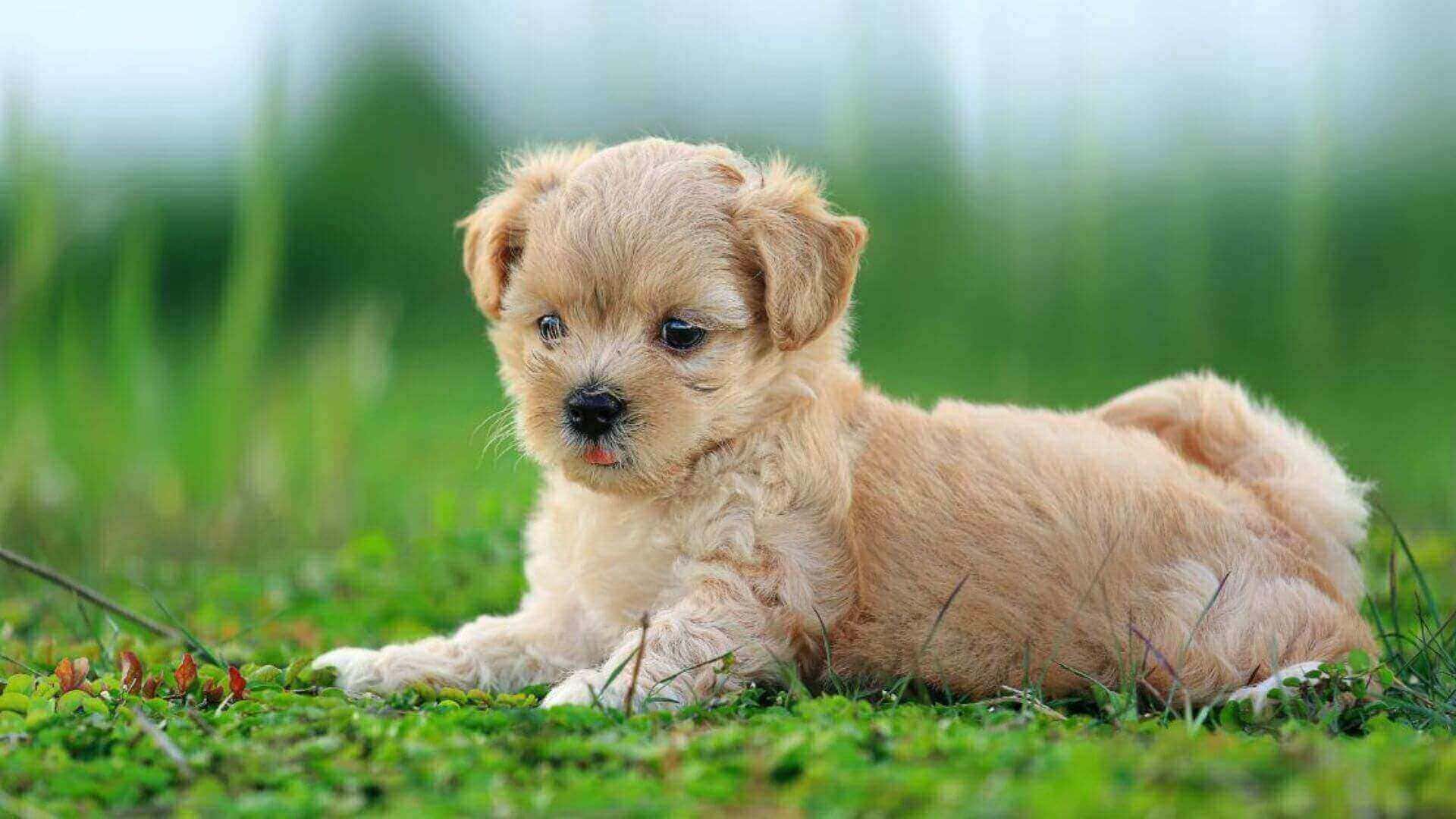
Browse the Poodles listed on Petmeetly, then check the health panel for that size and the seller's identity before you pay.
Poodle

Poodle
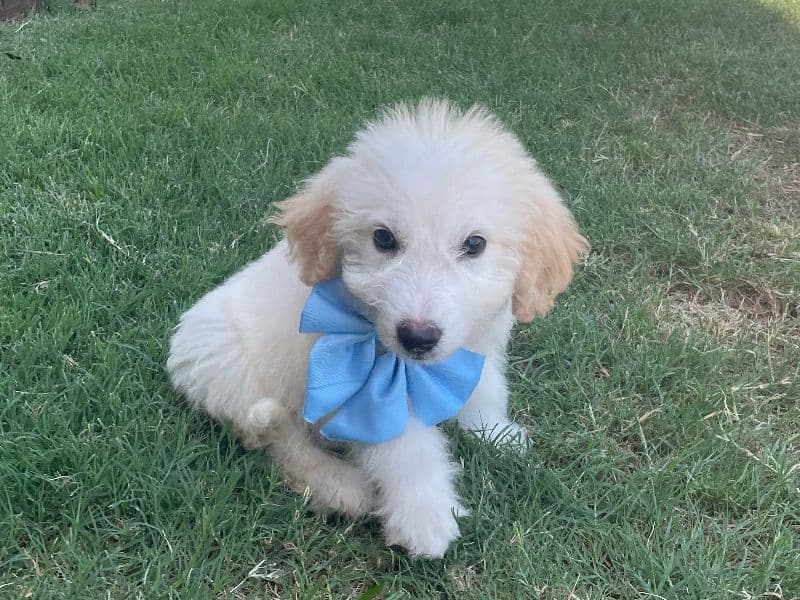
Poodle mix
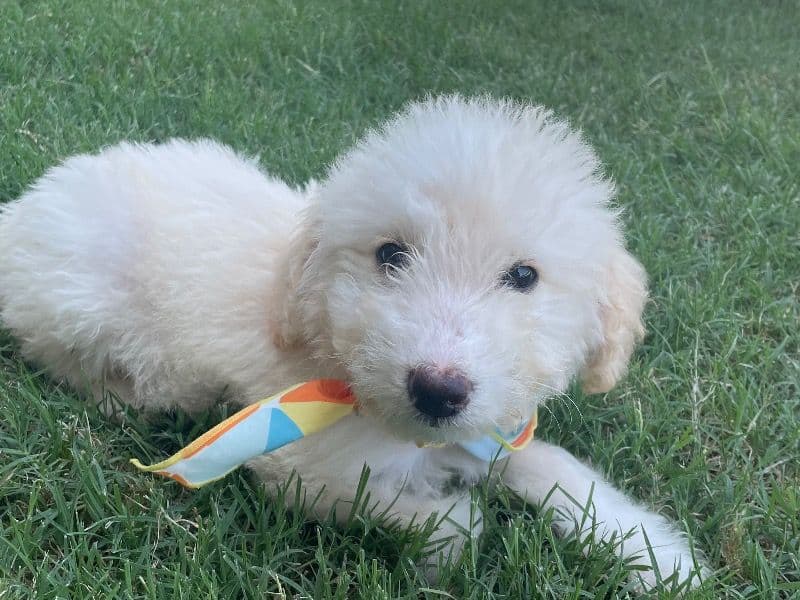
Poodle mix
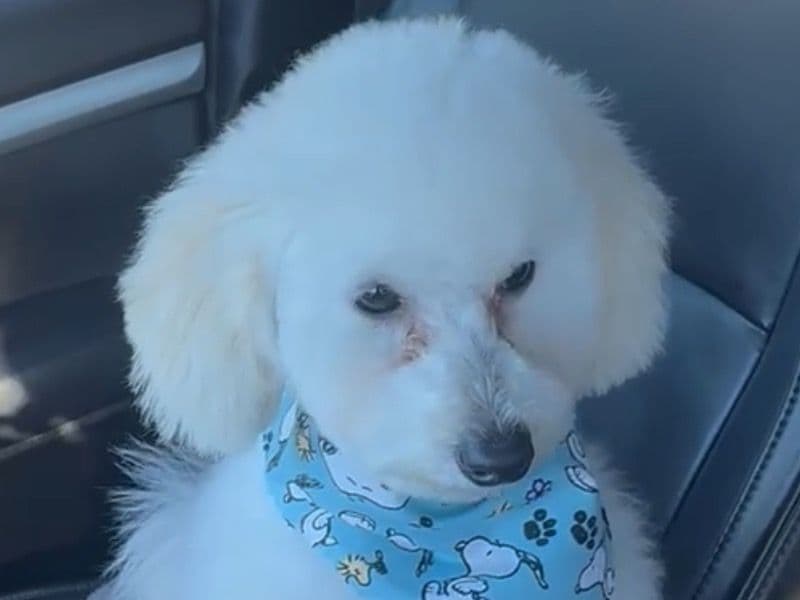
Poodle
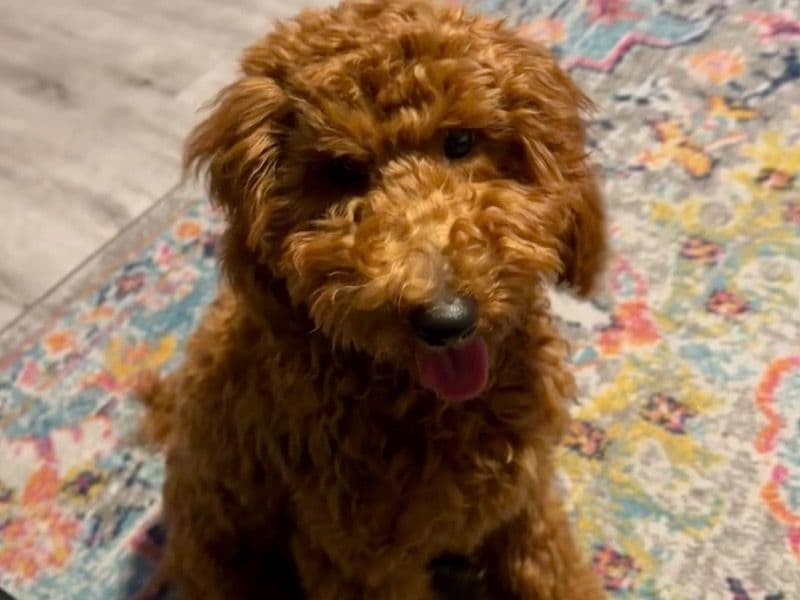
Poodle
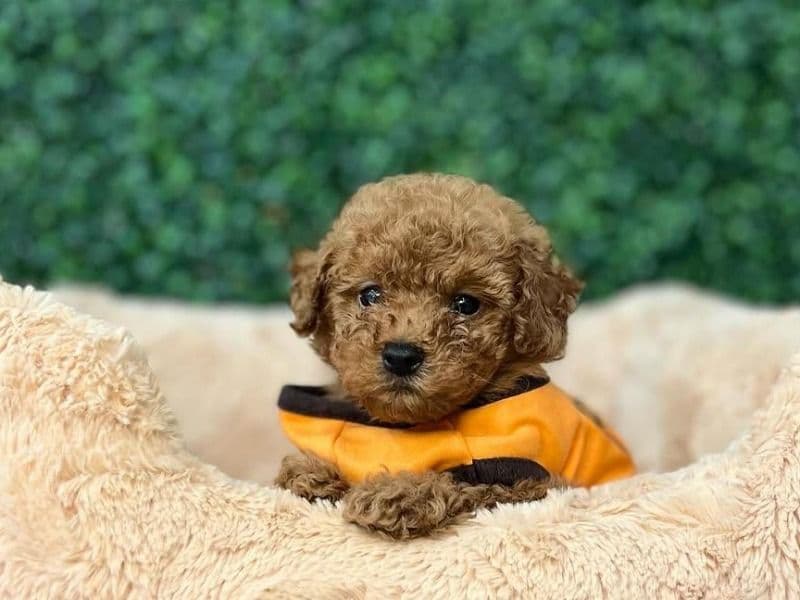
Poodle
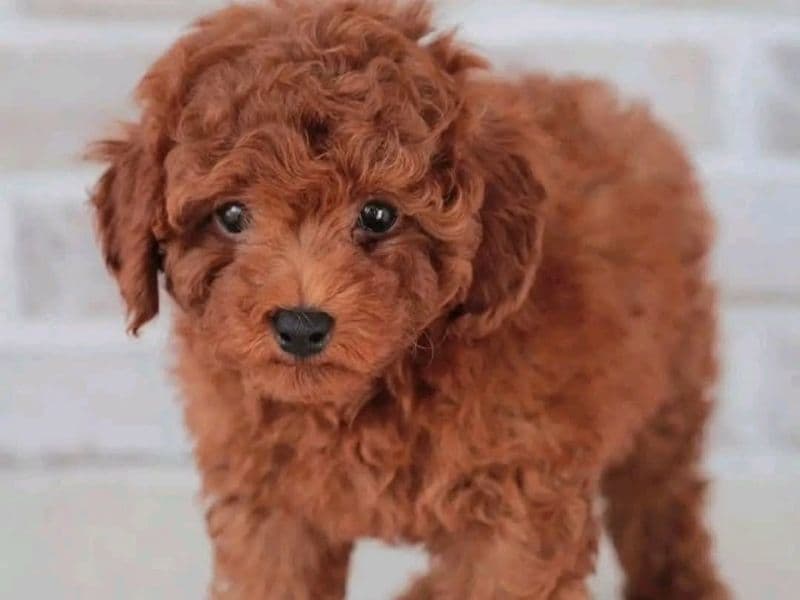
Poodle
The Poodle is one breed in three sizes, and buying one well starts with picking the right size. After that, the things to get right are the grooming you sign up for, the health tests for that size, and a fair price.
This guide covers all of it. Read it before you send anyone a deposit.
Poodle listings here are a mix: breeder puppies, grown Poodles, Poodle crosses such as doodles, and dogs their owners need to rehome. An adult can be the better fit, because the price is lower and you can see the finished size and coat instead of guessing.
Short answer
The Poodle comes in three sizes: Standard (over 15 inches), Miniature (10 to 15 inches), and Toy (10 inches or under). They share the same coat, brains, and temperament, and differ mostly in space, exercise, and price. Pick the size that fits your home, not the smallest one you can find.


"Teacup," "micro," and "tiny toy" are not real Poodle sizes. They are sales labels for undersized Toy Poodles, and vets link them to health problems like low blood sugar, fragile knees, and dental and airway trouble. Treat a teacup label as a red flag, not a rare upgrade.
The size limits come from the AKC breed standard, and you can read each variety on its own AKC page (Standard, Miniature, and Toy).
Short answer
Typical asking prices for a health-tested puppy from a breeder in the US run about $1,000 to $3,500 for a Toy, $1,200 to $4,000 for a Miniature, and $800 to $5,000 for a Standard. Price moves with the variety, color, bloodlines, and region. A price far under the range for that size is a prompt to ask for the parents' OFA results by name.
Those are typical asking prices for a health-tested puppy from a breeder in the US, and they are estimates, since the AKC and breed clubs do not publish prices. That price covers the health testing and the newborn care behind the litter.
Adult Poodles, Poodle crosses, and owner rehomes sell for less, and that lower price is honest, because nobody paid to raise a litter. For a wider view of what your money buys, read how to find a quality puppy within your budget.
Short answer
Poodles barely shed, which is why people call them hypoallergenic, but no dog truly is. Allergens come from dander and saliva, not just loose hair, so a Poodle is low-shedding and low-allergen, not allergen-free. The trade-off is grooming: the coat grows like hair and needs a professional groom every 4 to 6 weeks.
That curly coat does not shed out, so it must be clipped and brushed often. Skip it, and it mats fast, which is painful and can force a full shave-down. Budget for a groomer every 4 to 6 weeks, plus regular brushing at home.
The AKC is clear that no breed is truly hypoallergenic. A Poodle can suit some allergy sufferers because it sheds little and spreads less dander, but if allergies are a concern, spend real time with the breed first.
This is also why "doodles" are not a grooming shortcut. A Goldendoodle or Labradoodle is a Poodle cross, not an AKC breed, and its coat is a gamble. Many still shed and mat, so a doodle often needs the same groomer and brushing a Poodle does.
Short answer
Most puppy scams start with a too-good price and a push to pay by Zelle, Cash App, wire transfer, gift card, or crypto. The FBI's Internet Crime Complaint Center logged about 2,600 puppy-scam reports and $5.6 million in losses in just the first nine months of 2024. Insist on a live video call with the puppy and its mother, and never send money you cannot get back.
The FBI's scam figures and the FTC's pet-scam advice point the same way: pay only with a method you can dispute. For more ways to spot a fake seller, read our guide on how to avoid puppy scams.
Short answer
A Poodle's main health risks shift with its size. Standard Poodles lean toward hip dysplasia and two autoimmune diseases, sebaceous adenitis (a skin condition) and Addison's disease, plus bloat. Toy and Miniature Poodles lean toward knee and eye problems. The good news is the breed is long-lived, about 10 to 18 years.
The Standard's autoimmune burden is real and traces to a mid-century breeding bottleneck that narrowed the gene pool, so ask a Standard breeder about it directly. Toy and Miniature problems are mostly the small-dog risks of knees, eyes, and teeth, which the Poodle Club of America screens for.
A good breeder welcomes your questions, and the health panel they should show you depends on the size. Here is what to ask for and verify.
Meet the mother on-site, and look at temperament and living conditions. Ask for a written contract with a health guarantee and a return clause, plus the registration papers. The panels above come from the Poodle Club of America and OFA CHIC program.
The one check most buyers skip
Look both parents up yourself on the free OFA (Orthopedic Foundation for Animals) database at ofa.org using their registered names. A CHIC number means the tests were done and published, not that the dog passed, so read the actual results.
The breed standard calls for an even, solid color, like black, white, apricot, red, brown, silver, blue, or cream. Patterns such as parti and phantom can be registered, but they are not shown in the show ring. No Poodle color is a health fault on its own.
One caution: dilute shades like blue and silver-beige carry a risk of color dilution alopecia, a condition that thins the coat. So do not chase a "rare" color or pay a premium for one. Color is the last thing that should drive the choice.
One more thing to know: the Poodle is a working dog at heart, ranked the second most trainable breed by Stanley Coren. That brain needs a job, so plan for training and play, not just grooming.
Short answer
Grooming is the cost that sets a Poodle apart. A professional groom every 4 to 6 weeks adds up fast, on top of food, routine vet care, and insurance. Budget for the groomer before you buy, because it is not optional with this coat.
Grooming costs vary by your region, the size of the dog, and the cut, but plan for it every month or so for the dog's whole life. A neglected coat is not a way to save money, because matting ends in a vet visit.
Petmeetly connects you directly with people listing Poodles, with no broker in the middle. When sellers have Poodles posted, their listings appear at the top of this page. Open to an adult dog instead of a puppy? Here is how to adopt a Poodle.
Poodle buyers here shop by size and by paperwork, so spell out both in your listing.
Sources
Get answers to common questions about buying Poodles responsibly
Typical asking prices for a health-tested puppy from a breeder in the US run about $1,000 to $3,500 for a Toy, $1,200 to $4,000 for a Miniature, and $800 to $5,000 for a Standard. Price moves with the variety, color, bloodlines, and region. A price far under the range for that size is a prompt to ask for the panel that fits it: OFA hips for a Standard, the PRA-prcd DNA test and a patella (knee) evaluation for a Toy, then check both parents on ofa.org. Adult Poodles, Poodle mixes, and owner rehomes usually cost less for honest reasons, so judge those listings on the dog and the records.
No dog truly is. Poodles barely shed and are low-dander, which can suit some allergy sufferers, but allergens come from dander and saliva, not just loose hair. So a Poodle is low-shedding and low-allergen, not allergen-free. Spend time with the breed before you commit if anyone in the home has allergies.
It is not an AKC size. "Teacup" is a marketing term for undersized Toy Poodles bred to be extra tiny. Vets link it to health risks like low blood sugar, fragile knees, and dental and airway problems. Treat a "teacup," "micro," or "tiny toy" label as a red flag, not a rare upgrade.
It depends on the size. For a Standard, look for OFA hips, an annual eye exam, and one of a thyroid, sebaceous adenitis, or cardiac test. For a Toy, look for the PRA-prcd DNA test, an eye exam, and a patella (knee) check. A Miniature should add hips. Verify each parent on OFA.org.
A Standard Poodle is athletic and needs space and real exercise. A Miniature is a sturdy, family-friendly size. A Toy is a tiny companion that is fragile around toddlers. All three share the same brains, the same low-shedding coat, and the same grooming needs, so choose the size that fits your home.
Discover puppies and dogs for sale from various breeds and find your perfect companion
Browse Poodles listed on Petmeetly, then use the size, coat, and health checks above before you pay.
No card required to sign up.