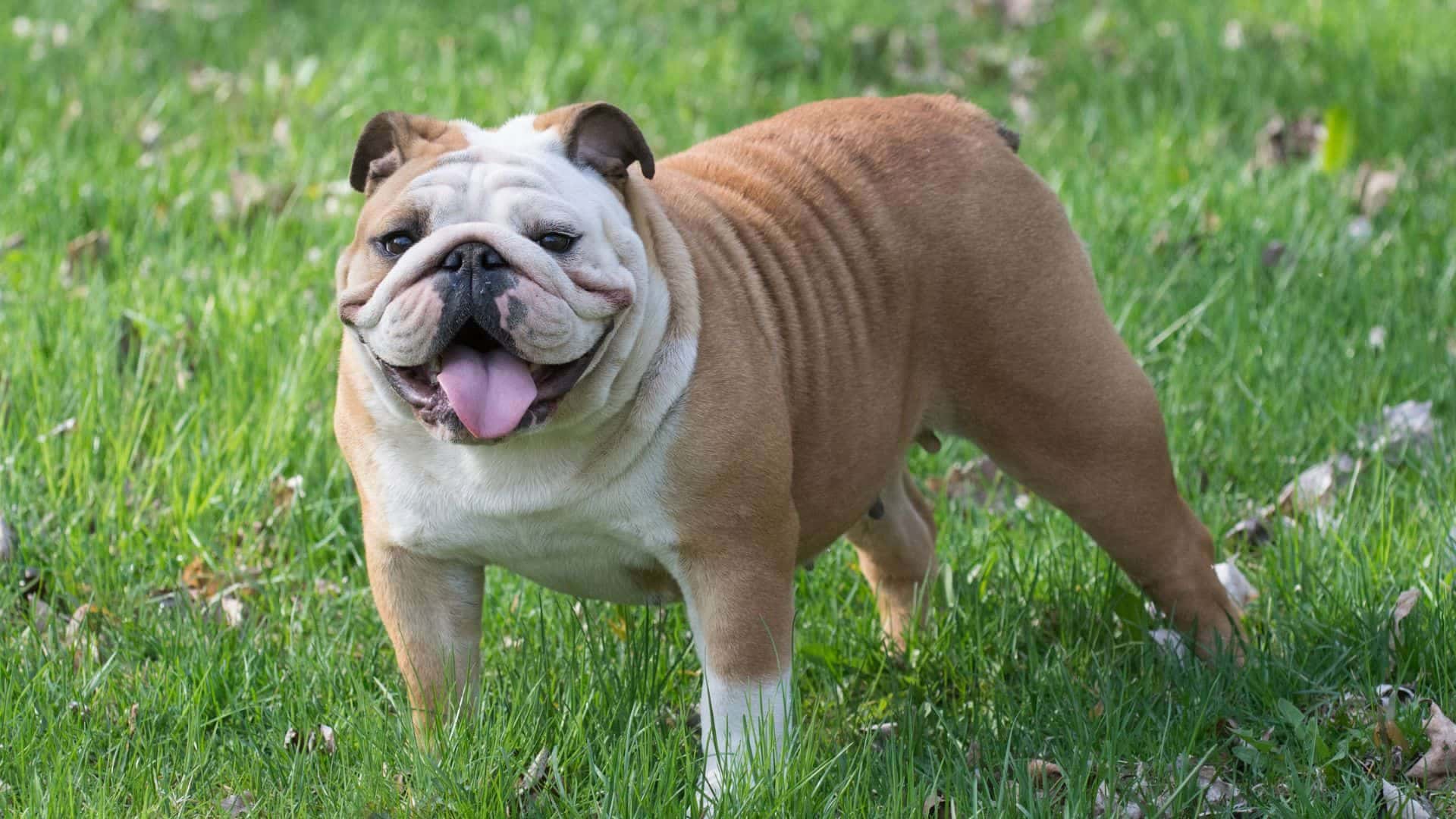
Browse the Bulldogs listed on Petmeetly, then check the parents' breathing grades and health results and the seller's identity before you pay.
Bulldog

Bulldog
Bulldog
Bulldog
Bulldog
Bulldog
Bulldog
Bulldog
Looking at English Bulldog dogs and puppies for sale, it is easy to fall for that wrinkled face. The harder part is knowing what a fair price is, why this breed costs so much, and what its health really takes.
This guide walks you through the breathing, the price, the health tests to verify, and how to avoid scams. Read it before you send anyone a deposit.
Not every Bulldog listed here is a puppy. Sellers post adult Bulldogs, Bulldog crosses, and dogs their owners can no longer care for. An adult tells you more in this breed, because you can hear how the dog breathes and watch how it moves. It costs less than a puppy too.
Short answer
The English Bulldog is one of the most flat-faced dog breeds, and breathing is its biggest health issue. A large UK study by the Royal Veterinary College found English Bulldogs had about twice the odds of common health problems compared with other dogs. Before you buy, you need to understand BOAS (a flat-faced breathing problem) and heat risk, because they shape this dog's whole life.
BOAS, short for Brachycephalic Obstructive Airway Syndrome, is a breathing problem in flat-faced dogs. The skull is short, but the soft tissue inside is not, so the extra tissue crowds the airway. The dog then has to work hard just to move air.
Flat-faced dogs cannot cool themselves well by panting. A UK study found Bulldogs were far more likely than Labradors to get heat-related illness, with much higher odds when left in a hot car. Never leave a Bulldog in the heat or in a warm car.
Buyers can ask about one breathing test in particular. The UK Kennel Club and the University of Cambridge run the Respiratory Function Grading scheme, or RFG. A trained vet listens to the dog before and after light exercise, then gives a grade from 0 (clear) to 3 (severely affected). Ask whether both parents were graded, and what they scored.
Severe BOAS is treated with surgery that widens the nostrils and trims the long soft palate. It helps, but it does not fully fix the breed's shape. We cover the cost below.
Short answer
English Bulldogs are predisposed to skin fold infections, cherry eye, dry eye, and hip problems, and they have one of the shortest lifespans of any breed at around 7 years. None of this means a Bulldog cannot be a wonderful pet. It means you should buy from health-tested parents and budget for real veterinary care.
Skin fold dermatitis is the breed's signature problem. The RVC study found Bulldogs far more likely than other dogs to get sore, infected skin folds on the face and tail. Those folds need regular cleaning.
Two eye problems are common. Cherry eye is a popped-out tear gland in the corner of the eye. Dry eye, or KCS (keratoconjunctivitis sicca), is when the eye does not make enough tears. Both often need medication or surgery.
Hip dysplasia means a poorly formed hip joint. OFA (Orthopedic Foundation for Animals) data ranks the Bulldog among the worst breeds of all for it, with most screened dogs affected. Keep your Bulldog lean to take pressure off the joints.
Lifespan is the breed's hardest truth. Median life expectancy sits around 7.2 to 7.4 years, among the shortest of any breed. That is why health-tested parents and a real vet budget matter more here than salesmanship. For the full breeding-side health detail, see our Bulldog breeding guide.
Short answer
Typical asking prices for a health-tested English Bulldog puppy from a breeder in the US run $2,000 to $4,500, more in big metros. They cost this much because the breed is expensive to produce. Most Bulldog mothers need artificial insemination to conceive and a planned caesarean to give birth, and litters are small, so the price floor reflects real production cost, not markup.
Why so high? Most Bulldog mothers need artificial insemination, where a vet places the semen, because the breed's shape makes natural mating hard. Most also need a planned caesarean (a surgical birth), because the puppies have large heads and the mothers have narrow hips. About 86% of Bulldog litters are born by caesarean.
Those costs stack up. The breeder pays for insemination, timing-test vet visits (blood tests that pinpoint the fertile window), and a near-certain caesarean. A litter is only about three to four puppies, so a well-bred Bulldog is rarely cheap. When a Bulldog is priced well below that, ask which health tests the parents actually had, and look the results up yourself on ofa.org.
Those tiers describe a puppy from a breeder. Adult Bulldogs, Bulldog mixes, and dogs being rehomed by their owners are priced lower, and that lower price is honest, because nobody paid to raise a litter.
Flat-faced dogs file more insurance claims, so premiums run higher than for most breeds. Surgery costs vary by region and severity (see this BOAS surgery cost breakdown). Over a lifetime, owners commonly spend in the tens of thousands of dollars, so put it in your plan before you buy.
For more on what really drives a puppy's price, read how to find a quality puppy within your budget.
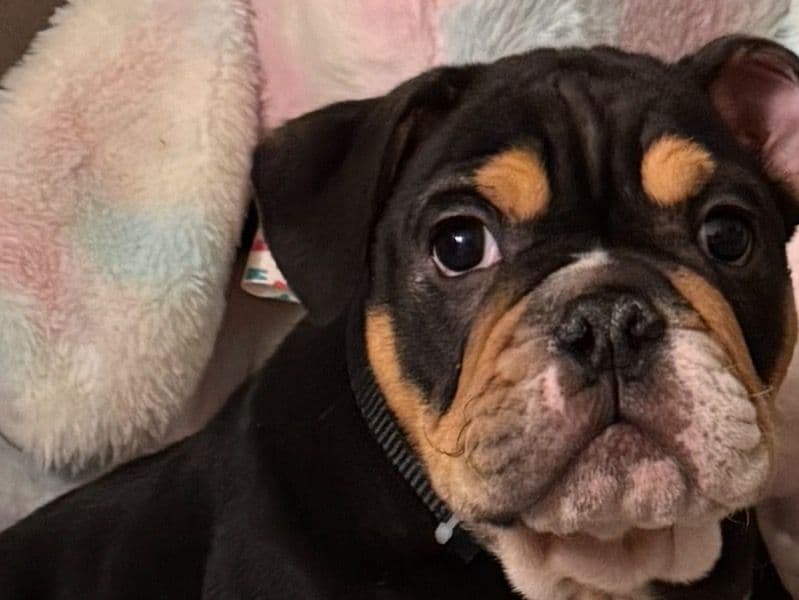
The breed standard recognizes red, white, fawn, and fallow (a pale tan). It also allows patterns like brindle (mixed dark striping) and piebald (patches on white).
"Rare" blue, lilac, chocolate, and merle Bulldogs are not recognized colors. Merle, a mottled patchy coat pattern, is a disqualification in the breed standard, and the gene does not occur naturally in the English Bulldog. So a "merle English Bulldog" is most likely not purebred, because the pattern points to past crossing with another breed.
There is a health angle too. Double-merle breeding raises the risk of deafness and eye defects. Dilute coats (the washed-out shades sold as blue and lilac) are prone to color dilution alopecia, a patchy hair-loss condition. You would be paying more for something the breed clubs warn against.
The bottom line is simple. A high color premium is itself the red flag, because it signals a breeder chasing novelty, not health-tested structure. Pick a color you like, but do not pay extra for "rare."
The Bulldog Club of America and the OFA CHIC program (a shared health-testing checklist) call for three core tests. Responsible breeders often add more.
One of those tests checks for tracheal hypoplasia. Verify any clearance yourself in the free OFA database.
Short answer
Most puppy scams start with a price that looks too good and a push to pay by Zelle, Cash App, wire, gift card, or crypto. The Better Business Bureau reports that the average puppy-scam loss reached about $1,293 in 2024, and English Bulldogs are among the most impersonated breeds on fake puppy websites. Insist on a live video call with the puppy and its mother, and never send money you cannot get back.
The Better Business Bureau has logged thousands of pet scams. Reported puppy-scam complaints fell about 21% in 2024, even as the average loss climbed. Most follow the same script: a deposit, then surprise fees. For scale, the FTC reported $12.5 billion lost to all kinds of fraud in 2024, not pet fraud alone. Pay only with a method you can dispute, and read our guide on how to avoid puppy scams.
A good breeder welcomes your questions. Here is what to see, get in writing, and verify.
We keep the in-depth health-clearance detail on the breeding side. See our Bulldog breeding guide, part of our responsible-breeding hub.
Petmeetly connects you directly with people listing English Bulldogs, with no broker in the middle. Use the checks above before you pay. Open to an adult dog instead of a puppy? See how to adopt an English Bulldog.
Bulldog buyers here have done their homework, so meet them with records rather than photos.
Sources
Get answers to common questions about buying English Bulldogs responsibly
Typical asking prices for a health-tested English Bulldog puppy from a breeder in the US run $2,000 to $4,500, and more in big metros. The breed costs this much because most mothers need artificial insemination to conceive and a planned caesarean to give birth, and litters are small. A price far under that range is a prompt to ask for the parents' cardiac, patella, and tracheal results, plus their breathing grades, then look them up on ofa.org. Adult Bulldogs, Bulldog mixes, and owner rehomes cost less for honest reasons, so judge those listings on the dog and the records.
Most Bulldog mothers cannot mate or give birth naturally, so breeders pay for artificial insemination and a planned C-section, and litters average only about three to four puppies. About 86% of Bulldog litters are born by caesarean. Those real production costs set a high price floor, which is why a well-bred Bulldog is rarely cheap.
English Bulldogs are predisposed to breathing trouble (BOAS), skin fold infections, cherry eye, dry eye, and hip problems, and they have one of the shortest lifespans of any breed at around 7 years. A large Royal Veterinary College study found they had about twice the odds of common disorders compared with other dogs. Buying from health-tested parents and budgeting for veterinary care matters more for this breed than almost any other.
No. Blue, lilac, chocolate, and merle are not recognized Bulldog colors, and merle does not occur naturally in the breed, so a "merle English Bulldog" is most likely not purebred. These colors also carry higher health risks, including deafness and eye defects in double-merle dogs. A high color premium is a red flag that the breeder is chasing novelty over health.
Insist on a live video call showing the specific puppy with its mother, and never pay by wire, Zelle, Cash App, gift card, or crypto, because that money cannot be recovered. The Better Business Bureau reports that the average puppy-scam loss reached about $1,293 in 2024, and English Bulldogs are among the most impersonated breeds. Pay by credit card and verify the breeder and the parents' health tests yourself before you send anything.
Discover puppies and dogs for sale from various breeds and find your perfect companion
Browse Bulldogs listed on Petmeetly, then use the breathing, health, price, and seller checks above before you pay.
No card required to sign up.