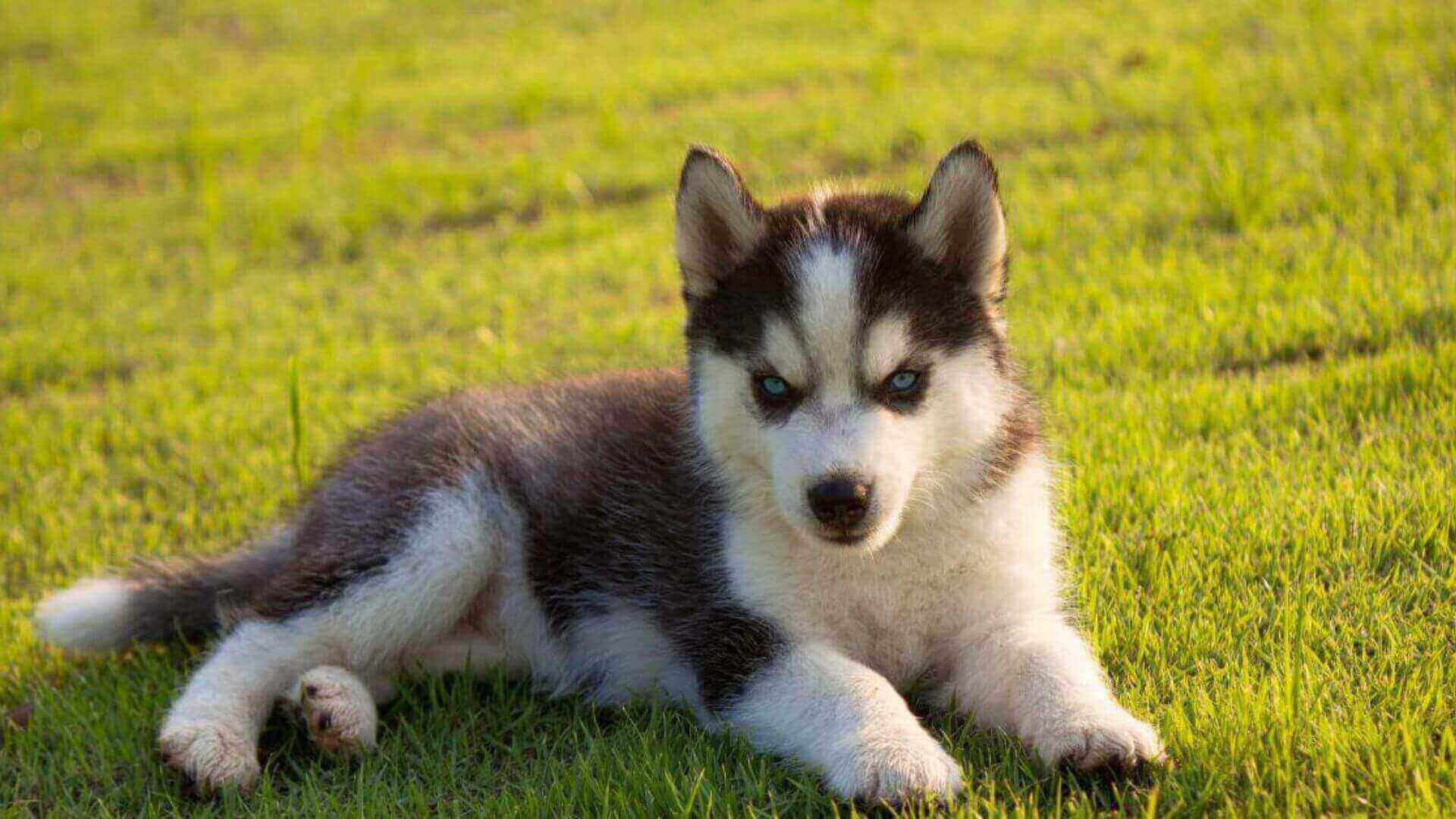
Browse the Huskies listed on Petmeetly, then check the parents' hip and eye clearances and the seller's identity before you pay.
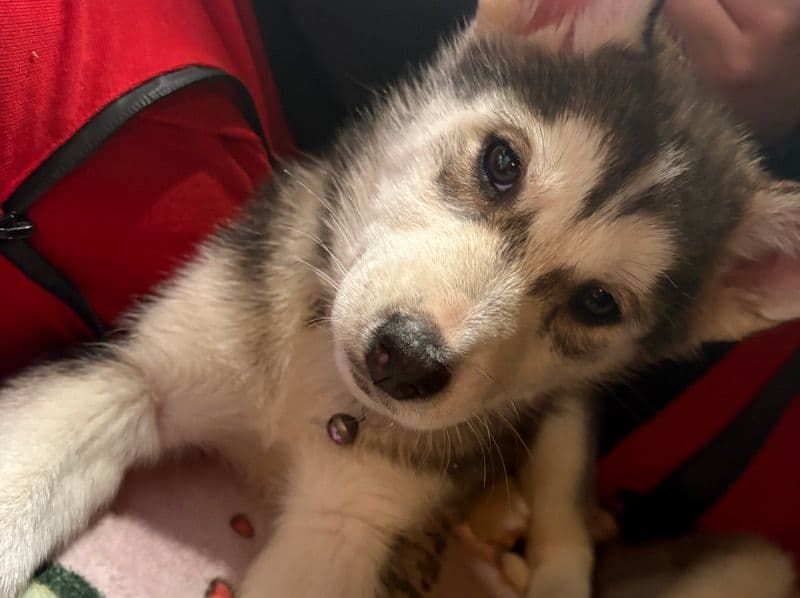
Siberian Husky

Siberian Husky
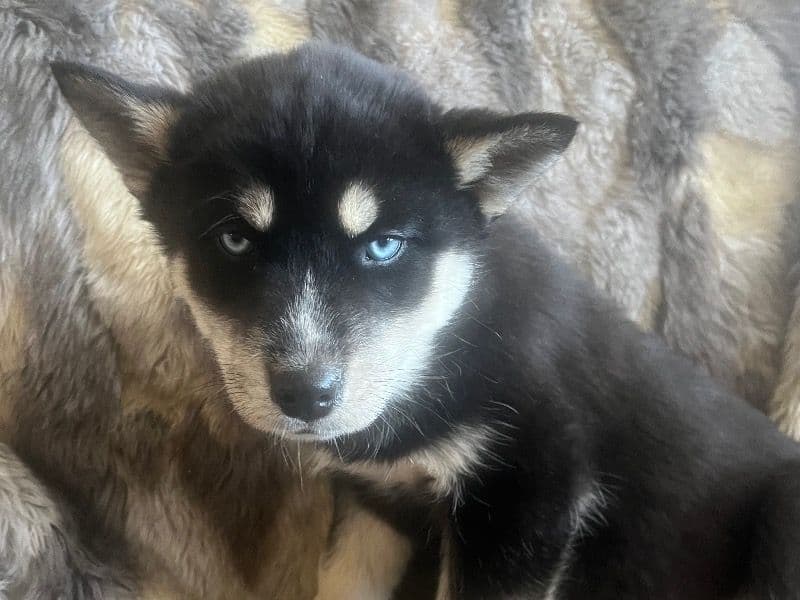
Siberian Husky
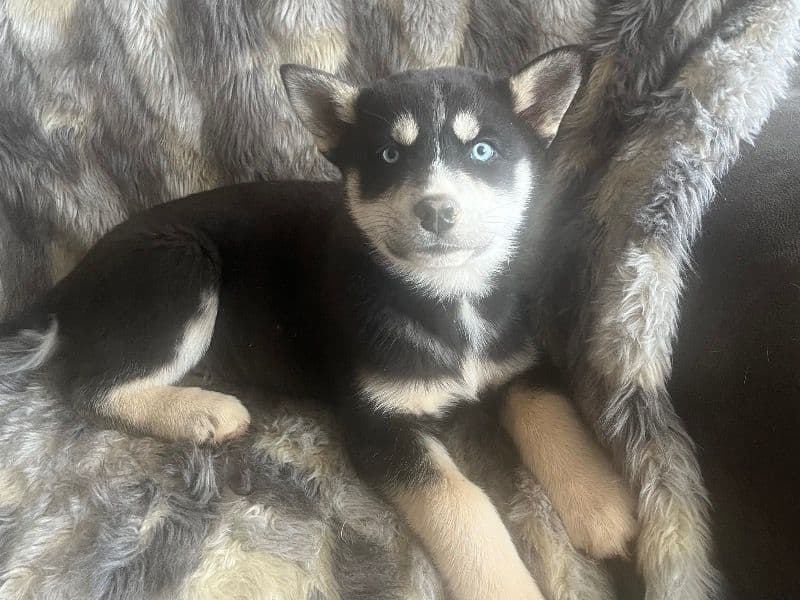
Siberian Husky

Siberian Husky
Siberian Husky
Siberian Husky
Siberian Husky
The Siberian Husky may be the most beautiful dog you will ever meet, and one of the most demanding. The single most important thing to get right is an honest one: does this working sled dog actually fit your life?
This guide starts there, then covers the eyes and colors, the health, and a fair price. Read it before you send anyone a deposit.
Scroll the listings and you will find more than puppies. Next to breeder litters sit adult dogs, Husky mixes, and dogs whose owners could not keep up with the exercise. For this breed an adult is often the wiser buy, because you can see how the grown dog handles a leash, a fence, and other pets.
Short answer
The Siberian Husky is a stunning dog and a demanding one. It was bred to pull sleds for miles, so it needs hours of exercise and escapes yards that hold other breeds. It also has a strong prey drive, howls more than it barks, and will greet a burglar like a friend. It rewards an active, experienced home and frustrates a passive one.
A working sled dog. It needs hours of hard exercise a day and a job, or it turns destructive.
It digs under, climbs over, and opens latches, so it needs secure, dig-proof fencing and should rarely be off-leash.
A strong prey drive means it is often unsafe with cats and small pets, and its recall is unreliable.
It howls and "talks" more than it barks. This is not a quiet apartment dog.
It is friendly to everyone, including strangers, so do not buy one for protection.
A thick double coat "blows" twice a year and sheds all year. A strong vacuum is a must.
The wolfdog myth: a Siberian Husky is not part wolf. It is an ancient Spitz breed bred to live and work with people. A seller pushing a "wolf husky," "agouti wolf," or "high-content" dog at a premium is a red flag. Agouti is just a normal Husky color, and real wolfdogs carry legal and behavior problems.
None of this means the breed is bad. It means the AKC's own advice is to match a Husky to an active, attentive home. Give it a job and a fence, and it is a joyful, friendly companion. Leave it bored and loose, and it becomes a runaway.

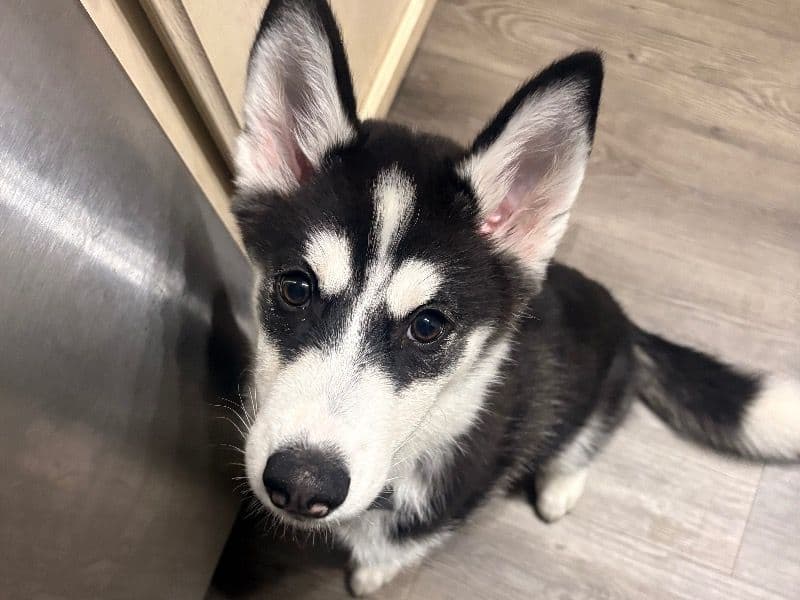
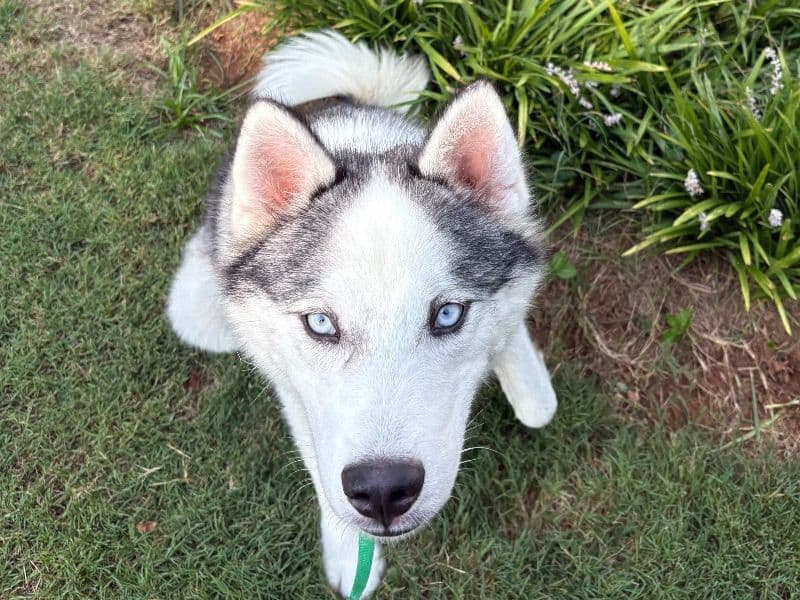
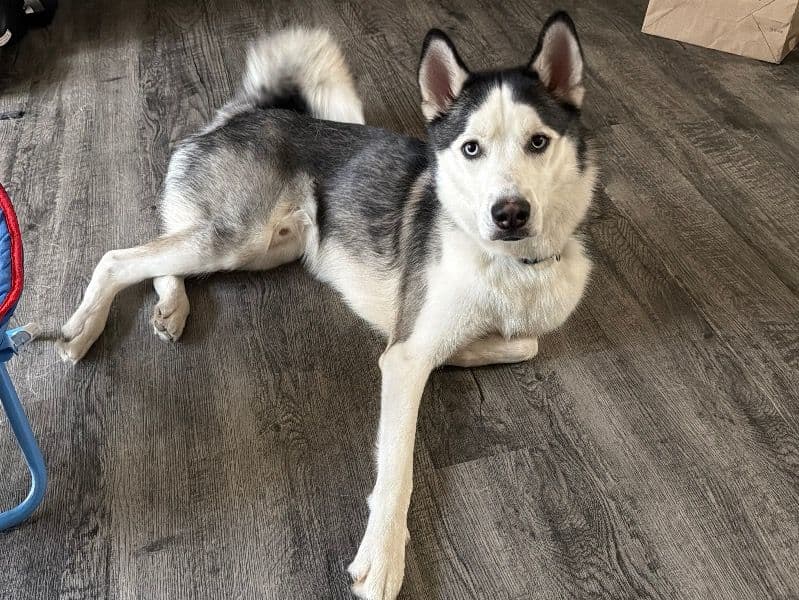
Common and harmless; from a gene unrelated to coat color.

Brown or amber, just as standard as blue.

One blue and one brown (heterochromia). Normal, not a defect.
Here is the part most buyers get wrong. In a Siberian Husky, a blue eye comes from a gene unrelated to coat color. So it carries none of the deafness or blindness risk that blue eyes can signal in merle dogs. A blue-eyed Husky is not rarer, healthier, or worth more.
The breed standard allows every color from black to pure white. Two patterns, merle and brindle, are disqualified, so a "merle Husky" is mismarked, mixed, or misrepresented. And a "rare" color like pure white or all-black is cosmetic, so a big premium for it is a warning sign, not a sign of quality.
Short answer
Typical asking prices for a health-tested Husky puppy from a breeder in the US run $800 to $2,000, higher in pricey metros. Show lines or "rare" colors run more, but that premium is cosmetic, not a health upgrade. A price far under that range is a prompt to ask for the parents' hip result and a current eye exam.
That is a typical asking price for a health-tested puppy from a breeder in the US, and it is an estimate, since the AKC and breed clubs do not publish prices. It covers the parents' health tests, vet care, and early socialization.
Adult Huskies, Husky mixes, and owner rehomes sell for less, and that lower price is honest, because nobody paid to raise a litter. For a wider view of what your money buys, read how to find a quality puppy within your budget.
Short answer
Most puppy scams start with a too-good price and a push to pay by Zelle, Cash App, wire transfer, gift card, or crypto. The FBI's Internet Crime Complaint Center logged about 2,600 puppy-scam reports and $5.6 million in losses in just the first nine months of 2024. Insist on a live video call with the puppy and its mother, and never send money you cannot get back.
The FBI's scam figures and the FTC's pet-scam advice point the same way: pay only with a method you can dispute. For more ways to spot a fake seller, read our guide on how to avoid puppy scams.
Short answer
The Siberian Husky is a hardy breed with a 12-to-14-year life, and its main health concern is the eyes. The breed parent club flags three: hereditary or juvenile cataracts, corneal dystrophy, and progressive retinal atrophy (PRA, a gradual blindness). Hips are a smaller risk than in many big breeds, but good breeders still test them.
Because the eyes carry the main risk, a current eye exam on both parents is the check that matters most, which is why the Siberian Husky Club of America puts it front and center. A smaller skin issue, zinc-responsive dermatosis, can cause crusting around the face and is helped by zinc, so ask your vet if you see it.
A good breeder will ask you as many questions as you ask them. Here is what to ask for and verify.
The Siberian Husky Club of America and the OFA CHIC program ask for a hip evaluation and a current annual eye exam by an ophthalmologist. The eye certificate expires after 12 months, so it must be recent. The club also recommends DNA tests for two inherited nerve conditions.
Meet the mother on-site, look at temperament and living conditions, and get a written contract with a health guarantee and a return clause, plus the registration papers.
The one check most buyers skip
Look both parents up yourself on the free OFA (Orthopedic Foundation for Animals) database at ofa.org using their registered names. A CHIC number means the tests were done and published, not that the dog passed, so read the actual results.
Short answer
The real cost of a Husky is not the purchase price; it is the time and the containment. Budget for daily exercise, a strong vacuum, and secure, dig-proof fencing, which is often the biggest one-time cost. Food and routine vet care are about average for a medium dog.
The biggest hidden cost is exercise. A Husky that gets enough running and enrichment is a delight; one that does not becomes a destructive, escaping headache.
Petmeetly connects you directly with people listing Huskies, with no broker in the middle. When sellers have Siberian Huskies posted, their listings appear at the top of this page. Open to an adult dog instead of a puppy? Here is how to adopt a Siberian Husky.
Husky buyers here are told to check records and exercise needs first, so answer both in the listing.
Sources
Get answers to common questions about buying Siberian Huskys responsibly
Often not. It is an endurance sled dog that needs hours of exercise, escapes secure-looking yards, has a strong prey drive, and is hard to train for beginners. It suits an active, experienced owner with solid fencing, not someone who is away all day or wants easy obedience.
No. The Siberian Husky is an ancient Spitz breed bred to live and work with people, not a wolf hybrid. Treat "wolf husky," "agouti wolf," or "high-content" labels, and the premium prices that come with them, as a red flag. Agouti is just a normal Husky coat color.
No. In Siberian Huskies, blue eyes come from a gene unrelated to coat color, and they carry no extra risk of deafness or blindness, unlike merle dogs in some other breeds. Blue, brown, amber, or one of each is all normal, and none should cost more than another.
A hip evaluation (OFA or PennHIP) and a current annual eye exam by a veterinary ophthalmologist, since the breed's main risks are eye diseases. Verify both parents on OFA.org by name, and check the eye exam is within the last year, because the certificate expires after 12 months.
Typical asking prices for a health-tested Siberian Husky puppy from a breeder in the US run $800 to $2,000, higher in pricey metros. Show lines or "rare" colors run more, but that premium is cosmetic, not a health upgrade. A price far under that range is a prompt to ask for the parents' OFA or PennHIP hip result and an eye exam dated within the last year, then check both dogs on ofa.org. Adult Huskies, Husky mixes, and owner rehomes usually cost less for honest reasons, so judge those listings on the dog and the records.
Discover puppies and dogs for sale from various breeds and find your perfect companion
Browse Huskies listed on Petmeetly, then use the reality check, eye, color, and health checks above before you pay.
No card required to sign up.