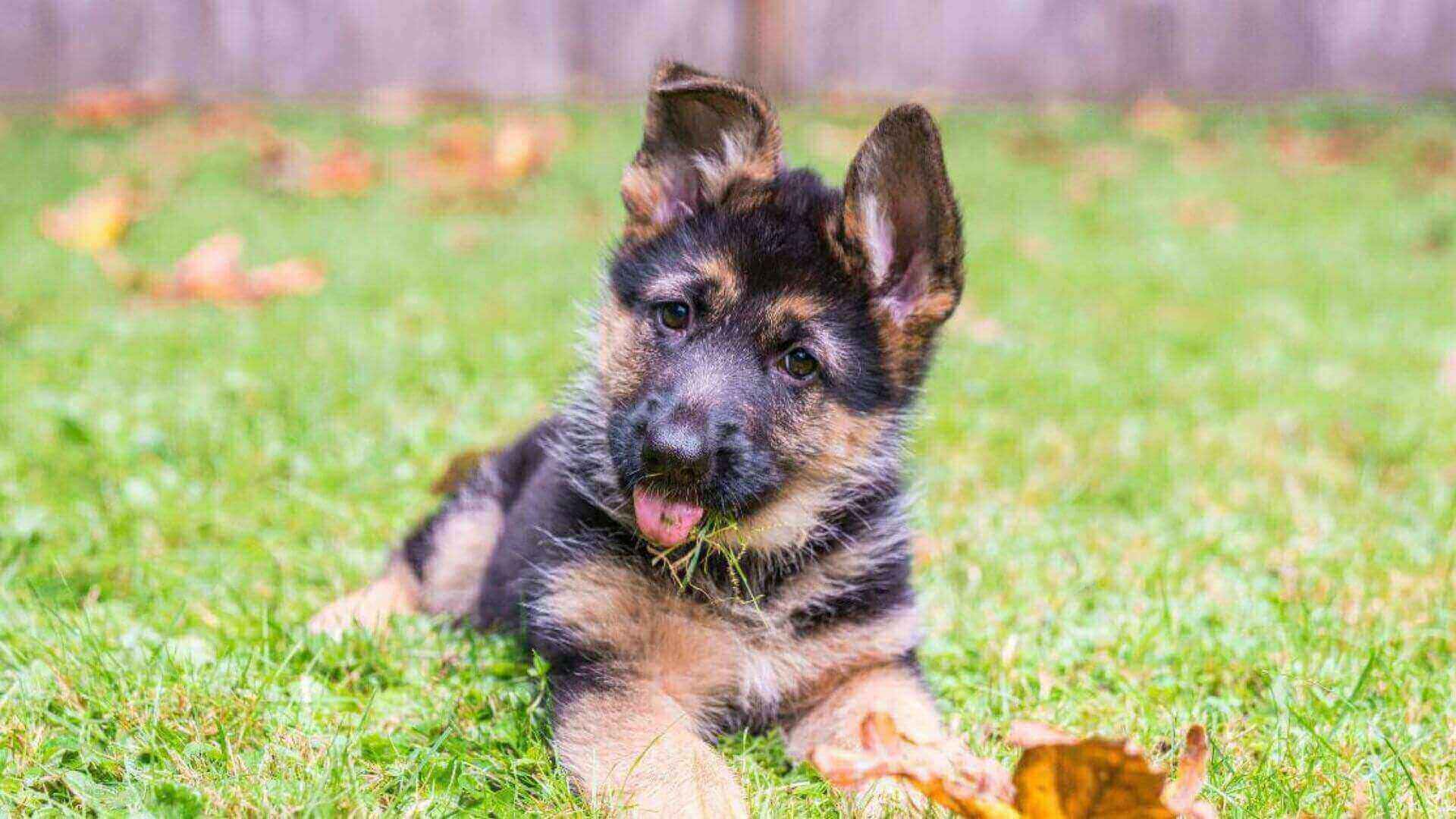
Browse the Shepherds listed on Petmeetly, then check the parents' OFA hip and elbow grades and the seller's identity before you pay.
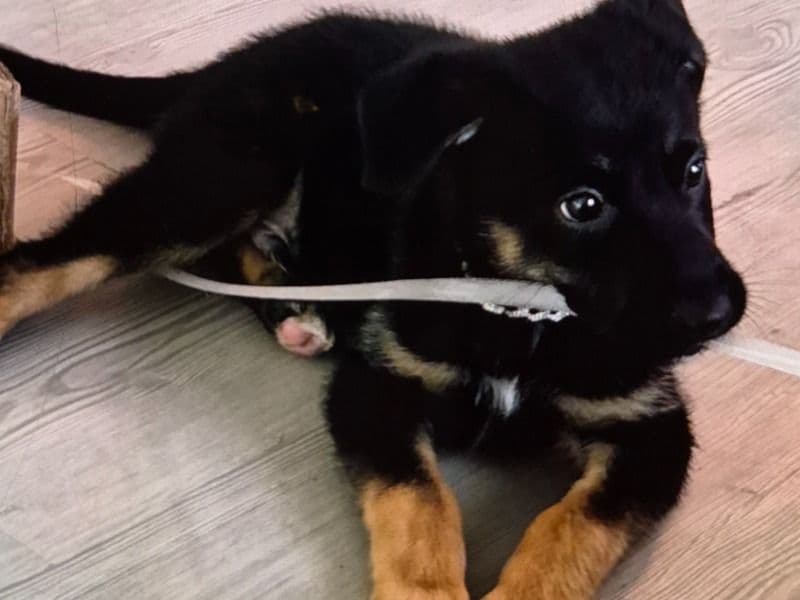
German Shepherd mix
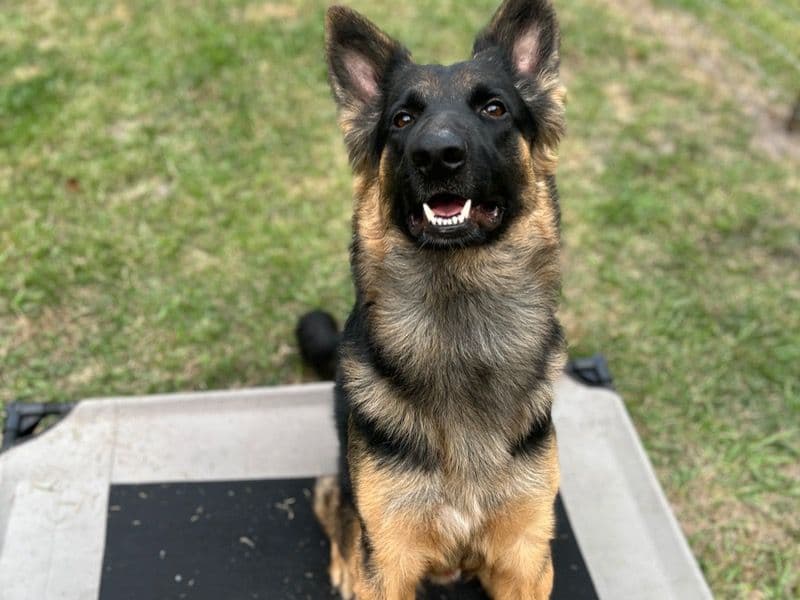
German Shepherd

German Shepherd

German Shepherd
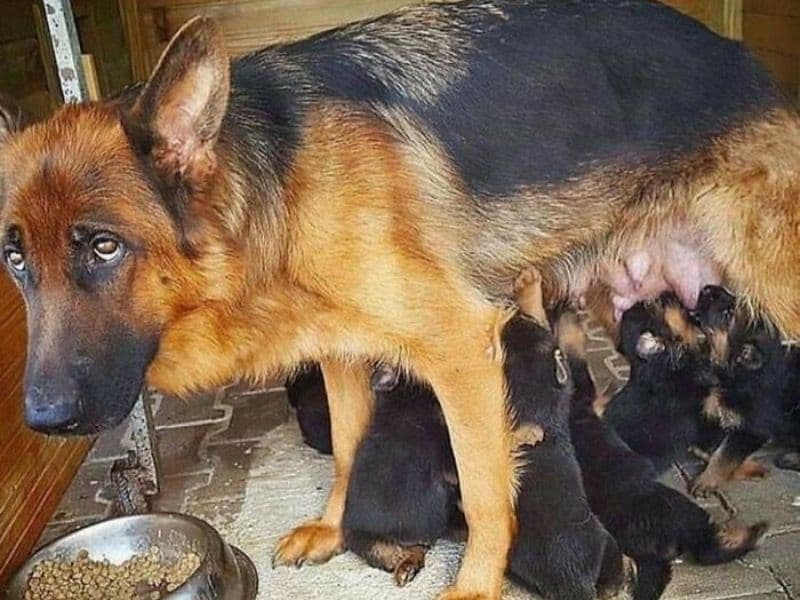
German Shepherd
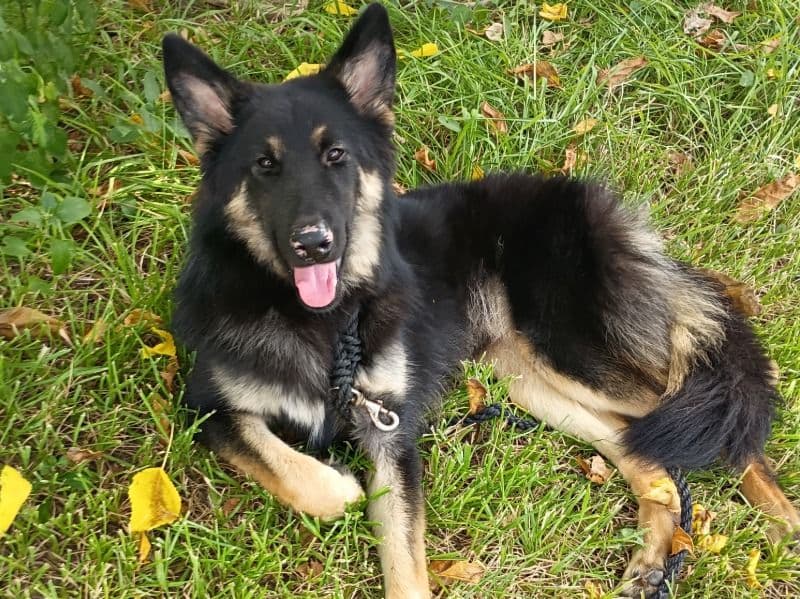
German Shepherd
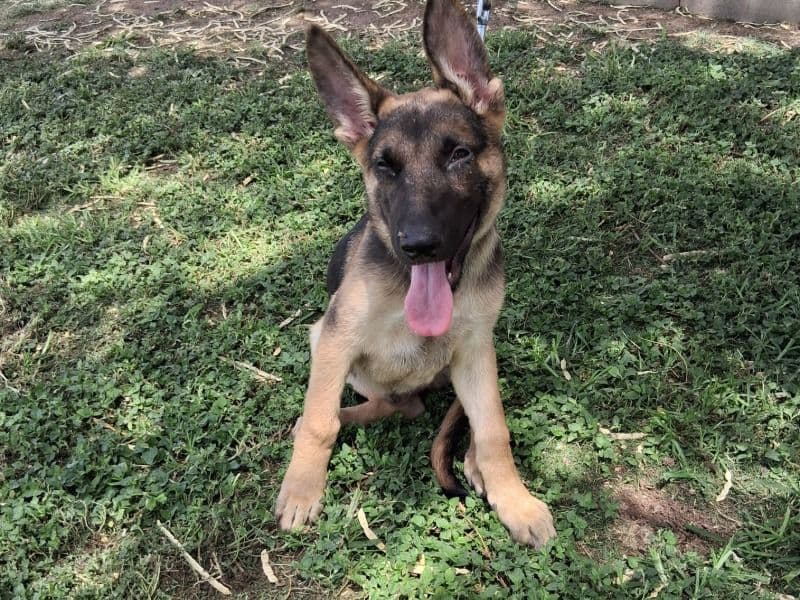
German Shepherd
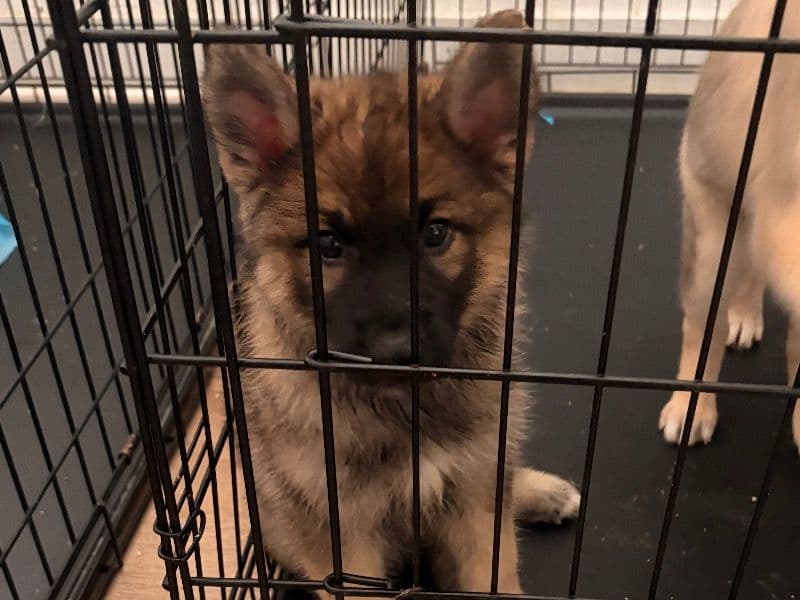
German Shepherd mix
A German Shepherd is a smart, loyal, powerful working dog, and buying one well takes a little homework. The three things to get right are a fair price, the right line for your home, and a sound, healthy structure.
This guide covers all three, plus the breed's real health and cost. Read it before you send anyone a deposit.
Shepherd listings here go wider than litters. You will also see grown dogs, GSD mixes, and dogs whose owners can no longer keep them. A two-year-old Shepherd is often the smarter buy, because you pay less and you can already see how much drive and confidence the dog has.
Short answer
Typical asking prices for a health-tested German Shepherd puppy from a breeder in the US run $800 to $1,500. Working-line or show-line puppies, whose parents have health tests, titles, or proven work, run about $2,000 to $3,500, and champion or imported German lines go higher. A price far under that range is a prompt to ask for the parents' OFA hip and elbow grades and their DM (SOD1) DNA result.
Typical asking prices for a health-tested puppy from a breeder (US)
Bred for temperament and companionship, the typical family choice.
You pay for proven structure, drive, health tests, and titles.
Ask for the parents' OFA hip and elbow grades and their DM (SOD1) DNA result, then look both dogs up on ofa.org before you go further.
Those tiers describe a puppy from a breeder. Adult Shepherds, GSD mixes, and owner rehomes sell for less, and that lower price is honest, because nobody paid to raise a litter.
The ranges are estimates drawn from US cost guides. For a wider view of what your money buys, read how to find a quality puppy within your budget.
Short answer
German Shepherds come in working lines and show lines, and the difference matters for both health and lifestyle. Working lines have a straighter, more level back and high drive, bred to work. Some show lines have an extreme sloped back and over-angled rear legs, sometimes called a "roach back," which is criticized for hurting movement. Pick a dog with a sound, more level back, and match the line to your home.
Within the working lines, the West German working line is known as the most balanced, the DDR (East German) line as sturdy and heavy-boned, and the Czech line as the highest-drive. Show lines split into the West German show line and the American show line.
The extreme sloped back is not required by the breed standard and was not part of the original dog. A straighter back and clean, easy movement are the healthier choice. A high-drive working dog is a lot for a quiet household, so a calmer show or pet line usually suits a typical active family better.
Short answer
Most puppy scams start with a too-good price and a push to pay by Zelle, Cash App, wire transfer, gift card, or crypto. The FBI's Internet Crime Complaint Center logged about 2,600 puppy-scam reports and $5.6 million in losses in just the first nine months of 2024. Insist on a live video call with the puppy and its mother, and never send money you cannot get back.
The FBI's scam figures and the FTC's pet-scam advice point the same way: pay only with a method you can dispute. For more ways to spot a fake seller, read our guide on how to avoid puppy scams.
Short answer
German Shepherds are a big, deep-chested working breed, so their main health risks are different from a flat-faced dog. About 1 in 5 have hip dysplasia and a similar share have elbow dysplasia, per OFA data. They are also prone to degenerative myelopathy (DM, a progressive spinal-cord disease) and to bloat (GDV), a life-threatening twisted-stomach emergency. Good breeding and a few simple steps lower these risks a lot.
Bloat is the emergency to know. The stomach fills with gas and can twist, and it can kill within hours. Learn the warning signs (a swollen belly, retching with nothing coming up, restlessness) and act fast.
Hips and elbows are the most important checks, which is why the parents' OFA scores matter so much. For degenerative myelopathy, a DNA test for the SOD1 gene shows a dog's risk, though it is a guide, not a guarantee.
You can lower the bloat risk with a planned stomach-tacking surgery (gastropexy), often done at the neuter, which cuts the risk by over 90%. Some Shepherds also get EPI (exocrine pancreatic insufficiency), where the gut cannot digest food well, causing weight loss despite a big appetite.
A good breeder welcomes your questions. Here is what to see, get in writing, and verify.
Meet both parents on-site, and look at their structure and temperament. They should move soundly and be confident, not fearful or aggressive.
Ask for a written contract with a health guarantee and a return clause, plus the registration papers.
The German Shepherd Dog Club of America asks for OFA hip and elbow evaluations and a temperament test to earn a CHIC number, and the best breeders add cardiac, thyroid, and the DM (SOD1) DNA test. For an imported German dog, look for the SV "a-stamp" (hip approval) and a breed survey, which add checks AKC papers do not require.
The one check most buyers skip
Look both parents up yourself on the free OFA (Orthopedic Foundation for Animals) database at ofa.org using their registered names. A CHIC number means the tests were done and published, not that the dog passed, so read the actual hip and elbow grades.
The standard colors are black-and-tan, sable, solid black, and bicolor. White is a disqualification in the breed standard, blue and liver are faults, and "panda" is a color novelty. None of these are health upgrades, so a coat color should never raise the price.
Short answer
A German Shepherd is a big, active dog, so the food, training, and vet budget all run higher than a small breed. The breed's hip, spine, and bloat risks make pet insurance well worth it, and many owners add a planned stomach-tacking at the neuter to lower the bloat risk. Plan for real daily exercise and training too, because a bored Shepherd is an expensive, destructive one.
The biggest hidden cost is time. A Shepherd that gets enough exercise, training, and a job is a wonderful dog; one that does not becomes a behavior and vet problem.
Petmeetly connects you directly with people listing Shepherds, with no broker in the middle. When sellers have German Shepherds posted, their listings appear at the top of this page. Open to an adult dog instead of a puppy? Here is how to adopt a German Shepherd.
Shepherd buyers on this page are told to ask for records, so gather yours before you write the listing.
Sources
Get answers to common questions about buying German Shepherds responsibly
Typical asking prices for a health-tested German Shepherd puppy from a breeder in the US run $800 to $1,500. Working-line or show-line puppies, whose parents have health tests, titles, or proven work, run about $2,000 to $3,500, and champion or imported German lines go higher. A price far under that range is a prompt to ask for the parents' OFA hip and elbow grades and their DM (SOD1) DNA result, then look both dogs up on ofa.org. Adult Shepherds, GSD mixes, and owner rehomes usually cost less for honest reasons, so judge those listings on the dog and the records.
Working lines are bred to work, with a straighter, more level back and high drive that needs a real outlet. Show lines are bred for the ring, and some have an extreme sloped back and angled rear legs (a "roach back") that is criticized on welfare and movement grounds. Pick a dog with a sound, more level back, and match the line's energy to your home, because a high-drive working dog is a lot for a quiet household.
Look for OFA hip and elbow evaluations and a temperament test, which together earn a CHIC number, and ideally cardiac, thyroid, and the DM (SOD1) DNA test as well. Verify the parents’ results yourself on the free OFA database at ofa.org. A CHIC number means the tests were done and published, not that the dog passed, so read the actual hip and elbow grades.
About 1 in 5 German Shepherds have hip dysplasia and a similar share have elbow dysplasia, per OFA data. The breed is also prone to degenerative myelopathy (DM, a progressive spinal-cord disease), to bloat (GDV), a life-threatening twisted-stomach emergency, and to EPI, a digestive disease. Ask your vet about a preventive stomach-tacking surgery to lower bloat risk, and learn the bloat warning signs.
No. White is a disqualification in the breed standard, blue and liver are faults, and "panda" is a color novelty, not a health upgrade. Color should never raise the price of a German Shepherd. What matters is sound structure, a stable temperament, and the parents’ health tests, so do not pay a premium for a coat.
Discover puppies and dogs for sale from various breeds and find your perfect companion
Browse Shepherds listed on Petmeetly, then use the price, line, and health checks above before you pay.
No card required to sign up.