
Browse the French Bulldogs listed on Petmeetly, then check the parents' breathing-test grade and the seller's identity before you pay.
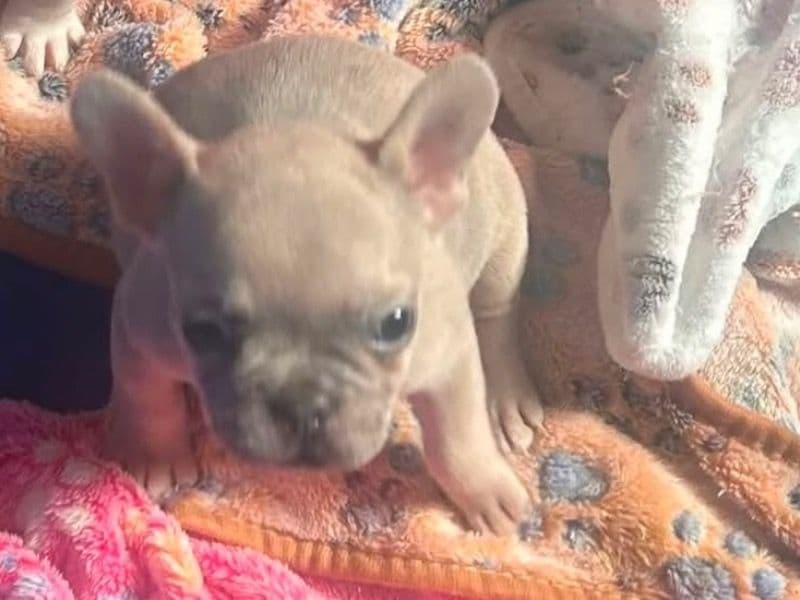
French Bulldog
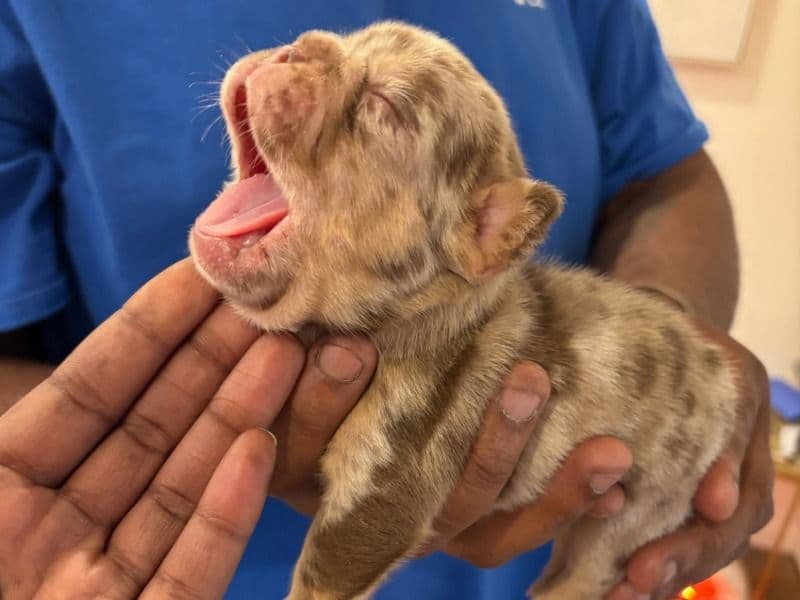
French Bulldog
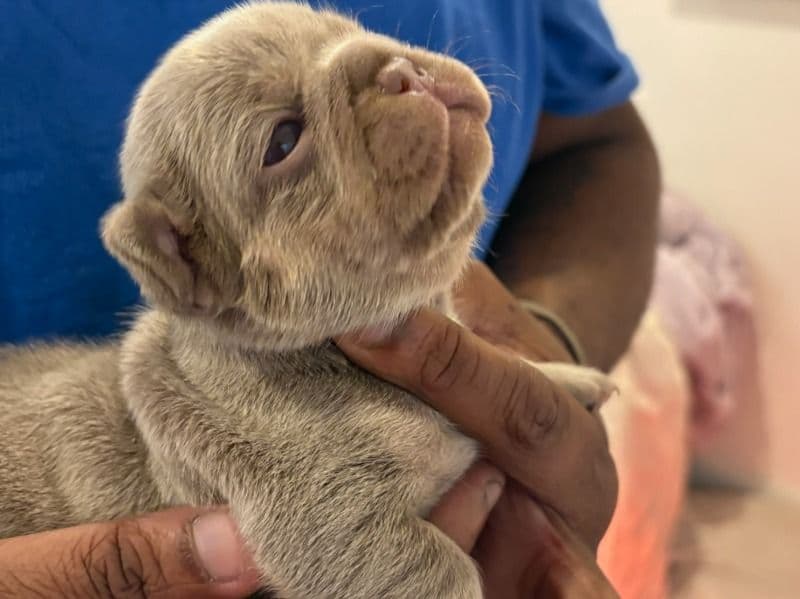
French Bulldog

French Bulldog

French Bulldog

French Bulldog

French Bulldog

French Bulldog
French Bulldogs are the most popular breed in America, and that demand has created a market full of traps. The three things to get right are a fair price, a standard color, and a puppy that can actually breathe.
This guide covers all three, plus the breed's real health and cost. Read it before you send anyone a deposit.
Frenchie listings cover more than new litters. You will also find grown Frenchies, French Bulldog mixes, and dogs whose owners need to rehome them. An adult often suits a first-time Frenchie home better. You pay less, and you can watch the dog breathe and move before you decide.
Short answer
Typical asking prices for a health-tested, standard-color French Bulldog puppy from a breeder in the US run $2,000 to $4,500, and show or champion lines can reach about $8,000. Frenchies cost more than most breeds for real reasons: most are bred by artificial insemination, born by C-section, and come from health-tested parents. A price far under that range is a prompt to ask for the parents' breathing-test (RFG) grade and their OFA hip, patella, eye, and heart results.
Typical asking prices for a health-tested puppy from a breeder (US)
The typical, best-value choice for a family pet, in a standard color.
You pay more for proven parents with full clearances and a strong pedigree.
A non-standard color sold as exotic. Ask why the parents were bred away from the standard, and ask for a BAER hearing test on any merle puppy.
Those tiers describe a puppy from a breeder. Adult Frenchies, French Bulldog mixes, and owner rehomes sell for less, and that lower price is honest, because nobody paid to raise a litter.
The ranges are estimates drawn from a US French Bulldog cost guide. For a wider view of what your money buys, read how to find a quality puppy within your budget.
Short answer
Blue, lilac, isabella, merle, and "fluffy" (long-haired) French Bulldogs are marketed as rare and exotic. But they are not standard colors, and the premium hides real health risks. Merle breeding raises the risk of deafness and eye defects, and the dilute coats behind blue and lilac are linked to a hereditary skin disease called color dilution alopecia. The standard colors are brindle, fawn, cream, white, and pied.
Standard colors
Marketed as "rare," but a red flag
The breed standard lists the accepted colors, and treats blue, merle, and similar as disqualifications. Merle is not native to the breed, and breeding two merles together can produce puppies with serious deafness and eye defects.
Blue and lilac come from a dilute gene tied to color dilution alopecia, a skin and coat disease with no cure. A "rare color" premium means a breeder is selling away from the standard and away from health.
Short answer
Most puppy scams start with a too-good price and a push to pay by Zelle, Cash App, wire transfer, gift card, or crypto. The FBI's Internet Crime Complaint Center logged about 2,600 puppy-scam reports and $5.6 million in losses in just the first nine months of 2024. Insist on a live video call with the puppy and its mother, and never send money you cannot get back.
The FBI's scam figures and the FTC's pet-scam advice point the same way: pay only with a method you can dispute. For more ways to spot a fake seller, read our guide on how to avoid puppy scams.
Short answer
The Frenchie's flat face crowds its airway, so many struggle to breathe. The problem is called BOAS (brachycephalic obstructive airway syndrome, breathing trouble caused by the flat face). A large UK study found Frenchies were about 31 times more likely than other dogs to have it, and about 42 times more likely to have narrowed nostrils. A Frenchie with a visible muzzle and open nostrils breathes far better, so moderate beats extreme.
The flat face is only part of the story. French Bulldogs also have the highest risk of IVDD (intervertebral disc disease, a painful spinal disc problem) among purebred dogs, often by about 4 to 5 years. Cherry eye, corneal ulcers, and skin allergies and fold infections are common too.
On lifespan, the AKC lists 10 to 12 years for a healthy dog. A large UK study, though, found a much lower figure for the breed as a whole, an expected lifespan of about 4.5 years. Breathing, spine, and birth problems pull the average down, which is why a moderate, health-tested Frenchie matters so much.
A good breeder welcomes your questions. This breed needs careful screening, so here is what to see, get in writing, and verify.
Meet both parents on-site, and listen to them breathe. Quiet, easy breathing and a visible muzzle are good signs.
Ask for a written contract with a health guarantee and a return clause, plus the registration papers.
The French Bull Dog Club of America asks for hip and patella (kneecap) checks, an eye exam, and a heart exam, plus DNA tests and a breathing-test (RFG) grade. One honest caveat: the breed's biggest problems (breathing, spine, allergies) have no DNA test, so a clean panel is necessary but not enough. For a merle or mostly-white puppy, also ask for a BAER hearing test.
The one check most buyers skip
Look both parents up yourself on the free OFA (Orthopedic Foundation for Animals) database at ofa.org using their registered names. A CHIC number means the tests were done and published, not that the dog passed, so read the actual results.
Short answer
Plan for one of the highest vet budgets of any small dog. Breathing surgery can run a few thousand dollars, spine (IVDD) surgery is four figures, and skin and eye problems are common and ongoing. Pet insurance is strongly worth it for this breed, ideally bought before any condition appears. Keeping your Frenchie lean and cool lowers the risk.
These high costs are a big reason so many Frenchies end up needing new homes, so go in with eyes open and a plan for insurance.
Petmeetly connects you directly with people listing Frenchies, with no broker in the middle. When sellers have French Bulldogs posted, their listings appear at the top of this page. Open to an adult dog instead of a puppy? Here is how to adopt a French Bulldog.
Frenchie buyers arrive asking for paperwork, so have it ready before you list.
Sources
Get answers to common questions about buying French Bulldogs responsibly
Typical asking prices for a health-tested, standard-color French Bulldog puppy from a breeder in the US run $2,000 to $4,500, and show or champion lines can reach about $8,000. A price far under that range is a prompt to ask for the parents' breathing-test (RFG) grade and their OFA hip, patella, eye, and heart results, then look those up on ofa.org. Blue, lilac, merle, and "fluffy" Frenchies are sold for $5,000 to $20,000 or more, and that premium buys a non-standard color rather than a healthier dog. Adult Frenchies, Frenchie mixes, and owner rehomes usually cost less for honest reasons, so judge those listings on the dog and the records.
None of them are standard French Bulldog colors. Merle breeding raises the risk of deafness and eye defects, and the dilute coats behind blue and lilac are linked to a hereditary skin disease called color dilution alopecia. "Fluffy" is a long-haired version that is often crossbred in. A breeder charging a premium for these is breeding away from health, so the standard colors (brindle, fawn, cream, white, and pied) are the safer choice.
BOAS (brachycephalic obstructive airway syndrome) is breathing trouble caused by the flat face. A large UK study found Frenchies were about 31 times more likely than other dogs to have it. Among purebred dogs, it also has the highest risk of IVDD, a painful spinal disc problem. Choose a Frenchie with a visible muzzle and open nostrils, and ask for the parents’ breathing-test grade.
The French Bull Dog Club of America asks for hip and patella (kneecap) checks, an eye exam, and a heart exam, plus DNA tests and a breathing-test (RFG) grade. Verify the results yourself on the free OFA database at ofa.org, and remember a CHIC number means the tests were done, not that the dog passed. Most of the breed’s biggest problems have no DNA test, so a clean panel is necessary but not enough.
Yes, among the most of any small dog. In the US, breathing surgery can run a few thousand dollars, spine (IVDD) surgery is four figures, and skin and eye problems are common and ongoing. Pet insurance is strongly worth it for this breed, ideally bought before any condition appears, and the breed’s documented lifespan is short.
Discover puppies and dogs for sale from various breeds and find your perfect companion
Browse Frenchies listed on Petmeetly, then use the price, color, and health checks above before you pay.
No card required to sign up.