
Browse the Rottweilers listed on Petmeetly, then check your local breed rules, the parents' JLPP and OFA results, and the seller's identity before you pay.
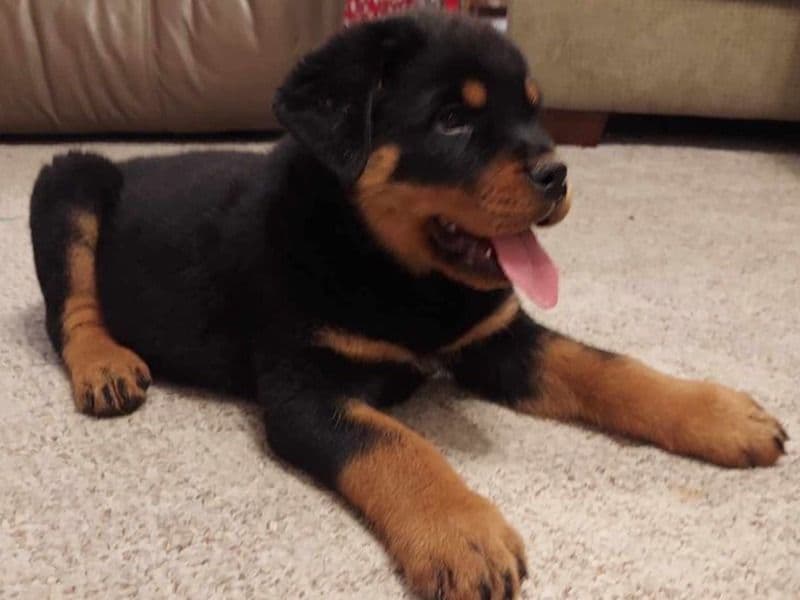
Rottweiler

Rottweiler
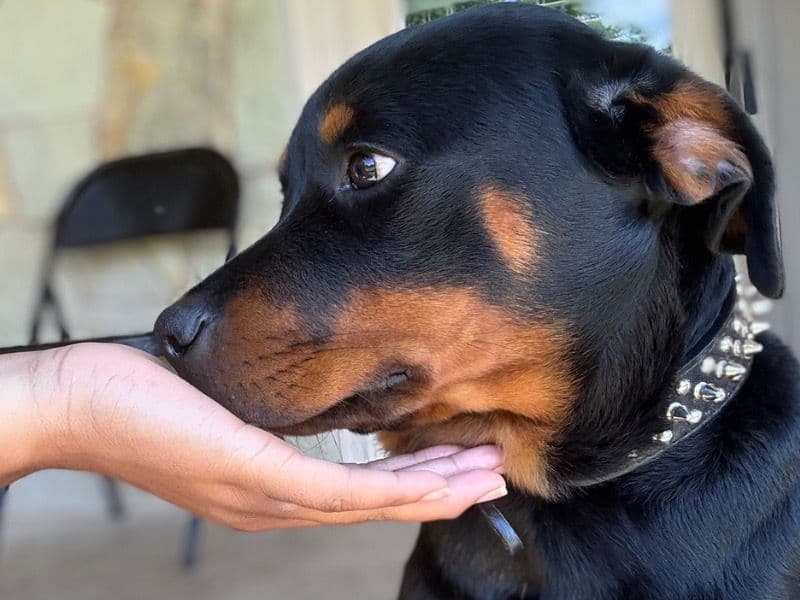
Rottweiler
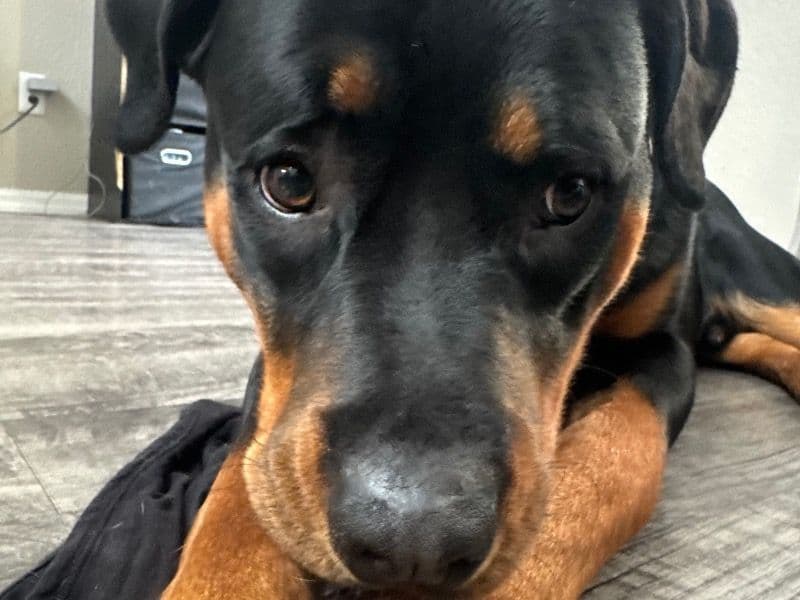
Rottweiler

Rottweiler
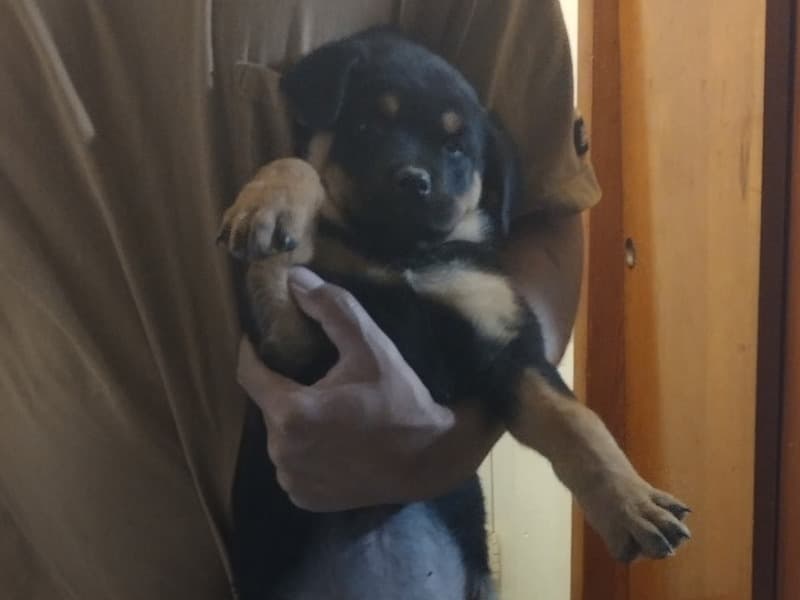
Rottweiler
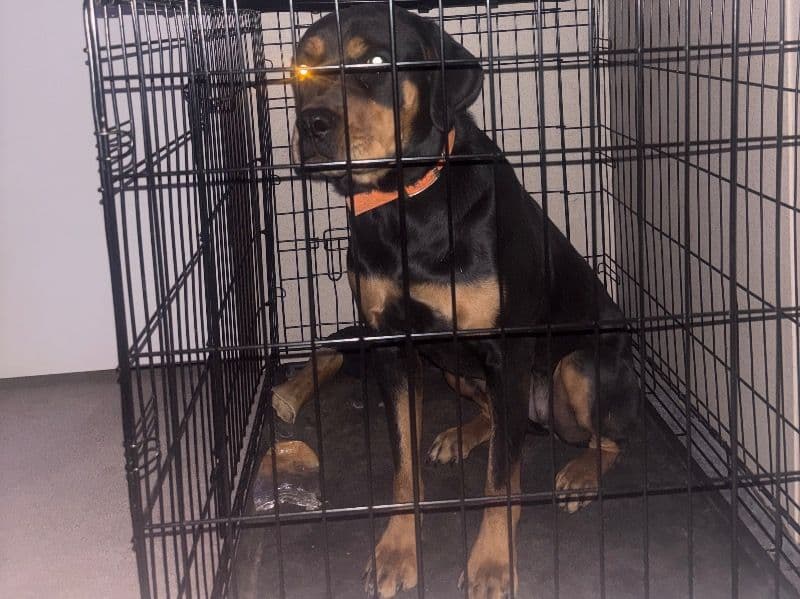
Rottweiler mix

Rottweiler mix
A Rottweiler is a powerful, loyal guardian dog, and buying one well takes a little homework. The four things to get right are a fair price, the local law and insurance, a steady temperament, and sound, health-tested parents.
This guide covers all four, plus the breed's real health and cost. Read it before you send anyone a deposit.
What you will find listed is a mix: breeder puppies, adult Rottweilers, Rottweiler crosses, and dogs whose owners have to rehome them. An adult often makes more sense here, since a grown Rottweiler shows you its temperament around people and other dogs before you commit.
Short answer
Typical asking prices for a health-tested Rottweiler puppy from a breeder in the US run $1,500 to $2,500. Show, working, or imported German lines run higher, often $2,500 to $8,000 or more for titled parents. A price far under that range is a prompt to ask for the parents' OFA hips and elbows, the cardiologist's SAS exam, and the JLPP DNA result.
Typical asking prices for a health-tested puppy from a breeder (US)
Parents have the full OFA panel; bred for sound temperament and a family home.
You pay for titled parents, proven work, and stricter ADRK testing.
Ask for the parents' OFA hips and elbows, the cardiologist's SAS exam, and the JLPP DNA result, then look both dogs up on ofa.org before you go further.
Those tiers describe a puppy from a breeder. Adult Rottweilers, Rottweiler crosses, and owner rehomes sell for less, and that lower price is honest, because nobody paid to raise a litter.
The ranges are estimates drawn from US market listings. The AKC breed overview is a good place to read up on the breed first. For a wider view of what your money buys, read how to find a quality puppy within your budget.
Short answer
The Rottweiler is a calm, confident, protective guardian, not an aggressive dog by nature. But it is powerful, so early training and socialization are essential, and the breed suits an experienced owner. There is also a legal side most buyers miss. Before you buy, check your local breed laws, your home or renters insurance, and your lease or HOA rules.
Check three things before you commit. First, your city or county breed laws, since some restrict or ban Rottweilers. Second, your home or renters insurance, since many insurers exclude or surcharge the breed. Third, your lease, HOA, or military housing rules. Sort these out first, so the dog you buy is one you can keep.
The breed standard describes a calm, confident dog with a built-in urge to guard its home and family. That instinct is normal, so the job is to teach good judgment, not to create or crush the guarding. Early socialization and steady training are not optional with this breed.
A Rottweiler is not inherently dangerous. The AVMA finds that a dog's breed poorly predicts whether it will bite, and the ASPCA opposes breed bans for the same reason. Even so, the law often treats the breed differently, so you have to plan around it.
The practical hurdle is insurance and housing. The Insurance Information Institute notes that many home and renters policies restrict or exclude certain breeds, and Rottweilers are often on that list. Many landlords ban the breed too, so confirm your insurer and your lease will allow it before you pay.
Short answer
Most puppy scams start with a too-good price and a push to pay by Zelle, Cash App, wire transfer, gift card, or crypto. The FBI's Internet Crime Complaint Center logged about 2,600 puppy-scam reports and $5.6 million in losses in just the first nine months of 2024. Insist on a live video call with the puppy and its mother, and never send money you cannot get back.
The FBI's scam figures and the FTC's pet-scam advice point the same way: pay only with a method you can dispute. For more ways to spot a fake seller, read our guide on how to avoid puppy scams.
Short answer
The Rottweiler is a big breed with a short average life of about 8 to 10 years, and cancer is the main reason. It has one of the highest rates of bone cancer (osteosarcoma) of any breed. It is also prone to hip and elbow problems, a heart defect called SAS, a fatal nerve disease called JLPP, bloat, and knee-ligament tears. Health testing and good care matter a lot here.
Bloat is the emergency to know. The stomach fills with gas and can twist, and it can kill within hours. Learn the warning signs (a swollen belly, retching with nothing coming up, restlessness) and act fast.
Bone cancer is the defining risk. A landmark study of Rottweilers put the breed among the highest for osteosarcoma, and the American Rottweiler Club lists cancer as a leading cause of death. No test prevents it, so ask the breeder about cancer and longevity in their lines.
Hips and elbows are the next checks, which is why the parents' OFA scores matter so much. SAS (subaortic stenosis, a narrowing below the heart's aortic valve) needs a cardiologist with an ultrasound to find, so a plain checkup will miss it.
JLPP (juvenile laryngeal paralysis and polyneuropathy, a fatal inherited nerve disease) is preventable with a DNA test, so at least one parent must test clear. The breed also faces bloat (GDV, a twisted-stomach emergency) and torn knee ligaments; RVC VetCompass research places Rottweilers among the breeds at highest risk of cruciate disease. Keeping the dog lean helps a lot.
A good breeder welcomes your questions. Here is what to see, get in writing, and verify.
Meet both parents on-site, and watch their structure and temperament. They should move soundly and be confident, never fearful or aggressive.
Ask for a written contract with a health guarantee and a return clause, plus the registration papers.
The American Rottweiler Club and the OFA CHIC program ask for OFA hips and elbows, a cardiac exam by a cardiologist, an eye exam, and the JLPP DNA test. At least one parent must be clear for JLPP.
The one check most buyers skip
Look both parents up yourself on the free OFA (Orthopedic Foundation for Animals) database at ofa.org using their registered names. A CHIC number means the tests were done and published, not that the dog passed, so read the actual grades.
The only standard color is black with clear rust-to-mahogany markings. A "rare" red, blue, or white Rottweiler is non-standard, often crossbred, and can carry health problems (the dilute "blue" is linked to a skin disease). None of these should raise the price, per the breed standard.
The visible difference between the lines is usually the tail: German ADRK dogs keep a natural, undocked tail, while American dogs are often docked. German is not automatically healthier, though. A US breeder who runs the full OFA panel is just as verifiable as an imported dog.
Short answer
A Rottweiler is a big dog with serious health risks, so the food, vet, and insurance bills all run high. Cancer, heart, joint, and bloat care can each run into the thousands, which makes pet insurance well worth it when you buy it before any condition appears. Factor in the breed's insurance and housing limits too, since a surcharge or a move can add real cost.
The biggest hidden cost is health. This breed's cancer, heart, and joint risks make pet insurance, bought early, well worth it. A restricted-breed surcharge can add to the bill too, so price it in before you buy.
Petmeetly connects you directly with people listing Rottweilers, with no broker in the middle. When sellers have Rottweilers posted, their listings appear at the top of this page. Open to an adult dog instead of a puppy? Here is how to adopt a Rottweiler.
Rottweiler buyers here check records and local rules before they call, so put both in the listing.
Sources
Get answers to common questions about buying Rottweilers responsibly
Typical asking prices for a health-tested Rottweiler puppy from a breeder in the US run $1,500 to $2,500. Show, working, or imported German lines run higher, often $2,500 to $8,000 or more for titled parents. A price far under that range is a prompt to ask for the parents' OFA hip and elbow grades, the cardiologist's exam for SAS, and the JLPP DNA result, then check both dogs on ofa.org. Adult Rottweilers, Rottweiler mixes, and owner rehomes usually cost less for honest reasons, so judge those listings on the dog and the records.
Check this before you buy. The Rottweiler is one of the most regulated breeds, so many home and renters insurers restrict or surcharge it, and many landlords ban it. Confirm your local breed laws, your insurer, and your lease or HOA rules first, so the dog you buy is one you can actually keep.
Look for OFA hip and elbow evaluations, a cardiac exam by a cardiologist (for the heart defect SAS), an eye exam, and the JLPP DNA test. At least one parent must be clear for JLPP. Verify the results yourself on the free OFA database at ofa.org. A CHIC number means the tests were done and published, not that the dog passed.
Bone cancer (osteosarcoma) is the big one, and the Rottweiler has one of the highest rates of any breed. The breed is also prone to hip and elbow dysplasia, the heart defect SAS, the fatal nerve disease JLPP, bloat (GDV), and knee-ligament tears. The average lifespan is about 8 to 10 years, so health-tested parents matter.
Mostly the tail and the testing system. German (ADRK) dogs keep a natural, undocked tail and face stricter breeding gates, while American Rottweilers are often docked. German is not automatically healthier, though. A US breeder who runs the full OFA panel and shows you the results is just as verifiable as an imported dog.
Discover puppies and dogs for sale from various breeds and find your perfect companion
Browse Rottweilers listed on Petmeetly, then use the price, law, and health checks above before you pay.
No card required to sign up.