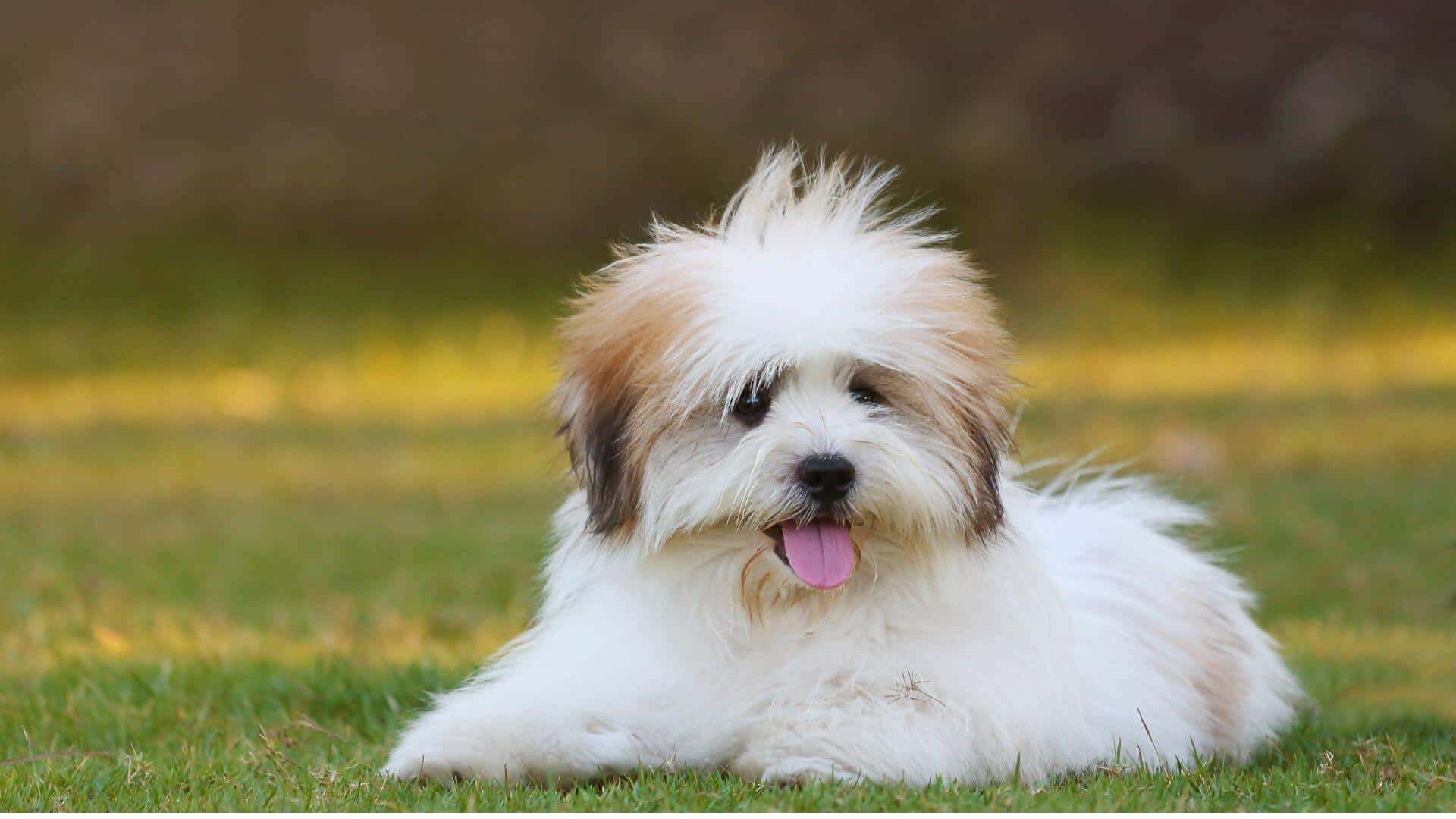
Browse the Shih Tzus listed on Petmeetly, then ask for the parents' eye (CAER) and knee certificates and check the seller's identity before you pay.
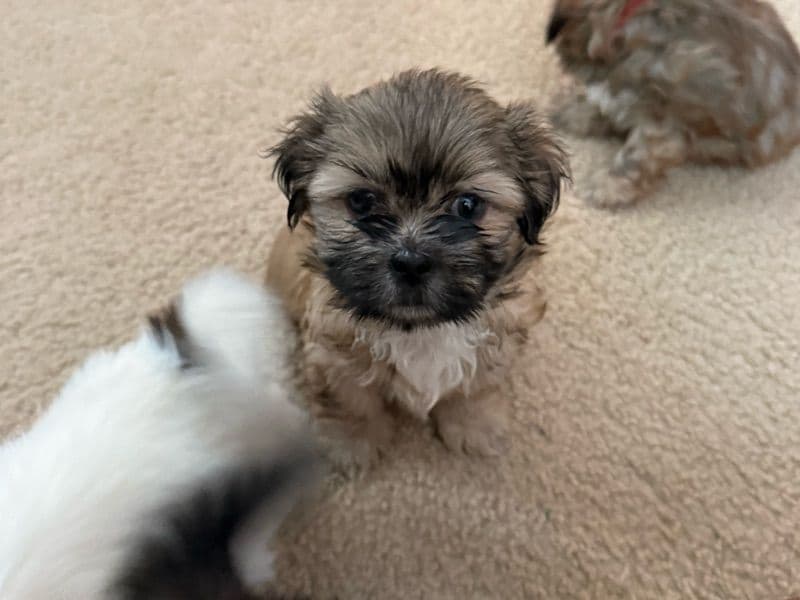
Shih Tzu

Shih Tzu

Shih Tzu

Shih Tzu

Shih Tzu
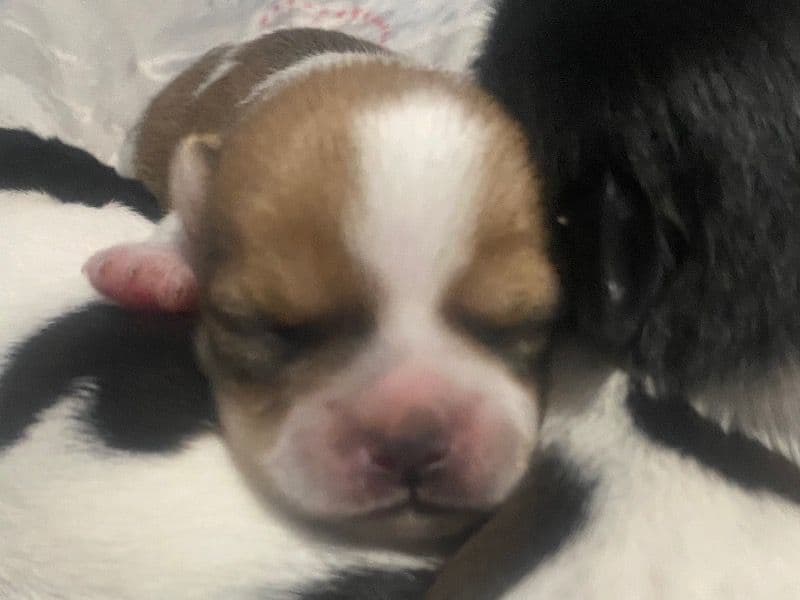
Shih Tzu mix
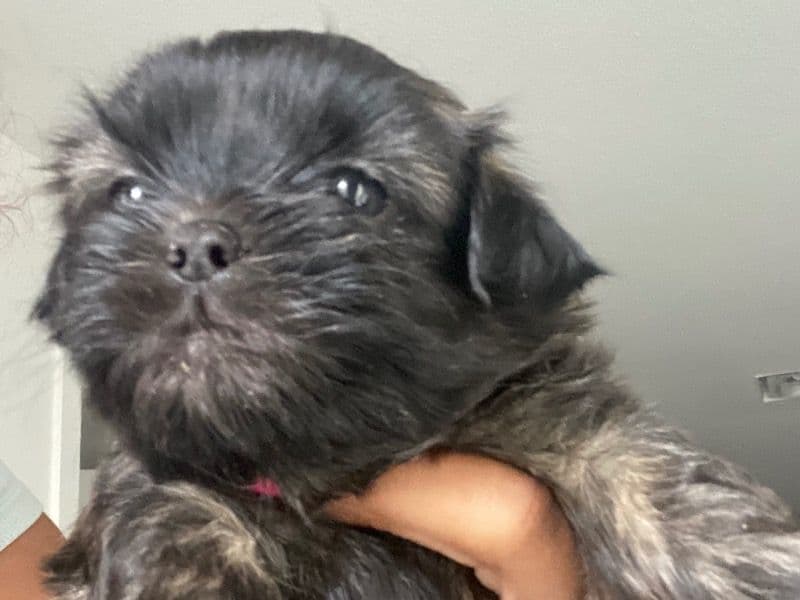
Shih Tzu

Shih Tzu
The Shih Tzu is a sweet, sturdy little companion bred to sit in laps, not to work. Buying one well comes down to two things: knowing how much its eyes and coat need, and seeing past the "imperial" and "rare color" marketing.
This guide covers the eye care, the health, the coat and the "imperial" myth, a fair price, and how to avoid a scam. Read it before you send anyone a deposit.
The listings hold more than puppies. Sellers post grown Shih Tzus, Shih Tzu crosses, and dogs whose owners need to rehome them. An adult can be the kinder buy for a first-time owner, because it costs less and a vet can look at the eyes and teeth before you decide.
Short answer
The Shih Tzu's big, round eyes sit in a shallow socket, so they are easily injured and prone to problems. Plan for daily eye care, and learn the warning signs. The most important one to know is proptosis, where a bump or rough handling can pop the eye out of its socket.
Proptosis is an emergency. If the eye comes out of its socket, keep it moist and get to a vet within minutes; waiting can cost the eye. Because the socket is so shallow, never scruff or restrain a Shih Tzu hard by the neck.
Day to day, the bigger issues are dry eye and corneal ulcers. Dry eye, where the eye does not make enough tears, is common in the breed and needs lifelong drops. Stray lashes and inward-rolling lids rub the surface and cause ulcers, so any redness, squinting, or pawing at the eye means a vet visit.
The daily routine is simple. Wipe the corners of the eyes with a damp cloth each day. Keep the hair around them trimmed or in a topknot, so it cannot scratch the surface. A little care here prevents most of the trouble.
Short answer
The Shih Tzu is a flat-faced breed, but a moderate one, so it handles heat better than a Pug or Bulldog while still needing care on hot days. Watch the teeth in that small mouth, know the signs of a kidney problem some lines carry, and expect a long life of about 12 to 13 years.
Because of the short face, a Shih Tzu can snore and overheat, so go easy on exercise in hot weather. The same small jaw crowds the teeth, which makes dental disease the breed's most common health problem, so brush the teeth and plan for cleanings.
Two more to know. Some Shih Tzu lines carry renal dysplasia, where the kidneys do not form properly and can fail young. A puppy that drinks and pees a lot needs a vet check. And like other long-backed, short-legged dogs, the breed can have slipped discs in the back, so discourage big jumps on and off the furniture.
The Shih Tzu comes in every color, and the breed standard treats them all equally, so none is rarer or worth more. Liver and blue are not rare colors; they are dilute pigments that simply turn the nose and eye rims brown or gray instead of black.
"Imperial," "teacup," "tiny," and "miniature" Shih Tzus are not a real size or type. The breed club is clear that there is no "imperial gene", and breeding for an extra-small dog can bring extra health problems. A healthy adult Shih Tzu weighs about 9 to 16 pounds, and a premium for a smaller one is a red flag.
On the coat, plan for daily brushing down to the skin, or a professional groom every few weeks if you keep a puppy cut. A matted coat is uncomfortable and traps moisture against the skin, so most pet owners choose the shorter clip.
A responsible breeder follows the breed club's health tests: a yearly eye exam by a veterinary ophthalmologist, and a knee (patella) check. Ask for the certificates, and look the parents up on OFA.org.
Short answer
Typical asking prices for a health-tested Shih Tzu puppy from a breeder in the US run $1,200 to $4,000, with show lines at the top. A price far under that range is a prompt to ask for the parents' eye (CAER) certificate and patella check by name, and an "imperial" or "teacup" upcharge is a prompt to ask both parents' adult weights.
That is a typical asking price for a health-tested puppy from a breeder in the US, and it is an estimate, since the AKC and breed clubs do not publish prices. It pays for the parents' eye and knee tests, vet care, and early socialization.
Adult Shih Tzus, Shih Tzu crosses, and owner rehomes sell for less, and that lower price is honest, because nobody paid to raise a litter. For a wider view, read how to find a quality puppy within your budget.
Short answer
Most puppy scams start with a too-good price and a push to pay by gift card, wire transfer, or a payment app. Insist on a live video call with the puppy and its mother, and never send money you cannot get back.
The BBB has logged thousands of puppy scams that follow the same pattern: a deposit, then surprise fees for shipping, crates, or insurance. The FTC adds that only scammers demand gift cards, wire transfers, or payment apps. Pay only with a method you can dispute. For more, read our guide on how to avoid puppy scams.
Short answer
A Shih Tzu is small, so food is cheap, but grooming, dental care, and eye care are the steady costs. Pet insurance is worth it, since the eyes can need treatment at any age.
The costs people forget are the groomer and the eye drops. Budget for both, keep up the daily eye care, and a Shih Tzu is an affordable, devoted companion.
Petmeetly connects you directly with people listing Shih Tzus, with no broker in the middle. When sellers have Shih Tzus posted, their listings appear at the top of this page. Open to an adult dog instead of a puppy? Here is how to adopt a Shih Tzu.
Shih Tzu buyers on this page know which certificates to ask for, so include them up front.
Sources
Get answers to common questions about buying Shih Tzus responsibly
Their big, shallow-set eyes are prone to dry eye, corneal ulcers, and proptosis, where the eye can pop out of the socket from a bump or rough handling. Proptosis is an emergency. Clean the eye corners daily, keep the hair tied up, and see a vet for any redness or squinting.
No. "Imperial," "teacup," "tiny," and "miniature" are marketing words, not real sizes or types. The breed club says there is no "imperial gene," and breeding for an extra-small dog can add health problems. A healthy adult Shih Tzu is about 9 to 16 pounds.
No. The Shih Tzu comes in every color, and the standard treats them all equally, so none is rare or worth a premium. Liver and blue are not rare colors, just dilute pigments that turn the nose and eye rims brown or gray.
The breed club requires a yearly eye exam by a veterinary ophthalmologist (a CAER exam) and a knee (patella) check. Ask for the actual certificates and look the parents up on OFA.org. A good breeder will also talk openly about the eyes.
Typical asking prices for a health-tested Shih Tzu puppy from a breeder in the US run $1,200 to $4,000, with show lines at the top. A price far under that range is a prompt to ask for the parents' yearly eye certificate (CAER) and their patella (knee) check, then look both dogs up on ofa.org. Adult Shih Tzus, Shih Tzu mixes, and owner rehomes usually cost less for honest reasons, so judge those listings on the dog and the records. An "imperial" or "teacup" upcharge is a different problem, because neither is a real size.
Discover puppies and dogs for sale from various breeds and find your perfect companion
Browse Shih Tzus listed on Petmeetly, then use the eye, health, and coat checks above before you pay.
No card required to sign up.