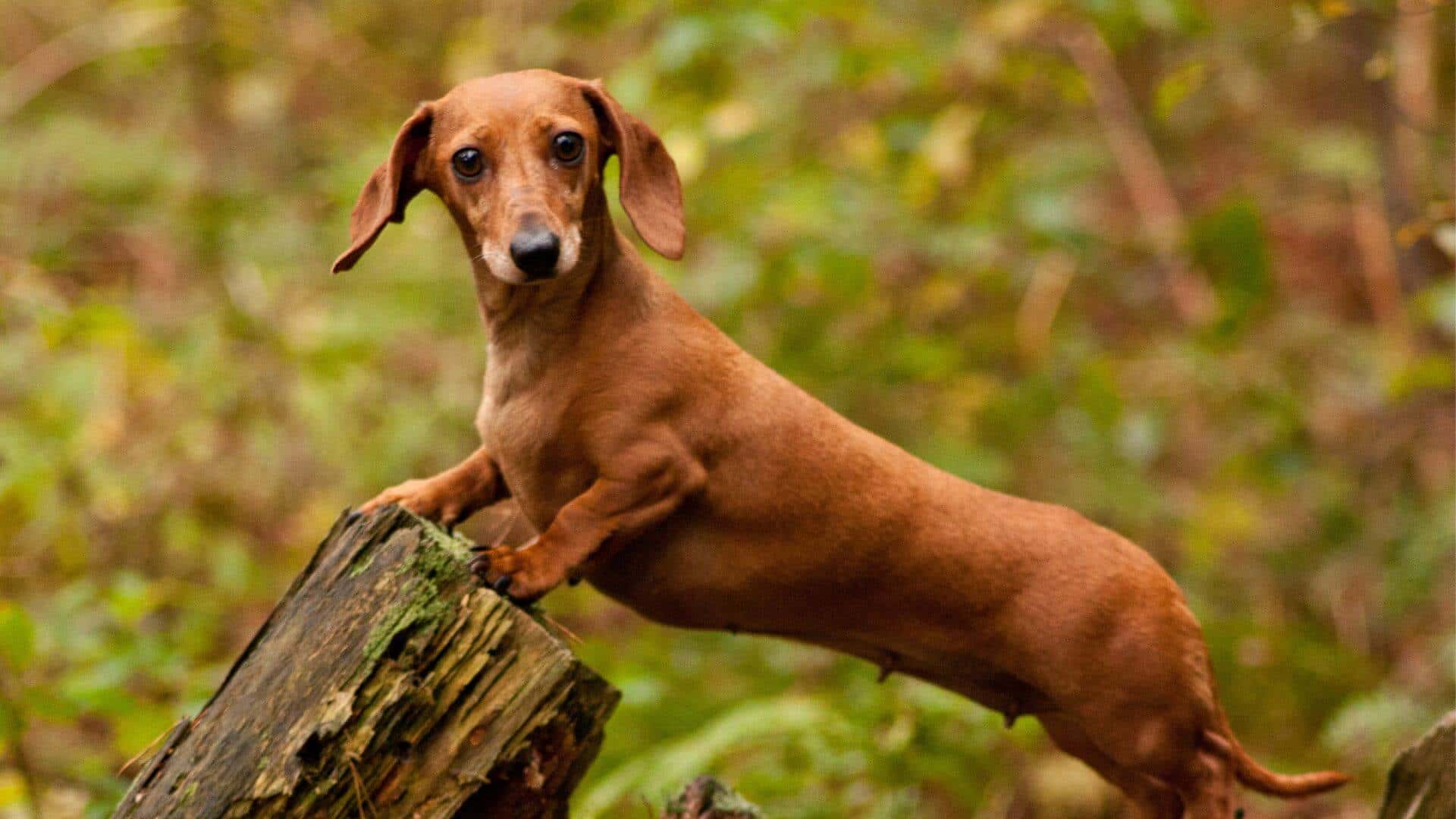
Browse the Dachshunds listed on Petmeetly, then check the parents' eye, cardiac, and patella results and the seller's identity before you pay.
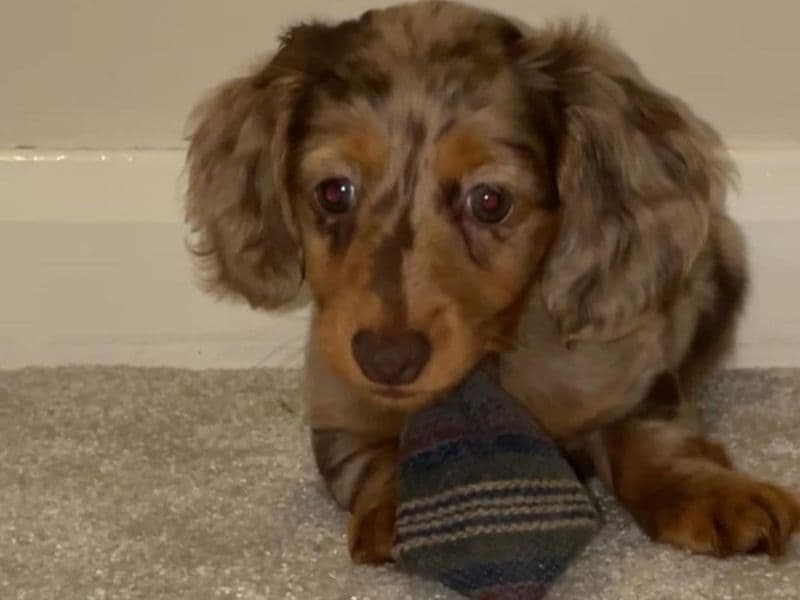
Dachshund
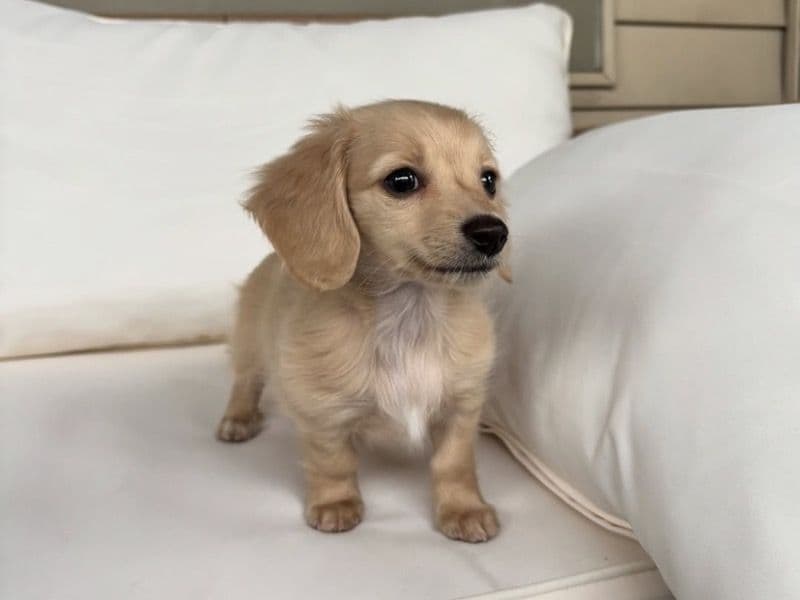
Dachshund
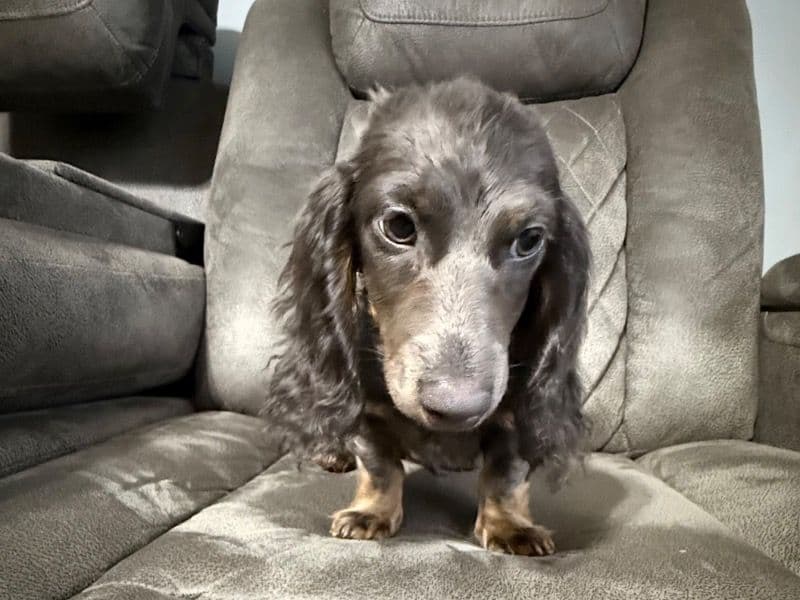
Dachshund
Dachshund
Dachshund
Dachshund

Dachshund

Dachshund
A Dachshund is a big personality in a small, long body, and buying one well means knowing that body. The things to get right are the back, the coat and size for your life, the double-dapple color trap, and a fair price.
This guide covers all of it. Read it before you send anyone a deposit.
Dachshund listings on Petmeetly mix breeder puppies with adult dogs, Dachshund crosses, and dogs their owners are rehoming. An adult can be the better buy here, because you can ask about its back history instead of hoping. It also costs less.
Short answer
The Dachshund's long back is its signature and its weak spot. The breed has the highest rate of back disease (IVDD, a slipped or ruptured spinal disc) of any dog. The same genes that make the long body also make the discs wear out early. You cannot test it away, but good daily care lowers the risk a lot.
Protect the back, every day:
A 2025 study of more than 43,000 dogs found the Dachshund had the highest lifetime IVDD rate of any breed, roughly ten times the risk of other dogs. It usually shows up between ages 3 and 7. The cause is chondrodystrophy, the same long-bodied build buyers love, which makes the spinal discs degenerate early.
Treatment is not cheap. A serious IVDD case can run roughly $5,000 to $12,000 all in once you add imaging, surgery, and aftercare. Costs vary, so ask your vet. That is the strongest reason to buy pet insurance early, before any back issue appears.
One honest warning: no DNA test makes a Dachshund "IVDD-free." Nearly every Dachshund carries the gene behind the long back, so a breeder marketing puppies as "IVDD-free by DNA" is overselling. Good daily care, a lean weight, and back protection matter far more than any test label.
Short answer
The Dachshund comes in three coats (smooth, longhaired, and wirehaired) and two sizes, Standard (16 to 32 lb) and Miniature (under 11 lb). The coat changes the grooming and the look, not the core temperament. Pick on health and fit, not a label.

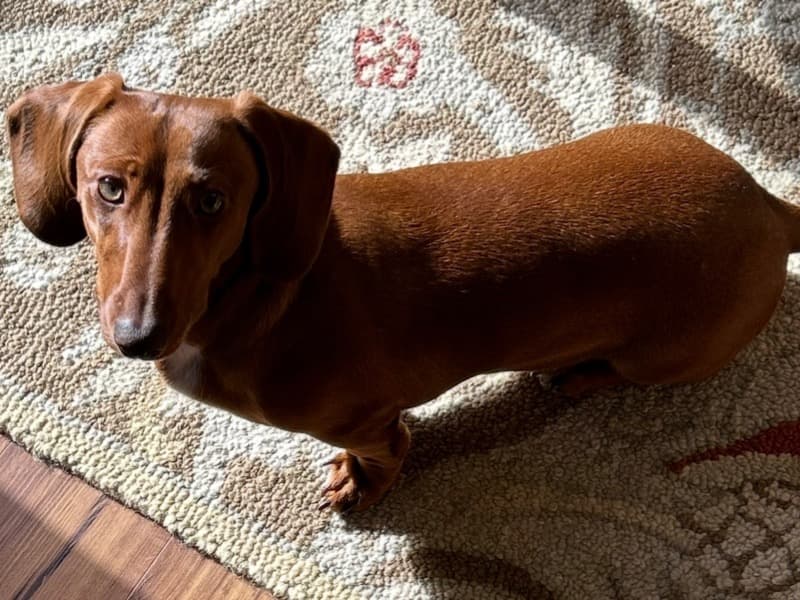
The classic short, shiny coat. The lowest grooming of the three.

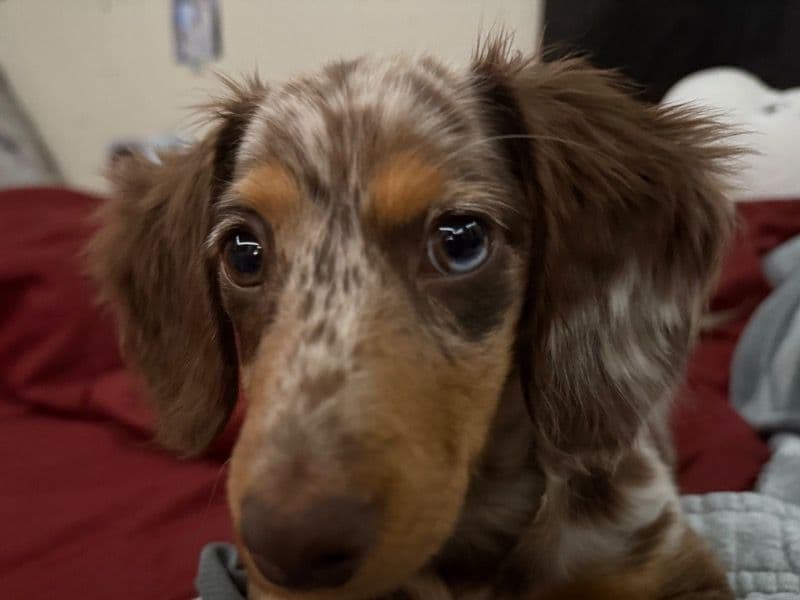
A soft, slightly wavy coat that needs regular brushing.

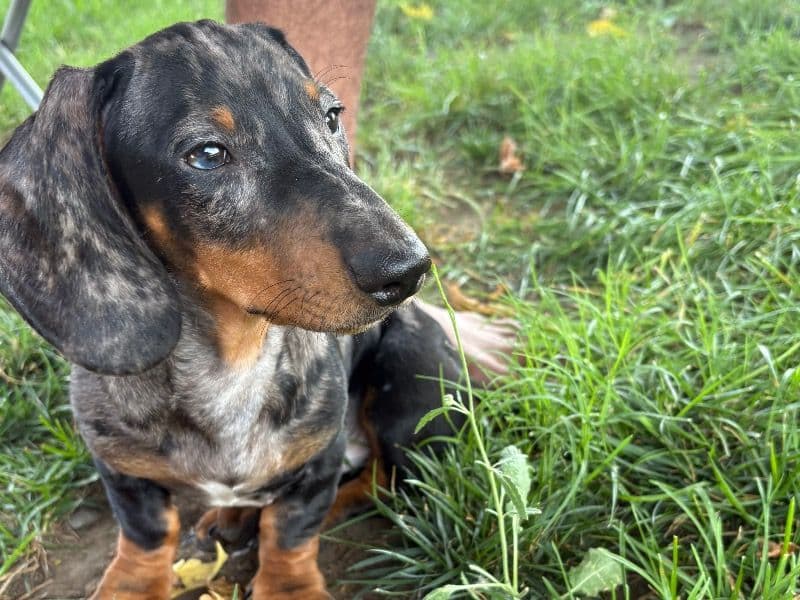
A dense, bushy coat with a beard; the most terrier-like.
Standard and Miniature are the only AKC sizes. "Teacup," "toy," and "rabbit" are not AKC US sizes; they are marketing labels for under-bred tiny dogs, and a tiny Dachshund is not a healthier one. Treat those labels as a red flag.
Short answer
Typical asking prices for a health-tested Dachshund puppy from a breeder in the US run about $1,500 to $3,500, with Miniatures often a little higher. A price far under that range is a prompt to ask for the parents' eye, cardiac, and patella results, then look them up on OFA.org.
That range is an estimate, since the AKC and breed clubs do not publish prices. It describes typical asking prices for a health-tested puppy from a breeder in the US, and it covers the parents' health tests, vet care, and early socialization.
Adult Dachshunds, Dachshund mixes, and owner rehomes are priced lower than that range. The lower price is honest, because nobody paid to raise a litter. For a wider view of what your money buys, read how to find a quality puppy within your budget.
The double-dapple trap: a "double dapple" comes from breeding two dapple (merle) parents, and it risks deafness, blindness, and missing or undersized eyes. A responsible breeder never mates two dapples, so only buy a dapple puppy from a dapple-to-non-dapple pairing. A "rare" color premium is a warning sign, and dilute blue or Isabella coats can thin and grow patchy over time (more on merle genetics).
Beyond the dapple caution, color is just color. The breed standard allows one-colored dogs like red and cream, and two-colored dogs like black, chocolate, and wild boar, with patterns such as dapple, brindle, and piebald. None of these is a health upgrade, so a coat should never drive the price.
Short answer
Most puppy scams start with a too-good price and a push to pay by Zelle, Cash App, wire transfer, gift card, or crypto. The FBI's Internet Crime Complaint Center logged about 2,600 puppy-scam reports and $5.6 million in losses in just the first nine months of 2024. Insist on a live video call with the puppy and its mother, and never send money you cannot get back.
The FBI's scam figures and the FTC's pet-scam advice point the same way: pay only with a method you can dispute. For more ways to spot a fake seller, read our guide on how to avoid puppy scams.
Short answer
Besides IVDD, watch for a luxating patella (a slipping kneecap, common in Miniatures) and eye disease (PRA, which is DNA-testable). There is also Lafora disease, a late-onset epilepsy in Miniature Wirehaireds that has its own DNA test. Dental care and a lean weight round out the list. The breed is long-lived, about 12 to 16 years.
Most of these are manageable, and two of the three inherited ones have a DNA test, so a careful breeder can screen for them. The slipping kneecap is the most common extra issue, especially in Miniatures, while Lafora disease matters mainly if you are buying a Miniature Wirehaired.
A good breeder welcomes your questions and protects the breed's health. Here is what to ask for and verify.
The Dachshund Club of America and the OFA CHIC program ask for an eye exam, a cardiac exam, and a patella check, plus the Lafora DNA test for Miniature Wirehaireds.
Meet the mother on-site, look at temperament and living conditions, and get a written contract with a health guarantee and a return clause, plus the registration papers.
The one check most buyers skip
Look both parents up yourself on the free OFA (Orthopedic Foundation for Animals) database at ofa.org using their registered names. A CHIC number means the tests were done and published, not that the dog passed, so read the actual results.
Short answer
A Dachshund is small, so food and supplies are modest. The back is the real budget risk, so the smartest money move is pet insurance bought early, before any back issue appears. A harness and a couple of ramps are cheap, and they protect the spine.
Day to day, a Dachshund is one of the cheaper breeds to feed and house. The back is the one place not to cut corners, because a pre-existing back issue is exactly what insurers will not cover later.
Petmeetly connects you directly with people listing Dachshunds, with no broker in the middle. When sellers have Dachshunds posted, their listings appear at the top of this page. Open to an adult dog instead of a puppy? Here is how to adopt a Dachshund.
Buyers here arrive with a checklist, so answer it in the listing rather than in messages.
Sources
Get answers to common questions about buying Dachshunds responsibly
Not all, but the breed has the highest rate of back disease (IVDD) of any dog. The long back and early disc wear are why. You cannot test it away, but you lower the risk by keeping the dog lean, using ramps and a harness instead of a collar, and handling the back carefully.
Typical asking prices for a health-tested Dachshund puppy from a breeder in the US run about $1,500 to $3,500, with Miniatures often a bit more. A price far under that range is a prompt to ask for the parents' eye, cardiac, and patella results, then look them up on OFA.org. IVDD surgery costs far more, roughly $5,000 to $12,000 all in once you add imaging and aftercare, so pet insurance bought early is wise. Adult Dachshunds, Dachshund mixes, and owner rehomes cost less for honest reasons, so judge those listings on the dog and the records.
A double dapple comes from breeding two dapple (merle) parents, and it risks deafness, blindness, and missing or undersized eyes. A responsible breeder never mates two dapples. So only buy a dapple puppy from a dapple-to-non-dapple pairing, and treat a "rare" color premium as a warning sign.
The breed-club panel is an eye exam, a cardiac exam, and a patella (knee) check, plus the Lafora DNA test for Miniature Wirehaireds. Verify each parent on OFA.org by name. Be wary of any "IVDD-free by DNA" claim, because no test can promise that in this breed.
Standards weigh 16 to 32 pounds and Miniatures under 11, and the coats are smooth, longhaired, or wirehaired. "Teacup," "toy," and "rabbit" are not AKC US sizes, just marketing. Choose on health testing and temperament, not a size label or a rare color.
Discover puppies and dogs for sale from various breeds and find your perfect companion
Browse Dachshunds listed on Petmeetly, then use the back, coat, color, and health checks above before you pay.
No card required to sign up.