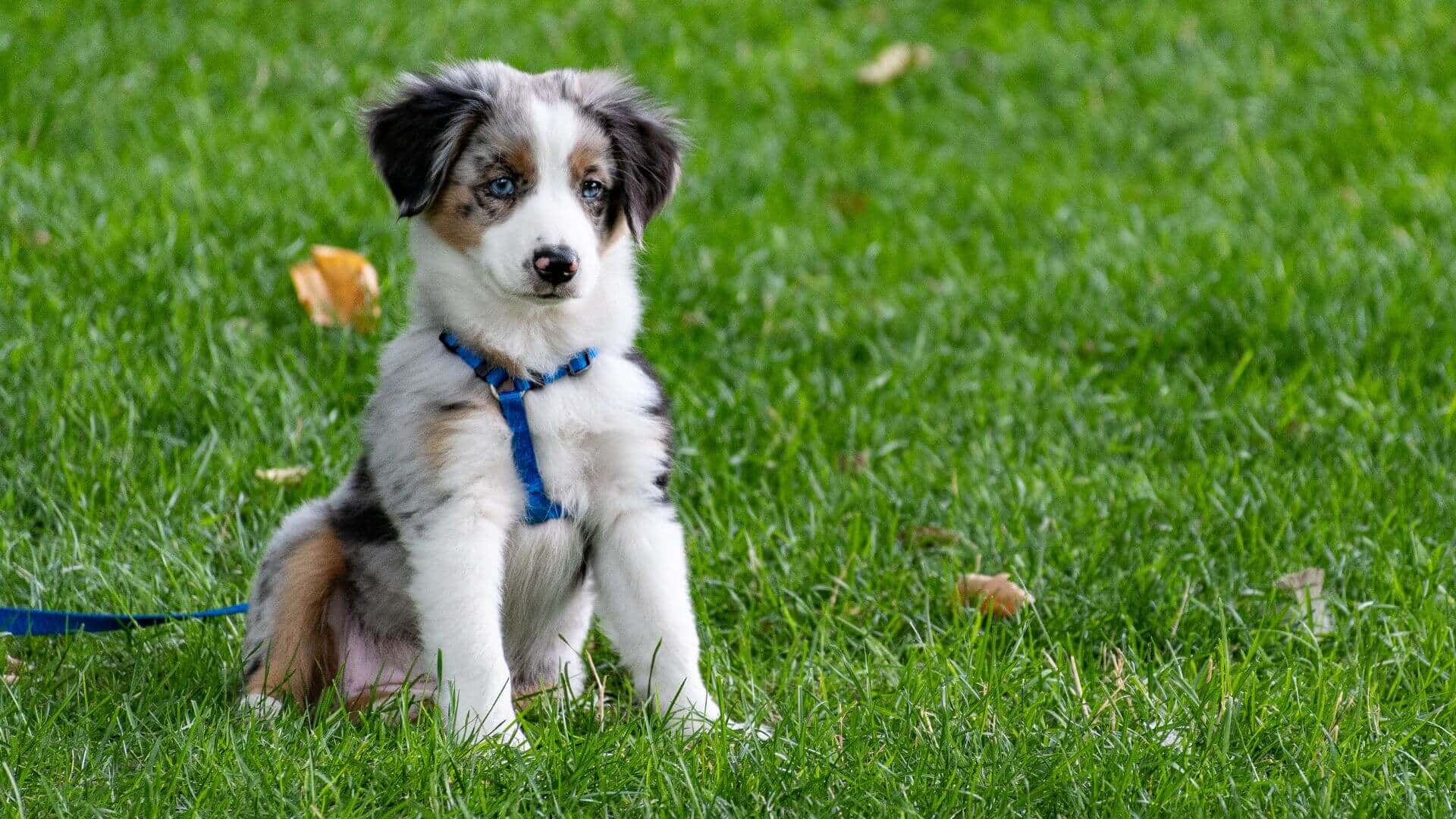
Browse the Aussies listed on Petmeetly, then check the parents' MDR1 DNA result and the seller's identity before you pay.

Australian Shepherd
Australian Shepherd
Australian Shepherd
Australian Shepherd
Australian Shepherd
Australian Shepherd
Australian Shepherd
Australian Shepherd
The Australian Shepherd is a brilliant, athletic working dog, not a casual pet. Buying one well means getting two things right: the job and exercise it needs, and the two genetic tests that keep it safe and healthy.
This guide covers both, plus the colors and what the price should tell you. Read it before you send anyone a deposit.
Aussie listings on Petmeetly cover breeder puppies, adult dogs, Aussie mixes, and owners rehoming a dog they can no longer exercise. A grown Aussie deserves a serious look, because you can see exactly how much drive you are taking on. It usually costs less too.
Short answer
The Australian Shepherd is one of the smartest, most athletic dogs there is, bred to herd stock all day. It needs one to two hours of hard exercise plus real mental work and a job, or that brilliant mind turns to chewing, barking, and escaping. It also herds, so it may nip at running children and bikes.
One to two hours of hard exercise a day, plus a job. A walk around the block does not touch it.
A brilliant brain that needs training and a task, or it invents its own work, usually destructive.
It herds moving things, so it may chase and nip at running children, bikes, and cars.
A natural watchdog, aloof at first, then friendly once it knows you. Not an aggressive guard.
The standard Aussie is a medium dog, about 40 to 65 lb. The "Miniature Australian Shepherd" is now its own AKC breed, the Miniature American Shepherd. There is no "toy" or "teacup" Aussie, so treat those labels as a red flag.
None of this makes the Aussie a bad dog; it makes it a serious commitment. Give it a job, real exercise, and training, and you get a loyal, dazzlingly trainable partner. Leave it bored, and you get a destructive escape artist. The AKC's own advice is to match this breed to an active home.
More than looks or papers, two inherited issues decide an Aussie's safety, and both are testable. A good breeder handles both, and tells you so.
A common Aussie mutation makes some everyday drugs dangerous. The anti-diarrheal Imodium, high-dose ivermectin, some sedatives and chemo drugs can cause severe reactions. A simple DNA test tells you, so ask that the parents are tested, and tell every vet your dog's status.

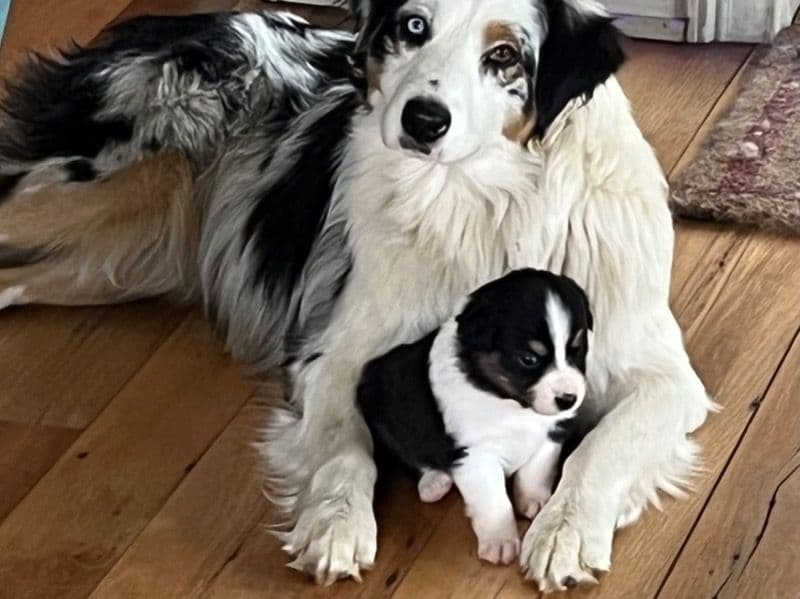
Merle is a standard, healthy Aussie color, and blue eyes are normal. The danger is breeding two merles together, which gives each puppy about a one-in-four chance of being a double merle, often deaf, blind, or both. A responsible breeder never mates two merles.
The rest of the panel is the parent-club recommendation: a hip evaluation, an eye exam, and DNA tests for cataract, PRA, and a nerve disease called NAD. Verify each parent on OFA.org by name, and walk away from any merle-to-merle litter.
Short answer
Typical asking prices for a health-tested Australian Shepherd puppy from a breeder in the US run about $800 to $2,000, with show lines higher. A price far under that range is a prompt to ask which tests the parents had. Ask for the MDR1 DNA result, the hip evaluation, and the eye exam, then look both parents up on OFA.org.
That range is an estimate, since the AKC and breed clubs do not publish prices. It describes typical asking prices for a health-tested puppy from a breeder in the US, and that price covers the parents' health tests, including the MDR1 DNA test, plus vet care and early socialization.
A premium charged for a "rare" merle or for blue eyes is marketing, because both are standard in the breed.
Adult Aussies, Aussie mixes, and owner rehomes are priced lower than that range. The lower price is honest, because nobody paid to raise a litter. For a wider view, read how to find a quality puppy within your budget.
Short answer
Most puppy scams start with a too-good price and a push to pay by Zelle, Cash App, wire transfer, gift card, or crypto. The FBI's Internet Crime Complaint Center logged about 2,600 puppy-scam reports and $5.6 million in losses in just the first nine months of 2024. Insist on a live video call with the puppy and its mother, and never send money you cannot get back.
The FBI's scam figures and the FTC's pet-scam advice point the same way: pay only with a method you can dispute. For more ways to spot a fake seller, read our guide on how to avoid puppy scams.
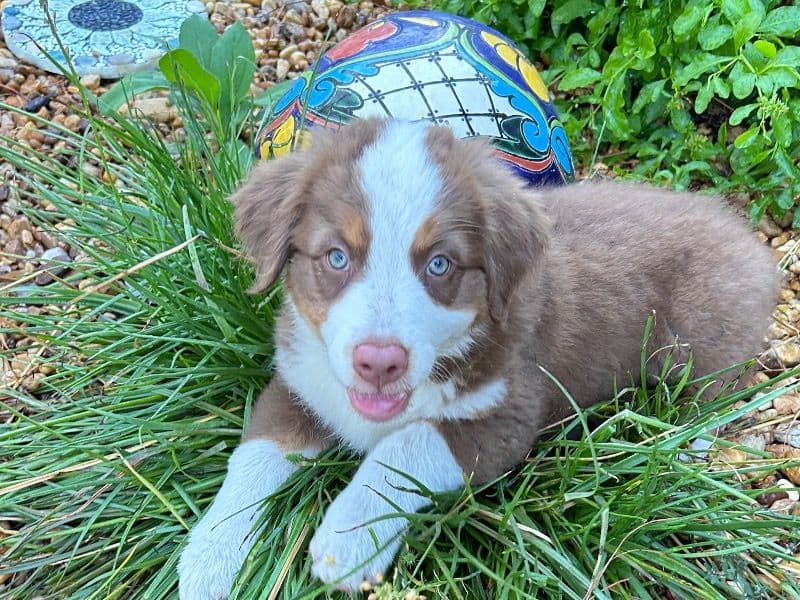
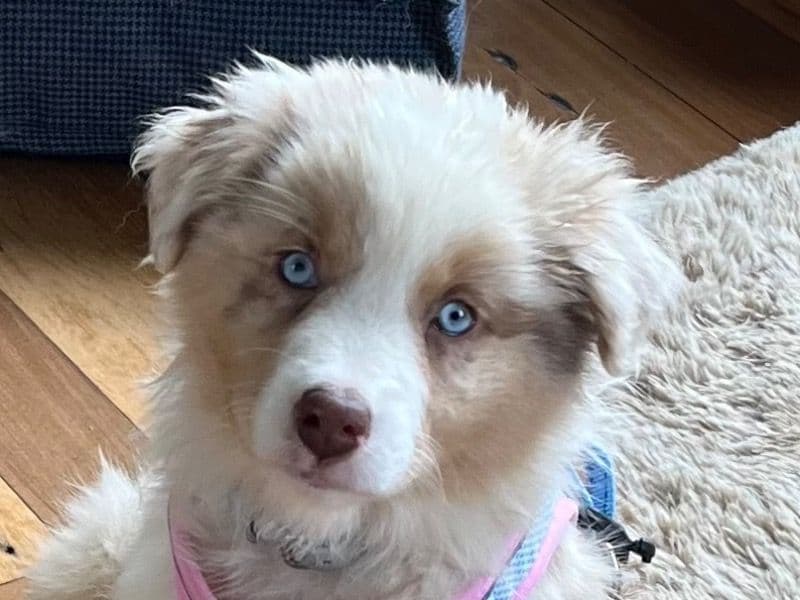
The breed standard recognizes four colors: black, red, blue merle, and red merle, usually with white and copper trim. Eyes can be brown, blue, amber, or a mix, all standard. So no color or eye color is rare, and none should raise the price.
Short answer
The real cost of an Aussie is time, not money. For 12 to 15 years it needs daily exercise, training, and a job, plus the usual food, vet care, and a securely fenced yard it cannot escape. The MDR1 test is a one-time, low-cost step that can save its life.
The biggest hidden cost is your time. An Aussie that gets a job and real exercise is a joy; one that does not becomes a destructive, escaping problem.
Petmeetly connects you directly with people listing Aussies, with no broker in the middle. When sellers have Australian Shepherds posted, their listings appear at the top of this page. Open to an adult dog instead of a puppy? Here is how to adopt an Australian Shepherd.
The buyers reading this page ask about MDR1 first, so have that result in hand before you list.
Sources
Get answers to common questions about buying Australian Shepherds responsibly
Often not. The Aussie is a working herding dog that needs hours of daily exercise plus mental work and a job, or it becomes destructive. It suits an active, experienced home with time and a fence, not a sedentary one.
It is a common gene mutation in Aussies that makes some everyday drugs dangerous, like the anti-diarrheal Imodium and high-dose ivermectin. It is a simple DNA test, so test the dog and tell every vet its status before any treatment.
A single-merle Aussie is standard and healthy, and blue eyes are normal. The danger is breeding two merles together, which can produce deaf or blind "double merle" puppies. A responsible breeder never mates two merles, so walk away from a merle-to-merle litter.
The breed-club panel recommends a hip evaluation, an eye exam, and DNA tests including MDR1, hereditary cataract, PRA, and a nerve disease called NAD. Verify both parents on OFA.org, and never buy from a merle-to-merle litter.
The Miniature is now a separate AKC breed, the Miniature American Shepherd. There is no "toy" or "teacup" Australian Shepherd. Those are marketing labels for under-bred small dogs, so treat them as a red flag.
Discover puppies and dogs for sale from various breeds and find your perfect companion
Browse Aussies listed on Petmeetly, then use the work, genetics, and health checks above before you pay.
No card required to sign up.