

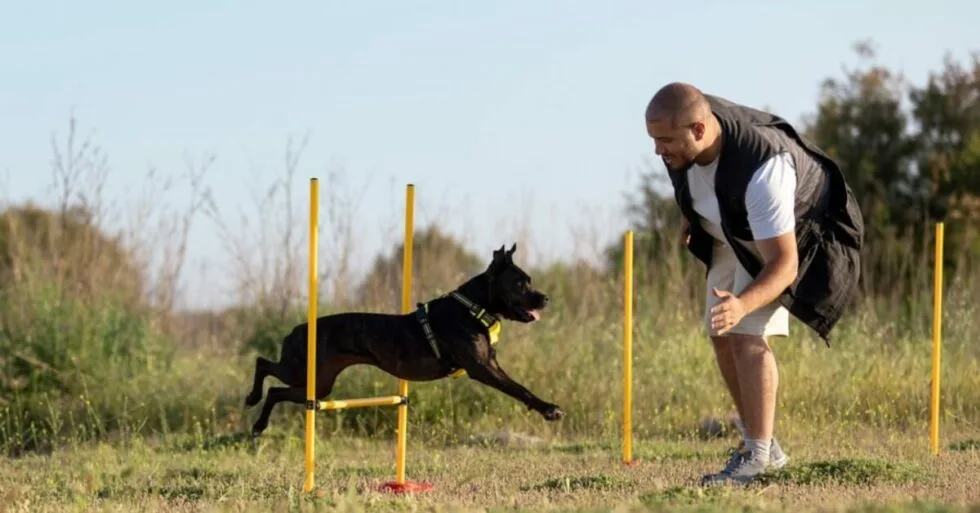
Dog Training
How to train a Female Cane Corso: Tips and Tricks for a Happy, Healthy Dog
5 min read
Train a female Cane Corso with patience, consistency, socialization, and positive reinforcement for a well-behaved, confident, and happy dog.
Updated
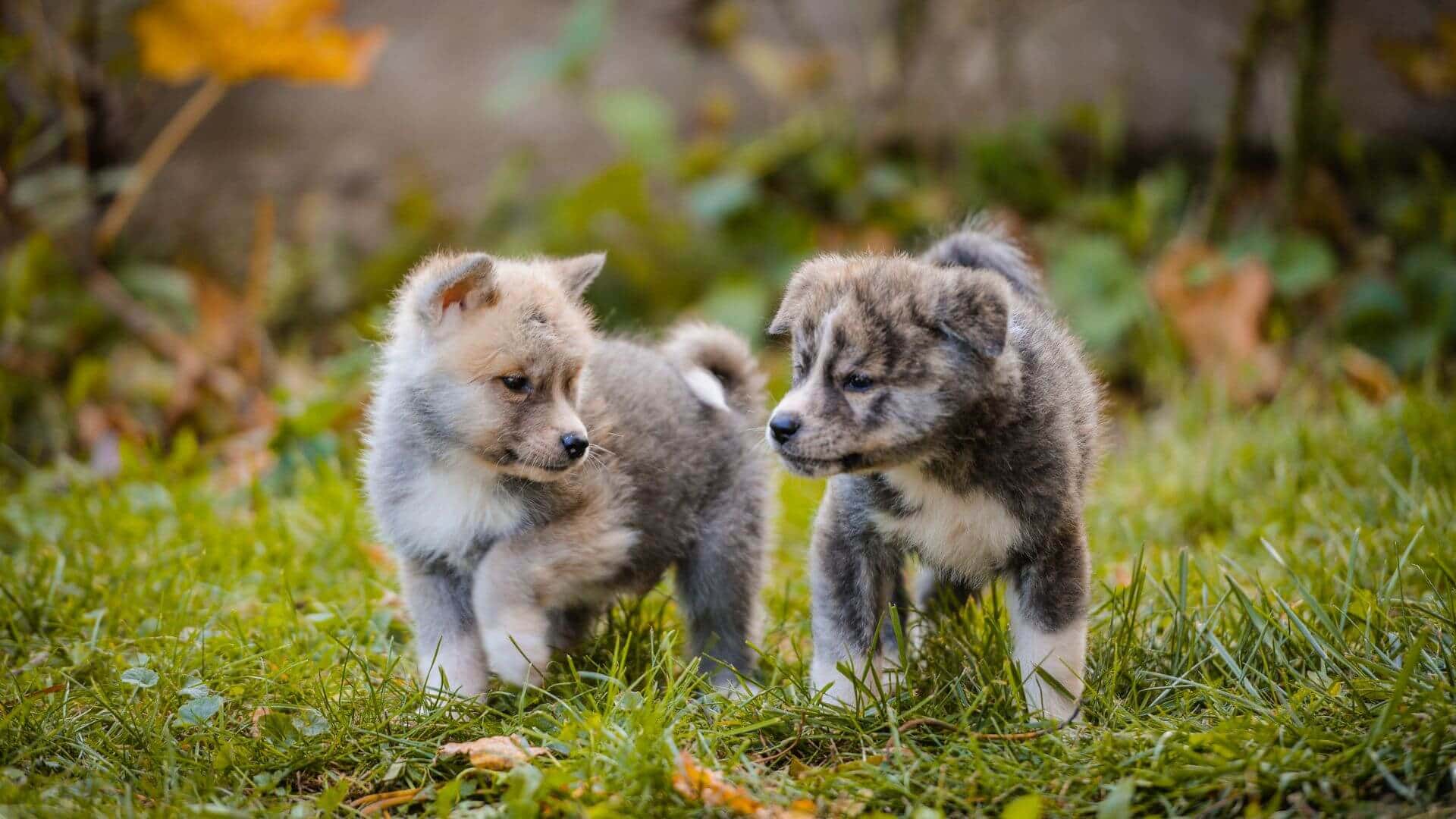
Browse the Akitas listed on Petmeetly, then check the parents' OFA hip, eye, and thyroid results and the seller's identity before you pay.
Akita mix

Akita

Akita

Akita

Akita

Akita mix

Akita
The Akita is a powerful, dignified, deeply loyal dog from Japan, and it is also a serious commitment. Buying one well comes down to two things: knowing this is an experienced-owner breed, and finding a breeder who tests for its health risks.
This guide covers the temperament you need to be ready for, the health checks, the colors and two Akita types, what the price should tell you, and how to avoid a scam. Read it before you send anyone a deposit.
Akita listings here run from breeder puppies to grown dogs, Akita mixes, and dogs whose owners are rehoming them. With this breed an adult often suits a buyer better, because you can see the temperament and the dog tolerance you are taking on. The price is lower too.
Short answer
An Akita is brave, loyal, and calm with its family, but it is strong-willed and often intolerant of other dogs, especially of the same sex. It has a strong prey drive and an independent mind, so it needs an owner who will socialize and train it from day one. Many Akitas do best as the only dog.
Because of the same-sex dog intolerance and prey drive, an Akita needs careful management. Expect slow, controlled introductions to other dogs, secure containment, and often life as the only dog or a male-and-female pair. This is not a dog-park breed.
An Akita is not eager to please the way a Labrador is. It is loyal but independent, so it needs an owner who sets clear, kind, consistent rules and socializes it widely from puppyhood. It is naturally aloof with strangers and guards its home on instinct, so it never needs guard training. Above all, an Akita is a family dog, not a backyard dog.
Short answer
Akitas are generally hardy, but the breed carries a cluster of autoimmune diseases and a few large-breed risks. The standouts are an autoimmune eye-and-skin disease, thyroid disease, and bloat. A good breeder tests the parents, a good owner knows the early signs, and most Akitas live about 10 to 13 years.
The one to know by name is uveodermatologic syndrome, an autoimmune attack on pigment cells. It shows up as a suddenly red, painful eye along with a fading nose and lips, and it can threaten sight. Akitas are the most affected breed, so any sudden eye redness needs a vet right away.
The breed also gets two autoimmune skin problems, pemphigus and sebaceous adenitis, which cause crusting, sores, or coat loss. It is also prone to autoimmune thyroid disease, which a simple blood test can catch. None is a reason to avoid the breed, but all are reasons to buy from a breeder who tests and to keep up with vet visits.
Two more things to know. Akitas are deep-chested, so they are at risk of bloat, a sudden, life-threatening twisting of the stomach. Learn the signs, and ask your vet about a preventive surgery.
And many healthy Akitas naturally have small red blood cells and high potassium inside those cells. That can make routine bloodwork look abnormal, so always tell your vet your dog is an Akita.
The American Akita standard allows any color, including white, brindle, and pinto, with or without a mask. White Akitas have no mask, and a pinto is white with large patches over the head and body. No color is rarer or better than another, so a "rare color" premium is just marketing.
There are really two Akitas. The American Akita is bigger and comes in every color. The Japanese Akita Inu is smaller, comes in just a few colors with white urajiro markings, and is a separate breed. Decide which type you want before you start looking, because they are bred and registered apart.
Either way, expect a thick double coat that sheds heavily twice a year, in spring and fall. Weekly brushing keeps it under control, with daily brushing during the big seasonal shed. Never shave a double coat, since it protects the dog from heat and cold.
A responsible Akita breeder follows the breed club's health-testing: the parents' hips, eyes (a CAER exam), and thyroid. Ask for the actual certificates, and look each parent up on OFA.org.
Short answer
Typical asking prices for a health-tested Akita puppy from a breeder in the US run about $1,500 to $4,000, with Japanese import lines at the higher end. A price far under that range is a prompt to ask for the parents' results by name. Ask for the OFA hip, eye (CAER), and thyroid certificates, then look both parents up on OFA.org.
That range is an estimate, since the AKC and breed clubs do not publish prices. It covers one thing only: typical asking prices for a health-tested puppy from a breeder in the US. The price pays for the parents' health tests, careful rearing, and early socialization.
Adult Akitas, Akita mixes, and owner rehomes sell for less than that range. The lower price is honest, because nobody paid to raise a litter. For a wider view, read how to find a quality puppy within your budget.
Short answer
Most puppy scams start with a too-good price and a push to pay by gift card, wire transfer, or a payment app. Insist on a live video call with the puppy and its mother, ask to see the parents' health certificates, and never send money you cannot get back.
The FBI warns that pet scammers keep adding fees after a deposit, for shipping, crates, or insurance. The FTC says only scammers demand gift cards, wire transfers, or payment apps. Pay only with a method you can dispute. For more, read our guide on how to avoid puppy scams.
Short answer
An Akita is a big dog, so food, grooming gear, and routine vet care are the steady costs. Because of the breed's autoimmune and bloat risks, pet insurance is a smart buy from the start.
The cost people underestimate is the vet, because the autoimmune conditions can need long-term care. Insure early, learn the bloat signs, and an Akita is a magnificent, devoted companion.
Petmeetly connects you directly with people listing Akitas, with no broker in the middle. When sellers have Akitas posted, their listings appear at the top of this page. Open to an adult dog instead of a puppy? Here is how to adopt an Akita.
Buyers who read this page arrive asking for certificates, so gather yours before you list.
Sources
Get answers to common questions about buying Akitas responsibly
Usually not. The Akita is powerful, strong-willed, and often intolerant of other dogs, so it needs an owner who will socialize and train it from day one. It is a wonderful dog for an experienced, committed home, but a lot for a first dog.
Sometimes, with care. Akitas have a genetic intolerance of other dogs, especially of the same sex, so many do best as the only dog or in a male-and-female pair. Any new dog must be introduced slowly, and the dog's history matters a lot.
The Akita Club of America recommends testing the parents' hips, eyes (a CAER exam), and thyroid. Ask for the actual certificates and look each parent up on OFA.org. A CHIC number means the tests were done, not that the dog passed.
No. The American Akita standard allows any color, including white, brindle, and pinto, and ranks none above another. No color is rare or healthier, so a "rare color" premium is just marketing.
They are two separate breeds. The American Akita is bigger and comes in any color. The Japanese Akita Inu is smaller, comes in a few colors with white urajiro markings, and is registered apart. Decide which type you want before you look.
More vetted material for Akita buyers
Train a female Cane Corso with patience, consistency, socialization, and positive reinforcement for a well-behaved, confident, and happy dog.
Discover puppies and dogs for sale from various breeds and find your perfect companion
Browse Akitas listed on Petmeetly, then use the temperament, health, and color checks above before you pay.
No card required to sign up.