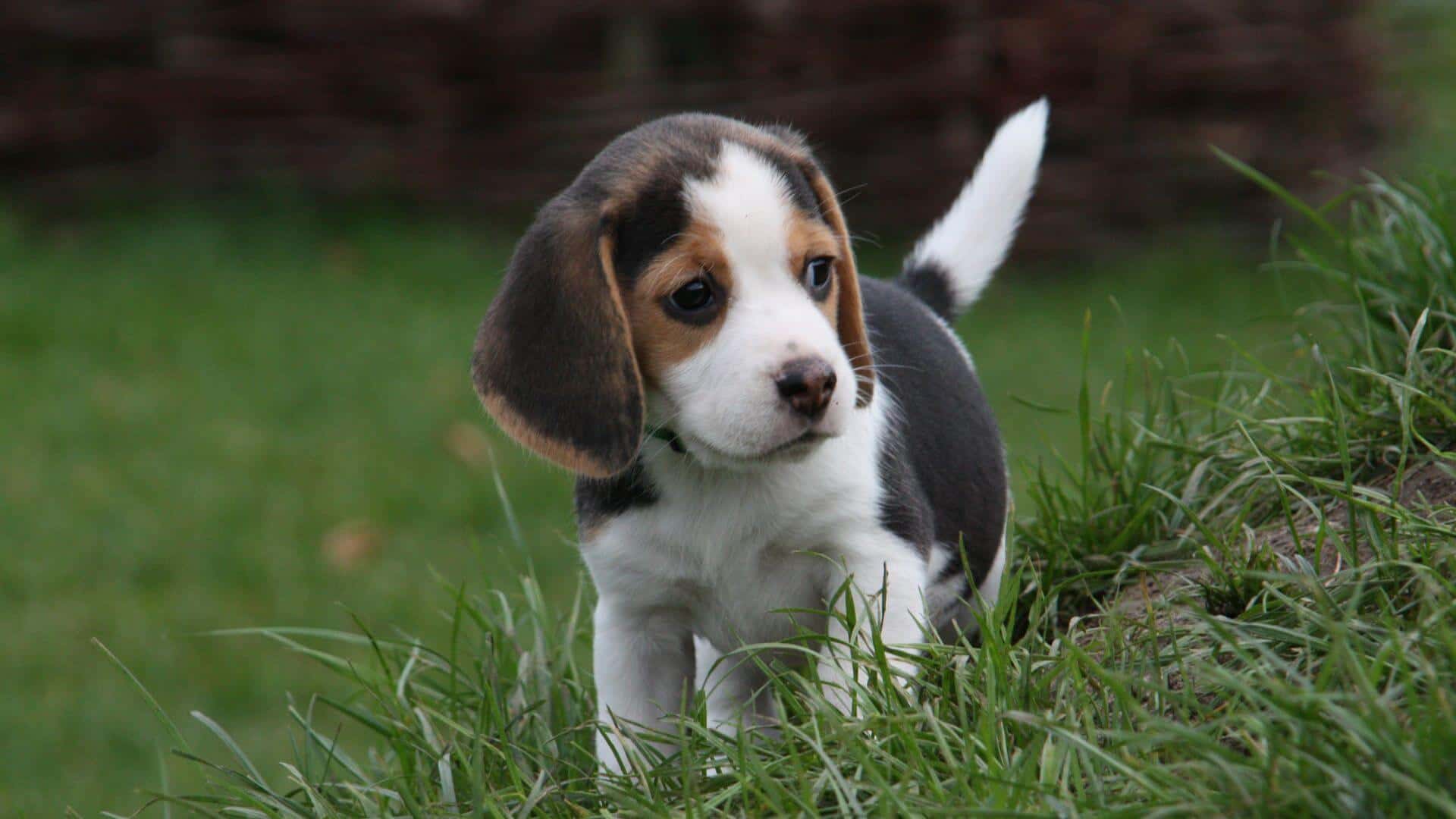
Browse the Beagles listed on Petmeetly, then check the parents' MLS DNA result and the seller's identity before you pay.
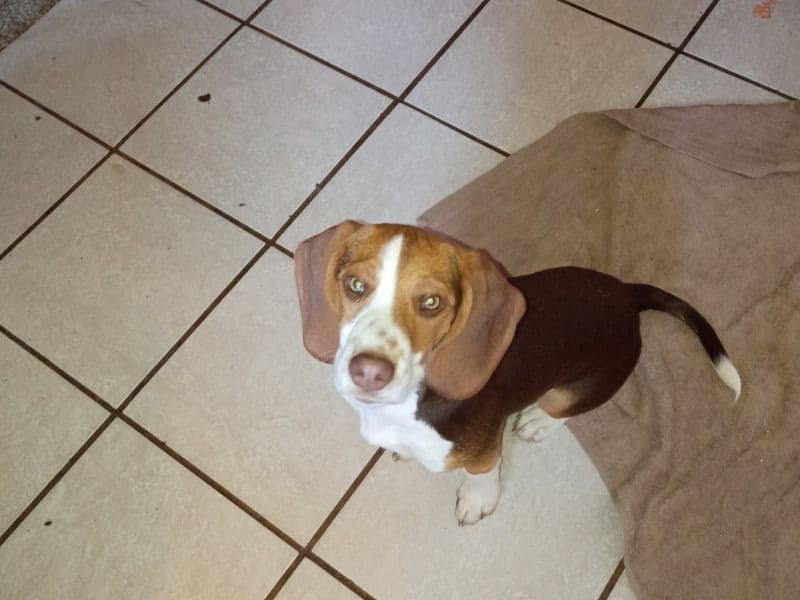
Beagle
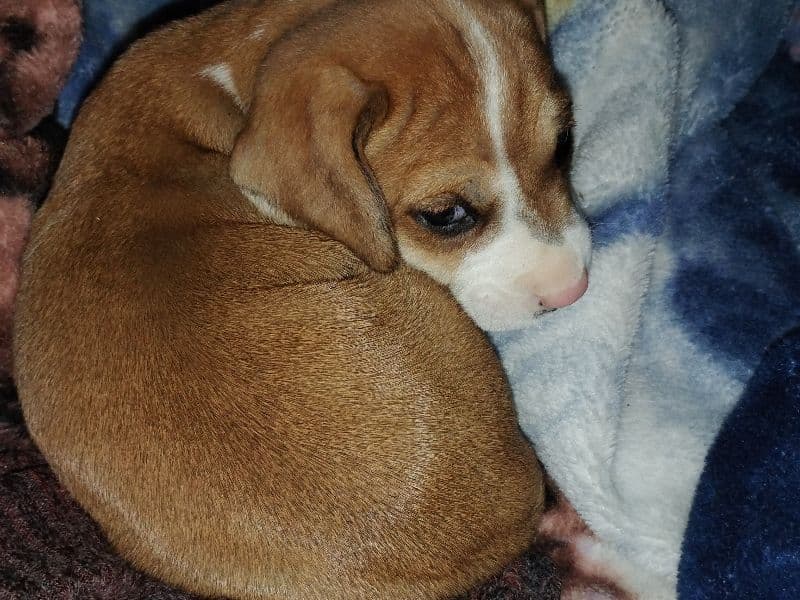
Beagle mix

Beagle
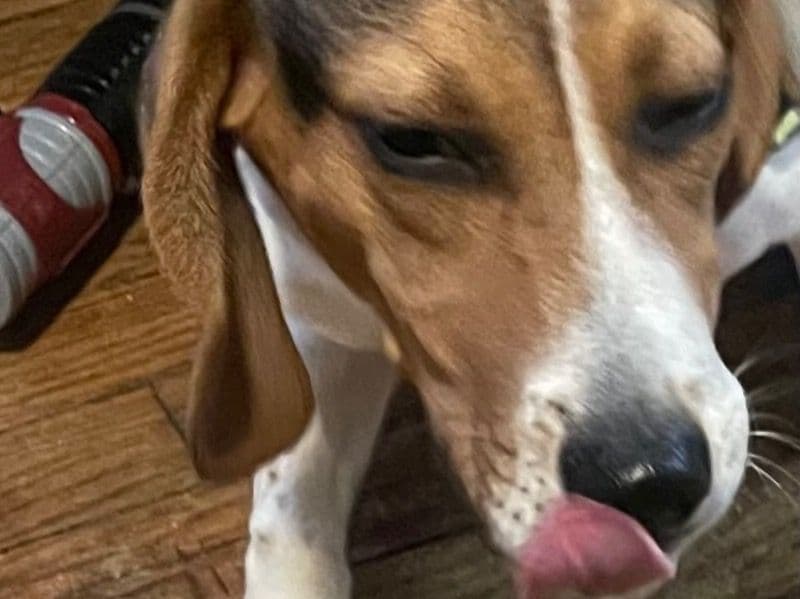
Beagle

Beagle mix
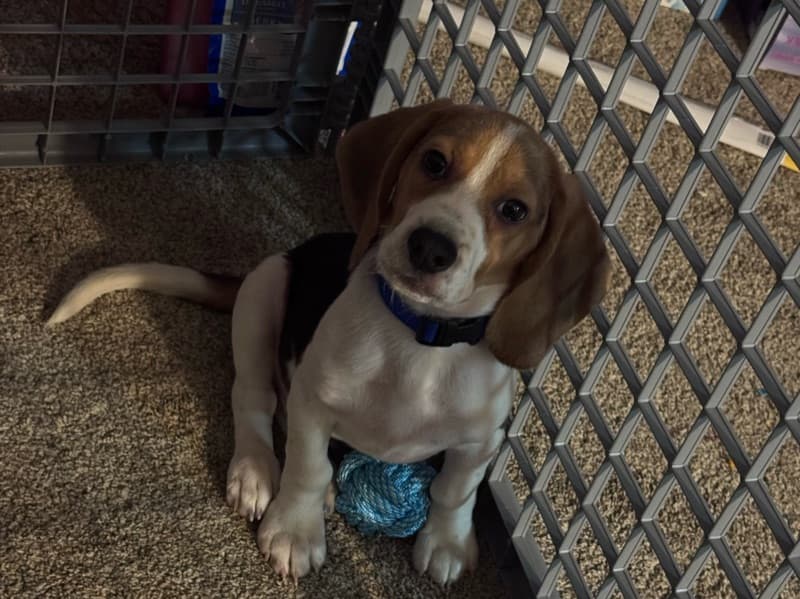
Beagle

Beagle mix

Beagle mix
A Beagle is a merry, friendly, food-loving scent hound, and a lot of dog in a small package. The things to get right are the nose and the voice you are signing up for, the weight, the health, and a fair price.
This guide covers all of it. Read it before you send anyone a deposit.
What gets listed here is a mixed bag: breeder puppies, adult Beagles, Beagle mixes, and dogs their owners can no longer keep. An adult often makes more sense with this breed, because the voice and the waistline are already on show rather than a guess. It costs less as well.
Short answer
A Beagle is a nose with a dog attached. It was bred to follow a rabbit trail in a pack, so it tracks scents relentlessly and goes deaf to your recall mid-sniff. And it sings about the chase in a loud bay. It is merry and great with other dogs, but it needs a fence, a leash, and company.
It follows a scent relentlessly, and its recall becomes unreliable mid-sniff, so it needs a leash and a fence.
Three sounds: a bark, a yodel-like bay, and a howl. It is loud, and a real concern for close neighbors.
Social and good with kids and other dogs, but it commonly dislikes being left alone for long.
It counter-surfs and raids bags for food, and is prone to gaining weight, so portions matter.
The AKC recognizes one Beagle in two sizes: the 13-inch (under 20 lb) and the 15-inch (about 20 to 30 lb). "Pocket," "teacup," and "mini" beagles are not AKC sizes; they are marketing for under-bred tiny dogs, so treat those labels as a red flag.
None of this makes the Beagle a bad pet; it makes it a specific one. The same nose that powers the USDA's "Beagle Brigade" detector dogs is the nose that ignores you at the park. Give it a fence, a leash, and company, and you get one of the friendliest dogs alive (AKC's breed advice).
Short answer
Beagles are a sturdy, long-lived breed, about 12 to 15 years, with a few specific things to check. Two even carry the Beagle name: Musladin-Lueke Syndrome (MLS), a DNA-testable connective-tissue disorder, and "Beagle pain syndrome" (SRMA), an immune problem in young dogs that responds well to early treatment. The long ears and the waistline are the daily jobs.
MLS is recessive, so a dog needs two copies to be affected, and a DNA test sorts dogs into clear, carrier, or affected. Ask that both parents are tested. Beagle pain syndrome shows up in young dogs as neck pain and fever, and it usually does well with prompt steroid treatment.
The everyday care matters more than the rare conditions. Those long, low ears trap moisture and lead to ear infections, so clean them routinely. And because Beagles gain weight so easily, keeping the dog lean protects its joints and back for life.
Short answer
Typical asking prices for a health-tested Beagle puppy from a breeder in the US run about $800 to $1,500, with fully tested or show lines at $1,500 to $2,000 or more. A price far under that range is a prompt to ask for the parents' hip and eye results and the MLS DNA test, then look both parents up on OFA.org.
That range is an estimate, since the AKC and breed clubs do not publish prices. It describes typical asking prices for a health-tested puppy from a breeder in the US, and it covers the parents' health tests, vet care, and early socialization. A "pocket beagle" premium is a separate warning, because that is not an AKC size.
Adult Beagles, Beagle mixes, and owner rehomes sell for less than that range. The lower price is honest, because nobody paid to raise a litter. For a wider view of what your money buys, read how to find a quality puppy within your budget.
Short answer
Most puppy scams start with a too-good price and a push to pay by Zelle, Cash App, wire transfer, gift card, or crypto. The FBI's Internet Crime Complaint Center logged about 2,600 puppy-scam reports and $5.6 million in losses in just the first nine months of 2024. Insist on a live video call with the puppy and its mother, and never send money you cannot get back.
The FBI's scam figures and the FTC's pet-scam advice point the same way: pay only with a method you can dispute. For more ways to spot a fake seller, read our guide on how to avoid puppy scams.
The breed standard allows "any true hound color," and the classic tricolor, lemon and white, red and white, and chocolate are all common. Merle and brindle are not Beagle patterns, so a "merle Beagle" is a crossbred or misrepresented dog. No standard color is a health upgrade, so a "rare" color premium is just marketing.
A good breeder welcomes your questions and tests the parents. Here is what to ask for and verify.
The National Beagle Club and the OFA CHIC program cover hips, an eye exam, the MLS DNA test, and heart and thyroid checks. Ask to see each result, not just a badge.
Meet the mother on-site, look at temperament and living conditions, and get a written contract with a health guarantee and a return clause, plus the registration papers.
The one check most buyers skip
Look both parents up yourself on the free OFA (Orthopedic Foundation for Animals) database at ofa.org using their registered names. A CHIC number means the tests were done and published, not that the dog passed, so read the actual results.
Short answer
A Beagle is a modest-sized, hardy dog, so food and routine vet care are moderate. The ongoing jobs are weight control, regular ear cleaning, and a secure fence the dog cannot dig under. Pet insurance is worth it, and a good fence saves you a lost dog.
The cheapest insurance against vet bills is a lean Beagle. Measured meals and regular exercise prevent the weight that drives so many of the breed's later problems.
Petmeetly connects you directly with people listing Beagles, with no broker in the middle. When sellers have Beagles posted, their listings appear at the top of this page. Open to an adult dog instead of a puppy? Here is how to adopt a Beagle.
Buyers here have been told to ask for records, so write yours into the listing from the start.
Sources
Get answers to common questions about buying Beagles responsibly
Yes, famously. They make three sounds: a normal bark, a yodel-like "bay," and a howl, bred so hunters could follow them on a trail. It is manageable but hard to train away, so it matters for apartments and close neighbors.
Not reliably. A Beagle on a scent can ignore every command and bolt after it, so most owners keep them on a leash or in a securely fenced yard. The nose is the breed's defining trait, for better and for worse.
It is not a real AKC size. The AKC recognizes one Beagle in two sizes, 13-inch and 15-inch. "Pocket," "teacup," and "mini" beagles are a marketing label for under-bred or crossed tiny dogs, so treat them as a red flag.
The breed-club panel covers hips, an eye exam, the MLS (Musladin-Lueke Syndrome) DNA test, and heart and thyroid checks. Verify both parents on OFA.org by name. A CHIC number means the tests were done and published, not that the dog passed.
Typical asking prices for a health-tested Beagle puppy from a breeder in the US run about $800 to $1,500, and fully tested or show lines run higher. A price far under that range is a prompt to ask for the parents' hip and eye results and the MLS DNA test, then look both parents up on OFA.org. A "pocket beagle" premium is its own warning, because that is not an AKC size. Adult Beagles, Beagle mixes, and owner rehomes cost less for honest reasons, so judge those listings on the dog and the records.
Discover puppies and dogs for sale from various breeds and find your perfect companion
Browse Beagles listed on Petmeetly, then use the nose, voice, health, and color checks above before you pay.
No card required to sign up.