




The Petmeetly Small Pet Buyer's Guide
Small pets look easy. Most are not. They need more care than people expect. Where you buy shapes the rest. A small, careful breeder produces healthier pets than a big-box store. A rehomed adult is often a calmer fit than a baby. Look at all three paths before you commit.
This hub covers nine small pets plus the ferret: Syrian hamsters, dwarf hamsters, Chinese hamsters, guinea pigs, fancy rats, fancy mice, chinchillas, African dormice, and ferrets. For deep care details on each one, see the species sub-pages linked below.
Contents
Jump to a chapter
7 parts
Contents
Jump to a chapter
Should you buy a small pet?
Small pets look easy. Most are not. They live a long time for their size. They break easily. They need a vet who knows small pets. Run a simple fit-check before you commit.
Three things to check before you buy.
| Check | What to know |
|---|---|
| Lifespan | Some live 1 to 2 years (mouse). Others live 10 to 20 years (chinchilla). Pick a pet that fits your life window. |
| Cage size | Most pet-store cages are too small. Plan for a bigger setup. Check the species sub-page for the right size. |
| Yearly cost | Plan for $300 to $800 a year for food, bedding, and pen parts. A vet who knows small pets (exotic vet) is extra. |
Two questions to ask yourself.
- 1
Can I commit to this pet's lifespan, cage size, vet costs, and daily schedule?
If yes, the rest of this guide will help you pick the right pet.
- 2
Am I buying because my child asked, with no adult ready to take the lead?
If yes, slow down. Small pets need an adult owner. Kids do best as helpers.
If a rehomed adult fits better, our small pet adoption page covers that path. Petmeetly supports both.
Choosing the right species
Each species has its own quirks. Skim the list, then visit the species page for full buying details.
- Syrian hamster. Lives alone; never house two together. The most common starter hamster. See Syrian hamsters for sale.
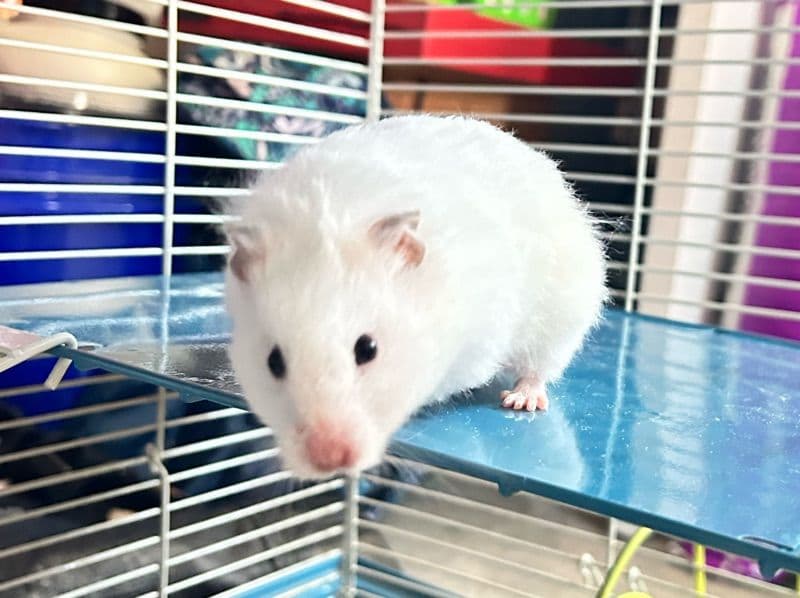
- Dwarf hamster. Three types (Roborovski, Winter White, Campbell's) and they are different. Ask which one before you buy.
- Chinese hamster. Solitary, slim, less common at pet stores. Find a small breeder for purebreds.
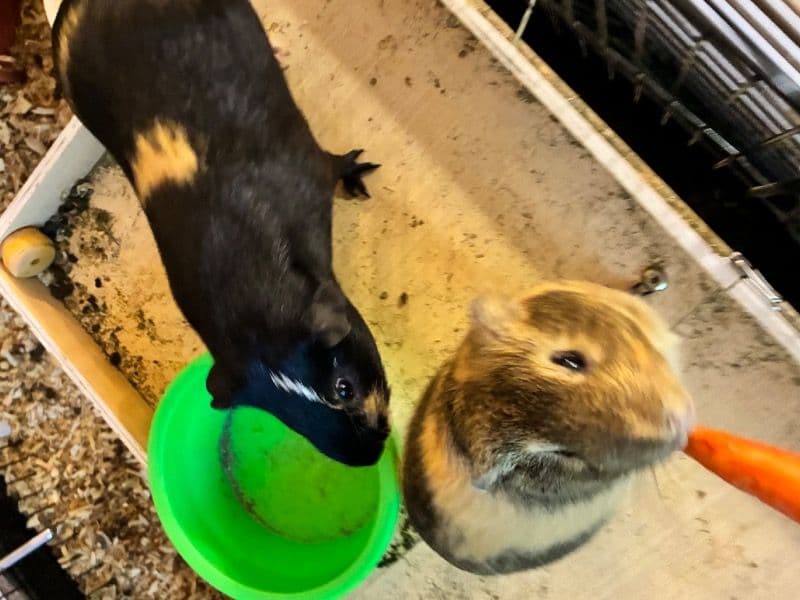
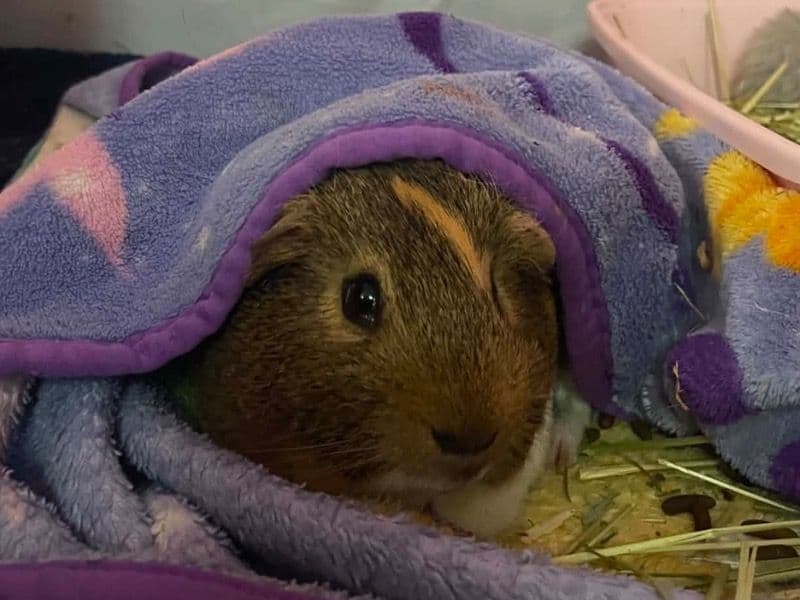
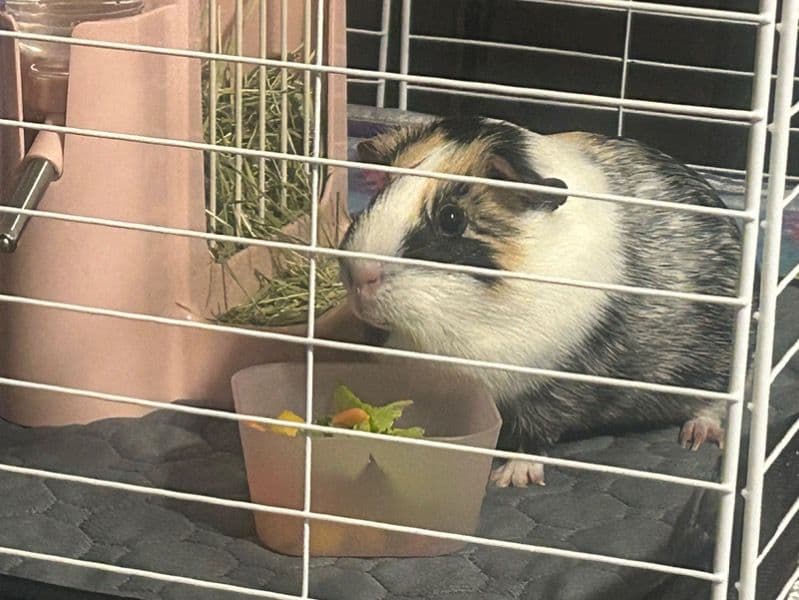
- Guinea pig. Strictly social. Buy two together; never just one. See guinea pigs for sale.
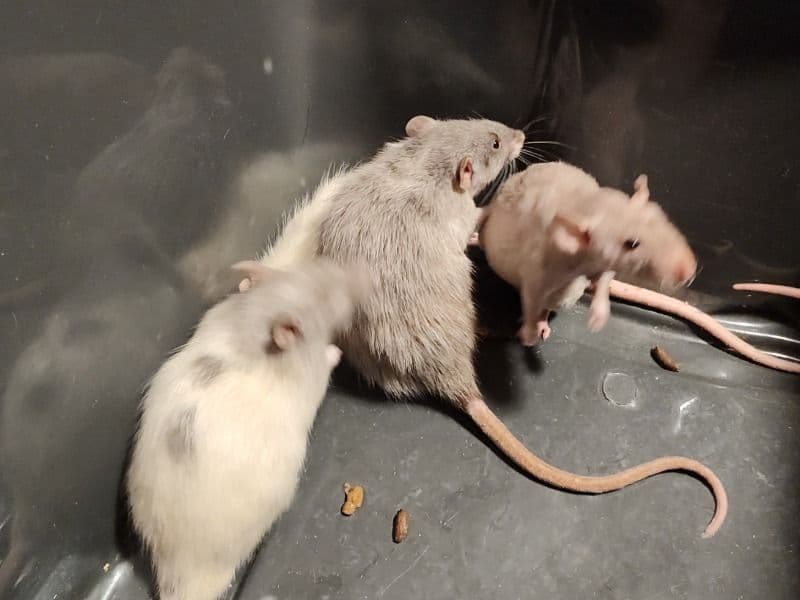
- Fancy rat. Strictly social. Buy two or three same-sex from a small breeder. Big breeders rarely health-test. See pet rats for sale.
- Fancy mouse. Females (does) live in groups; males (bucks) live alone because they fight. Short lifespan; ask the age in weeks.
- Chinchilla. 10 to 20 year commitment. Cool home needed (under 75°F). Buy from a breeder, not a pet store.
- African dormouse. Small, nocturnal, exotic. Restricted in some US states. Check legality first.
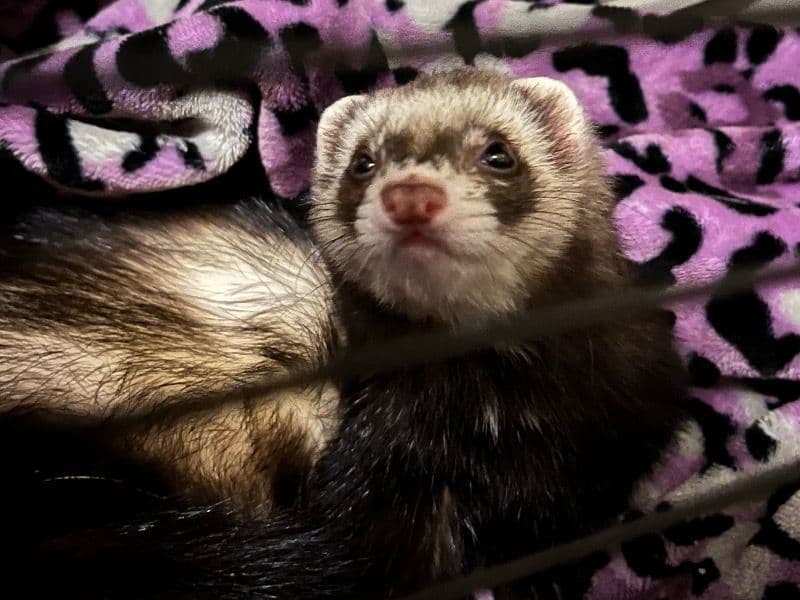
- Ferret. 6 to 10 year commitment. Banned in California, Hawaii, and New York City. Check legality before you buy.US ferret-legal states
Ferrets are mustelids (a different animal family that also includes weasels and otters), not rodents. We list them here because most buyers group them with small pets.
Where to buy a small pet
Where you buy shapes the rest. Here are four common paths, from best to worst.
Best
Small, careful breeder. The breeder raises a few animals at home. They know each one's parents, age, and diet. They ask about your setup before they sell. Find one through the AFRMA breeder list for rats and mice, or species clubs for other small pets.AFRMA Find a Breeder
Good
Rescue or adoption. Many small pets end up in rescues. They are usually past the nippy stage and come with a basic vet check. See our small pet adoption page.
Use caution
Local pet store. Pet stores buy from large breeders. The pets are often mixed-up by species and not well socialized. Some stores are better than others. Ask where the animals come from.
Avoid
Online marketplaces and fair vendors. Sight-unseen sales, classified-ad sellers, and exotic-pet fair vendors carry the most risk. Many are scams. Many sell sick or mis-sexed animals.
Skip holiday timing. Easter, Christmas, and school holidays are bad times to buy. Impulse purchases drive most of the small-pet surrender problem. A small pet is a years-long commitment, not a holiday gift.
One note on feeder rodents. Petmeetly is for pet companions only. Pet rats and mice listed here are not for feeding to snakes or reptiles. The American Fancy Rat and Mouse Association sets the same line for the US fancy-rat community.AFRMA Code of Ethics
Vetting the seller
Before you commit, ask the seller a few simple questions. Honest answers are a good sign. Deflection is a flag.
- How old is the pet, and how do you know?
- What does it eat each day?
- Has it seen a vet? Any known health problems?
- Can you show a short video of the pet in its current setup?
- What supplies do you include with the pet?
Watch out for these red flags.
- Same-day pickup pressure or “limited stock” urgency.
- Refusal to share a video or photo of the pet's current setup.
- Vague species labels (for example, a Campbell's dwarf sold as a Winter White).
- Many different species mixed together in one listing.
- A request to pay by wire transfer or gift card before you meet the pet.
Price ranges by species
Prices vary a lot by species and seller. Here is the broad picture before you commit.
- Pet store$5 to $90
Quick pickup, but lower welfare and less socialization. Common for hamsters, mice, and fancy rats.
- Small, careful breeder$30 to $200
Healthier, well-socialized pets with known parents and basic paperwork. Common for rats, mice, and dwarf hamsters.
- Show-quality or rare$200 to $1,500+
Pedigree paperwork, rare colors or coats. Common for chinchillas, ferrets, and other exotic small pets.
For specific price ranges by species, check the species sub-page.
Year-one costs go beyond the buying price. Plan for $300 to $800 a year on food, bedding, and pen parts. Save $300 to $500 extra for the first vet visit and emergency care. The cage and setup add $100 to $400 on top of the buying price if the seller does not include them.
First weeks at home
The first few days are about safety, not bonding. Small pets stress fast. Set up the cage before pickup. Give the pet a quiet first 24 hours. They will settle on their own.
Pickup-day 60-second health check.
- Eyes, nose, and ears clear and dry. No red discharge or crust.
- Teeth even and not too long. No drooling.
- Coat clean, no bald spots, no parasites.
- Pet alert and moving, not hunched, wobbly, or asleep when poked.
- First 3 days
Hiding, eating at night
The pet hides. It eats and drinks at night. Do not handle. Check in the morning that food and water look used.
- First 3 weeks
Settling into a routine
The pet picks favorite spots. It starts trusting your voice. Short, calm hand-feeding from outside the cage works well.
- First 3 months
Settled at home
The pet comes out for treats. It knows your routine. It feels at home.
Book a first-week vet visit. Most general vets do not see small pets often. Use the AEMV directory to find a vet who knows small pets (exotic vet) near you. Book the first visit for day 5 to day 7.AEMV Find an Exotic Vet directory
When buying goes wrong
Most purchases work out. Some do not. The pet arrives sick. The seller mis-sexed the pet. A photo turned out to be a scam. Plan a careful response, not panic.
Four common things that go wrong.
Scenario 1
The pet arrives sick
Call a small-pet vet (exotic vet) within 24 to 48 hours. Keep all receipts. Many sellers offer a short health guarantee, often 48 to 72 hours. Ask before pickup.
Scenario 2
The seller mis-sexed the pet
Common with young hamsters and mice. Confirm sex at the first vet visit. Talk to the seller about a replacement, a partial refund, or fixing (spay or neuter) costs.
Scenario 3
Sight-unseen scam
You sent money and the “seller” vanished, or the pet never arrived. Report to the FTC and your bank or payment app. Do not chase the money. Save your time for the next steps.FTC ReportFraud.gov
Scenario 4
Buyer's regret
The pet is not the right fit. Do not return it to a pet store; rehome through our small pet adoption page instead. Write an honest listing and ask for a video meet before pickup.
Hard stop
Do not release a small pet outdoors.
A pet hamster, mouse, rat, guinea pig, chinchilla, or ferret cannot live in the wild. They die fast from cold, predators, traffic, and disease. The CDC warns against it. In many places, outdoor release is also against the law. Rehome through our small pet adoption page instead.CDC Healthy Pets, Healthy People
A careful response is part of doing right by the pet, not a sign of failure. Browse small pets for sale on Petmeetly when you are ready to start over.

