Skip to content
637+ Border Collie dogs and puppies on Petmeetly

Border Collie dogs and puppies for sale

Browse the Border Collies listed on Petmeetly, then check the parents' hip and eye results and the seller's identity before you pay.

Border Collies available for sale

Puppies - Border Collie | Petmeetly

Puppies

Border Collie

1 month old,female
Houston County, Georgia, US
Vaccinated
Price: $500.00
View Listing
Lala - Border Collie | Petmeetly

Lala

Border Collie

1 month old,female
Houston County, Georgia, US
Vaccinated
Price: $500.00
View Listing
Maimai - Border Collie | Petmeetly

Maimai

Border Collie

3 months old,male
Greater London, England, GB
VaccinatedMicrochipped
Price: £900.00
View Listing

Looking at Border Collie dogs and puppies for sale, it is easy to fall for the smarts and the striking looks. The harder, more important question is whether you can give a working dog the exercise and the daily mental work it was bred for.

This guide covers what the breed needs, what the price should tell you, the health to test for, and how to avoid scams. Read it before you send anyone a deposit.

Border Collie listings on Petmeetly cover breeder puppies, adult dogs, Border Collie mixes, and owners rehoming a dog whose energy outpaced them. An adult deserves a hard look here, because a grown Border Collie has already shown whether it can settle in a normal house. It costs less too.

The smartest breed needs a job

Short answer

The Border Collie is the smartest dog breed, and that brain is the whole challenge. Bred to herd all day, it needs one to two hours of hard exercise plus real mental work. Without a job, a bored Border Collie invents one: chewing, barking, or spinning in circles. It is a brilliant dog for an active home, and a poor fit for a quiet one.

The Border Collie is ranked the most intelligent dog breed, learning a new command in fewer than five repetitions. That brain needs work, not just walks.

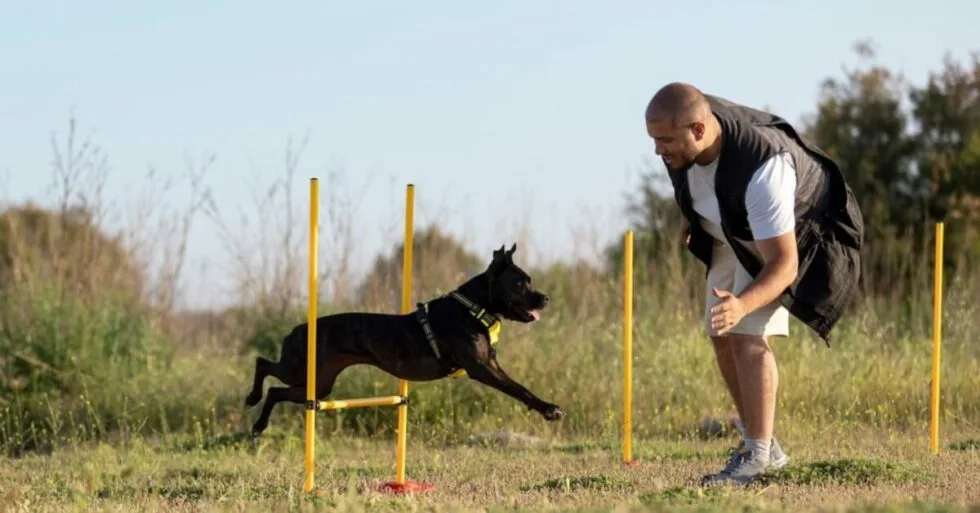
A job means an hour or two of real exercise a day, plus mental work like training, agility, flyball, herding, or nose work. Even ten or fifteen minutes of focused training tires a Border Collie as much as a long run.

An under-stimulated Border Collie does not just nap. It chews, digs, barks, and escapes, and it can develop compulsive habits like spinning or chasing shadows.

The herding instinct is part of the package. Bred to move livestock, many Border Collies chase and nip at moving things, including children, bikes, and cars. It is instinct, not aggression, and it needs redirecting into a sport or a task.

Be honest about the fit. This is a wonderful dog for a runner, a hiker, a farmer, or a dog-sport home. It is a hard dog for an apartment or a busy, away-all-day household.


What a Border Collie needs from you

  • One to two hours of hard exercise every day, rain or shine.
  • A daily job: training, agility, herding, or nose work.
  • An outlet for the herding instinct, so it does not chase kids or cars.
  • An active home, not an apartment or an empty house all day.

Considering another high-drive working breed? See our German Shepherd buyer guide.

Price, and working line vs show line

Short answer

Typical asking prices for a health-tested Border Collie puppy from a breeder in the US run $600 to $1,500, with show and proven working lines higher. One choice matters more than the price: working-bred pups have the most drive and are the hardest to satisfy in a pet home. For a busy family, a sport or show line is the smarter pick. Color is not a quality marker, so do not pay extra for a color like merle.

Typical asking prices for a health-tested puppy from a breeder (US)

  • Pet or companion line, health-tested (typical)$600 to $1,500
  • Show or proven working lines$1,500 to $4,000+
  • A "rare color" upchargeA marketing flag, not a tier

Plan for the real cost (time, not just money)

  • Your time: one to two hours a dayThe biggest cost
  • Food for an active medium dog$60 to $80 a month
  • Routine vet care$400 to $700 a year
  • Pet insurance$30 to $60 a month

The line matters more than the price. The American Border Collie Association (ABCA), the working registry, breeds purely for herding ability and drive. AKC show lines are bred for appearance and tend to have a calmer off switch. The ABCA prizes working ability so highly that it removes any dog that becomes an AKC conformation champion.

Here is what that means for you. A working-bred puppy has the most intense drive and is the hardest to satisfy in a normal home. Unless you herd livestock or compete seriously, a pet, sport, or show line is the kinder match for both of you.

The biggest cost is your time, not the purchase price. Food for an active medium dog runs about $60 to $80 a month. Routine vet care runs about $400 to $700 a year, with pet insurance around $30 to $60 a month. Budget for agility, herding, or training classes too, since they double as the mental work the breed needs.

Those tiers describe a puppy from a breeder. Adult Border Collies, Border Collie mixes, and dogs being rehomed by their owners are priced lower, and that lower price is honest, because nobody paid to raise a litter.

For more on what really drives a puppy's price, read how to find a quality puppy within your budget.

The health to test for

Short answer

Border Collies are fairly healthy, but carry a few inherited risks worth testing for: hip dysplasia (a poorly formed hip joint), eye disease (Collie Eye Anomaly), and epilepsy. A DNA panel also covers the MDR1 drug-sensitivity gene and two fatal puppy diseases, TNS and NCL. Buy from parents with hip, eye, and DNA results you can check. Most Border Collies then live 12 to 15 years.

What to know about Border Collie health

  • Hip dysplasia (a poorly formed hip joint), the breed's most common inherited orthopedic problem
  • Collie Eye Anomaly (an inherited eye fault that can harm vision), less common than in Rough Collies
  • The MDR1 drug-sensitivity gene, far less common than in Collies or Australian Shepherds
  • TNS and NCL, two fatal puppy diseases that a simple DNA test rules out
  • Epilepsy (seizures with no clear cause), more common than in the average breed
  • A lifespan of about 12 to 15 years

The most common inherited orthopedic problem is hip dysplasia, where the hip joint forms poorly and wears painfully. A breeder screens it with an OFA hip X-ray (the Orthopedic Foundation for Animals, a health-screening registry) on the parents. By OFA records, about 11 percent of screened Border Collies show some hip dysplasia.

Collie Eye Anomaly (CEA) is an inherited fault in the layer behind the retina that can harm vision. It is less common in Border Collies than in Rough Collies, and there is a DNA test plus a yearly eye exam (CAER) by a veterinary eye specialist.

The MDR1 gene is a change that lets certain common drugs build up to dangerous levels, including some dewormers, anesthetics, and the anti-diarrheal loperamide. It is far less common in Border Collies than in Collies or Australian Shepherds, but a cheap cheek-swab test is worth it, and an affected dog needs different drug doses.

Two fatal puppy diseases are worth a DNA test: TNS (Trapped Neutrophil Syndrome, where the immune system cannot fight infection) and NCL (a fatal nerve disease). Both are simple to test for, so a careful breeder clears the parents.

Epilepsy (seizures with no clear cause) is more common in Border Collies than in the average breed, usually starting between one and five years. There is no DNA test for it yet, so ask about the family history.

With healthy parents and good care, Border Collies live about 12 to 15 years. For the full breeding-side health detail, see our Border Collie breeding guide.

Every color is equal, and the double-merle warning

The AKC judges every Border Collie color equally, so coat color tells you nothing about a dog's health or working ability. Classic black and white is the best known, but the breed comes in many colors.

A few standard colors

Source: the AKC breed standard.

The one real color warning: never buy from a merle-to-merle litter

  • Merle is a normal, healthy Border Collie color on its own. The danger is breeding two merle dogs together.
  • A double merle (one merle parent is fine; two is the problem) is often mostly white and is frequently deaf, blind, or both. The merle gene affects the same pigment cells the inner ear and eyes need. Source: the AKC on merle.
  • A responsible breeder never pairs two merles. If a litter's mother and father are both merle, walk away.

How do you avoid a Border Collie scam?

Short answer

Most puppy scams open with a price that looks too good and a push to pay by Zelle, wire, gift card, or crypto. Scammers favor in-demand breeds, so verify any seller no matter the breed. The Better Business Bureau put the average puppy-scam loss at about $1,293 in 2024. Insist on a live video call with the puppy and its parents, and never send money you cannot get back.

Walk away if the seller...

  • wants payment by Zelle, Cash App, Venmo, wire, gift card, or crypto. Once sent, it is gone.
  • refuses a live video call showing the specific puppy with its parents.
  • pushes a "rare color" at a premium, or prices the puppy far below the market and cannot say which health tests the parents had.
  • adds surprise fees for "shipping," a "special crate," or "insurance" after the deposit.
  • sends a photo that turns up elsewhere on a reverse image search.

The Better Business Bureau tracks thousands of pet scams. Reported puppy-scam complaints fell about 21% in 2024, even as the average loss climbed. The FTC gives the same advice: insist on a video call, and never wire money. For more, read our guide on how to avoid puppy scams.

How to vet a responsible Border Collie breeder

A good breeder welcomes your questions and screens you in return. Here is what to see, verify, and expect.

Health-test the parents

  • The breed's CHIC program asks for hip and eye (CAER) checks.
  • Good breeders also run the DNA panel for CEA, MDR1, TNS, and NCL.
  • Verify the results yourself, free, in the OFA database.

Meet the parents

  • A good Border Collie is keen and eager to please, not fearful.
  • Watch the parents work or play, so you see the drive you will live with.

Expect to be screened

  • A responsible breeder asks about your activity level, home, and plans.
  • A seller who takes anyone's money is a red flag.

What the health checklist really covers

The breed's health program is CHIC (the Canine Health Information Center, a shared checklist run with the parent club). It asks for hip and eye (CAER) checks, and responsible breeders also run the DNA panel for CEA, the MDR1 gene, TNS, and NCL. Verify any result yourself, free, in the OFA database.

  • A CHIC number means the tests were done and made public, not that the dog passed, so read the actual results.
  • AKC registration certifies pedigree, not health. The AKC Bred with H.E.A.R.T. program asks breeders to health-test to the parent club's standard.
  • A breeder with more than four breeding females who sells sight-unseen must hold a USDA license. A seller who asks you nothing is itself a red flag.
  • About 22 states have puppy lemon laws that give some refund or vet-cost rights if a puppy is sick.

Petmeetly connects you directly with people listing Border Collies, with no broker in the middle. Use the checks above, and be ready to give this dog the job it needs. Open to an adult dog instead of a puppy? See how to adopt a Border Collie.

Selling your Border Collie?

Buyers on this page are told to verify everything, so put the proof in your listing.

  • The parents' OFA hip result and CAER eye exam date, plus the DNA panel for CEA, MDR1, TNS, and NCL, so buyers can look them up on ofa.org.
  • Whether the dog is a purebred Border Collie or a mix, its age, and its registration status with the ABCA or the AKC.
  • Working lines or show lines, because that decides how much drive the buyer is taking on.
  • Any known health condition, including a seizure history in the dog or its parents, written into the listing rather than mentioned later.
  • No rare-color pitch, and confirmation that the litter did not come from two merle parents.
  • Never before 8 weeks. Many states set 8 weeks as the legal minimum and some set none, so check your state's rules.
  • A written agreement with a return clause, a traceable payment method, and deposit terms in writing.
List your Border Collie

Frequently Asked Questions About Border Collie Dogs and Puppies

Get answers to common questions about buying Border Collies responsibly

How much should a Border Collie cost, and what does a low price tell me?

Typical asking prices for a health-tested Border Collie puppy from a breeder in the US run $600 to $1,500, with show and proven working lines higher. A price far under that range is a prompt to ask for the parents' results by name. Ask for the OFA hip result, the CAER eye exam date, and the DNA panel for CEA, MDR1, TNS, and NCL, then look them up on ofa.org. Color is not a quality marker, so do not pay a premium for "rare" colors like merle. Adult Border Collies, Border Collie mixes, and owner rehomes cost less for honest reasons, so judge those listings on the dog and the records.

Are Border Collies good pets for families or apartments?

A Border Collie can be a wonderful family dog in an active home, but it is a poor fit for a quiet or apartment-bound life. It needs one to two hours of hard exercise plus a daily "job" like training, agility, or herding, or it gets bored and destructive. Its herding instinct can also lead to nipping at running children, so it suits older, active kids best.

What health problems do Border Collies have?

The main inherited risks are hip dysplasia (a poorly formed hip joint), Collie Eye Anomaly (an eye disease), and epilepsy. A simple DNA test also covers the MDR1 drug-sensitivity gene and two fatal puppy diseases, TNS and NCL. Buy from parents with hip, eye, and DNA results you can verify. With healthy parents, Border Collies usually live 12 to 15 years.

What is the MDR1 gene in Border Collies?

MDR1 is a gene change that lets certain common drugs (some dewormers, anesthetics, and the anti-diarrheal loperamide) build up to dangerous levels. It is far less common in Border Collies than in Collies or Australian Shepherds, but a cheap cheek-swab DNA test settles it, and an affected dog needs adjusted drug doses. If your dog is positive, tell your vet before any medication.

How do I avoid a Border Collie scam?

Insist on a live video call showing the specific puppy with its parents, and never pay by wire, Zelle, gift card, or crypto, because that money cannot be recovered. The Better Business Bureau put the average puppy-scam loss at about $1,293 in 2024. Verify the parents' health tests yourself on ofa.org before you send anything.

Keep reading

More vetted material for Border Collie buyers

Find your Border Collie

Browse Border Collies listed on Petmeetly, then use the exercise, line, health, and seller checks above before you pay.

No card required to sign up.