01
What health tests does an Australian Shepherd need before breeding?
The core CHIC tests are hips, elbows, and a yearly eye exam by a veterinary ophthalmologist. On top of those, every breeding Aussie should have the MDR1 drug-sensitivity DNA test and the breed DNA panel for eye and spinal-cord diseases. CHIC asks that the results be public, not that every result is perfect.
02
What is the MDR1 gene, and can you breed a carrier?
MDR1 is a gene change that lets certain drugs build up in the brain, and about half of all Aussies carry at least one copy. You can breed a carrier safely by pairing it with a dog that tests clear. Removing every carrier would gut the breed, so the goal is testing and smart pairing, not culling.
03
Why should you never breed two merle Australian Shepherds together?
Merle is a dominant coat-pattern gene, and pairing two merles means about a quarter of the puppies inherit two copies, called double merle. Double-merle Aussies have very high rates of deafness and blinding eye defects. This is the clearest rule in Aussie breeding: never pair two merles.
04
What is a double merle, and what health problems does it have?
A double merle inherits two copies of the merle gene, usually from a merle-to-merle pairing, and is mostly white. The AKC reports that about 56 percent of double-merle Aussies are deaf in both ears, against under 1 percent of single merles. They also have a high rate of eye defects, including abnormally small eyes.
05
What colors can a purebred Australian Shepherd be?
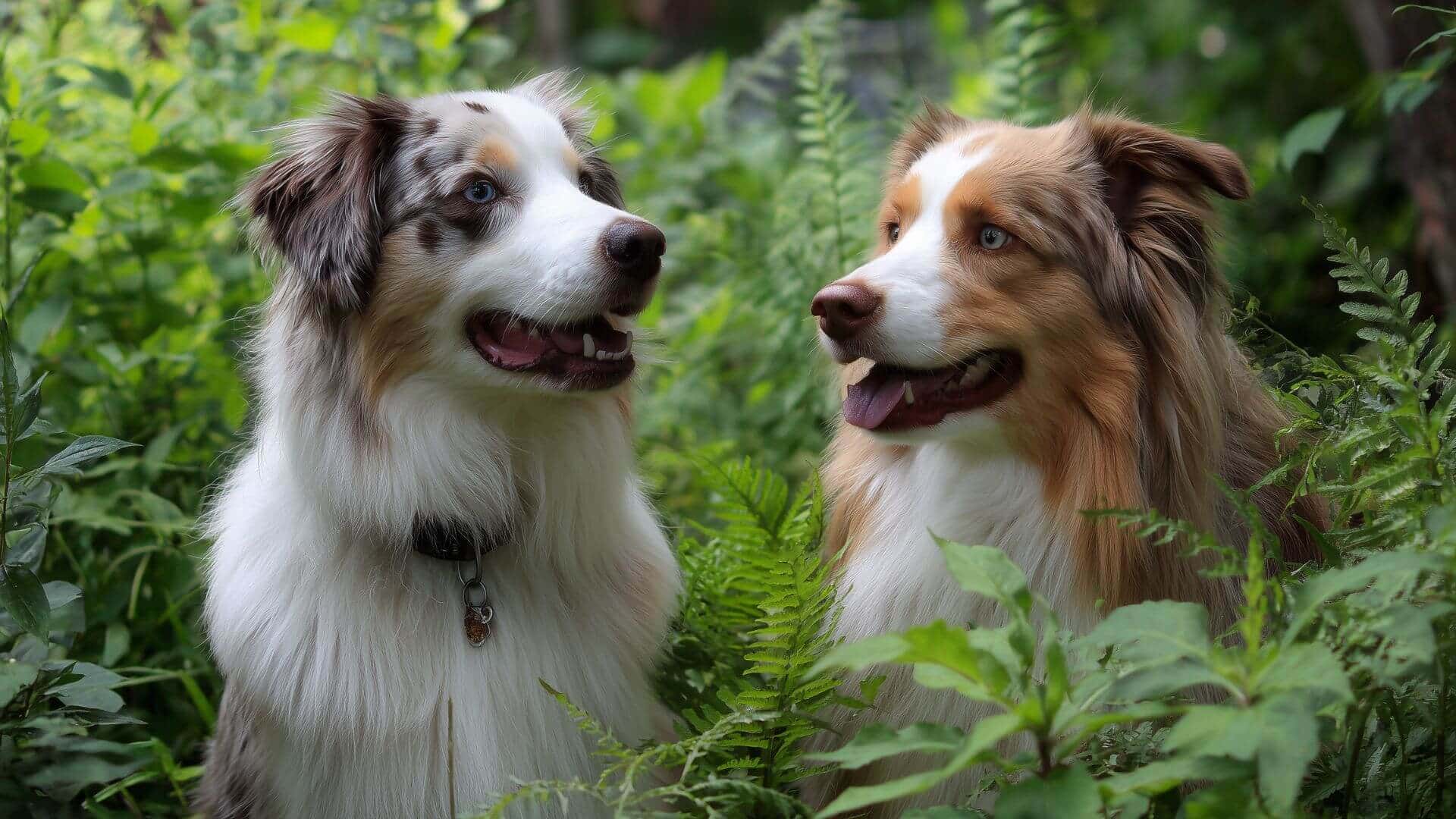
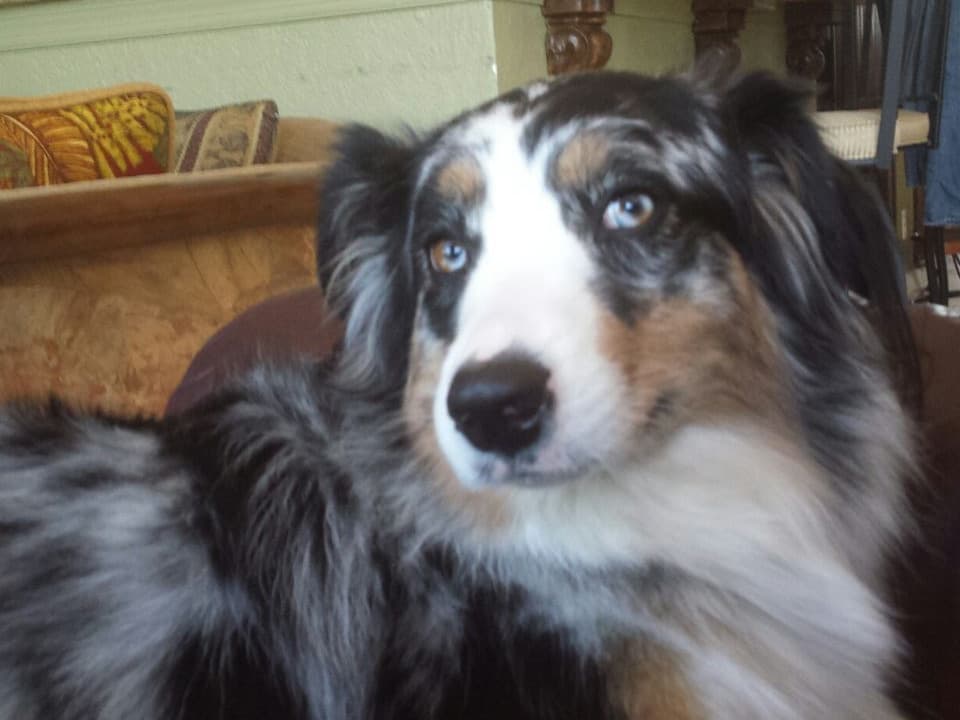
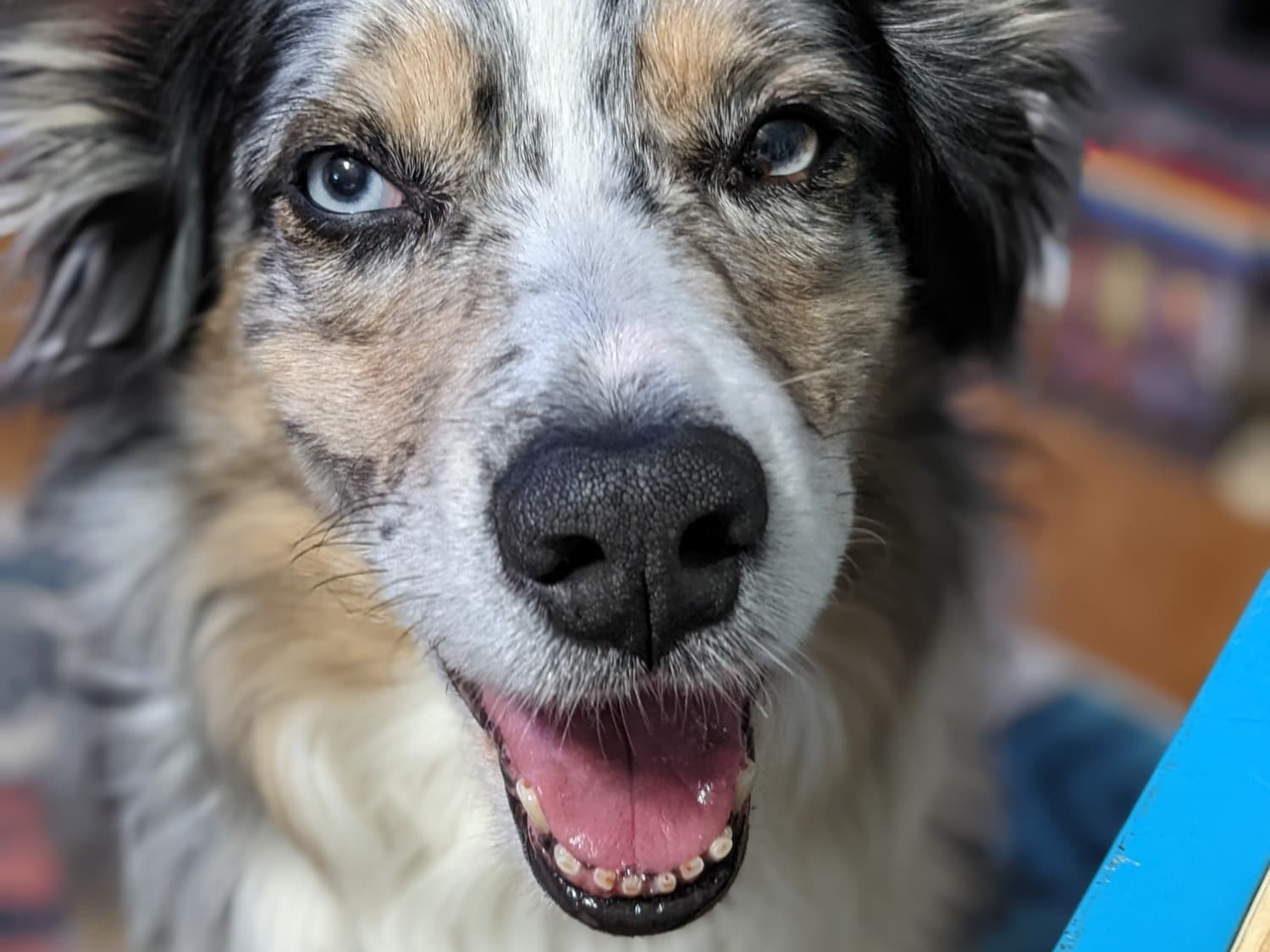
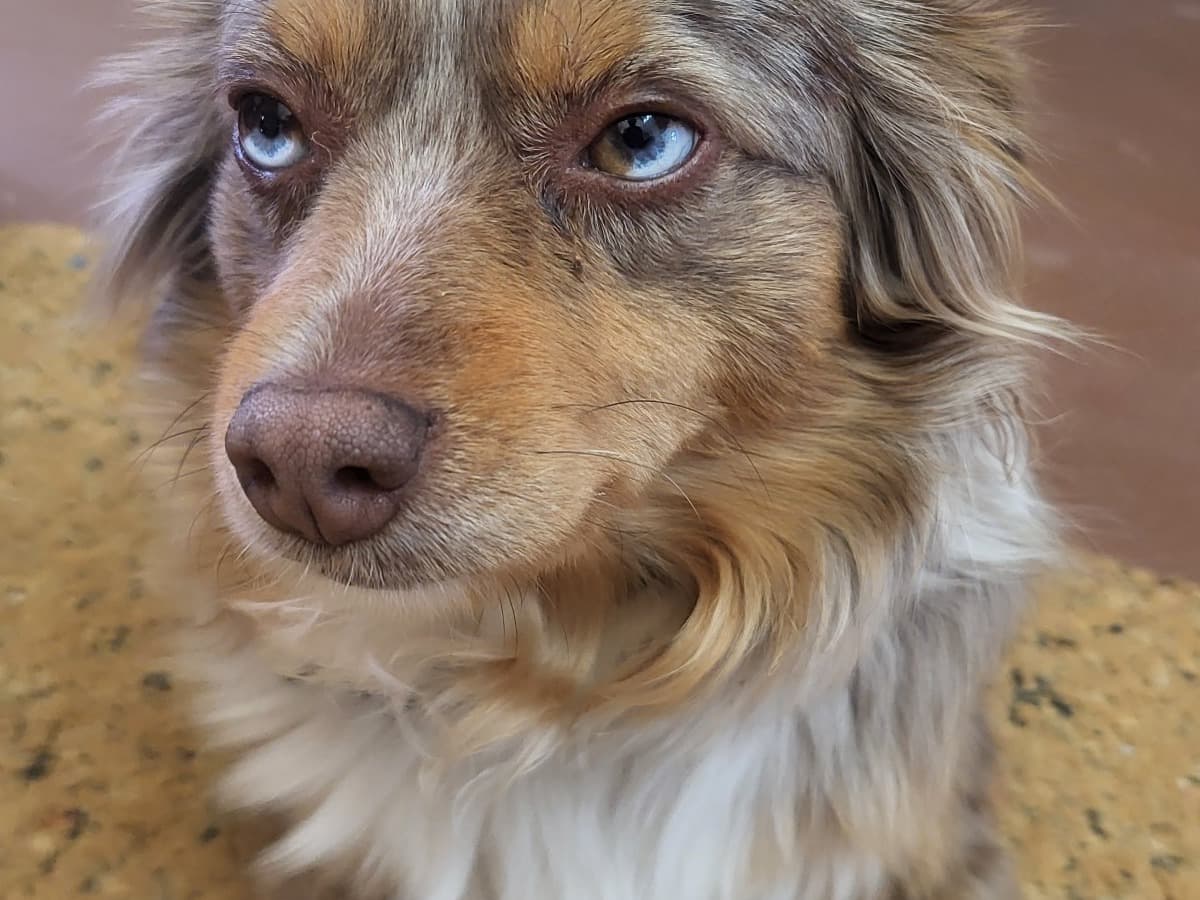
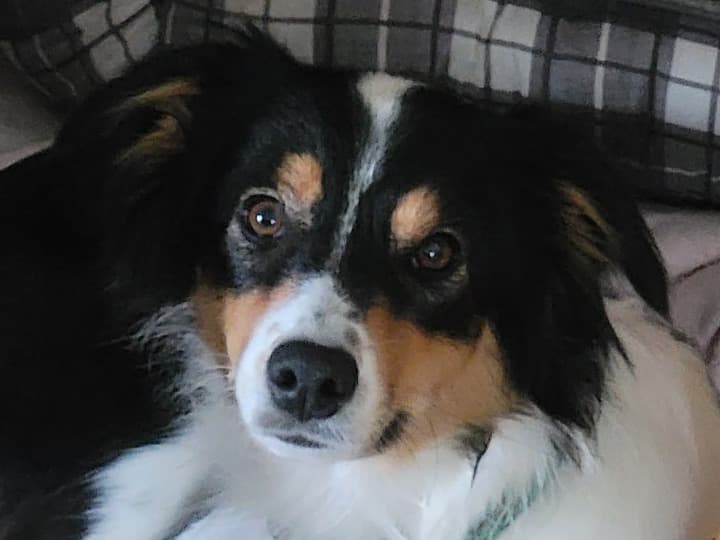
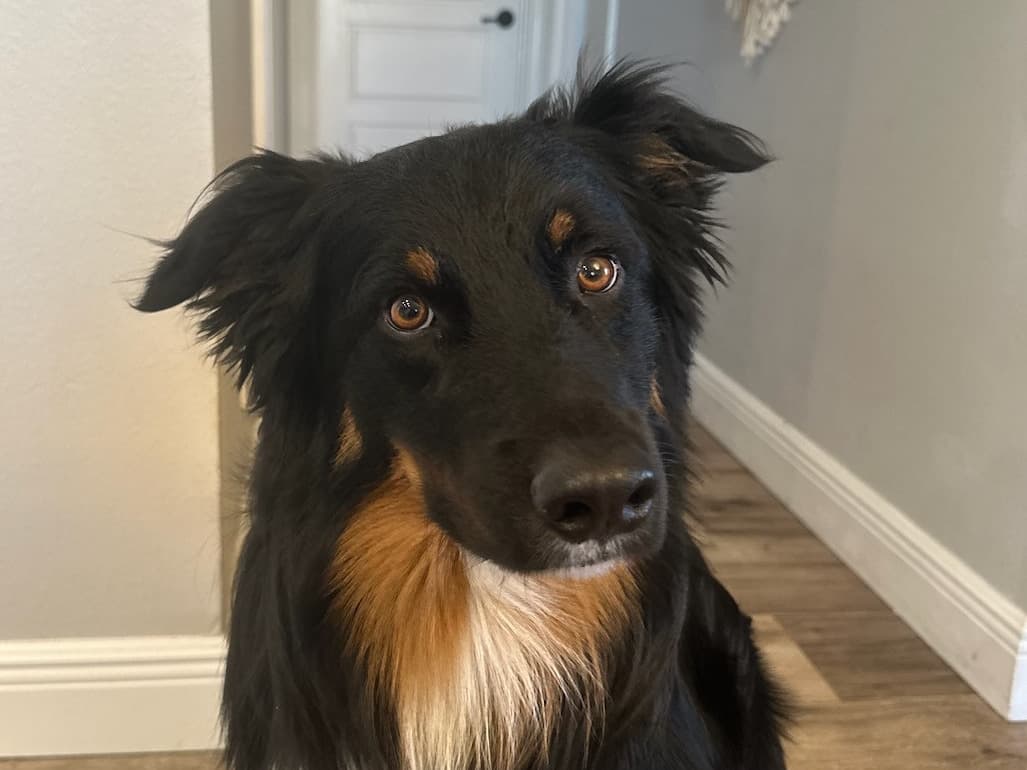
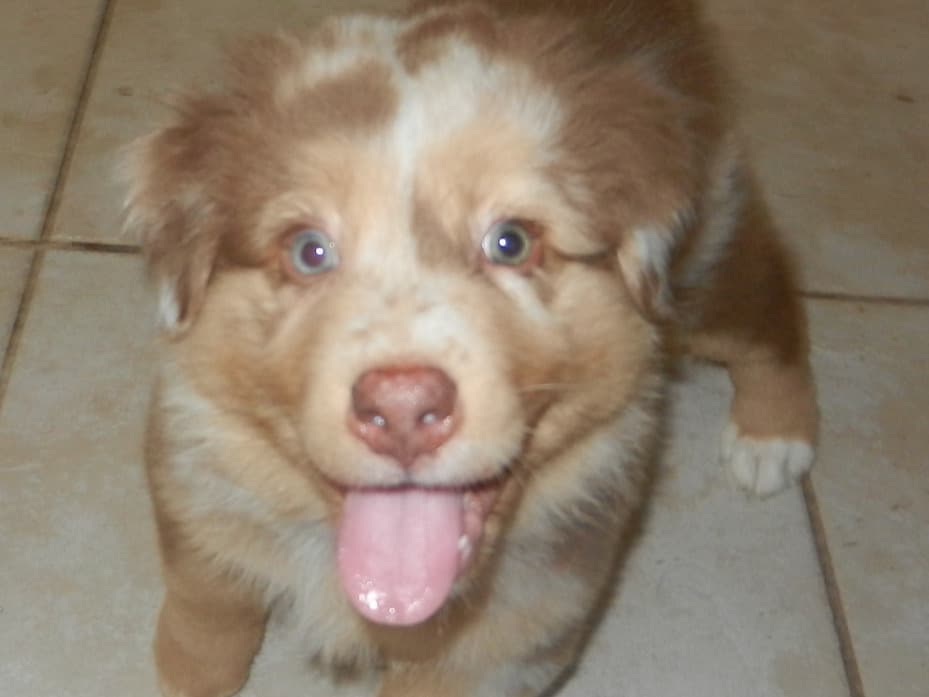
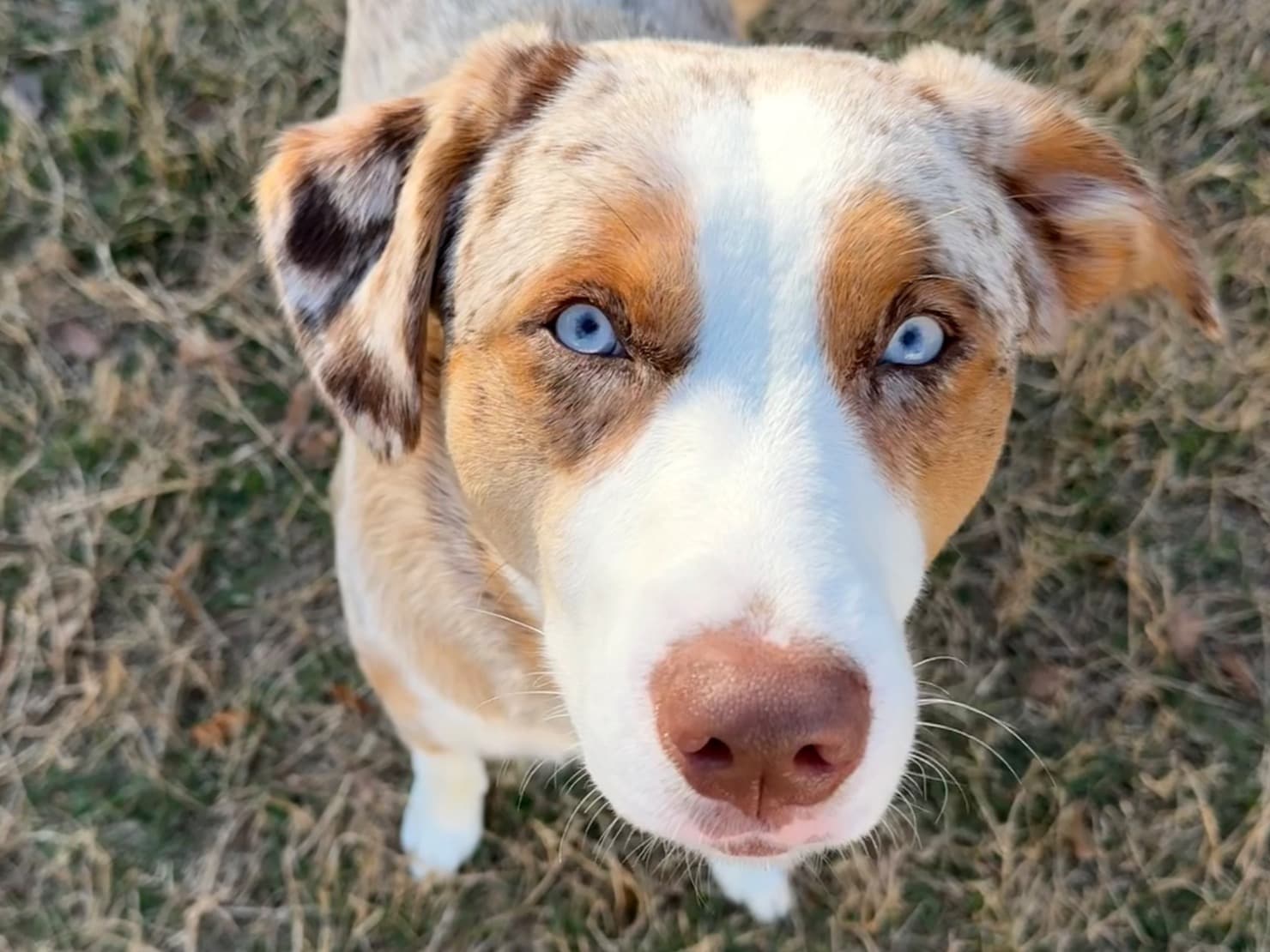
There are four recognized colors, each with or without white and copper trim: black, red (liver), blue merle, and red merle. Eye color varies widely, and two different-colored eyes is normal. Predominantly white usually points to a merle-to-merle pairing and is not a recognized color.
06
Can you breed two natural-bobtail Aussies together?
No. The natural bobtail comes from a dominant gene, and puppies that inherit two copies usually die before birth with spinal defects. So at least one parent in a bobtail litter must have a full tail. A DNA test confirms which dogs carry the bobtail gene.
07
At what age can you breed an Australian Shepherd?
Wait until the dog is fully grown and fully cleared. The OFA certifies hips and elbows at 24 months, so a first litter usually comes after age 2. DNA tests can be run at any age, but the x-ray and eye clearances are the gate.
08
How big is a typical Australian Shepherd litter?
A typical Aussie litter is about 6 to 7 puppies, and pregnancy lasts roughly 63 days. Aussies are medium-sized dogs and usually whelp without trouble. A late-pregnancy x-ray confirms the puppy count so you know when whelping is finished.
09
How much does it cost to breed an Australian Shepherd litter?
Plan for roughly 3,000 to 8,500 dollars for a first litter before any puppy sells, covering DNA and health testing, the stud fee, progesterone timing, and whelping. A litter of 6 to 7 puppies can bring in 8,000 to 18,000 dollars at market prices. But an emergency C-section or a sick puppy can erase that margin fast.
10
Do you have to dock an Australian Shepherd’s tail?
No. Many Aussies are born with a natural bobtail, and a full natural tail is legal everywhere. Docking is cosmetic, banned in the United Kingdom and Australia, and the American Veterinary Medical Association opposes it when done only for looks.
11
What is the difference between a working-line and a show-line Aussie?
They are the same breed in two types. Working or herding lines are leaner and very high-drive, bred to move livestock. Show or conformation lines are bred to the written standard and often carry a fuller coat. Both need the same health testing.
12
How long do Australian Shepherds live?
Australian Shepherds typically live 12 to 15 years, and one large 2024 dataset put their median life expectancy near 13.7 years. Cancer is the leading cause of death in the breed, so longevity in a dog’s close relatives is worth checking before you breed.