Best Age To Breed A Dog (Male & Female)
Find out the best age to breed dogs and the key factors involved. Ensure your dog’s health and safety with our expert breeding insights.

Connect with responsible Cavalier breeders and find the ideal breeding partner for your gentle companion
Essential characteristics to consider when breeding these gentle companions
9-14 years
Years of royal devotion
Affectionate, Gentle
The comforter spaniel
Discover what makes Cavaliers exceptional breeding companions and why they're treasured worldwide
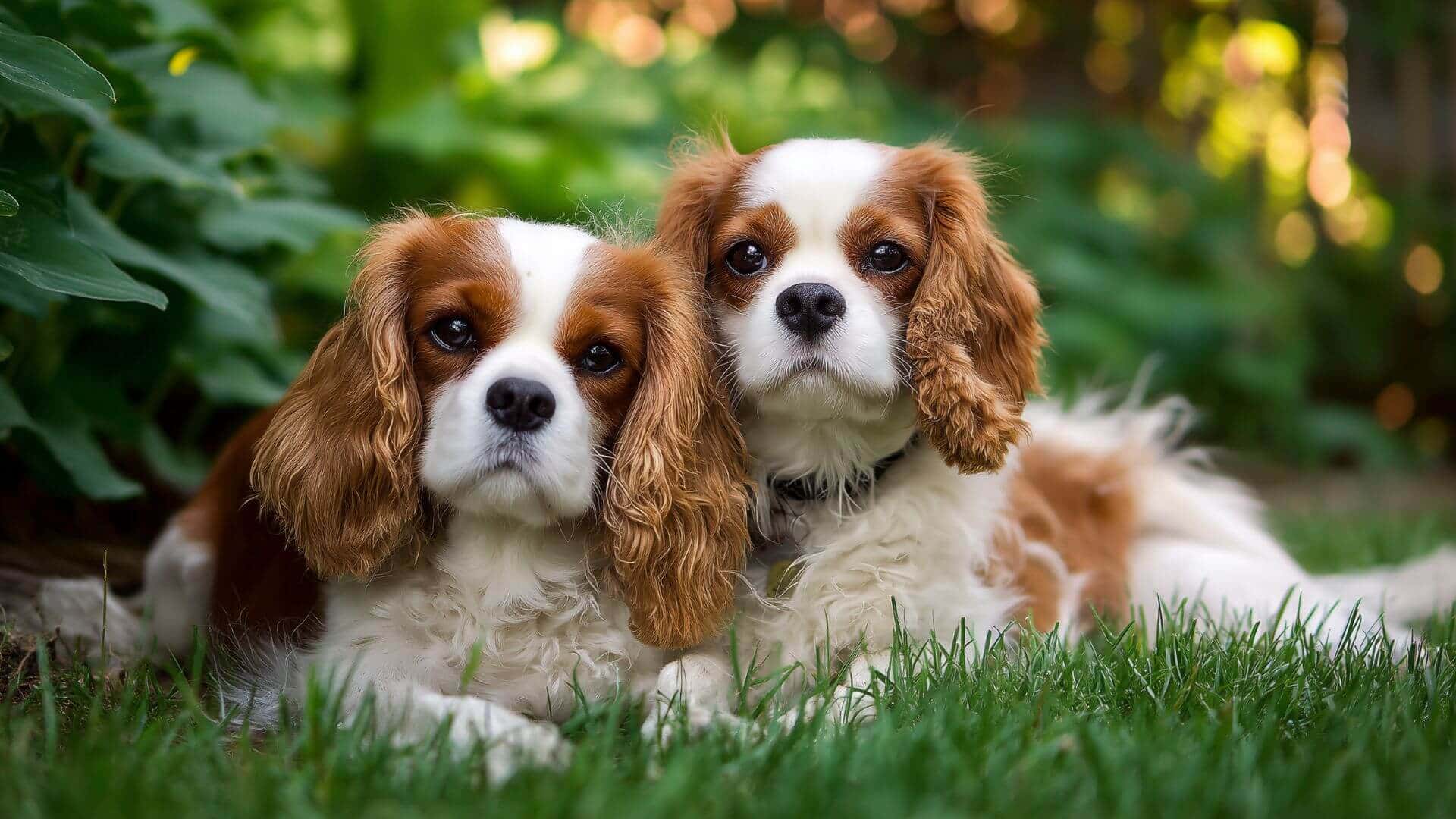
Cavaliers are the ultimate companion dogs, bred specifically for royalty. Their gentle, affectionate nature creates unbreakable bonds with families, making them perfect therapy dogs and emotional support companions.
Companion dog genetics
Comfort spaniels create lasting family bonds
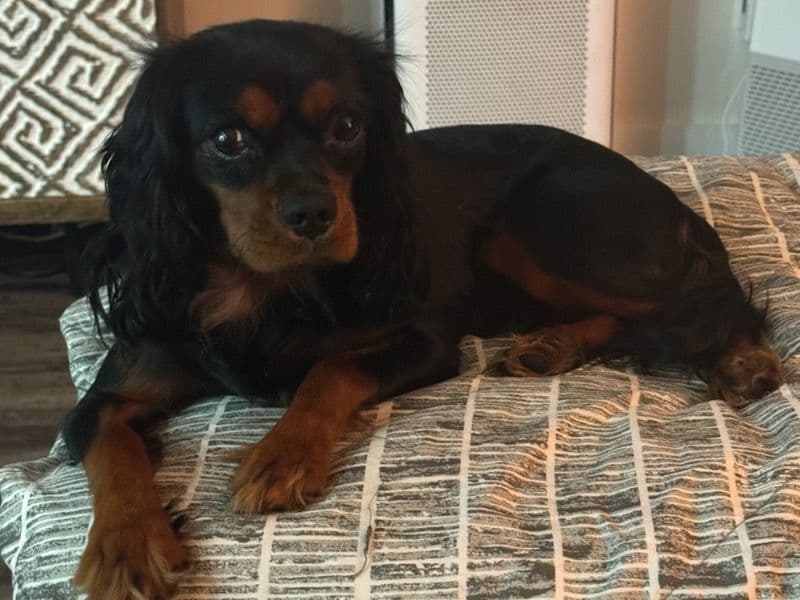
Each Cavalier color variety offers unique beauty. From the popular Blenheim with its lucky spot tradition to the rich Ruby, every color represents centuries of careful breeding.
Cavaliers thrive on companionship and love everyone they meet. They're often kept in pairs because they do poorly when left alone, making them perfect for families who want multiple pets.
The MVD Breeding Protocol is your roadmap to healthier hearts! By waiting until 2.5 years AND ensuring heart clearance at 2 years, you're selecting for later onset of mitral valve disease and creating stronger generations.
Your testing commitment ensures healthier, happier Cavaliers
These exceptional traits make Cavaliers one of the most beloved companion breeds worldwide
Follow these essential guidelines for responsible and successful Cavalier breeding
The MVD Protocol timing ensures the strongest hearts for breeding. Your patience creates healthier generations of loving companions.
MRI for Syringomyelia highly recommended
Once per year max
3-4 litters lifetime
Skip one heat cycle
Between litters
Quality breeding with comprehensive testing ensures the best outcomes.
Shapes their gentle temperament
Key Focus Areas:
Early socialization ensures confident companion dogs.
Episodic Falling
Never breed two carriers
Curly Coat
Avoid affected puppies
Color Genetics
Predict coat patterns
Genetic testing empowers smart breeding choices for healthy puppies.
Family Partnership
Share all health information
Pet Insurance
Recommend for all families
Companionship Needs
Screen for adequate attention
Lifetime Support
Stay connected with families
Connect with verified Cavalier owners for safe and ethical breeding

Cavalier King Charles Spaniel

Cavalier King Charles Spaniel

Cavalier King Charles Spaniel

Cavalier King Charles Spaniel

Cavalier King Charles Spaniel

Cavalier King Charles Spaniel

Cavalier King Charles Spaniel

Cavalier King Charles Spaniel
From profile to puppies - your cavalier king charles spaniel breeding journey in 4 simple steps
Set up a detailed profile with photos, health records, and pedigree information
Browse verified breeding partners based on breed, location, and compatibility
Message owners directly to discuss breeding plans and health certifications
Meet safely, complete breeding agreements, and welcome healthy puppies
Set up a detailed profile with photos, health records, and pedigree information
Browse verified breeding partners based on breed, location, and compatibility
Message owners directly to discuss breeding plans and health certifications
Meet safely, complete breeding agreements, and welcome healthy puppies
Join thousands of responsible cavalier king charles spaniel owners who trust us for quality breeding connections
Every breeder is verified, ensuring you connect with genuine, responsible pet owners.
Find breeding partners near you to make meetings convenient and stress-free.
Customize your search with detailed filters for breed, age, health status, and more.
Chat directly with pet owners to discuss all details before making any commitments.
Join thousands of responsible cavalier king charles spaniel owners who've found quality breeding partners on Petmeetly.
Get Started NowReal stories from dog owners who found perfect breeding matches on Petmeetly
It was great, we plan to meet in late May.
Lisa Mattocks
North Carolina, US
Thanks to you, our search for a perfect match was a heartwarming success! We're so grateful for your help in bringing joy to our family.
Ember Bonilla
Florida, US
It’s been wonderful connecting with people nearby. We’ve found a dog that’s almost exactly what we were looking for and seems very compatible. We just haven’t met in person yet, but we’re very satisfied with the experience so far
Mac
Florida, US
Modern health testing empowers you to create vibrant, healthy Cavalier bloodlines that thrive for generations
Regular cardiac evaluations ensure strong hearts! Testing at 2.5 and 5 years empowers informed breeding decisions for devoted companions.
Episodic Falling Test
Genetic testing ensures carefree play
Hip & Joint Strength
OFA/PennHIP confirms sturdy structure
Smart testing creates bouncing puppies
MRI screening celebrates their health! Modern technology helps select partners for comfortable, pain-free lives.
Proactive screening ensures comfort throughout life.
Genetic testing creates silky-coated beauties! Understanding genetics ensures gorgeous coats and comfortable eyes throughout life.
Your care ensures beautiful Cavaliers
OFA patella evaluation celebrates their agility! Your testing ensures puppies enjoy bouncing and playing without limits.
Most Cavaliers have excellent knee structure
Comprehensive testing empowers informed decisions for healthier generations!
Your commitment creates excellence
Your commitment to comprehensive health testing creates thriving Cavalier bloodlines! By following the MVD Protocol and utilizing modern genetic testing, you're selecting for healthier hearts, comfortable movement, and joyful temperaments.
Your testing creates healthier, happier Cavaliers
Expert advice and tips for Cavalier breeding

Find out the best age to breed dogs and the key factors involved. Ensure your dog’s health and safety with our expert breeding insights.

Understand the importance of socializing your pet. This guide will help you create positive experiences for your pet, ensuring they thrive in various environments.

Planning to breed your dog? Use our step-by-step dog breeding checklists to manage health tests, mating, whelping and puppy care—always with vet-backed guidance.
Get answers to common questions about breeding Cavalier King Charles Spaniels responsibly
Mitral Valve Disease (MVD) is an epidemic in Cavaliers - 50% develop heart murmurs by age 5 and nearly 100% by age 10. This polygenetic condition causes the mitral valve to degenerate, leading to congestive heart failure. The MVD Protocol requires breeding dogs be at least 2.5 years old AND heart clear at 2 years, with both parents meeting these criteria. Annual cardiac exams by cardiologists are mandatory. Early-onset MVD (before age 5) is highly hereditary. While treatment exists, there's no cure, making careful breeding selection critical.
Syringomyelia affects 70% of Cavaliers due to their skull being too small for their brain (Chiari-like malformation). This causes fluid-filled cavities in the spinal cord, resulting in severe pain. Symptoms include phantom scratching, screaming when touched, reluctance to be petted, and head/neck pain. MRI is the only definitive diagnosis ($1,500-3,000). Breeding guidelines: only breed A (normal) to A, or A to C grades - never D or E. The condition typically manifests between 6 months and 3 years, severely impacting quality of life.
Episodic Falling is a muscle disorder unique to Cavaliers causing temporary rigidity during exercise, excitement, or stress. The dog remains conscious but cannot move, with episodes lasting seconds to minutes. It typically starts between 4 months and 4 years. It's autosomal recessive, so DNA testing is MANDATORY for all breeding stock. Never breed two carriers as this produces 25% affected offspring. While there's no cure, it's manageable with medication. Affected dogs show sudden falling, rigid limb extension, and a characteristic 'deer stalking' gait.
Curly Coat syndrome is a lethal genetic disorder when inherited from both parents. Affected puppies have rough, curly coats instead of silky ones, plus eye abnormalities (microphthalmos, cataracts), kidney and liver issues, and failure to thrive. Homozygous puppies die young. DNA testing is MANDATORY because carriers appear completely normal. Never breed two carriers together as 25% of puppies will be affected and die. The test is simple and inexpensive compared to the heartbreak of producing affected puppies.
The MVD Protocol is mandatory for ethical Cavalier breeding: Dogs must be minimum 2.5 years old AND have clear hearts at 2 years before breeding. Both parents must meet these criteria. Annual cardiac examinations by board-certified cardiologists (not just vets) are required throughout breeding career. Echocardiograms are more accurate than auscultation alone. Retire any dog immediately upon detecting a heart murmur. This protocol aims to delay MVD onset and reduce early-onset disease in offspring. Breeding before 2.5 years perpetuates early MVD.
Primary Secretory Otitis Media (PSOM) or 'glue ear' affects 40% of Cavaliers. Thick mucus plugs form in the middle ear causing hearing loss, head shaking, ear scratching, pain, and balance problems. Diagnosis requires otoscopic examination or MRI/CT scan. Treatment involves myringotomy (surgical drainage), but the condition often recurs requiring repeated procedures. Untreated PSOM can lead to deafness. All breeding stock should be checked for signs, though the hereditary component isn't fully understood.
Cavaliers suffer multiple hereditary eye conditions: cataracts (can appear young), corneal dystrophy (cloudy spots), retinal dysplasia (abnormal development), and microphthalmia (abnormally small eyes). Annual CERF/OFA eye examinations are MANDATORY for all breeding stock. Affected dogs shouldn't be bred as many conditions are hereditary and some cause blindness. Early detection through regular screening helps identify issues before breeding and ensures puppies have the best chance at healthy vision.
Despite their small size, Cavaliers have significant orthopedic issues. Hip dysplasia affects 12% (moderate for their size), requiring OFA or PennHIP testing for all breeding stock. Luxating patellas affect 15%, causing lameness and arthritis. OFA patella evaluation is mandatory - dogs with Grade 2 or higher shouldn't be bred. These conditions can significantly impact quality of life and require expensive surgery. Proper testing helps reduce incidence in future generations.
Cavaliers were nearly extinct after WWI and recreated from a small gene pool in the 1920s, creating a genetic bottleneck. Breeding for extreme features (domed skull, large eyes) contributed to problems like syringomyelia. Popular sire syndrome further reduced genetic diversity. The breed's loving temperament led to popularity despite health issues, with some breeders prioritizing appearance over health. These combined factors created a breed with wonderful temperament but severe health challenges requiring extensive testing and careful breeding.
Responsible Cavalier breeding is extremely expensive due to extensive health testing requirements. Annual cardiac exams: $300-500. MRI for syringomyelia: $1,500-3,000. Genetic tests (EF, CC): $150 each. Eye exams: $150 annually. Hip/patella evaluations: $400-600. Total health testing per dog: $2,500-4,500. Small litters (2-6 puppies) mean high cost per puppy. Add routine veterinary care, quality food, and potential C-sections. Only breed if prepared for these costs - cutting corners perpetuates health problems.
Discover breeding guides for different dog breeds and find the perfect match for your breeding program
Join our community of responsible Cavalier breeders committed to preserving this noble breed