PetmeetlyPetmeetly
Find a match
Dog Breeders & Stud Dogs
Dogs For Sale
Dogs For Adoption
Cat Breeders & Stud Cats
Cats For Sale
Cats For Adoption
Rabbit Breeders
Rabbits For Sale
Rabbits For Adoption
Small Pet Breeders
Small Pets For Sale
Small Pets For Adoption
How It Works
Pet Blogs
Testimonials
About Us
Find a match

Dogs & Puppies

Dog Breeders & Stud DogsDogs For SaleDogs For Adoption

Cats & Kittens

Cat Breeders & Stud CatsCats For SaleCats For Adoption

Rabbits

Rabbit BreedersRabbits For SaleRabbits For Adoption

Small Pets

Small Pet BreedersSmall Pets For SaleSmall Pets For Adoption

Resources

How It WorksPet BlogsTestimonialsAbout Us
Find a MatchSign In
Petmeetly

Your platform for finding the perfect pet companion. Connect with pet owners and discover loving pets looking for homes.

App StoreGoogle Play

Quick Links

  • Home
  • How It Works
  • About Us
  • Editorial Team & Reviewers
  • Blog
  • Privacy Policy
  • Trust & Safety

Dogs

  • Dog Breeders
  • Dogs for Adoption
  • Dogs for Sale

Cats

  • Cat Breeders
  • Cats for Adoption
  • Cats for Sale

Rabbits

  • Rabbit Breeders
  • Rabbits for Adoption
  • Rabbits for Sale

Small Pets

  • Small Pet Breeders
  • Small Pets for Adoption
  • Small Pets for Sale

© 2026 Petmeetly. All rights reserved.

PrivacyTerms
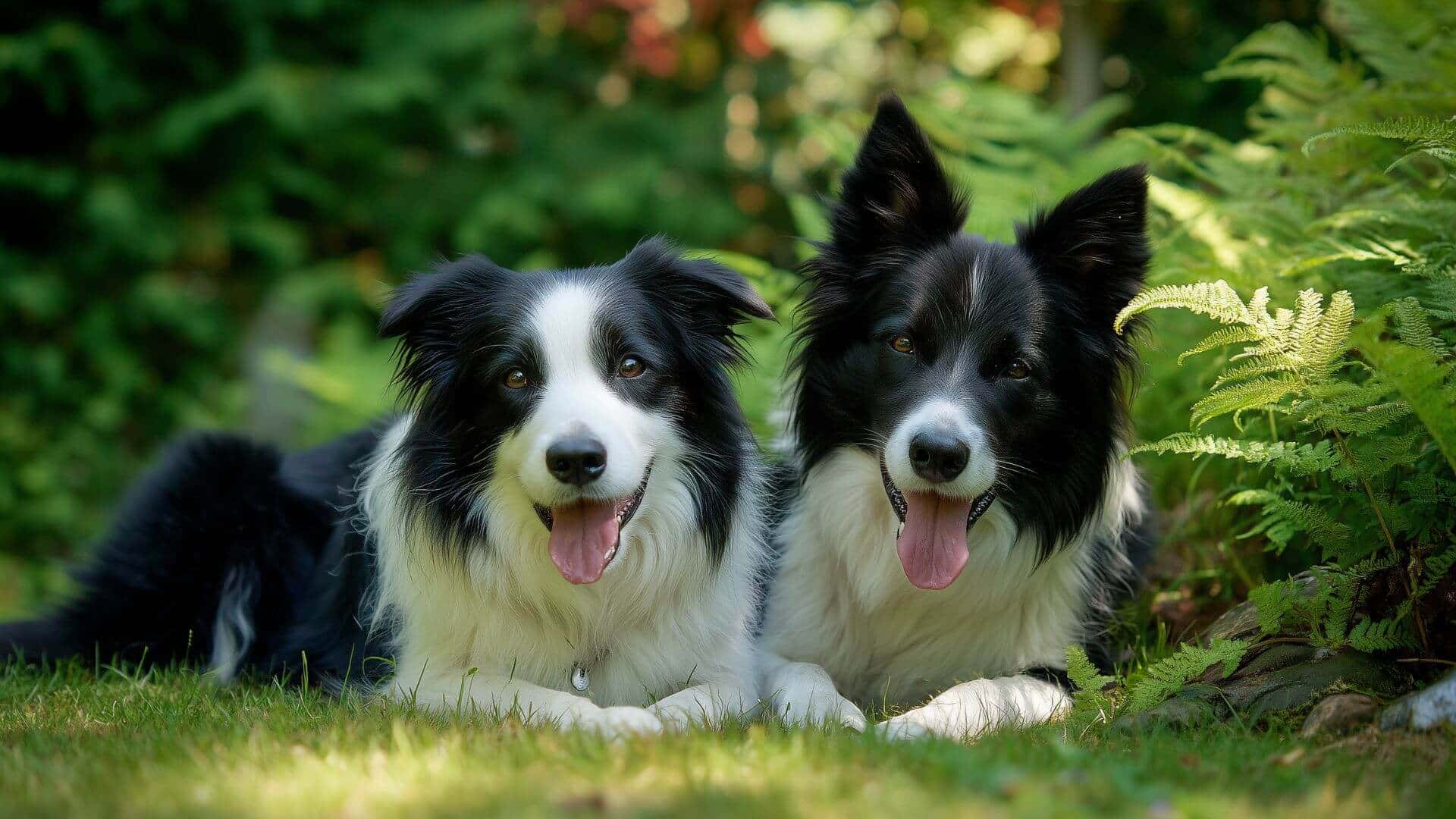
Two classic black-and-white Border Collies lying together on grass in warm daylight

The Border Collie breeding guide

Breed the world’s hardest-working dog responsibly: run the DNA tests that matter, choose for temperament and working ability over looks, and place every puppy in a home that can keep up.

Find a breeding matchBrowse Border Collies
  1. Home
  2. /
  3. Dog Breeding
  4. /
  5. Border Collie

Border Collies available for breeding

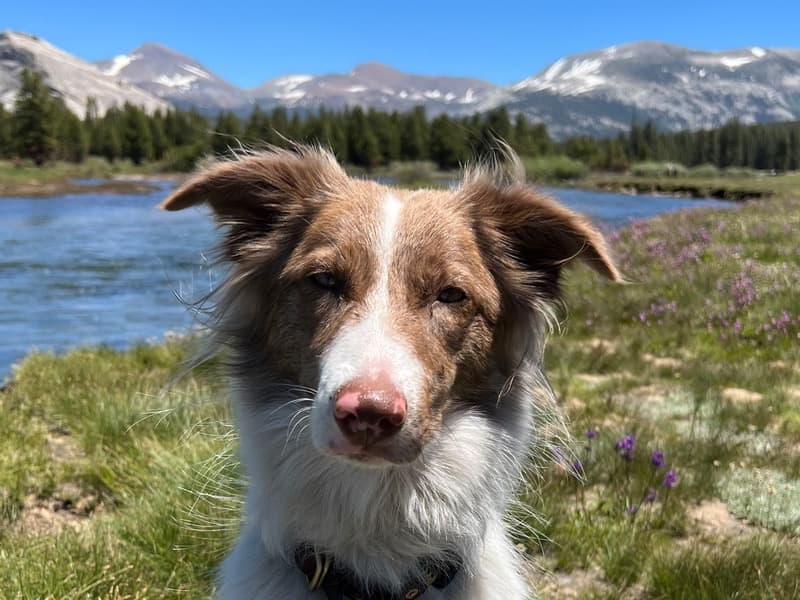
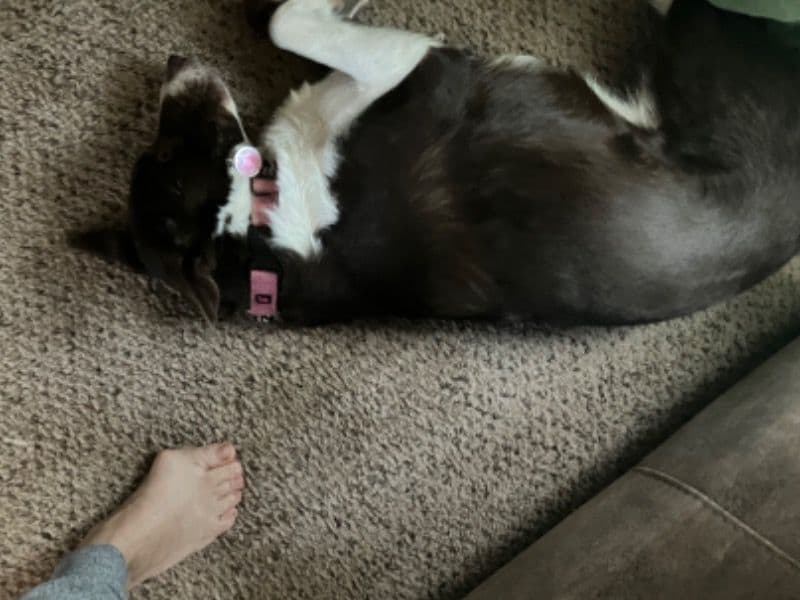
Frida - Border Collie | Petmeetly

Frida

Border Collie

4 years old,female
San Diego County, California, US
VaccinatedPedigree
Sign Up to Connect
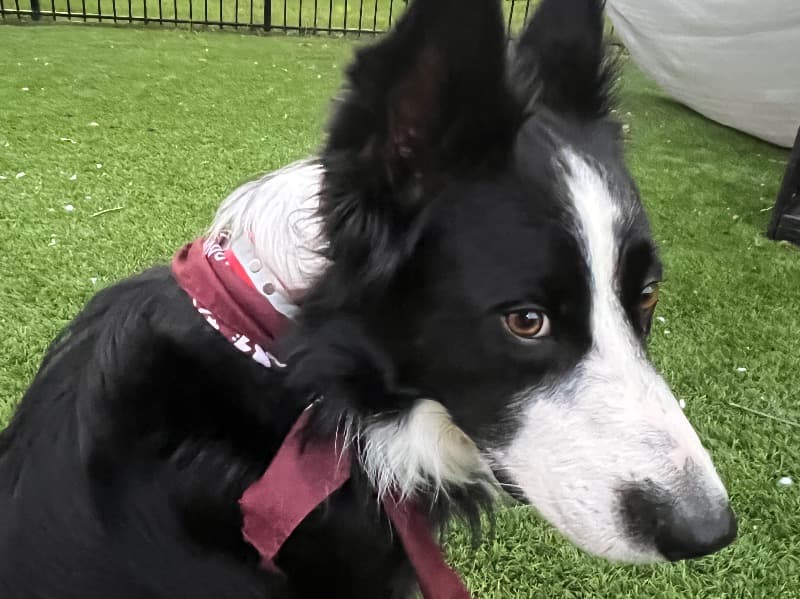
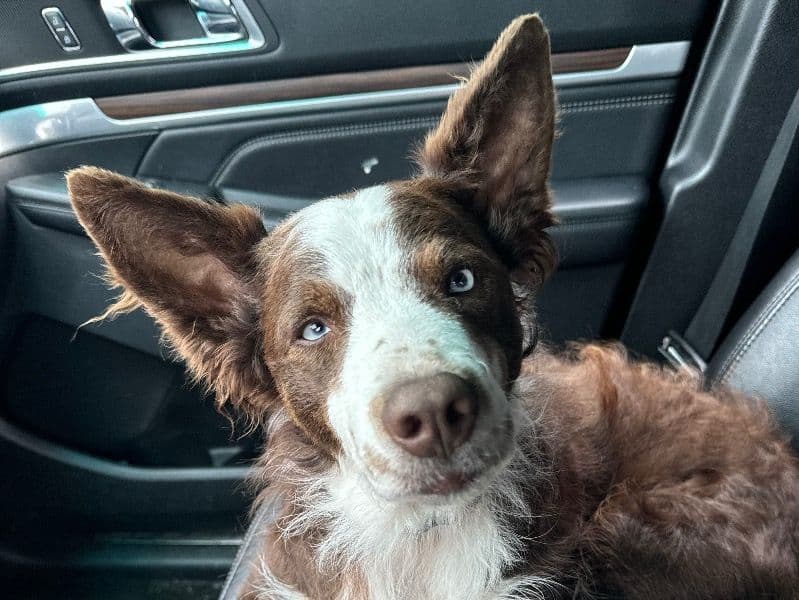
Thumper - Border Collie | Petmeetly

Thumper

Border Collie mix

8 years 4 months old,male
Bucks County, Pennsylvania, US
Sign Up to Connect
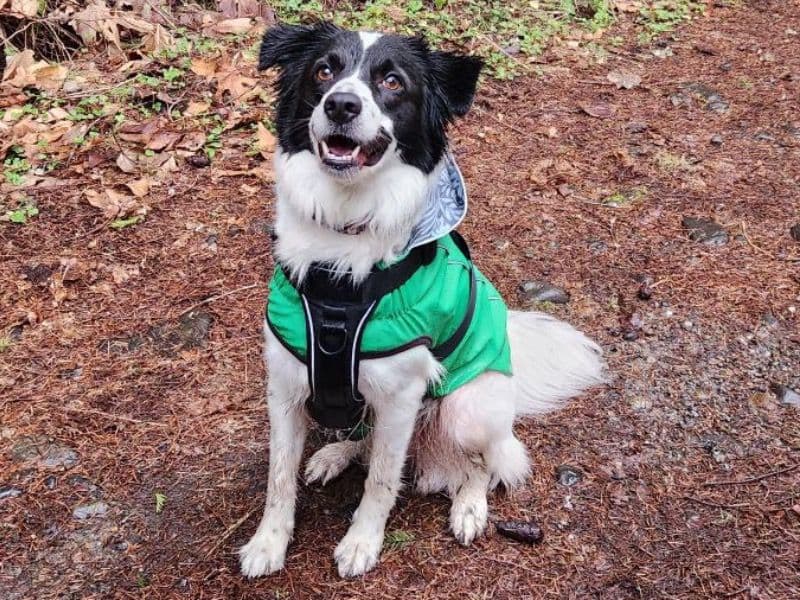
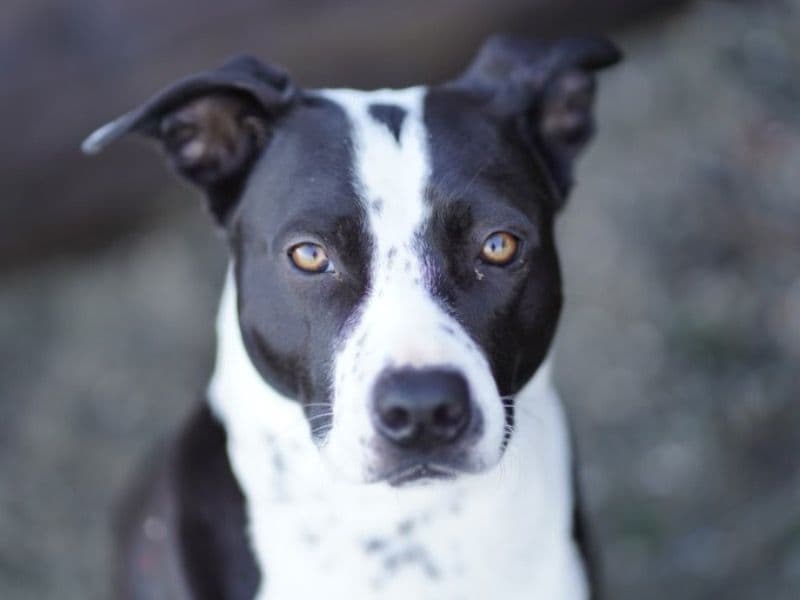
Juancho - Border Collie | Petmeetly

Juancho

Border Collie

5 years 10 months old,male
Denton County, Texas, US
Microchipped
Sign Up to Connect
Milo - Border Collie | Petmeetly

Milo

Border Collie

6 years 2 months old,male
Atlantic County, New Jersey, US
VaccinatedDNA Tested
Sign Up to Connect
Brooklyn - Border Collie | Petmeetly

Brooklyn

Border Collie mix

6 years 2 months old,female
Pierce County, Washington, US
Vaccinated
Sign Up to Connect
Panda - Border Collie | Petmeetly

Panda

Border Collie

11 years 2 months old,male
Apex, North Carolina, US
VaccinatedPedigree
Sign Up to Connect
Rags - Border Collie | Petmeetly

Rags

Border Collie

5 years 11 months old,female
Grayson County, Texas, US
VaccinatedPedigree
Sign Up to Connect
Bonnie - Border Collie | Petmeetly

Bonnie

Border Collie

5 years 2 months old,female
Plymouth County, Massachusetts, US
VaccinatedPedigree
Sign Up to Connect
See every Border Collie

How responsible Border Collie breeding works

Two things set Border Collie breeding apart: a long list of genetic tests, and a dog whose drive most homes cannot handle. Get both right and the rest follows.

  1. 01

    Run the full DNA panel

    Border Collies carry several inherited diseases with simple DNA tests, including CEA, TNS, NCL, and IGS. Test both parents and never pair two carriers of the same disease.

  2. 02

    Breed for work and temperament

    Choose stable, biddable (eager to take direction) dogs that can do the job the breed was built for. Breed to working ability and sound nerves, not to a show look or a "rare" color.

  3. 03

    Screen hips, eyes, and the rest

    Add OFA or PennHIP hips and a yearly eye exam to the DNA tests. Wait until both dogs are at least two years old and fully cleared.

  4. 04

    Match the drive to the home

    This breed lands in rescue more than most because buyers cannot meet its needs. Place each puppy with an active owner who wants a busy, thinking dog.

Find your Border Collie’s mate on Petmeetly

Working line, show line, or sport line: what are you breeding?

Short answer

Border Collies split into three rough types. Working lines are bred for herding instinct and stamina on stock. Show or conformation lines are bred to an appearance standard. Sport lines are bred for agility and flyball drive. Decide which one you are breeding before you pick a pair, because the goals pull in different directions.

Working line
ISDS / ABCA
Build
Lighter and athletic, built for all-day stamina
Temperament
Intense herding drive, strong "eye", needs a job
Bred for
Bred for stockwork ability; the original dog
Show / conformation line
AKC / Kennel Club
Build
Heavier bone and a fuller coat, bred to a look
Temperament
Often calmer, with lower work drive
Bred for
Bred to an appearance standard

The split runs deep. The International Sheep Dog Society (ISDS) registers dogs on proven working ability, not looks, and even lets an unregistered dog earn its place by passing a working test. The American Border Collie Association (ABCA), the largest US working registry, says breeding to a show standard instead of working ability harms the breed.

The history explains the heat. The American Kennel Club (AKC) recognized the Border Collie in 1995, and working breeders fought it hard, fearing a beauty standard would ruin a working dog. The ABCA still cancels the registration of any dog that wins an AKC conformation title.

For a first litter, breed to the job the puppies will actually do. A farm wants instinct and biddability, an agility home wants drive and focus, and a pet home wants a steadier dog. Match the parents to that goal.

Find your line of Border Collie on Petmeetly

What health tests does a Border Collie need before breeding?

Short answer

More than most breeds. Run the DNA panel for CEA, TNS, NCL, and IGS, plus an MDR1 drug-sensitivity test. Add OFA or PennHIP hips and a yearly eye exam by a veterinary eye specialist. Test both parents before you breed, and share the results.

  • 01. DNA disease panel (CEA, TNS, NCL, IGS)Essential
    One cheek swab covers the breed's main inherited diseases. Never breed two carriers of the same one.
    $60 to $200
  • 02. MDR1 drug-sensitivity test (ABCB1 gene)Recommended
    Rare in this breed, but an affected dog can be harmed by common drugs. A one-time swab.
    $50 to $70
  • 03. Hip evaluation (OFA x-ray or PennHIP)Recommended
    Screens for hip dysplasia, a poorly formed hip joint. From 24 months.
    $300 to $500
  • 04. Eye exam (OFA CAER, yearly)Recommended
    A yearly check by an eye specialist catches problems a DNA test cannot, such as PRA (progressive retinal atrophy, gradual blindness).
    $50 to $150
  • 05. Elbows and heart (optional)Optional
    Add an elbow x-ray and a cardiac check if the lines call for it.
    $200 to $600

The Orthopedic Foundation for Animals (OFA) runs CHIC, a shared database of health-test results. A multi-gene DNA panel for the breed is cheap and covers most of its inherited diseases in one cheek swab. Buyers should ask to see every result, not take your word for it.

See health-tested Border Collies on Petmeetly

Which inherited diseases should you screen for?

Short answer

Four serious diseases have reliable DNA tests: Collie eye anomaly (CEA), trapped neutrophil syndrome (TNS), neuronal ceroid lipofuscinosis (NCL), and cobalamin malabsorption (IGS). All four are recessive, so a carrier bred to a clear dog is safe, but two carriers of the same disease must never be paired.

The DNA-testable diseases to screen for

Collie eye anomaly (CEA)

An inherited eye defect (the NHEJ1 gene) that can harm vision. A DNA test reports clear, carrier, or affected. Common enough in the breed that you must test before breeding.

Trapped neutrophil syndrome (TNS)

A fatal immune disease (the VPS13B gene) where infection-fighting cells stay trapped in the bone marrow. Affected puppies die young. A DNA test prevents it.

Neuronal ceroid lipofuscinosis (NCL)

A fatal brain-wasting disease (the CLN5 gene). Affected dogs decline in their second year. A DNA test reports clear, carrier, or affected.

Cobalamin malabsorption (IGS)

The gut cannot absorb vitamin B12 (the CUBN gene). It can be managed with B12 injections, but a DNA test lets you avoid producing affected pups at all.

One more swab is worth doing: MDR1 (the ABCB1 gene). It is far less common in Border Collies than in rough Collies. But a dog with two copies can react badly, even fatally, to ordinary drugs like the dewormer ivermectin and some anesthetics, as Washington State University explains. The test is a one-time cheek swab, and the result protects the dog for life.

Degenerative myelopathy (DM, the SOD1 gene) is also on most panels, but in this breed many at-risk dogs never get sick, so treat it as a secondary result, not a reason to drop a good dog.

The rule for every recessive disease is the same. A carrier paired with a clear dog produces no affected puppies. Two carriers of the same disease risk one puppy in four being affected, so never pair them.

Match DNA-tested Border Collies on Petmeetly

When can you breed a Border Collie?

Short answer

Wait until both dogs are at least two years old. The OFA only certifies hips at 24 months, and a dog’s temperament and working ability are clear by then. The DNA tests can be run at any age, so do those early.

Earliest sensible age
2 yrs

After the OFA hip certificate at 24 months.

Eye exam
Every year

A yearly CAER eye exam; some problems appear with age.

A female should finish her DNA panel, hips, and eye exam before a first litter. Hip x-rays only earn an OFA certificate once the dog is fully grown at 24 months. Working ability and temperament also settle with age, and both matter more in this breed than looks.

Find Border Collie stud dogs on Petmeetly

How do you choose a Border Collie breeding partner?

Short answer

Match for health results and temperament first. Pair a carrier only with a clear dog, never carrier to carrier, and never breed two merles. Both dogs should be stable, biddable, and able to do the breed’s job. Keep shared ancestry low to protect the gene pool.

Temperament and working drive are heritable, so two sound, sensible parents give the best odds of a sound litter. A low coefficient of inbreeding (COI, a number for how related two dogs are) is the tie-breaker once both dogs pass their tests. Always confirm the other dog’s DNA and OFA results yourself.

5 questions to ask the other owner

  1. 1Can I see the full DNA panel, clear or carrier for each disease?
  2. 2Can I see the OFA or PennHIP hips and the latest eye exam?
  3. 3Is either dog a merle?
  4. 4Is this dog stable, biddable, and sound at its work or sport?
  5. 5What is the coefficient of inbreeding for this pairing?
Match with Petmeetly Border Collies

Can you breed merle Border Collies?

Short answer

Yes, but never merle to merle. Breeding two merles gives about one puppy in four a double-merle pairing, which brings high rates of deafness and eye defects. Always DNA-test for the merle gene first, because a hidden, or cryptic, merle can look solid and still carry it.

The risk is well documented. In a peer-reviewed study of merle dogs, double merles were far more likely to be deaf than single merles, with about 15 percent deaf in both ears. The merle gene strips pigment, and that same loss can also damage the inner ear and the eye.

The fix is simple. A merle bred to a non-merle cannot produce a double merle, so that pairing is safe. The only sure way to know a dog’s status is a DNA merle test, because a cryptic merle carries the gene without the marbled coat.

A “rare” merle or color-bred Border Collie is a marketing red flag, not a prize. Breed for health and work, and let color fall where it may.

Find health-first Border Collies on Petmeetly

What temperament should you breed for, and why does placement matter so much?

Short answer

Breed for a stable, biddable dog that wants to work with its handler. Then place it carefully, because the Border Collie’s drive overwhelms most ordinary homes. The breed lands in rescue again and again when buyers cannot give it enough exercise and mental work.

The drive is the whole point, and the whole problem. The AKC calls the Border Collie “a bit too amazing” for owners without the time and energy to keep it busy. Welfare charities such as Dogs Trust see these dogs surrendered when their herding and exercise needs go unmet and they turn destructive or obsessive.

So a breeder’s job runs past the whelping box. Breed sound, sensible temperaments, then screen buyers for active homes that want a thinking dog. Walking away from the wrong home is part of the work.

Build your buyer screening on Petmeetly

Caring for a pregnant Border Collie and her newborns?

Short answer

Pregnancy runs about 63 days, and litters average around four to eight puppies. Feed the dam (the mother dog) a calorie-dense puppy diet through late pregnancy and nursing. Border Collies are a natural-bodied breed and usually whelp (give birth) on their own, but keep a vet on call.

Feeding the pregnant and nursing dam

Weeks 1 to 4
Normal adult portions

No calorie increase yet.

Weeks 5 to 9
Switch to a growth diet

Move to a growth or puppy diet and increase gradually. Energy needs climb in the last third.

Nursing
Free-choice growth diet

A nursing litter is a heavy load on the dam.

Keep the whelping area warm and clean, weigh the puppies daily, and step in for any pup that is weak or not feeding. Have your vet on call, because even an easy whelper can run into trouble. Litter-size and whelping figures here are general guidance, not breed-specific promises.

Plan your Border Collie litter on Petmeetly

What colors can a Border Collie be?

Short answer

Many. The classic is black and white, but the breed also comes in red and white, tricolor, and blue merle, among others. Color does not change a working dog’s worth. The one caution is merle, which is fine in a single dose but dangerous when two merles are bred together.

Common Border Collie colors

Coat color has little to do with health in this breed, with the merle exception covered above. Be wary of any breeder charging a premium for “rare” colors, which signals breeding for looks over working ability and health.

How much does it cost to breed a Border Collie litter?

Short answer

Health testing is the big upfront cost, and for this breed the DNA panel is cheap. Budget a few thousand dollars before any puppy sells, mostly hips, eyes, the stud fee, and raising the litter. Done with full testing and careful placement, the margin is thin.

Estimated cost of a first Border Collie litter

  • DNA disease panel (both dogs)$120 to $400
  • Hips, eyes, optional elbows$500 to $1,200
  • Stud service$800 to $2,000
  • Progesterone (ovulation timing)$300 to $800
  • Prenatal vet and whelping supplies$400 to $1,200
  • Puppy vaccinations and deworming (litter)$600 to $1,500
  • Emergency C-section (if needed)+ $1,500 to $5,000
  • Realistic total before any sale$2,700 to $7,000

Ranges are typical US pricing for a first litter, which carries the one-time health-testing cost. Budget against the whole litter, not one puppy. Litters average 4 to 8 puppies.

What can the puppies sell for?

  • Pet-quality puppy (health-tested parents)$800 to $1,800
  • Working or proven sport-line puppy$1,500 to $3,500+
  • “Rare color” markupa red flag, never a feature
  • Typical litter revenue (4 to 8 puppies)$5k to $16k

Market range only, not a Petmeetly endorsement. Pricing by “rare” color, prices far below other breeders, or untested parents are red flags. A working pup’s value comes from proven parents, not its coat.

These cost and price ranges come from breeders and market sources, so treat them as ballpark. With full health testing and careful placement, responsible Border Collie breeding rarely turns a real profit. Total the numbers for your own pairing first; our breeding cost and due-date calculator adds up testing, the stud fee, and the C-section cushion in one place. Listings are free on Petmeetly, including Border Collie puppies for sale.

Browse Border Collies on Petmeetly

Breeding for brains and work, not looks

This is the choice that defines a Border Collie breeder. The breed was built over generations for one thing: working stock with intelligence, stamina, and a close partnership with its handler. Everything good about the dog flows from that.

The pressure pulls the other way. Show fashions, “rare” merle and lilac coats, and designer crosses all reward looks over ability. The largest US working registry, the ABCA, warns that breeding to an appearance standard instead of working ability damages the breed.

So select for the dog, not the picture. The Border Collie tops Stanley Coren’s ranking of working and obedience intelligence, a measure of how fast a dog learns and obeys, not a beauty score. Breed sound bodies, sound minds, and real working ability. Our ethical breeding step by step covers the wider checklist.

What goes in a Border Collie stud agreement?

Short answer

A written stud agreement sets the fee, what happens if the female does not conceive, who pays vet costs, and how registration is handled. For this breed, attach both dogs’ DNA and OFA results so there is no doubt about what was tested.

Clauses every Border Collie stud contract should name

  • Stud fee and payment
    The amount, when it is due, and whether it is cash or pick-of-litter.
  • Repeat mating terms
    A free or discounted return service if the female does not conceive.
  • Health proof attached
    Both dogs' DNA panel, OFA or PennHIP hips, and the latest eye exam.
  • Who pays for what
    Stud, shipping, progesterone testing, and travel costs spelled out.
  • Registration and paperwork
    Who signs the ISDS, ABCA, or AKC litter registration and provides the stud's documents.

Placing Border Collie puppies responsibly

A good home for this breed is not just a willing buyer. It is an active household that wants a busy, thinking dog and has a real plan for its exercise and training. Ask how the puppy will spend its days before you say yes.

Put a safety net in the contract. A take-back clause, so the dog comes back to you rather than a shelter if the home falls through, is the mark of a responsible breeder. Offer buyers your help for the life of the dog. For owners who would rather give an adult dog a home, our Border Collie adoption page lists dogs already looking for one.

Be honest about the breed. Tell buyers a Border Collie can outwork and outthink them, and that a bored one chews, barks, and spins. The right family hears that and still wants in. The wrong one walks away, which is exactly what you want.

Place your Border Collie puppies on Petmeetly

Run your Border Collie litter numbers

Estimate fertile window, due date, and litter timing in seconds.

Open the breeding calculator

Border Collie Breeding FAQ

01

What health tests does a Border Collie need before breeding?

Run the DNA panel for CEA, TNS, NCL, and IGS, plus an MDR1 drug-sensitivity test. Add OFA or PennHIP hips and a yearly eye exam by a veterinary eye specialist. Test both parents before you breed, and share the results with buyers.

02

What is Collie eye anomaly (CEA)?

CEA is an inherited eye defect caused by the NHEJ1 gene that can affect a dog's vision. A simple DNA test reports each dog as clear, carrier, or affected. It is common enough in the breed that you should test both parents and never pair two carriers.

03

Can you breed two merle Border Collies together?

No. Breeding merle to merle gives about one puppy in four a double-merle pairing, which carries high rates of deafness and eye defects. A merle bred to a non-merle is safe. Still, DNA-test for the merle gene first, because a hidden merle can look solid and carry it.

04

Are Border Collies really the smartest dog breed?

They top Stanley Coren's ranking, but that ranking measures working and obedience intelligence, meaning how fast a dog learns and obeys commands. It is not a score of every kind of smarts. The practical takeaway for a breeder is that a bored Border Collie becomes a destructive one.

05

What is the difference between working-line and show-line Border Collies?

Working lines are bred for herding instinct, stamina, and biddability, and are registered by working bodies like the ISDS and ABCA. Show or conformation lines are bred to an appearance standard and tend to be heavier-coated and calmer. Decide which type you are breeding before you choose a pair.

06

At what age can you breed a Border Collie?

Wait until both dogs are at least two years old. The OFA only certifies hips at 24 months, and a dog's temperament and working ability are clear by then. The DNA tests can be run at any age, so do those early.

07

Do Border Collies need a C-section to give birth?

Usually not. Border Collies are a natural-bodied, moderate breed and most whelp on their own, unlike flat-faced or very heavy breeds that often need surgery. Keep a vet on call anyway, because any dam can run into trouble during labor.

08

How big is a typical Border Collie litter?

Litters average around four to eight puppies, and pregnancy lasts about 63 days. Litter size varies with the dam's age, size, and individual genetics, so treat that as a general range rather than a promise.

09

Do Border Collies need MDR1 testing?

It is worth doing. MDR1, a mutation in the ABCB1 gene, is much rarer in Border Collies than in rough Collies. But a dog with two copies can be harmed by common drugs, including the dewormer ivermectin and some anesthetics. The one-time cheek swab protects the dog for life.

10

How much does it cost to breed a Border Collie litter?

Plan for roughly 2,700 to 7,000 dollars for a first litter before any puppy sells, mostly health testing, the stud fee, and raising the puppies. The DNA panel itself is cheap for this breed. Done responsibly, the margin is thin.

11

How long do Border Collies live?

Most live about 12 to 15 years, and some reach 17 with good care. Keeping the dog lean, fit, and up to date on veterinary care helps it reach a healthy old age. Cancer and age-related joint problems are among the main health concerns.

12

Why are so many Border Collies in rescue?

Because buyers underestimate the breed. A Border Collie needs hours of exercise and mental work every day. A bored one turns destructive or obsessive, which is why so many are surrendered. Breeding sound temperaments and screening buyers for active homes is how a breeder helps prevent it.


Sources

  1. American Kennel Club, Border Collie breed page
  2. AKC, Breeds by Year Recognized (Border Collie, 1995)
  3. AKC, Smartest Dog Breeds (Coren intelligence framework)
  4. All About Border Collies, AKC recognition controversy
  5. International Sheep Dog Society, Registration on Merit (working ability)
  6. American Border Collie Association (working registry)
  7. Border Collie Health & Education Foundation, genetic diseases
  8. Embark, Border Collie genetic conditions and gene list
  9. Washington State University, MDR1 in Dogs (ABCB1, affected drugs, breed prevalence)
  10. Paw Print Genetics, Degenerative Myelopathy (SOD1) in the Border Collie
  11. OFA, CHIC program
  12. OFA, Hip Dysplasia (24-month certification, PennHIP)
  13. OFA, Eye Disease / CAER FAQs
  14. Strain et al. 2009, JVIM, deafness in heterozygous vs homozygous merle dogs
  15. LSU (George Strain), Congenital Deafness and Its Recognition (BAER, merle/piebald)
  16. Dogs Trust, Border Collie (exercise needs, surrender drivers)
ByPetmeetly Editorial Team•Published June 21, 2026
Fact-checked against the AKC, ISDS, ABCA, the Border Collie Health & Education Foundation, OFA, Washington State University, and peer-reviewed veterinary research.

Success Stories
from Border Collie Breeders

Real stories from dog owners who found perfect breeding matches on Petmeetly

Everything went smoothly! I’m excited and looking forward to her pregnancy!

AK

Amanda Knowles

California, US

I love how much I've improved and the wonderful people I've met, but I wish they'd stop blocking some of our conversations

R

Rosemary

Massachusetts, US

Great app very helpful in connecting us to other interested parties

YG

Yajaira Gonzalez

California, US

Read More Success Stories

Keep reading

More vetted material for owners planning a Border Collie litter

Best Age To Breed A Dog (Male & Female)
Dog Breeding

Best Age to Breed a Dog (Male & Female)

20 min read

When can you breed your dog? A vet-informed timing guide covering male and female age windows, 50-breed reference table, OFA CHIC health tests, and heat-cycle protocols.

June 21, 2026
Young puppy gently sniffing a person's outstretched hand at eye level, soft natural light, calm trust-building moment
Dog Welfare

How to Socialize Your Puppy (and Adopted Dog): A Comprehensive Guide

13 min read

Behavior kills more US dogs under 3 than disease does. The 8 to 16 week socialization window, the AVSAB-approved checklist, and how to handle an adopted dog.

May 18, 2026
Top 100 Female Dog Names on Petmeetly
Dog Welfare

Top 100 Female Dog Names

12 min read

100 female dog names organized by theme and breed, each with meaning and origin. Naming-science tips so your dog learns it fast. Trending picks for 2026.

May 11, 2026
View All Articles

Explore Popular Dog Breeds

Discover breeding guides for different dog breeds and find the perfect match for your breeding program

Akita BreedingAmerican Bully BreedingAmerican Pit Bull Terrier BreedingAustralian Shepherd BreedingBeagle BreedingBorder Collie BreedingBulldog BreedingCane Corso BreedingCavalier King Charles Spaniel BreedingChihuahua BreedingDachshund BreedingDoberman BreedingFrench Bulldog BreedingGerman Shepherd BreedingGolden Retriever BreedingLabrador Retriever BreedingMaltese BreedingPomeranian BreedingPoodle BreedingPug BreedingRottweiler BreedingShih Tzu BreedingSiberian Husky BreedingYorkshire Terrier Breeding450+ breeds more

Find a Border Collie breeding partner

Find a Border Collie breeding partner with the DNA panel, hips, and eye clearances to match your dog.

Find a Border Collie mate

No card required to sign up.