Best Age To Breed A Dog (Male & Female)
Find out the best age to breed dogs and the key factors involved. Ensure your dog’s health and safety with our expert breeding insights.

Connect with responsible Brittany breeders and find the ideal breeding partner for your versatile hunting companion
Essential characteristics to consider when breeding these magnificent dogs
12-15 years
With proper care
Active, Bright
Versatile gundog
Discover what makes Brittanys exceptional breeding companions and why they're treasured worldwide
Brittanys excel at both pointing and retrieving, making them the ultimate all-around hunting companion. Their natural instincts combined with eager-to-please attitude creates exceptional field dogs.
Natural hunting instinct retention
Field excellence passes to offspring
The smallest sporting spaniel packs incredible athleticism into a compact frame. Their leggy, square build enables all-day hunting without fatigue.
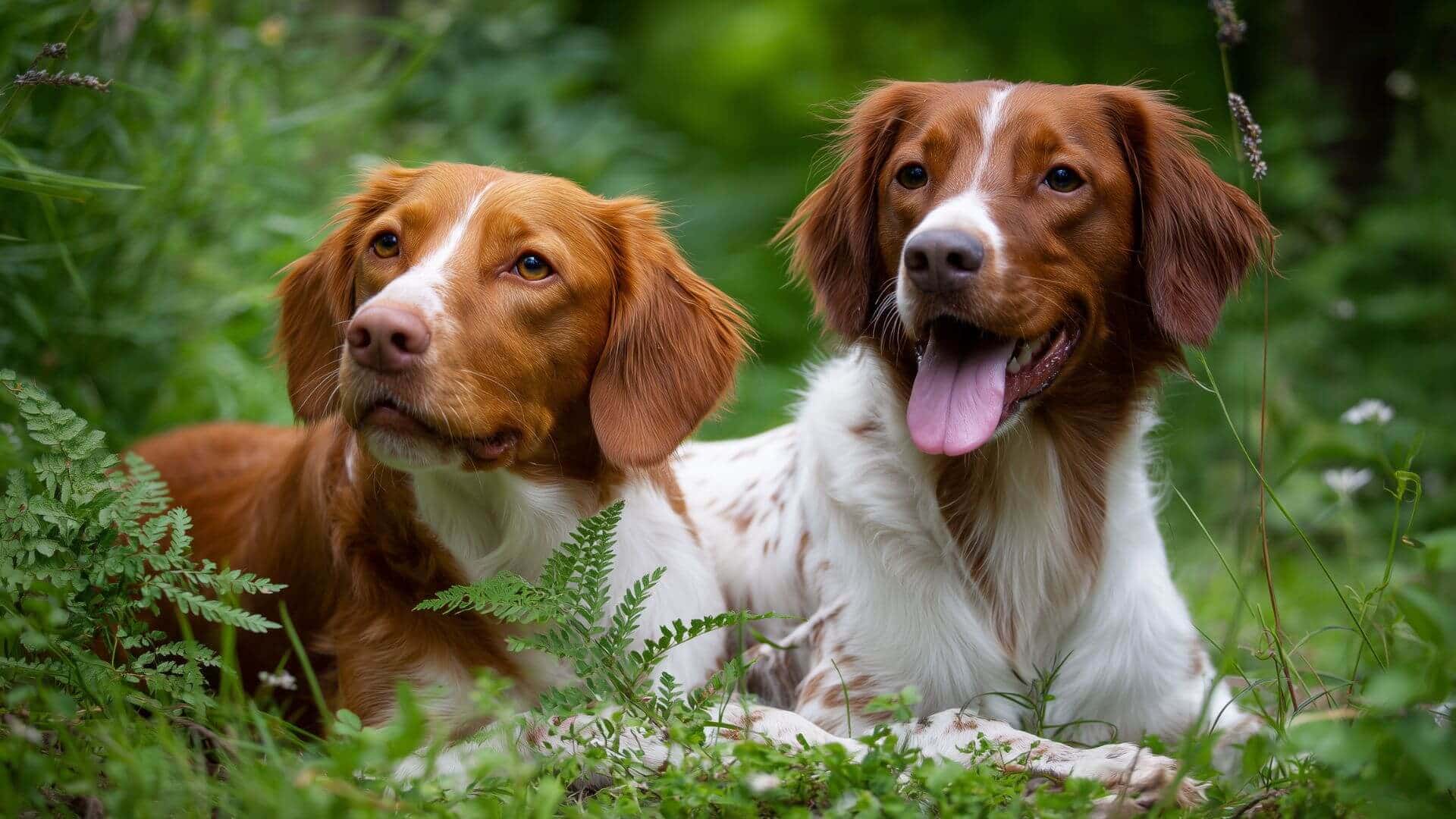
Their striking orange and white or liver and white patterns make them instantly recognizable in the field and show ring alike.
Brittanys combine high energy with a gentle, affectionate nature. Their eager-to-please attitude makes them wonderful family dogs and training partners who thrive on positive interaction.
Perfect balance of drive and gentleness
These exceptional traits make Brittanys one of the most versatile sporting breeds
Follow these essential guidelines for responsible and successful Brittany breeding
Patience creates excellence! Waiting until 2 years ensures full maturity and comprehensive health testing. Brittanys mature relatively early but still benefit from waiting.
Hunting ability testing equally important!
Once per year max
4 litters lifetime maximum
Skip one heat cycle
Focus on quality hunting dogs that can work all day in the field.
Intense hunting instinct, longer ranging
Closer working, easier for families
Best approach: Breed for both beauty and ability!
Daily Requirement
1-2 hours vigorous activity
Ideal Activities
Hunting, field trials, agility
Mental Stimulation
Training games essential
Screen families for commitment to active lifestyle!
Natural Bobtail Gene
Some born with short tails
Early Socialization
Critical for confidence
Puppy Exercise
Controlled to protect joints
Color Standards
Orange/white or liver/white
Connect with verified Brittany owners for safe and ethical breeding

Brittany

Brittany

Brittany mix

Brittany

Brittany
From profile to puppies - your brittany breeding journey in 4 simple steps
Set up a detailed profile with photos, health records, and pedigree information
Browse verified breeding partners based on breed, location, and compatibility
Message owners directly to discuss breeding plans and health certifications
Meet safely, complete breeding agreements, and welcome healthy puppies
Set up a detailed profile with photos, health records, and pedigree information
Browse verified breeding partners based on breed, location, and compatibility
Message owners directly to discuss breeding plans and health certifications
Meet safely, complete breeding agreements, and welcome healthy puppies
Join thousands of responsible brittany owners who trust us for quality breeding connections
Every breeder is verified, ensuring you connect with genuine, responsible pet owners.
Find breeding partners near you to make meetings convenient and stress-free.
Customize your search with detailed filters for breed, age, health status, and more.
Chat directly with pet owners to discuss all details before making any commitments.
Join thousands of responsible brittany owners who've found quality breeding partners on Petmeetly.
Get Started NowReal stories from dog owners who found perfect breeding matches on Petmeetly
Louie’s mom seems very nice and was very helpful. We’ll see if things work out when the time is right
Paula Montgomery
Alabama, US
Great app very helpful in connecting us to other interested parties
Yajaira Gonzalez
California, US
Good experience. Found a mate but would love to find more!
Jordan
Oklahoma, US
Modern health testing empowers you to create vibrant, healthy Brittany bloodlines that thrive for generations
OFA or PennHIP testing celebrates their agility! Your commitment ensures puppies inherit the structure for all-day hunting.
Annual Eye Exams
Maintains perfect field vision
Genetic Testing
Primary lens luxation screening
Clear vision for spotting birds
Thoughtful family history creates stable temperaments. Your dedication to selecting calm, confident partners ensures brilliant, focused hunting companions.
Brilliant minds for training
Annual checks keep energy soaring! Simple monitoring ensures stamina for endless hunting.
Their high metabolism needs quality nutrition for peak performance.
Testing confirms their sound structure. Your attention ensures puppies enjoy bouncing through fields for years!
Excellent elbow health in breed
Their robust constitution creates natural resistance. Simple awareness ensures healthy, vigorous hunting partners.
Vigorous health through generations
Your dedication to preserving hunting instincts creates exceptional companions! Field trials and hunt tests showcase their natural abilities while building incredible partnerships. By evaluating pointing and retrieving talents, you're ensuring puppies inherit the joy of all-day fieldwork.
Your testing creates healthier, happier hunters
Expert advice and tips for Brittany breeding

Find out the best age to breed dogs and the key factors involved. Ensure your dog’s health and safety with our expert breeding insights.

Understand the importance of socializing your pet. This guide will help you create positive experiences for your pet, ensuring they thrive in various environments.

Planning to breed your dog? Use our step-by-step dog breeding checklists to manage health tests, mating, whelping and puppy care—always with vet-backed guidance.
Get answers to common questions about breeding Brittanys responsibly
Hip dysplasia affects approximately 14.6% of Brittanys according to OFA statistics, which is lower than many sporting breeds due to their compact size. Prevention requires mandatory OFA or PennHIP testing before breeding - only breed dogs with Good or Excellent ratings. Both parents should be tested at 2 years minimum. Early detection through X-rays ensures lifelong field performance. Their athletic build naturally protects joints, but responsible breeding selection is crucial for maintaining structural soundness.
Brittanys require 1-2 hours of VIGOROUS exercise daily without exception. This isn't casual walking - they need running, hunting, swimming, agility, or field work. Insufficient exercise leads to destructive behaviors, anxiety, and hyperactivity. Mental stimulation through training is equally important. Ideal activities include bird hunting, field trials, dock diving, or long runs. Screen potential puppy buyers carefully - Brittanys are NOT suitable for sedentary lifestyles. Their high energy is a blessing for active families but overwhelming for couch potatoes.

Epilepsy occurs in approximately 2-4% of Brittanys, with complex inheritance patterns likely involving multiple genes plus environmental factors. Most seizures begin between 6 months to 3 years of age. Breeding protocol: Never breed affected dogs, even if controlled with medication. Carefully review family history - avoid breeding dogs with affected siblings or parents. If a dog produces epileptic offspring, remove from breeding program. Early onset seizures (before 1 year) suggest stronger genetic component. Document all neurological issues in pedigrees for informed breeding decisions.
These are now considered separate breeds with distinct standards. American Brittany: 17.5-20.5 inches tall, leggier build, ONLY orange/white or liver/white coats (no black permitted), wider ranging hunting style, recognized as separate breed by AKC. French Brittany (Epagneul Breton): 17-19 inches, more compact cobby build, black/white tricolor accepted, closer working style to handler, maintained as original breed in Europe. They cannot be interbred for registration purposes. Americans excel in wide-open hunting, while French work better in thick cover.
Canine discoid lupus is an autoimmune condition occasionally seen in Brittanys that affects the nose leather, causing loss of pigmentation and crusting, especially with sun exposure. While the genetic component isn't fully understood, family history matters. Management is simple: sun protection (dog-safe sunscreen), avoiding peak UV hours, and monitoring for changes. Affected dogs live normal, happy lives with minor care adjustments. For breeding decisions, consider family history - if multiple relatives show symptoms, reconsider breeding. It's manageable but worth noting in health screening.
Approximately 30% of Brittanys are born with naturally short tails due to a dominant gene (C189G mutation in T-box gene). Breeding genetics: Natural bob x full tail = 50% natural bobs, 50% full tails (all healthy). CAUTION: Breeding two natural bobtails together produces 25% lethal homozygous puppies (absorbed in utero), 50% natural bobs, 25% full tails. This reduces litter size by 25%. Best practice is always breeding natural bob to full tail. With tail docking banned in many countries, the natural bob gene has become increasingly valuable for maintaining breed appearance.
Brittanys are excellent with children when properly socialized from puppyhood. Their gentle, affectionate nature makes them wonderful family dogs, but their high energy can overwhelm very young children - best with kids 6+ years who can participate in activities. They have strong pack mentality and thrive in multi-dog households. With cats, early socialization is key as their bird hunting instinct is strong. They're sensitive dogs needing positive training - harsh methods damage their temperament. Separation anxiety is common if left alone for long periods. Perfect for active families who include dogs in daily adventures.
Preserving hunting instincts maintains the breed's purpose and creates more balanced, fulfilled dogs. Natural pointing emerges at 8-16 weeks - a joy to witness! Field trial breeding lines show intense drive and wider ranging, while show lines work closer (better for families). Testing through AKC Hunt Tests (JH, SH, MH titles) or field trials proves ability. NAVHDA tests evaluate versatile skills. Dual champions excelling in both field and show are ideal breeding stock. Dogs with strong hunting instincts are happier, more focused, and easier to train. Even pet Brittanys benefit from maintained working ability through better focus and drive satisfaction.
MANDATORY: Hip X-rays (OFA or PennHIP) at 2+ years - only breed Good/Excellent ratings (14.6% dysplasia rate). Annual CERF/OFA eye exams to screen for cataracts, PRA. STRONGLY RECOMMENDED: Thyroid panel annually (10% develop hypothyroidism by age 7), Elbow X-rays (under 2% affected but worth checking), Primary lens luxation genetic test, Complement deficiency test (rare but available). CRITICAL: Evaluate hunting/field ability to maintain breed purpose. Complete health history review for epilepsy (2-4% occurrence). Testing creates healthier generations - your diligence matters!
Field trial lines are bred for intense hunting drive, wider ranging in field (may work 200+ yards out), higher energy requiring 2+ hours exercise daily, leaner build with longer legs, more independent thinking, and stronger prey drive. Show lines work closer to handler (under 100 yards), have slightly calmer energy (still need 1-2 hours exercise), more compact build meeting conformation standards, easier for average families to manage, and better suited for suburban living. Dual purpose lines combining both are ideal - proving dogs can excel in field trials AND conformation shows. Choose based on buyer's lifestyle and hunting goals.
Discover breeding guides for different dog breeds and find the perfect match for your breeding program
Join our community of responsible Brittany breeders committed to preserving this versatile breed