PetmeetlyPetmeetly
Find a match
Dog Breeders & Stud Dogs
Dogs For Sale
Dogs For Adoption
Cat Breeders & Stud Cats
Cats For Sale
Cats For Adoption
Rabbit Breeders
Rabbits For Sale
Rabbits For Adoption
Small Pet Breeders
Small Pets For Sale
Small Pets For Adoption
How It Works
Pet Blogs
Testimonials
About Us
Find a match

Dogs & Puppies

Dog Breeders & Stud DogsDogs For SaleDogs For Adoption

Cats & Kittens

Cat Breeders & Stud CatsCats For SaleCats For Adoption

Rabbits

Rabbit BreedersRabbits For SaleRabbits For Adoption

Small Pets

Small Pet BreedersSmall Pets For SaleSmall Pets For Adoption

Resources

How It WorksPet BlogsTestimonialsAbout Us
Find a MatchSign In
Petmeetly

Your platform for finding the perfect pet companion. Connect with pet owners and discover loving pets looking for homes.

App StoreGoogle Play

Quick Links

  • Home
  • How It Works
  • About Us
  • Editorial Team & Reviewers
  • Blog
  • Privacy Policy
  • Trust & Safety

Dogs

  • Dog Breeders
  • Dogs for Adoption
  • Dogs for Sale

Cats

  • Cat Breeders
  • Cats for Adoption
  • Cats for Sale

Rabbits

  • Rabbit Breeders
  • Rabbits for Adoption
  • Rabbits for Sale

Small Pets

  • Small Pet Breeders
  • Small Pets for Adoption
  • Small Pets for Sale

© 2026 Petmeetly. All rights reserved.

PrivacyTerms
Golden Retriever Breeding Petmeetly

The Golden Retriever breeding guide

Find a Golden breeding partner on Petmeetly, and learn what a healthy, cancer-aware litter actually takes.

Find a Golden mateRead the breeding guide
  1. Home
  2. /
  3. Dog Breeding
  4. /
  5. Golden Retriever

Golden Retrievers available for breeding

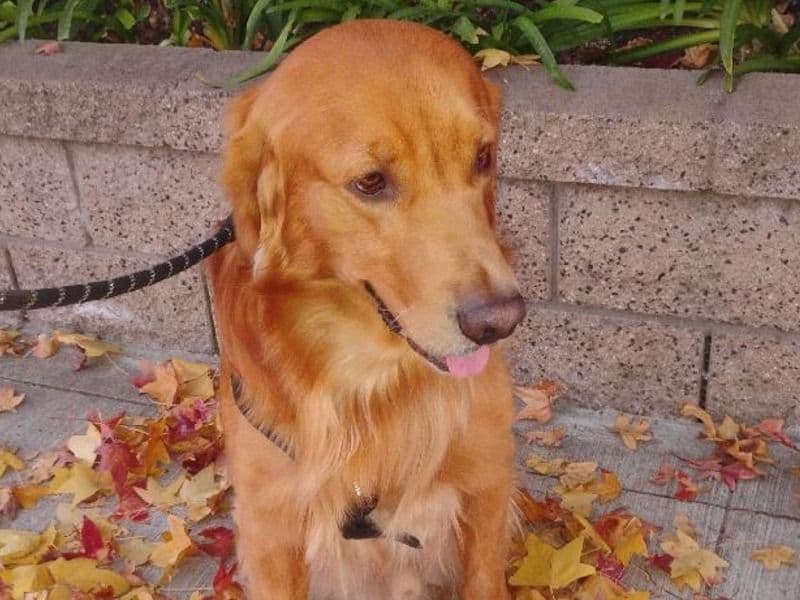
Hiro - Golden Retriever | Petmeetly

Hiro

Golden Retriever

4 years 2 months old,male
Collin County, Texas, US
Vaccinated
Sign Up to Connect
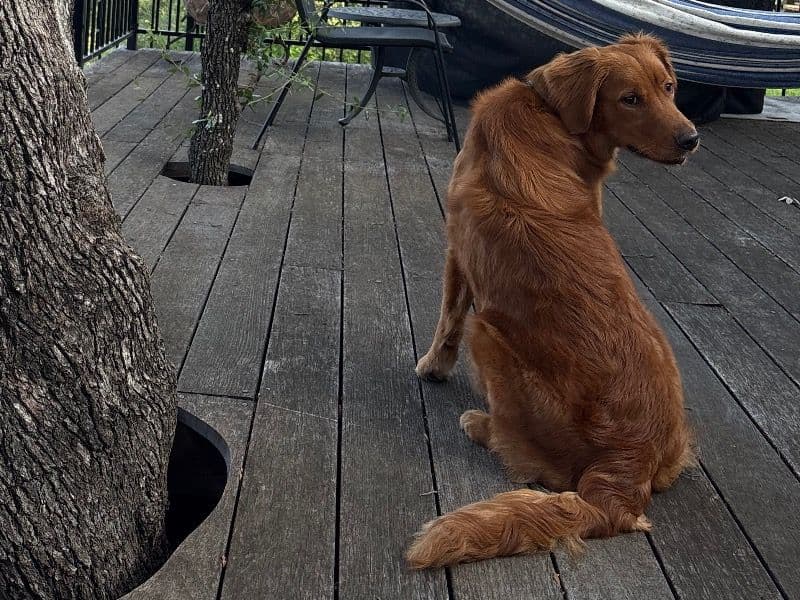
Finn - Golden Retriever | Petmeetly

Finn

Golden Retriever

2 years old,male
Broward County, Florida, US
VaccinatedPedigreeDNA Tested
Sign Up to Connect
Tucker - Golden Retriever | Petmeetly

Tucker

Golden Retriever

1 year 5 months old,male
Albuquerque, New Mexico, US
Vaccinated
Sign Up to Connect
Poppy - Golden Retriever | Petmeetly

Poppy

Golden Retriever mix

6 years 2 months old,male
Tarrant County, Texas, US
VaccinatedDNA TestedMicrochipped
Stud Fee: $1500.00
Sign Up to Connect
Daisy - Golden Retriever | Petmeetly

Daisy

Golden Retriever

2 years 2 months old,female
Lincoln County, North Carolina, US
Vaccinated
Sign Up to Connect
Sammie - Golden Retriever | Petmeetly

Sammie

Golden Retriever

2 years 10 months old,male
St. Lucie County, Florida, US
VaccinatedPedigree
Sign Up to Connect
Franklin - Golden Retriever | Petmeetly

Franklin

Golden Retriever

7 years 3 months old,male
Prosper, Texas, US
VaccinatedPedigreeDNA Tested
Sign Up to Connect
Penny - Golden Retriever | Petmeetly

Penny

Golden Retriever

4 years 3 months old,female
Bernalillo County, New Mexico, US
VaccinatedPedigreeDNA TestedMicrochipped
Sign Up to Connect
See every Golden

How responsible Golden Retriever breeding works

  1. 01

    Verify health clearances

    Four OFA clearances on both parents (hips, elbows, heart, eyes) plus DNA tests for Ichthyosis and PRA1/PRA2. Non-negotiable before any pairing.

  2. 02

    Audit cancer + longevity history

    Ask about cause of death and lifespan across the prior two generations. Pick parents from longer-lived lines.

  3. 03

    Choose a compatible mate

    Coefficient of inbreeding below 6.25 percent (breed average is around 8 percent), stable temperament, complementary pedigree.

  4. 04

    Time the mating and whelping

    Third heat cycle plus 24 months minimum for the dam. Progesterone-timed mating, 63-day gestation, prepared whelping space.

What health tests does a Golden Retriever need before breeding?

Short answer

The Golden Retriever Club of America and OFA require four baseline clearances on both parents: OFA hips, OFA elbows, OFA heart (board-certified cardiologist), and an annual OFA-CAER eye exam. Add a DNA panel for Ichthyosis (ICT-A), GR-PRA1, and GR-PRA2.

  • 01. HipsOFA
    X-ray at 24 mo or older, scored Excellent / Good / Fair.
    $200 to $450
  • 02. ElbowsOFA
    Often shot at the same vet visit as hips.
    $200 to $400
  • 03. HeartOFA
    Auscultation or echo by a board-certified veterinary cardiologist.
    $300 to $500
  • 04. EyesEYE
    Annual OFA-CAER exam by a board-certified ophthalmologist.
    $95 to $200
  • 05. ICT-A DNADNA
    Ichthyosis (PNPLA1). Carrier rates above 50 percent in some lines.
    Included in panel
  • 06. PRA1 + PRA2 DNADNA
    Embark, UC Davis VGL, or PawPrint Genetics bundle these.
    $150 to $300 panel

These six tests are the GRCA-recommended floor for any dog being bred[2]. A Golden that passes all six earns a Canine Health Information Center (CHIC) number, which is the standard buyers and other breeders look for[3]. The AKC Sporting Group asks for the same four OFA evaluations on its breeder programs[4].

The DNA panel adds Ichthyosis and the two known progressive retinal atrophy mutations specific to the breed (GR-PRA1, GR-PRA2). UC Davis VGL ships the official Golden Retriever Health Panel[6]. Embark and PawPrint Genetics bundle equivalent tests[7][8]. Pay for the tests once. Register the results in OFA so any future puppy buyer can look them up.

How to read an OFA hip score

Passing scores
  • Excellent: ideal hip conformation. Rare.
  • Good: very common pass. Safe to breed.
  • Fair: lower-end pass. Pair with an Excellent or Good mate.
Failing scores
  • Borderline: rescreen in 6 months. Do not breed yet.
  • Mild / Moderate / Severe dysplasia: fail. Do not breed.

OFA only scores at 24 months or older. Preliminary scores before 24 months can change[5].

How to read an OFA heart clearance

Passing
  • Normal (Cardiologist): gold-standard pass, evaluated by a board-certified vet cardiologist.
  • Normal (Specialist / Practitioner): still a pass, lower tier.
Failing
  • Equivocal: murmur present but unclear. Echo follow-up required.
  • Abnormal: congenital or adult-onset disease. Do not breed.

A cardiologist-issued Normal is the only clearance the GRCA-recommended floor accepts for sub-aortic stenosis screening[2].

When can you breed your Golden Retriever?

Short answer

Wait until your female is at least 24 months old and on her third heat cycle. Your male is sexually mature around 12 to 15 months but should not be used for planned breeding until his OFA hip, elbow, and heart clearances are valid at 24 months. Goldens mature slowly; breeding earlier raises the risk of dystocia and unstable temperament transfer.

Female
24 months minimum

Wait for the third heat cycle. Goldens mature slowly; earlier breeding raises the risk of dystocia, poor maternal care, and added physical stress on a body still growing.

Male
24 months

Sexually mature earlier, but OFA hip, elbow, and heart clearances are not valid until 24 months.

A female Golden goes into heat about every six to eight months. Each cycle has three phases: proestrus, estrus, and a long rest called diestrus[19].

Breeding her before the third heat raises the risk of hard births, poor maternal care, and added physical stress on a body still growing.

Signs your female is in heat

  • Proestrus (days 1-9): swollen vulva, blood-tinged discharge. She is not ready to mate yet and will refuse the male.
  • Estrus (days 9-18): discharge turns straw-coloured and lighter. She accepts the male and may "flag" her tail to the side when touched. This is the fertile window.
  • Behaviour cues: more clingy or restless than usual, marking more often, seeking out male dogs.

What if my Golden's heat is hard to read?

Some heats are quiet: light bleeding, little swelling, or only subtle behaviour cues. Calendar timing (day 10 to 14 of estrus) misses the fertile window in those cycles. Progesterone testing is the universal fix.

LH surge
2–3 ng/mL
Ovulation
5–8 ng/mL
Best breed
~10 ng/mL

Your vet draws blood starting around day 6 and every 2 to 3 days[23]. Cost runs $50 to $150 per draw, with 2 or 3 draws per cycle being typical[24]. Every breed ovulates at the same progesterone level: Golden, Chihuahua, and Mastiff alike[25].

A male can mate as early as six to nine months, but hip, elbow, and heart clearances only count from 24 months onward[5].

So even a male who looks ready at one year still has to wait another year for his health paperwork. Our best age to breed a dog guide covers the same timing rules across breeds.

One more test for both dogs

A brucellosis blood test within 30 days of mating, $50 to $100 per dog. Brucellosis causes stillbirths and can spread to humans, so skipping it is a real risk[2].

Browse Golden breeders

Why is cancer so common in Goldens, and what can breeders do?

Short answer

Around 6 in 10 Golden Retrievers develop cancer in their lifetime, the highest known rate of any breed. Four cancers dominate: hemangiosarcoma, lymphoma, mast cell tumours, and osteosarcoma. Until validated genetic markers exist, the strongest breeder lever is picking parents from long-lived lines and asking openly about oncology history in the pedigree.

Hemangiosarcoma
Blood-vessel

Aggressive. Often presents late.

Lymphoma
Lymph system

Most chemo-responsive of the four.

Mast cell
Skin tumour

Usually surgical, grade-dependent.

Osteosarcoma
Bone

Painful, often leg-amputation surgery.

The Morris Animal Foundation Golden Retriever Lifetime Study has tracked 3,044 enrolled Goldens since 2012 and has now confirmed over 500 cases of these four cancers alone[9]. It is the largest prospective cohort study ever run on a single dog breed and exists specifically to map cancer risk factors back to genetics, diet, lifestyle, and environment[10].

Until the study yields validated genetic markers, breeders do not have a cancer DNA test to add to the panel. The 2024 review in Cancer Cytopathology calls the breed's elevated risk a research priority precisely because the driver mutations are still being mapped[11].

What you can do today as a breeder

  1. 1
    Audit two generations of cause-of-death data
    Ask the other owner about the lifespan and final illness of the proposed mate’s parents and grandparents. A pedigree with multiple cancer deaths before age 9 is a serious red flag.
  2. 2
    Favour longevity-tested lines
    Some breeders track median lifespan in their breeding program. Goldens that consistently reach 12 to 14 years suggest a healthier underlying genetic load.
  3. 3
    Enrol in the GRLS or its successor cohort
    Even one dog enrolled in the Lifetime Study or a future follow-up cohort adds to the data that will eventually deliver markers.
  4. 4
    Reduce inbreeding
    Higher COI raises the chance of stacking recessive cancer-predisposing alleles. The mate-selection section below covers thresholds.

Cancer is the single biggest reason to take Golden breeding seriously. It will not show up on a DNA panel this year. It will show up across the pedigree if you know which questions to ask.

How do you choose a Golden Retriever breeding partner?

Short answer

Pick a mate with all four OFA clearances and a clean DNA panel for ICT-A, PRA1, and PRA2; a five-generation inbreeding score below 6.25% (the Golden breed average is around 8 percent); longevity records in the direct line; and a stable temperament. Skip any pairing above 10% inbreeding or any owner who avoids sharing health records.

Coefficient of inbreeding thresholds

Below 6.25%

Target zone. Below the Golden breed average of about 8%.

6.25 to 10%

Caution. Recessive-disease risk climbs sharply.

Above 10%

Disqualifier in most responsible Golden programs.

Coefficient of inbreeding (COI) shows how related the parents are[15]. The published Golden Retriever breed average sits around 8 percent, with peer-reviewed evidence that higher COI causes measurable drops in litter size and live-birth rates[13][14]. Our dog breeding compatibility calculator gives a quick estimate; a kennel-club pedigree report is the official one.

The rest of your checklist

Verify all four OFA numbers at OFA.org.
Ask for DNA results in writing (ICT-A, PRA1, PRA2).
Ask about lifespan and cause of death for prior two generations.
Talk to the other dog's vet, if the owner agrees.

If both dogs are in the AKC Bred with H.E.A.R.T. program, the breeders have agreed to follow a health-testing plan and keep learning[17]. Pair that with a step-by-step ethical breeding guide for the full pre-mating workup.

5 questions to ask the other owner

  1. 1Can you share your dog’s four OFA clearances and DNA panel results in writing?
  2. 2What is the coefficient of inbreeding for the proposed pairing?
  3. 3What is the lifespan and cause of death of the parents and grandparents?
  4. 4How did previous litters from this dog turn out, health and temperament?
  5. 5Are you willing to chat with my vet before we commit?
Find a compatible mate

How much does it cost to breed a Golden Retriever?

Short answer

Expect $2,500 to $5,500 up front before the first mating (the cardiac clearance and English-line stud premiums put Golden costs slightly above Labrador). Then plan another $1,500 to $3,500 for prenatal vet care, whelping supplies, and the first round of puppy shots and deworming.

Estimated cost of a first Golden Retriever litter

  • OFA hips and elbows$400 to $850
  • OFA cardiac evaluation (cardiologist)$300 to $500
  • Annual ophthalmologist (OFA-CAER)$95 to $200
  • ICT-A + PRA1 + PRA2 DNA panel$150 to $300
  • Brucellosis blood test (both dogs)$100 to $200
  • Stud service$800 to $3,000
  • English-line / show-quality stud premium+ $500 to $1,500
  • Shipped chilled/frozen semen (if needed)+ $300 to $600
  • Prenatal vet + whelping supplies$500 to $1,200
  • Puppy vaccinations + deworming (litter)$1,000 to $2,000
  • Emergency C-section (if needed)+ $1,500 to $4,000
  • Realistic total$4,000 to $9,000

Ranges are typical US pricing. Budget against the litter, not the individual puppy. Average Golden Retriever litter is around eight[18].

What can the puppies sell for?

  • Pet-line Golden puppy (health-tested parents)$2,000 to $2,500
  • Show-line or proven field-trial pedigree$2,500 to $3,500
  • English-import / champion-import lineage$3,500 to $5,000+
  • Typical litter revenue (8 puppies)$16k to $30k+

Market range only, not a Petmeetly endorsement. Puppies from parents without OFA and DNA clearances sell for far less because the buyer takes on the health risk.

A stud with show wins or proven field skills costs more. English-line imports add another premium because the import paperwork is genuine work. Most Golden breeders keep a separate whelping fund because emergency vet costs can use up the budget fast. Our dog breeding checklist covers the pre-mating workup. The best age to breed a dog guide explains when each clearance becomes valid.

Connect with breeders

What does whelping a Golden litter actually look like?

Short answer

A Golden whelping starts about 63 days after ovulation and runs 6 to 12 hours of active labour. Most go smoothly, but the average litter of around 8 puppies pushes a dam harder than a small-breed birth. Know the four warning signs that mean call the vet right now.

The three stages of a Golden whelping

Stage 1: Pre-labour
6 to 12 hours

Restless, panting, nesting, refusing food. Temperature drops below 100°F (37.8°C) 12 to 24 hours before puppies arrive[22].

Stage 2: Active labour
4 to 8 hours

Visible straining and contractions. First puppy within 4 hours, then 30 to 60 minutes of rest between each[20].

Stage 3: Placenta
After each puppy

One placenta delivers after each puppy. Count them. A retained placenta is a vet emergency.

Call the vet immediately if any of these happen

Straining 20 to 30 min, no puppy

A puppy may be stuck in the birth canal.

More than 2 hours between puppies

In a large litter, this gap means stalled labour or uterine inertia.

Green or dark discharge, no puppy

Green (uteroverdin) signals placental separation. A puppy is in distress[21].

Dam collapse, extreme lethargy, shaking

She may be in shock or have low blood calcium (eclampsia).

With an average Golden litter of around 8 puppies (and large litters of 10 to 12 not unusual[18]), big whelpings drain a dam. By the seventh or eighth puppy she may be exhausted, and the last puppies are the ones most likely to need help.

Weigh every puppy twice a day at the same times. A healthy Golden puppy gains about 10 percent of its birth weight per day in the first 2 weeks. Any puppy not gaining for 12 hours needs immediate attention, at the breast or with a commercial puppy milk replacer. Cow milk is not a substitute and can cause diarrhoea.

Our dog breeding compatibility calculator projects whelping dates from a known mating day. Also see our broader step-by-step ethical breeding guide for a full pre-whelping checklist.

Find experienced breeders

What is the difference between English Cream and American Goldens?

Short answer

Both are purebred Golden Retrievers under AKC rules. "English" describes a lineage origin, not a separate breed: stockier build, blocky head, calmer temperament, very pale cream coat that meets the British Kennel Club standard. "American" is leaner, more boisterous, and shows the classic mid-tone golden the AKC describes as "rich, lustrous golden of various shades".

Every purebred Golden Retriever carries two recessive (ee) copies at the MC1R gene. That double-recessive configuration switches off black pigment production and locks the coat into the yellow-to-red spectrum[8]. Other genes (the I-locus and modifiers) control how light or dark the gold appears, and that shade range is what people are pointing at when they say "English Cream" or "dark golden".

The AKC standard accepts "various shades" of gold but flags both extremes (very pale cream or very dark golden) as outside conformation. Neither extreme disqualifies registration; both are still purebred Goldens[1].

English Cream
UK / European lineage
Build
Stockier, blocky head, deep chest
Temperament
Calmer, family-companion oriented
Bred for
BKC standard (conformation)
American
US lineage
Build
Leaner, longer-legged, athletic
Temperament
More boisterous, higher drive
Bred for
AKC standard (conformation + field)

You will see marketing claims that English Cream Goldens have a 38 percent cancer rate vs 60 percent for American Goldens. The peer-reviewed evidence is not that clean: the Morris Animal Foundation Golden Retriever Lifetime Study pools the breed and has not validated a lineage-based cancer split[10][11]. Treat that 38-vs-60 number as a sales pitch, not a research finding.

Our Labrador Retriever breeding guide covers similar lineage choices for the closely related breed.

Which type fits which home

  • A
    Working, field-trial, or sporting homes
    American lineage with field-line parents. They want a job and daily exercise.
  • E
    Calmer family pet homes
    English-lineage show line: calmer baseline, suburban-friendly.
  • T
    Service, therapy, or assistance work
    Either lineage. Pick by individual temperament, not by line, and test for nerve and trainability at 7-8 weeks[26].

Coat colour is what most owners look at first. It actually matters the least. Pick a healthy, well-tempered, long-lived pair first. Then think about shade.

What goes in a Golden Retriever stud agreement?

Clauses every Golden stud contract should name

  • Stud fee structure
    $800 to $3,000 cash, English-line premium up to $3,500, or pick-of-litter in lieu.
  • Non-refundable deposit
    Around $500 to lock in the pairing.
  • Definition of a successful breeding
    Confirmed pregnancy or at least one live puppy at eight weeks.
  • Repeat-mating clause
    What happens if no live puppies result, and how many free repeats are included.
  • Health-guarantee statement
    Stud’s named OFA hip / elbow / heart / eye clearances and DNA results, tied to the contract.
  • AI and brucellosis terms
    Who pays progesterone testing, chilled or frozen AI, and the pre-mating brucellosis blood test.

Put the stud deal in writing before the first mating. The American Breeder template covers the parts above[16]. Both owners sign and keep a copy. Verbal agreements are the main reason stud deals end in arguments.

Plan your Golden’s litter before you breed

Estimate fertile windows, due dates, and litter timing in seconds.

Open the breeding calculator

Frequently asked Golden Retriever breeding questions

01

Can you breed a Golden Retriever at 12 months old?

No. Twelve-month-old Golden Retrievers are not skeletally mature, and OFA hip, elbow, and heart clearances are not valid until 24 months. Females should wait until at least 24 months old and the third heat cycle. Males are sexually mature around 12 to 15 months but should not be used for planned breeding until full clearances are in hand. Breeding earlier raises the risk of whelping problems and incomplete temperament development.

02

How many puppies do Golden Retrievers usually have?

A Golden Retriever litter averages eight puppies, with a typical range of four to twelve. First litters tend to be smaller, often four to eight. Older dams and very young dams also have smaller litters. Your vet can confirm the count by X-ray around day 55 of pregnancy.

03

How long is a Golden Retriever pregnancy?

Golden Retriever pregnancies last about 63 days from ovulation, with a normal range of 58 to 68 days. A reproductive vet can confirm pregnancy by ultrasound around day 28 and count puppies by X-ray around day 55.

04

How do I know if my Golden Retriever is pregnant?

Early signs include a calmer mood, slight nipple swelling, and a small drop in appetite around week three. The reliable confirmation is an ultrasound at day 28, followed by an X-ray at day 55 to count puppies. Home pregnancy tests for dogs are not reliable.

05

Is Ichthyosis curable, and can ICT-A carriers still breed?

Ichthyosis (ICT-A) is genetic and has no cure, although most affected Goldens live full lives with manageable skin care. A carrier (one copy of the mutation) is safe to breed only when paired with a clear (zero-copy) mate. Two carriers should never be bred together because, on average, one in four puppies will be affected.

06

Can two cream-coloured Golden Retrievers produce a dark golden puppy?

Yes, although the shade range is narrower than people think. Every purebred Golden Retriever carries two recessive (ee) copies at the MC1R gene, so all puppies fall in the yellow-to-red spectrum. Two pale parents usually produce pale puppies, but other genes that control shade intensity can push individual pups a shade darker or lighter than either parent.

07

When can Golden Retriever puppies go to new homes?

Most US states require puppies to stay with their mother and littermates until at least eight weeks of age. Many responsible Golden breeders wait until nine or ten weeks because the extra time builds confidence and bite inhibition. Never let a Golden puppy leave before eight weeks.

08

When is the best season to breed a Golden Retriever?

There is no single best season. Plan around the female’s natural heat cycle and the weather where you live. Many breeders aim for spring or early autumn litters so eight-week puppies go home in mild weather, which is easier for new owners and reduces heat stress on the dam.

09

How much does a Golden Retriever puppy sell for?

Typical US prices run $2,000 to $3,500 per puppy from a health-tested breeder, with English-import or show-line pedigrees reaching $5,000 or more. Puppies sold without OFA and DNA clearances on both parents should cost much less because the buyer takes on the health risk.

10

Why are Golden Retrievers so prone to cancer?

Roughly six in ten Goldens develop cancer in their lifetime, the highest known rate of any breed (Morris Animal Foundation Golden Retriever Lifetime Study). The exact genetic drivers are still being mapped, but four cancers dominate: hemangiosarcoma, lymphoma, mast cell tumours, and osteosarcoma. Until validated genetic markers exist, the strongest breeder lever is selecting parents from long-lived lines and asking openly about oncology history in the pedigree.

11

What does whelping a Golden Retriever litter look like, and when should I call the vet?

A normal Golden whelping runs 6 to 12 hours of active labour with 30 to 60 minutes between puppies. Call the vet right away if she strains hard for 20 to 30 minutes with no puppy, if more than two hours pass between puppies, if you see green or dark discharge with no puppy following, or if she collapses or shakes. Large Golden litters of ten or more are physically draining, so the last few puppies often need the most help.

12

What is the difference between an English Cream and an American Golden Retriever?

Both are purebred Golden Retrievers under AKC rules. The "English" type is a lineage origin, not a separate breed: stockier build, blockier head, calmer baseline temperament, and the very pale cream coat the British Kennel Club standard accepts. The "American" type is leaner, more boisterous, and shows the classic mid-tone golden coat AKC describes as "rich, lustrous golden of various shades". Both extremes (very dark gold or very pale cream) are outside AKC conformation, but registrable.

Sources

  1. AKC: Golden Retriever breed page
  2. Golden Retriever Club of America: Health Screenings for the Parents of a Litter
  3. Golden Retriever Club of America: Health & Research
  4. AKC: Sporting Group Health Testing Requirements
  5. Orthopedic Foundation for Animals
  6. UC Davis Veterinary Genetics Lab: Golden Retriever Health Panel
  7. Embark Vet: Genetic Health Testing for Golden Retrievers
  8. AKC: Golden Retriever DNA Tests
  9. Morris Animal Foundation: Golden Retriever Lifetime Study reaches 500 diagnoses
  10. Morris Animal Foundation: Golden Retriever Lifetime Study overview
  11. Nelson (2024), Cancer Cytopathology: Retrieving new clues about a dog breed’s insane cancer risk
  12. PNPLA1 mutation prevalence in 48 breeding Golden Retrievers (PMC)
  13. Embark Vet: Inbreeding depression in Golden Retrievers
  14. PMC: Inbreeding depression causes reduced fecundity in Golden Retrievers
  15. Kindred Pup: Low Inbreeding Coefficient
  16. American Breeder: Stud Dog Contracts Guide
  17. AKC: Bred with H.E.A.R.T. Program
  18. AKC: Average Litter Sizes in Dogs
  19. VCA Animal Hospitals: Estrus Cycles in Dogs
  20. Cornell Riney Canine Health Center: Dystocia in dogs
  21. Merck Veterinary Manual: Dystocia in Small Animals
  22. PDSA: Whelping, a guide to your dog giving birth
  23. AKC: Progesterone Testing in Dogs
  24. AKC: 20 Facts About Timing of Ovulation in the Bitch
  25. Merck Veterinary Manual: Breeding Management of Bitches
  26. AKC: Can puppy temperament tests predict adult behavior?
ByPetmeetly Editorial Team•Published May 19, 2026
Reviewed against AKC, OFA, GRCA, and Morris Animal Foundation research.

Success Stories
from Golden Retriever Breeders

Real stories from dog owners who found perfect breeding matches on Petmeetly

Hello! Whiskey did find a mate through Petmeetly. We’d love to continue using the platform to find future mates as well!

MP

Ms Pb

Texas, US

Zoe and Bergeron have a playdate scheduled for September 6th to see how well they get along.

D

Desiree

Connecticut, US

Personally, I feel I’m at a slight disadvantage on the app without a monthly subscription, as it limits my ability to connect with others for potential breeding opportunities. However, I still managed to find Loki a mate through the app without the subscription, which I truly appreciate!

K

Khadija

District of Columbia, US

Read More Success Stories

Keep reading

More vetted material for owners planning a Golden Retriever litter

Best Age To Breed A Dog (Male & Female)
Dog Breeding

Best Age To Breed A Dog (Male & Female)

5 min read

Find out the best age to breed dogs and the key factors involved. Ensure your dog’s health and safety with our expert breeding insights.

December 4, 2025·Updated April 24, 2026
Young puppy gently sniffing a person's outstretched hand at eye level, soft natural light, calm trust-building moment
Dog Welfare

How to Socialize Your Puppy (and Adopted Dog): A Comprehensive Guide

5 min read

Behavior kills more US dogs under 3 than disease does. The 8 to 16 week socialization window, the AVSAB-approved checklist, and how to handle an adopted dog.

December 1, 2025·Updated May 25, 2026
Dog Breeding Checklist and Tips For Successful Breeding
Dog Breeding

Dog Breeding Checklist and Tips For Successful Breeding

5 min read

Planning to breed your dog? Use our step-by-step dog breeding checklists to manage health tests, mating, whelping and puppy care—always with vet-backed guidance.

December 1, 2025·Updated April 24, 2026
View All Articles

Explore Popular Dog Breeds

Discover breeding guides for different dog breeds and find the perfect match for your breeding program

Akita BreedingAustralian Shepherd BreedingBasset Hound BreedingBeagle BreedingBelgian Malinois BreedingBernese Mountain Dog BreedingBichon Frise BreedingBloodhound BreedingBorder Collie BreedingBorder Terrier BreedingBoston Terrier BreedingBoxer BreedingBrittany BreedingBull Terrier BreedingBulldog BreedingCane Corso BreedingCavalier King Charles Spaniel BreedingChihuahua BreedingChow Chow BreedingCocker Spaniel BreedingCollie BreedingDachshund BreedingDalmatian BreedingDoberman BreedingEnglish Springer Spaniel BreedingFrench Bulldog BreedingGerman Shepherd BreedingGerman Shorthaired Pointer BreedingGolden Retriever BreedingGreat Dane BreedingGreyhound BreedingHavanese BreedingIrish Wolfhound BreedingLabrador Retriever BreedingMaltese BreedingMastiff BreedingMiniature Pinscher BreedingMiniature Schnauzer BreedingNewfoundland BreedingPomeranian BreedingPoodle BreedingPug BreedingRat Terrier BreedingRhodesian Ridgeback BreedingRottweiler BreedingSamoyed BreedingShar Pei BreedingShetland Sheepdog BreedingShiba Inu BreedingShih Tzu BreedingSiberian Husky BreedingTibetan Mastiff BreedingVizsla BreedingWeimaraner BreedingWelsh Corgi BreedingWest Highland White Terrier BreedingYorkshire Terrier Breeding450+ breeds more

Ready to find a Golden Retriever breeding partner?

9,688+ Golden Retrievers listed on Petmeetly right now. Sign up to browse and message owners directly.

Find a Golden mateList your Golden

No card required to sign up.