PetmeetlyPetmeetly
Find a match
Dog Breeders & Stud Dogs
Dogs For Sale
Dogs For Adoption
Cat Breeders & Stud Cats
Cats For Sale
Cats For Adoption
Rabbit Breeders
Rabbits For Sale
Rabbits For Adoption
Small Pet Breeders
Small Pets For Sale
Small Pets For Adoption
How It Works
Pet Blogs
Testimonials
About Us
Find a match

Dogs & Puppies

Dog Breeders & Stud DogsDogs For SaleDogs For Adoption

Cats & Kittens

Cat Breeders & Stud CatsCats For SaleCats For Adoption

Rabbits

Rabbit BreedersRabbits For SaleRabbits For Adoption

Small Pets

Small Pet BreedersSmall Pets For SaleSmall Pets For Adoption

Resources

How It WorksPet BlogsTestimonialsAbout Us
Find a MatchSign In
Petmeetly

Your platform for finding the perfect pet companion. Connect with pet owners and discover loving pets looking for homes.

App StoreGoogle Play

Quick Links

  • Home
  • How It Works
  • About Us
  • Editorial Team & Reviewers
  • Blog
  • Privacy Policy
  • Trust & Safety

Dogs

  • Dog Breeders
  • Dogs for Adoption
  • Dogs for Sale

Cats

  • Cat Breeders
  • Cats for Adoption
  • Cats for Sale

Rabbits

  • Rabbit Breeders
  • Rabbits for Adoption
  • Rabbits for Sale

Small Pets

  • Small Pet Breeders
  • Small Pets for Adoption
  • Small Pets for Sale

© 2026 Petmeetly. All rights reserved.

PrivacyTerms
Healthy, well-proportioned moderate American Bully with natural ears standing on grass in warm daylight
3,918+ American Bullies on Petmeetly

The American Bully breeding guide

Breed a healthy, moderate American Bully: know the law, choose dogs that move and breathe freely, and plan the birth with your vet.

Find a breeding matchBrowse American Bullies
  1. Home
  2. /
  3. Dog Breeding
  4. /
  5. American Bully

American Bullies available for breeding

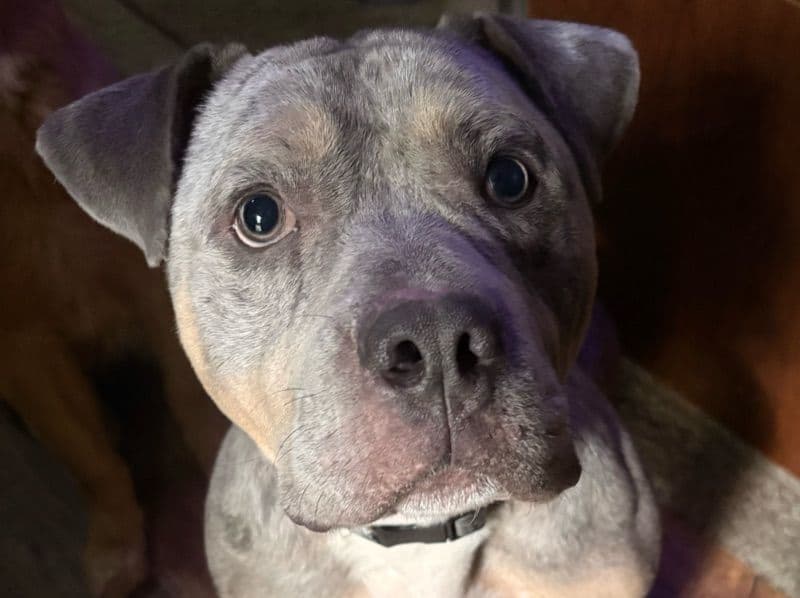
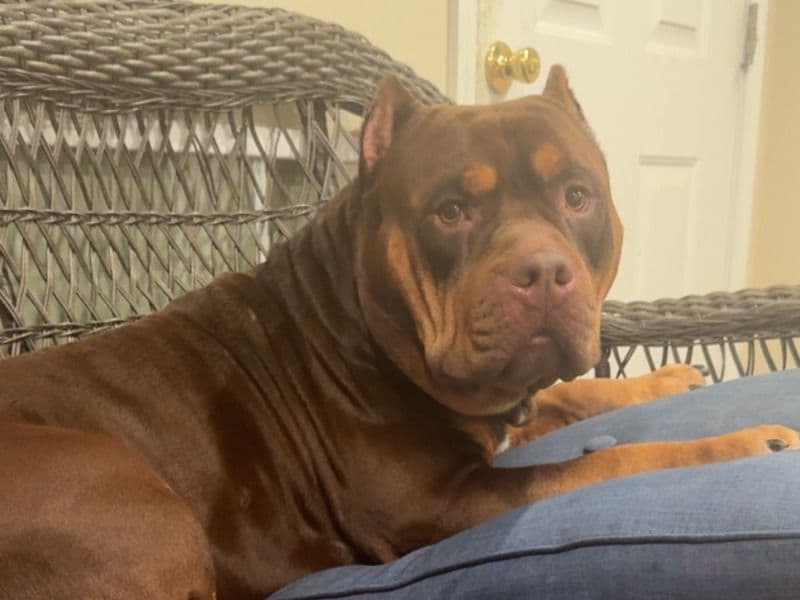
Thor - American Bully | Petmeetly

Thor

American Bully

2 years 11 months old,male
Los Angeles, California, US
VaccinatedPedigree
Sign Up to Connect
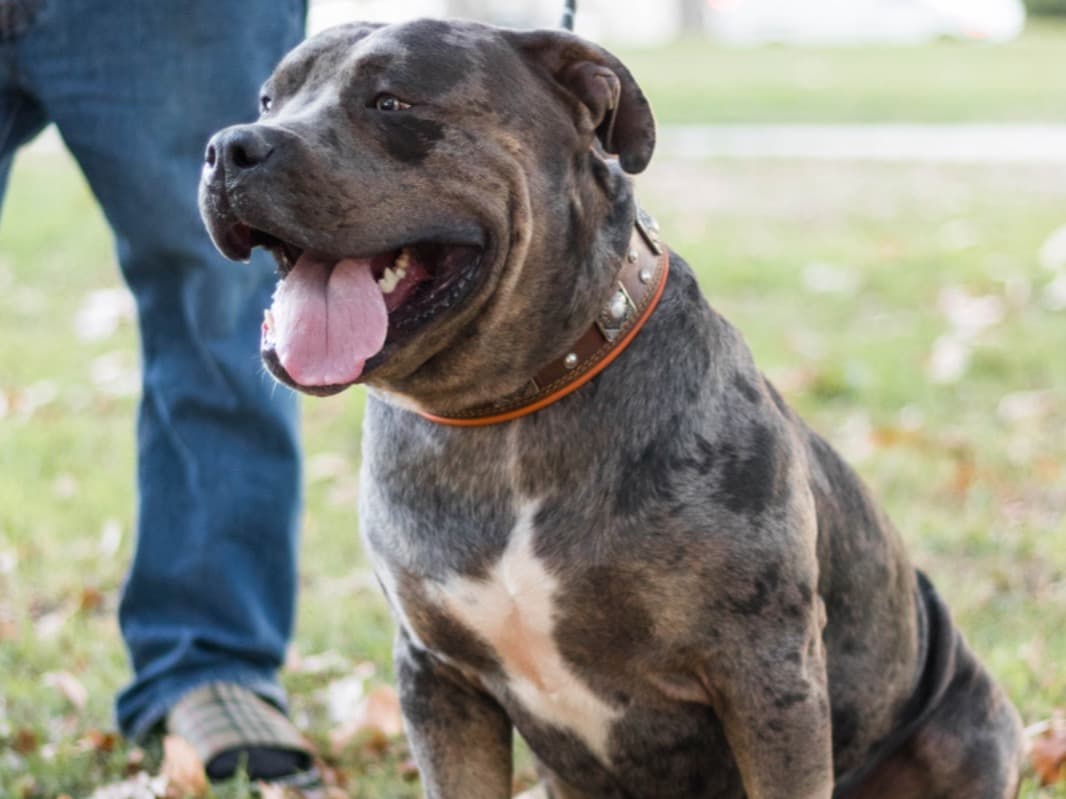
Ace - American Bully | Petmeetly

Ace

American Bully

1 year 2 months old,male
Cook County, Illinois, US
VaccinatedPedigreeDNA TestedMicrochipped
Stud Fee: $3000.00
Sign Up to Connect
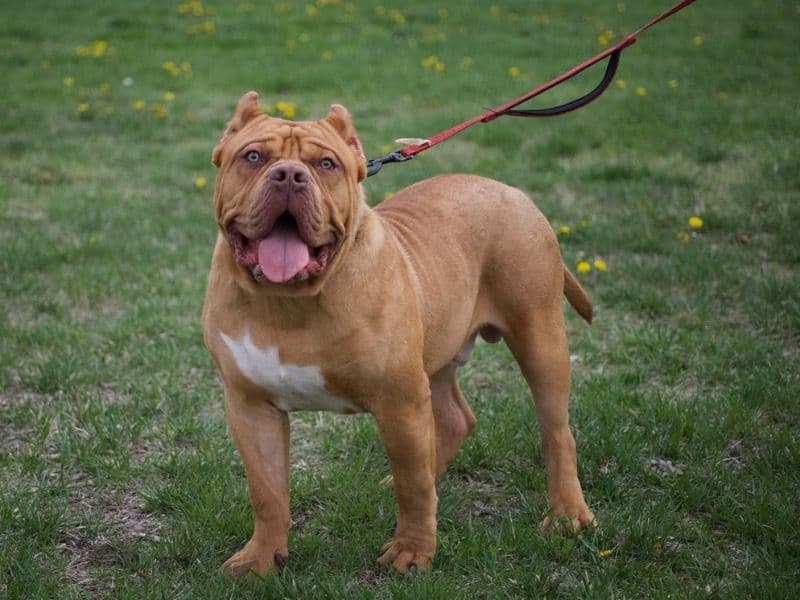
Big Bear - American Bully | Petmeetly

Big Bear

American Bully

3 years 8 months old,male
Greenville County, South Carolina, US
VaccinatedPedigreeDNA Tested
Sign Up to Connect
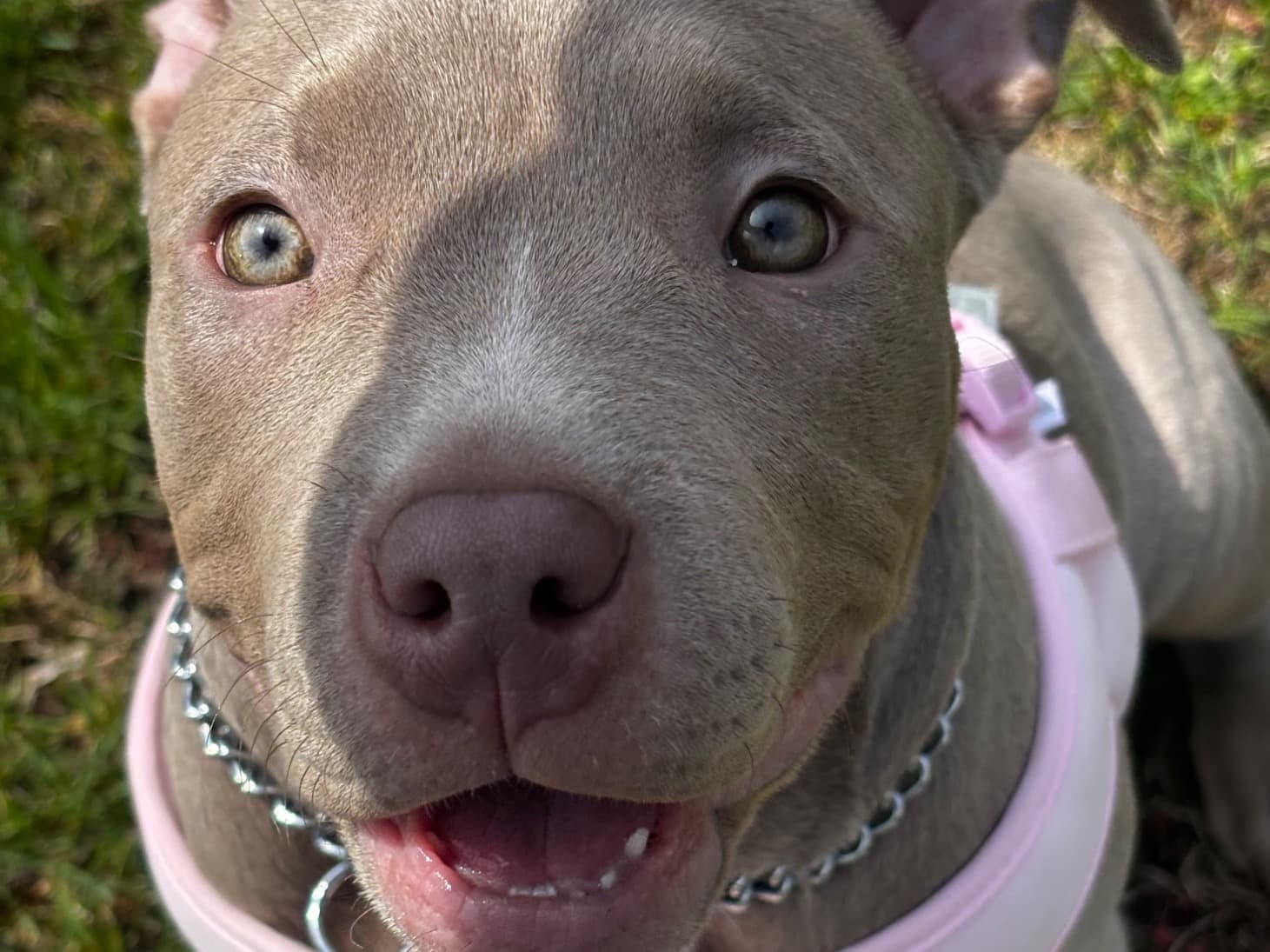
Magic - American Bully | Petmeetly

Magic

American Bully

3 years 2 months old,male
King County, Washington, US
VaccinatedPedigreeDNA Tested
Stud Fee: $1500.00
Sign Up to Connect
Ghost Face - American Bully | Petmeetly

Ghost Face

American Bully

1 year 7 months old,male
Benton County, Arkansas, US
Vaccinated
Sign Up to Connect
Diesel - American Bully | Petmeetly

Diesel

American Bully

1 year 7 months old,male
Maryland, US
VaccinatedPedigree
Stud Fee: $1200.00
Sign Up to Connect
Boss - American Bully | Petmeetly

Boss

American Bully

1 year 8 months old,male
Maryland, US
VaccinatedPedigreeMicrochipped
Stud Fee: $1000.00
Sign Up to Connect
Mylo - American Bully | Petmeetly

Mylo

American Bully

11 months old,male
Condado de Berks, Pensilvania, US
Vaccinated
Stud Fee: $1000.00
Sign Up to Connect
See every American Bully

How responsible American Bully breeding works

With this breed, two things come before everything else: the law, and breeding for a moderate, healthy dog rather than an extreme one. These four steps are the heart of responsible dog breeding.

  1. 01

    Know the law first

    Breeding XL Bullies is now illegal in the UK, and bully-type dogs are restricted in many places. Confirm the law where you and your buyers live.

  2. 02

    Breed moderate, not extreme

    Choose a dog that can move and breathe freely. The "exotic" and "micro" looks bring serious joint, breathing, and skin problems.

  3. 03

    Test for health

    Run OFA hips, elbows, and a heart exam, plus the cerebellar ataxia DNA test. Hip and joint disease is common in this heavy build.

  4. 04

    Plan the C-section and AI

    Bully mothers rarely give birth safely on their own. Plan for artificial insemination and a scheduled C-section, and budget for both.

Find your American Bully’s mate on Petmeetly

What kind of American Bully should you breed?

Short answer

A moderate, athletic one that can run, jump, and breathe normally. The ABKC recognizes four size classes (Standard, Pocket, Classic, and XL), but "exotic" and "micro" are not official classes; they are market labels for exaggerated dogs. Breed for health and function, not the extreme look.

Moderate, functional bully
Standard / Classic type
Build
Muscular but athletic, with normal legs that move freely
Temperament
Confident, gentle family companion
Bred for
Breed to this: health and function first
Extreme / "exotic" bully
Not an official ABKC class
Build
Exaggerated width, short bowed legs, flatter face
Temperament
Same gentle nature, far worse health
Bred for
Avoid: joint, breathing, and skin problems

The four official ABKC classes differ mostly in height and bone. Standard is the baseline, Pocket is shorter, Classic is lighter-built, and XL is the tallest, per the American Bully Kennel Club. Whichever you choose, the goal is the same: a sound, free-moving dog.

The exaggerated "exotic" and "micro" types are where breeding goes wrong. They stack short bowed legs, very wide bodies, and flatter faces, which the welfare section below explains in full, per the British Veterinary Association.

Browse American Bullies on Petmeetly

What health tests does an American Bully need before breeding?

Short answer

There is no official CHIC program for the breed, because that runs through the AKC and the American Bully is not an AKC breed. Use the OFA panel: hips, elbows, a heart exam, patella, and eyes, plus the cerebellar ataxia DNA test. Add a breathing check for any flat-faced dog.

  • 01. Hip evaluation (OFA x-ray or PennHIP)Required
    Hip dysplasia (a poorly formed hip joint) is common in this heavy build. From 24 months.
    $300 to $500
  • 02. Elbow evaluation (OFA x-ray)Required
    Screens for elbow dysplasia, also common in the breed.
    Often bundled with hips
  • 03. Cardiac exam by a cardiologistRequired
    Screens for heart defects present at birth, such as a narrowed heart valve.
    $300 to $600
  • 04. Cerebellar ataxia DNA testEssential
    A cheek swab for a fatal late-onset nerve disease. Never breed two carriers.
    $50 to $100
  • 05. Eyes (CAER), patella, and a breathing checkRecommended
    A yearly eye exam, a kneecap check, and a breathing (BOAS) check for any flat-faced dog.
    $150 to $400

The OFA (the Orthopedic Foundation for Animals) runs the screening databases for hips, elbows, heart, and more, per the OFA. The breed shares the same nerve-disease mutation as its Pit Bull and AmStaff ancestors, so the cerebellar ataxia DNA test belongs on every breeding dog, per the OFA. Results should be public, and buyers should ask to see them.

Run the full task list before the heat cycle starts. Our pre-breeding checklist walks through the timing steps that sit alongside these clearances.

See health-tested American Bullies on Petmeetly

Is it legal to breed American Bullies where you live?

Short answer

Sometimes it is not, so check first. In the UK it is now illegal to breed an XL Bully at all. Many US cities, insurers, and landlords also restrict bully-type dogs. You cannot lawfully breed or place a dog where it is banned, so confirm the law for both you and every buyer.

The UK ban is the big one. England and Wales added the XL Bully as a banned type under the Dangerous Dogs Act, and from December 2023 it became illegal to breed, sell, or give one away, per GOV.UK. Scotland brought in the same rules in 2024, and the ban is judged on a dog’s physical type, not its paperwork, per the Scottish Government.

In the US, the picture is patchier but still real. Many municipalities restrict bully-type dogs, and home and renter insurers often exclude them, which limits where a buyer can live, per the ASPCA.

The veterinary mainstream says these laws do not work, even as they remain the law. The AVMA and ASPCA both oppose breed-specific legislation, because breed does not predict how a dog behaves, per the AVMA and the ASPCA. Your job is to respect the law as it stands: breed only where it is legal, and check each buyer’s local rules before you place a dog. Laws here change often, so verify the current rules each time.

Find a breeding match on Petmeetly

Why do American Bullies usually need a C-section?

Short answer

Because a broad head and a wide body do not pass easily through a narrow birth canal. Like Bulldogs and French Bulldogs, most bully-type dams need a planned C-section, and artificial insemination is widely used to get them pregnant. Plan and budget for both from the start.

The evidence comes from close relatives. A large study found C-section rates above 80 percent in broad-skulled breeds like Bulldogs and French Bulldogs, per Evans and Adams (2010). The cause is a mismatch: a wide puppy head and a narrow birth canal. French Bulldogs are nearly 16 times more likely than crossbreds to have a difficult birth. About three-quarters of English Bulldog matings use artificial insemination, per the Royal Veterinary College.

There is no published C-section rate for the American Bully itself, but the build is the same kind of risk. So work with a reproduction vet, plan a scheduled C-section rather than waiting for an emergency, and treat a near-certain surgery as a planned cost.

Plan your American Bully litter on Petmeetly

Which inherited problems should a breeder screen for?

Short answer

The heavy bully build drives high rates of hip and elbow disease, so joints come first. After that: heart defects present at birth, the breed’s fatal nerve disease (cerebellar ataxia), and skin and breathing problems. The OFA panel plus the ataxia DNA test covers most of it.

Hip and elbow dysplasia

Poorly formed hip and elbow joints that lead to arthritis. OFA screening shows high rates in the breed, made worse by breeding for exaggerated bulk. Do not breed dysplastic dogs.

Congenital heart disease

Heart defects present at birth, such as a narrowed aortic or pulmonary valve, run in the foundation stock. A cardiologist exam on breeding dogs is the screen.

Cerebellar ataxia (NCL)

A fatal, late-onset nerve disease from the ARSG gene, inherited from the breed’s Pit Bull and AmStaff ancestors. A DNA test reports clear, carrier, or affected, so never breed two carriers.

Skin and breathing problems

Demodectic mange (a skin-mite condition) and skin allergies are common. Flat-faced "exotic" dogs also risk brachycephalic breathing trouble (BOAS), so breathe-test any short-muzzled dog.

Low thyroid (hypothyroidism) and eye problems like cherry eye and entropion round out the screens, so add a thyroid panel and a yearly eye exam to your program, per the OFA.

Find screened American Bullies on Petmeetly

When can you breed an American Bully?

Short answer

Wait until the dog is at least two years old and fully cleared. The OFA certifies hips and elbows at 24 months, which matters because joint disease is the breed’s biggest health load. The cerebellar ataxia DNA test can be run at any age, so do it early.

Earliest sensible age
2 yrs

After OFA hip and elbow certificates at 24 months.

Eye exam
Every year

A yearly CAER exam; some eye problems appear with age.

A female should finish hips, elbows, a heart exam, eyes, and the ataxia DNA test before a first litter, per the OFA. Hip and elbow x-rays only earn an OFA certificate once the dog is fully grown at 24 months. Keep litters few, and breed only from sound, moderate dogs.

Find American Bully stud dogs on Petmeetly

How do you choose an American Bully breeding partner?

Short answer

Match for health and moderation first. Pair a cerebellar ataxia carrier only with a clear dog, never carrier to carrier, and never breed two merles. Both dogs should be moderate enough to move and breathe freely. Keep shared ancestry low to protect the breed.

The biggest mistake is doubling up on extreme features, which stacks joint and breathing problems in the puppies. Two sound, moderate, fully tested dogs come first, and a low coefficient of inbreeding (COI, a number for how related two dogs are) is the tie-breaker. Confirm the other dog’s results yourself rather than taking a word for it.

5 questions to ask the other owner

  1. 1Can I see the OFA hips, elbows, heart, and the cerebellar ataxia DNA result?
  2. 2Can each dog move, run, and breathe freely?
  3. 3Is either dog a merle?
  4. 4Has this dam whelped before, and was it a planned C-section?
  5. 5Is this an XL or XL-leaning dog, which cannot be bred in the UK?
Match with Petmeetly American Bullies

What colors can an American Bully be?

Short answer

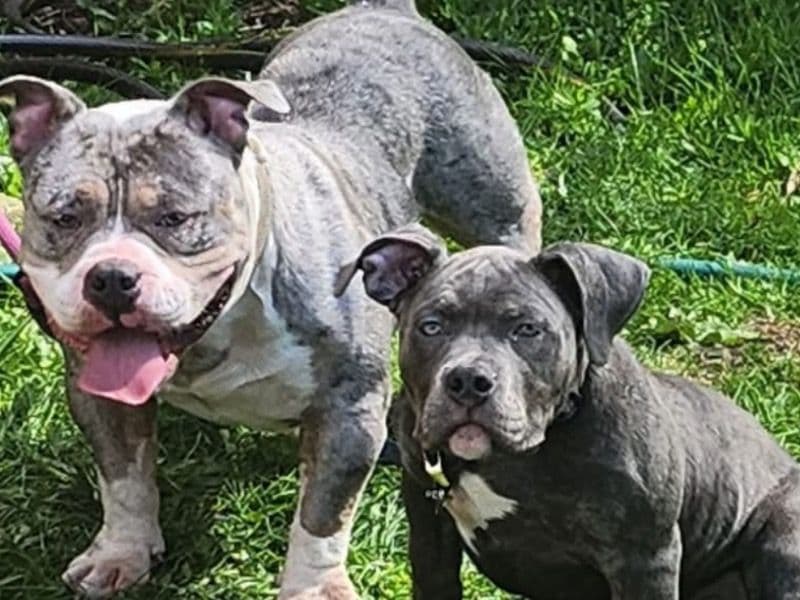
Almost any color or pattern, including blue, black, fawn, and tri-color. The one exception is merle, which the standard disqualifies. Merle is not a natural bully color, and breeding two merles produces puppies that are often deaf or blind.

American Bully color palette

Color is mostly cosmetic in this breed, with the merle exception. Breeding two merles together stacks the deafness and eye-defect risk, so a merle or "rare-color" bully is a red flag, not a feature, per Strain et al. (2009). Chase health and moderation, not color.

Is the "exotic" or "micro" bully a welfare problem?

Yes, and this is the heart of breeding this breed well. The "exotic" and "micro" trends breed for extremes: very wide bodies, short bowed legs (a kind of dwarfism called chondrodysplasia), heavy skin folds, and flatter faces. What is sold as "rare" or "compact" is often visible deformity that stops a dog moving and breathing normally.

The veterinary position is clear. Dogs whose body shape harms their health should not be bred from, or used in marketing, says the British Veterinary Association. RVC research found that more than a quarter of UK dogs already carry at least one extreme-conformation trait, and the exotic-bully trend deliberately stacks several together, per RVC VetCompass data.

The fix is moderation, and the standard already points the way. The ABKC standard calls for a dog that moves freely and functionally, per the United Kennel Club. So a bully that cannot run or breathe is not a better bully. It is a worse one. Treat the high price tags on the most exaggerated dogs as a warning sign, not a goal.

Find moderate, healthy American Bullies on Petmeetly

What temperament should you breed for?

Short answer

A confident, gentle, family-friendly dog. The American Bully was deliberately bred away from aggression and toward an affectionate companion, and the standard penalizes both viciousness and extreme shyness. It is still a large, powerful dog, so breed for stable nerves and socialize every puppy early.

Temperament is part of breed type, not a bonus, and it is one of the breed’s real strengths, per the United Kennel Club. Breed only from sound, friendly dogs, and be honest with buyers that a powerful dog needs training, exercise, and early socialization. Breed and individual behavior depend far more on raising and management than on breed label, per the AVMA.

Find gentle, sound American Bullies on Petmeetly

How do you care for a pregnant American Bully and her newborns?

Short answer

Pregnancy runs about 63 days, and litters are usually four to eight puppies. Feed the dam (the mother dog) a calorie-dense puppy diet through late pregnancy and nursing, and keep her lean and fit. Plan a scheduled C-section, and watch the newborns closely.

Feeding plan by pregnancy stage

Weeks 1 to 4
Normal adult portions

No calorie increase yet; keep her fit, not heavy.

Weeks 5 to 9
Switch to a growth/puppy diet, increase gradually

Small frequent meals; a full stomach crowds the chest.

Nursing
Free-choice growth diet

The dam needs far more energy while feeding the litter.

Broad-headed newborns need extra care

Broad-headed newborns and a C-section recovery mean extra care. Keep the whelping (giving birth) area warm, help the puppies nurse, and weigh them daily. A scheduled C-section gives the safest start, and a reproduction vet should be involved from the mating on. Call your vet early for any puppy that is weak, cold, or not feeding.

Plan your American Bully litter on Petmeetly

How much does it cost to breed an American Bully litter?

Short answer

This is an expensive breed to do right, often $5,000 to $12,000 or more before a single puppy sells. High stud fees, artificial insemination, and a near-certain C-section drive the cost. The eye-watering prices on "exotic" and "micro" dogs reward extreme breeding, so treat them as a red flag, not a goal.

Estimated cost of an American Bully litter

  • Hips, elbows, heart, eyes, patella$700 to $1,800
  • Cerebellar ataxia and other DNA tests$100 to $300
  • Stud service (proven dogs run high)$2,000 to $6,000
  • Progesterone timing and artificial insemination$500 to $1,500
  • Prenatal vet and whelping supplies$400 to $1,200
  • Planned C-section$1,500 to $3,000
  • Emergency C-section (if it comes to that)+ $3,000
  • Realistic total before any sale$5,000 to $12,000+

Ranges are typical US pricing for a first litter. For this breed, artificial insemination and a planned C-section are near-mandatory, not optional. A typical litter is 4 to 8 puppies.

What can the puppies sell for?

  • Pet-quality puppy (health-tested parents)$1,500 to $3,000
  • Standard or proven-pedigree puppy$3,000 to $10,000+
  • "Exotic" or "micro" puppyextreme-breeding premium, a welfare red flag
  • Typical litter revenue (4 to 8 puppies)$6k to $30k+

Market range only, not a Petmeetly endorsement. The highest prices attach to the most exaggerated, least healthy dogs, which is exactly the breeding to avoid. Puppies from untested or extreme parents carry real health risk.

These cost and price ranges come from breeders and market sources, so treat them as ballpark. Between health testing, AI, and a C-section, responsible American Bully breeding is costly and rarely a profit.

Total the numbers for your own pairing first. Our breeding cost and due-date calculator adds up testing, the stud fee, and the C-section in one place.

Browse American Bully puppies on Petmeetly

What goes in an American Bully stud agreement?

Short answer

A written stud agreement spells out the fee, what happens if the female does not conceive, who pays vet costs, and how puppies or pick-of-litter are handled. For this breed, also record who pays for artificial insemination and the C-section, and confirm the buyers can legally own the dog where they live.

Clauses every American Bully stud contract should name

  • Stud fee and payment
    The amount, when it is due, and whether it is cash or pick-of-litter.
  • Repeat mating terms
    A free or discounted return service if the female does not conceive.
  • Health and conformation proof
    Both dogs’ OFA hips, elbows, heart, and cerebellar ataxia DNA results attached.
  • Who pays for what
    Artificial insemination, progesterone timing, and how the C-section cost is split.
  • Registration and paperwork
    Who signs the ABKC or UKC litter registration and provides the stud’s documents.

Breeding American Bullies responsibly: law, placement, and cropping

Responsible breeding of this breed comes down to a few firm rules. Breed only where it is legal, which means no XL Bullies in the UK and no placements into banned areas. Screen every buyer’s local law, housing, and insurance before you hand over a dog, per GOV.UK.

Breed for the dog, not the look. Choose moderate, healthy parents that can move and breathe, and walk away from the pressure to produce ever-wider, ever-shorter "exotic" dogs, per the British Veterinary Association. A breeder who chases extremes is breeding for a price tag, not a dog. Our ethical breeding step by step guide covers what a sound pairing looks like start to finish.

On looks, skip the cosmetic surgery. Ear cropping is allowed by the standard but purely cosmetic, and the American Veterinary Medical Association opposes it and urges removing it from breed standards, per AVMA policy. Tails are never docked. Natural ears are legal everywhere and increasingly the norm.

Run your American Bully litter numbers

Estimate testing, the stud fee, artificial insemination, and the C-section before you commit.

Open the breeding calculator

American Bully Breeding FAQ

01

Is it legal to breed American Bullies?

It depends on where you live, and on the dog. In the UK it is now illegal to breed an XL Bully at all, and many US cities and insurers restrict bully-type dogs. Always confirm your local law, and the law where each buyer lives, before breeding or placing a dog.

02

What is the difference between an American Bully and a Pit Bull?

The American Bully is a separate breed, developed from the American Pit Bull Terrier and American Staffordshire Terrier as a stockier companion bred away from aggression. It is recognized by the ABKC and UKC, not the AKC. A Pit Bull is leaner and more athletic; the Bully is broader and heavier.

03

What are the American Bully size classes?

The ABKC recognizes four: Standard, Pocket, Classic, and XL, which differ mostly in height and bone. "Exotic," "micro," and "extreme" are not official classes; they are market labels for exaggerated dogs. Breed to the official standard, which calls for a dog that moves freely.

04

Is breeding "exotic" or "micro" American Bullies ethical?

No, when it breeds for extremes that harm the dog. The exotic and micro trends produce short bowed legs, very wide bodies, and flatter faces that cause joint, breathing, and skin problems. The British Veterinary Association says dogs whose body shape harms their health should not be bred from.

05

Do American Bullies need a C-section?

Most do. A broad head and wide body do not pass easily through a narrow birth canal, the same problem seen in Bulldogs and French Bulldogs. Artificial insemination is also widely used in the breed, so plan and budget for both from the start.

06

What health tests does an American Bully need before breeding?

There is no official CHIC program because the breed is not AKC-recognized, so use the OFA panel: hips, elbows, a heart exam, patella, and eyes, plus the cerebellar ataxia DNA test. Add a breathing check for any flat-faced dog. Hip and joint disease is the breed’s biggest health load.

07

Can you breed merle American Bullies?

You should not. Merle is not a natural bully color, and the standard disqualifies it. Breeding two merles produces puppies that are often deaf or blind, so a merle or "rare-color" bully is a red flag, not a feature.

08

At what age can you breed an American Bully?

Wait until the dog is at least two years old and fully cleared. The OFA certifies hips and elbows at 24 months, which matters because joint disease is the breed’s main health concern. The cerebellar ataxia DNA test can be done at any age, so run it early.

09

How much does it cost to breed an American Bully litter?

Plan for roughly 5,000 to 12,000 dollars or more before any puppy sells. High stud fees, artificial insemination, and a near-certain C-section drive the cost. Done responsibly, it is rarely a profit.

10

How long do American Bullies live?

Most live about 8 to 13 years, with smaller, moderate dogs at the longer end. Extreme "exotic" dogs bred with breathing and joint problems tend to live shorter lives. Keeping a bully lean, fit, and moderate is the best way to help it live longer.

11

Should you crop an American Bully’s ears?

No. Ear cropping is allowed by the standard but purely cosmetic, and the American Veterinary Medical Association opposes it. Tails are never docked. Natural ears are legal everywhere and increasingly the norm.

12

Are American Bullies aggressive?

No, not by nature. The breed was deliberately bred as a gentle, family-friendly companion, and the standard penalizes aggression. It is still a large, powerful dog, so breed for stable temperament and socialize every puppy early.


Sources

  1. American Bully Kennel Club, breed standard and size classes
  2. United Kennel Club, American Bully breed standard
  3. United Kennel Club, American Bully standard (merle disqualification)
  4. GOV.UK, Ban on XL Bully dogs (breeding prohibited)
  5. Scottish Government, XL Bully dog rules
  6. RSPCA, XL Bully ban and type definition
  7. AVMA, Why breed-specific legislation is not the answer
  8. ASPCA position statement on breed-specific legislation
  9. British Veterinary Association, Extreme conformation policy
  10. RVC VetCompass data on extreme conformation (via APGAW)
  11. Evans & Adams, Caesarean section rates by breed, J Small Animal Practice (2010)
  12. RVC, brachycephalic dystocia and artificial insemination
  13. OFA, Hip dysplasia evaluation
  14. OFA, Neuronal ceroid lipofuscinosis / cerebellar ataxia (ARSG)
  15. Epidemiological study of congenital heart diseases in dogs, PLOS ONE (2020)
  16. Brachycephalic obstructive airway syndrome study, PLOS ONE
  17. Strain et al., Deafness and the merle gene, J Vet Intern Med (2009)
  18. AVMA policy, Ear cropping and tail docking of dogs
ByPetmeetly Editorial Team•Published June 21, 2026
Fact-checked against the ABKC, UKC, UK government guidance, the BVA, AVMA, ASPCA, and OFA.

Success Stories
from American Bully Breeders

Real stories from dog owners who found perfect breeding matches on Petmeetly

I was skeptical at first because I was afraid of being scammed, but I found someone and arranged meet-and-greets—it was super easy! 10/10!

JL

Jadyn Lehn

Arizona, US

Everything has been great! Thank you, Kevin. I’ll be meeting up with Olive from Petmeetly in October

A

Aarthy

Victoria, AU

We found a lovely girl, and together she and Baxter welcomed adorable puppies. Baxter enjoyed the experience so much that he’s excited to keep making new connections on PetMeetly. Thank you!

H

Helen

California, US

Read More Success Stories

Keep reading

More vetted material for owners planning an American Bully litter

Best Age To Breed A Dog (Male & Female)
Dog Breeding

Best Age to Breed a Dog (Male & Female)

20 min read

When can you breed your dog? A vet-informed timing guide covering male and female age windows, 50-breed reference table, OFA CHIC health tests, and heat-cycle protocols.

June 21, 2026
Dog Breeding Checklist and Tips For Successful Breeding
Dog Breeding

Dog Breeding Checklist: Pre-Breeding to 8-Week Placement

14 min read

A standards-backed dog breeding checklist covering pre-breeding clearances (OFA CHIC, brucellosis PCR), heat-cycle timing (progesterone 5 ng/mL), whelping prep, dystocia red flags, week-by-week newborn care, and responsible placement at 8 weeks.

November 10, 2025
Can a female dog breed with two studs
Dog Breeding

Can a Female Dog Breed With Two Studs? Superfecundation, AKC Rules, and Accidental Matings

13 min read

Yes, a female dog can have puppies from two different sires in one litter via superfecundation. This guide covers the biology, the AKC multi-sire litter registration process, when intentional dual-siring is useful, and what to do if the mating was an accident.

October 16, 2025
View All Articles

Explore Popular Dog Breeds

Discover breeding guides for different dog breeds and find the perfect match for your breeding program

Akita BreedingAmerican Bully BreedingAmerican Pit Bull Terrier BreedingAustralian Shepherd BreedingBeagle BreedingBorder Collie BreedingBulldog BreedingCane Corso BreedingCavalier King Charles Spaniel BreedingChihuahua BreedingDachshund BreedingDoberman BreedingFrench Bulldog BreedingGerman Shepherd BreedingGolden Retriever BreedingLabrador Retriever BreedingMaltese BreedingPomeranian BreedingPoodle BreedingPug BreedingRottweiler BreedingShih Tzu BreedingSiberian Husky BreedingYorkshire Terrier Breeding450+ breeds more

Find an American Bully breeding partner

3,918+ American Bullies are on Petmeetly right now. Find a breeding partner with clean health paperwork.

Find an American Bully mate

No card required to sign up.