PetmeetlyPetmeetly
Find a match
Dog Breeders & Stud Dogs
Dogs For Sale
Dogs For Adoption
Cat Breeders & Stud Cats
Cats For Sale
Cats For Adoption
Rabbit Breeders
Rabbits For Sale
Rabbits For Adoption
Small Pet Breeders
Small Pets For Sale
Small Pets For Adoption
How It Works
Pet Blogs
Testimonials
About Us
Find a match

Dogs & Puppies

Dog Breeders & Stud DogsDogs For SaleDogs For Adoption

Cats & Kittens

Cat Breeders & Stud CatsCats For SaleCats For Adoption

Rabbits

Rabbit BreedersRabbits For SaleRabbits For Adoption

Small Pets

Small Pet BreedersSmall Pets For SaleSmall Pets For Adoption

Resources

How It WorksPet BlogsTestimonialsAbout Us
Find a MatchSign In
Petmeetly

Your platform for finding the perfect pet companion. Connect with pet owners and discover loving pets looking for homes.

App StoreGoogle Play

Quick Links

  • Home
  • How It Works
  • About Us
  • Editorial Team & Reviewers
  • Blog
  • Privacy Policy
  • Trust & Safety

Dogs

  • Dog Breeders
  • Dogs for Adoption
  • Dogs for Sale

Cats

  • Cat Breeders
  • Cats for Adoption
  • Cats for Sale

Rabbits

  • Rabbit Breeders
  • Rabbits for Adoption
  • Rabbits for Sale

Small Pets

  • Small Pet Breeders
  • Small Pets for Adoption
  • Small Pets for Sale

© 2026 Petmeetly. All rights reserved.

PrivacyTerms
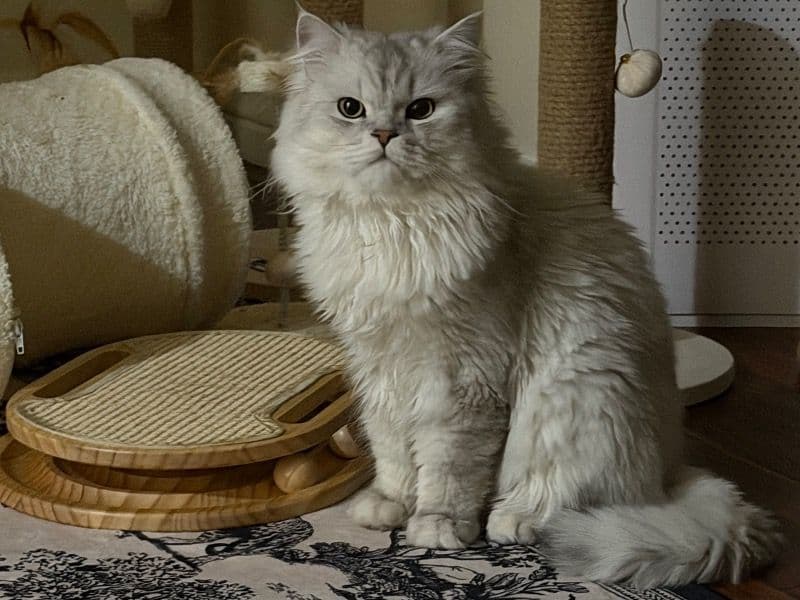
A healthy, well-groomed adult silver Persian cat sitting alert in soft natural light
1,922+ Persians on Petmeetly

Breeding a Persian

A health-first plan for a litter, from the DNA tests that come first to a moderate face, queening, and what it truly costs.

Find a health-tested mateSee the health tests
  1. Home
  2. /
  3. Cat Breeding
  4. /
  5. Persian

Persians available for breeding

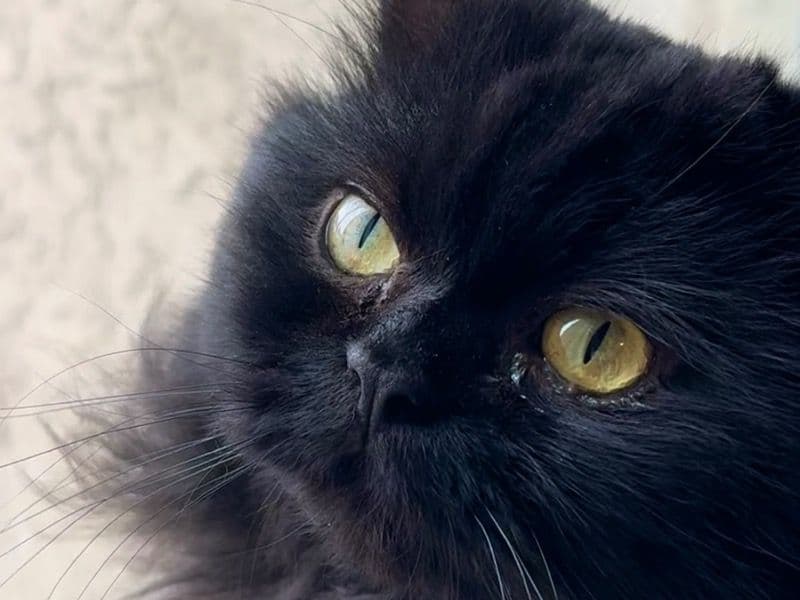
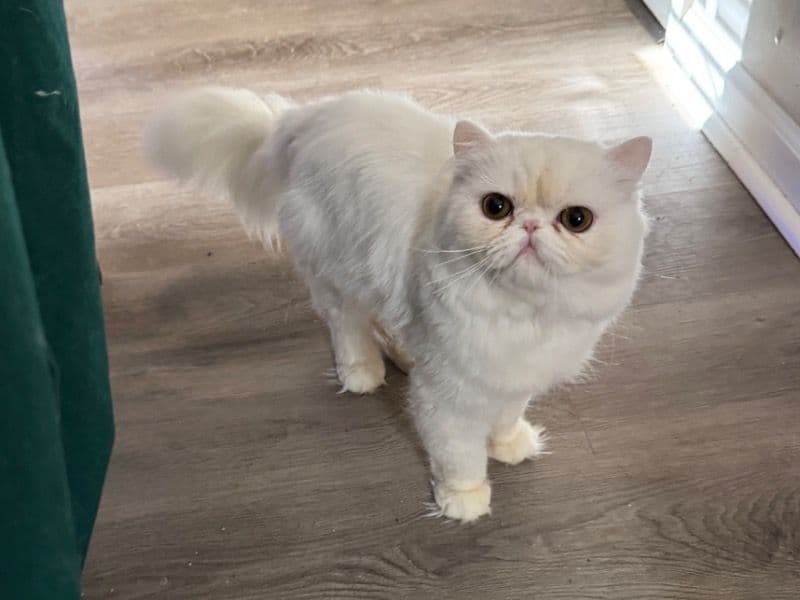
Romeo - Persian | Petmeetly

Romeo

Persian

1 year old,male
Maricopa County, Arizona, US
VaccinatedPedigree
Stud Fee: $1000.00
Sign Up to Connect
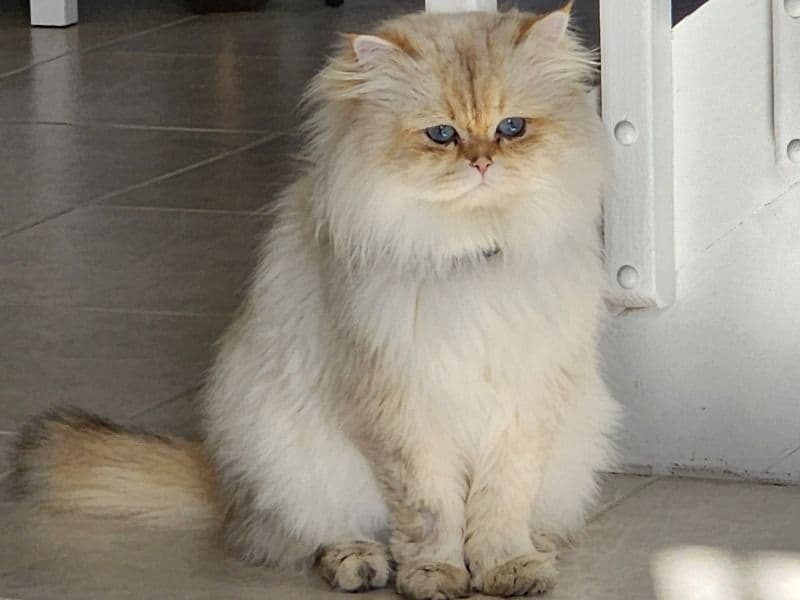
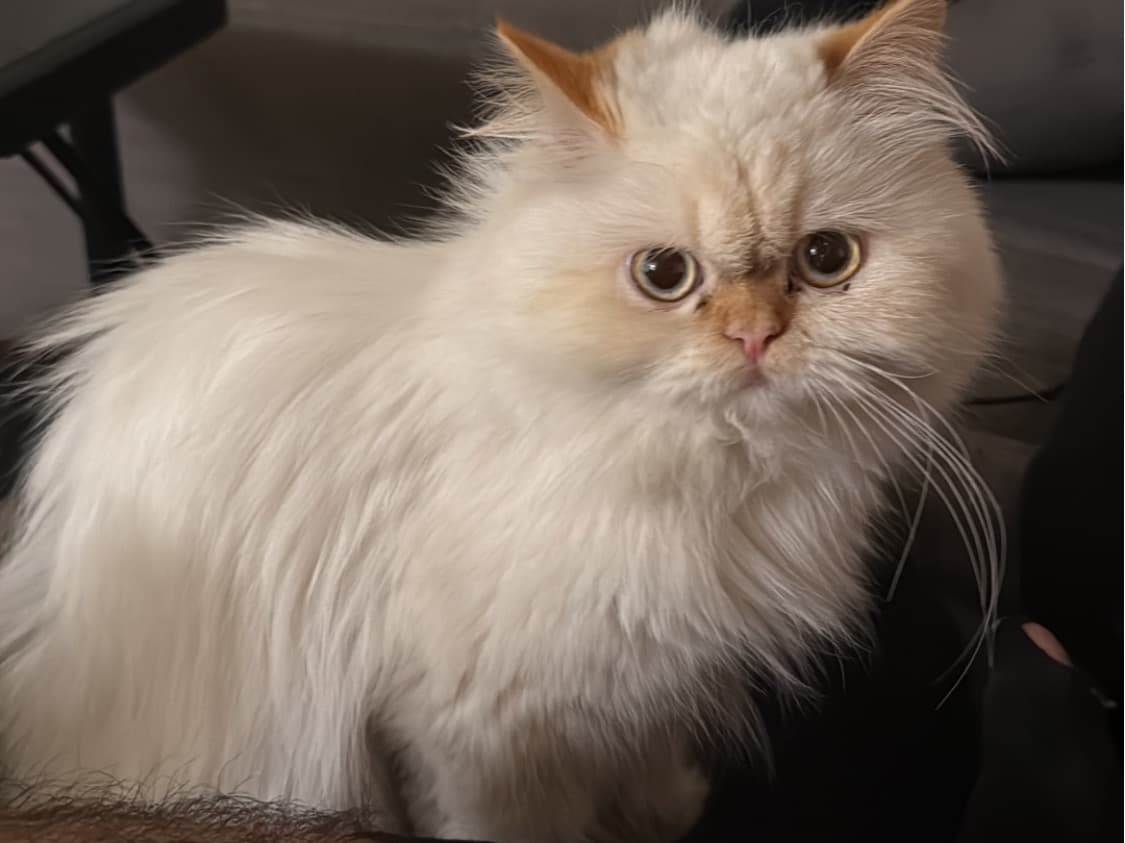
Monjo - Persian | Petmeetly

Monjo

Persian

1 year 4 months old,male
Bergen County, New Jersey, US
VaccinatedDNA Tested
Sign Up to Connect
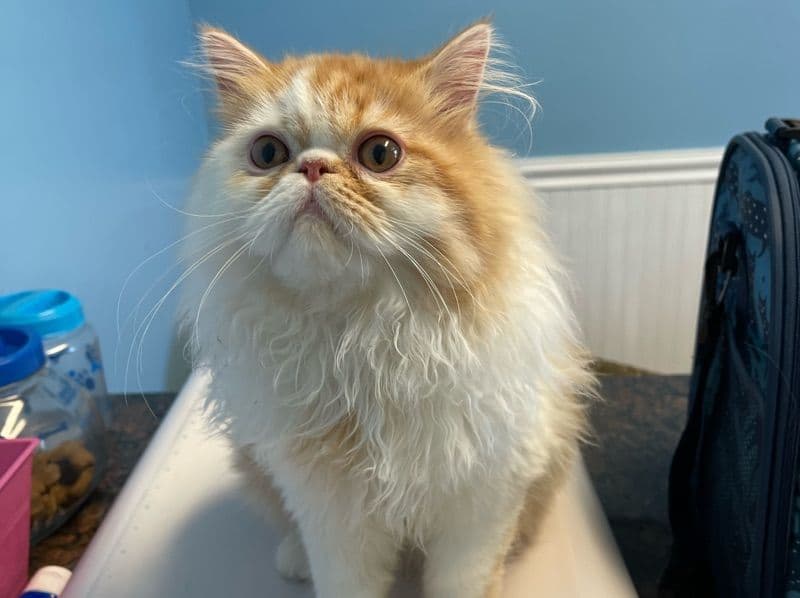
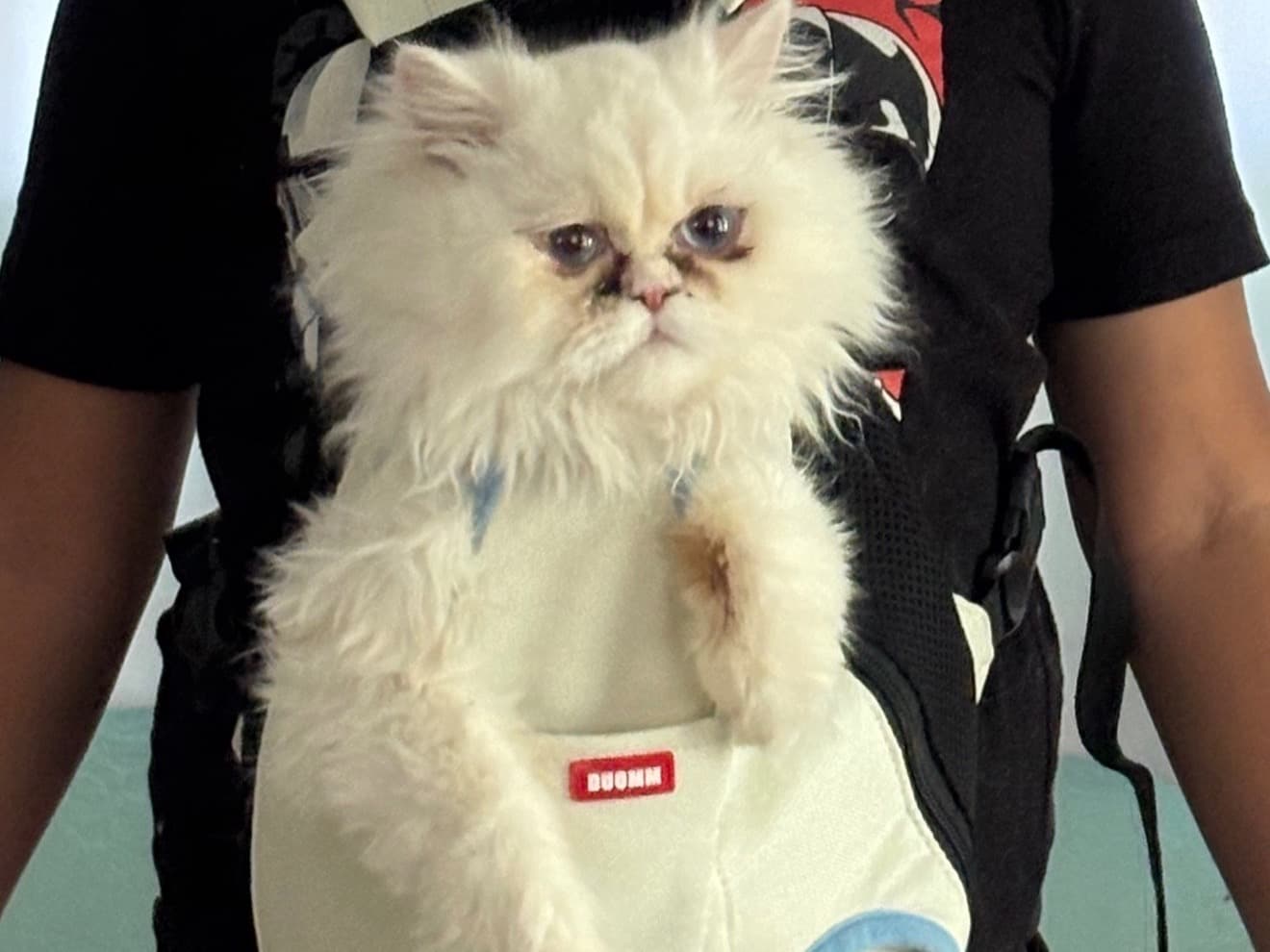
Mose - Persian | Petmeetly

Mose

Persian

5 years 11 months old,male
Orange County, California, US
Stud Fee: $800.00
Sign Up to Connect
Misky - Persian | Petmeetly

Misky

Persian

3 years 3 months old,male
Miami-Dade County, Florida, US
Vaccinated
Sign Up to Connect
Archie - Persian | Petmeetly

Archie

Persian

1 year 11 months old,male
Florida, US
VaccinatedDNA TestedMicrochipped
Stud Fee: $1500.00
Sign Up to Connect
Winslow - Persian | Petmeetly

Winslow

Persian

3 years 2 months old,male
Duval County, Florida, US
VaccinatedPedigreeDNA TestedMicrochipped
Stud Fee: $500.00
Sign Up to Connect
Enzo - Persian | Petmeetly

Enzo

Persian mix

2 years old,male
Los Angeles, California, US
Vaccinated
Stud Fee: $300.00
Sign Up to Connect
Pesto - Persian | Petmeetly

Pesto

Persian mix

3 years 2 months old,male
Boyertown, Pennsylvania, US
Vaccinated
Stud Fee: $500.00
Sign Up to Connect
See every Persian

The Persians above are listed by owners looking for a health-tested mate. Breeding a good Persian litter starts long before the mating. It starts with the DNA tests that keep kidney disease and blindness out of the line. It also takes a decision to breed a moderate face instead of an extreme one, and a plan for a birth that often needs a vet. This guide walks you through all of it.

Persian breeding, at a glance

Litter size
About 4 kittens
Gestation
About 65 days
DNA tests required
PKD and PRA
Heart screen
Echocardiogram, every 1 to 2 years
Virus tests
FeLV and FIV, before mating
Face to breed
Moderate "doll-face"
Birth
Cesarean is common
Cost before any sale
Low thousands

The quick version. Each point is explained and sourced in the sections below.

Should you breed your Persian?

Short answer

Breed only a Persian that is DNA-clear for kidney disease, screened for heart disease, and has a moderate face. Persians carry a real health load. Kidney disease is the breed’s leading cause of death, and a UK study found about two-thirds of Persians had at least one recorded health problem.[1][6]

  • Persian is one of the most-registered pedigree cats, prized for a sweet, quiet temperament.[7] That popularity is exactly why breeding it responsibly matters.
  • The breed’s headline problem is the kidneys. Polycystic kidney disease (PKD) was historically found in a large share of Persians, and renal disease is the leading recorded cause of death, about 23 percent of deaths.[1] Testing is how a breeder keeps it out of a litter.
  • Reputable cat breeders do not make money; costs rise, not fall, with proper care.[11] The point of a litter is a healthier next generation.

The DNA tests that come first: PKD and PRA

Short answer

Two DNA tests decide a Persian pairing. Polycystic kidney disease (PKD, fluid-filled cysts that destroy the kidneys) is dominant, so a cat with even one copy should never be bred.[2] Progressive retinal atrophy (PRA, an inherited blindness) is recessive, so a carrier can be bred safely only to a DNA-clear mate.[3] Test both parents before you plan a mating.

PKD (polycystic kidney disease)

PKD comes from a dominant gene in PKD1. One copy causes disease, and two copies are not survivable, so no Persian should carry it into a litter.[2] A DNA test (a cheek swab or blood sample) has existed since 2005 and has cut PKD sharply in lines that test.[1] An ultrasound that looks clear in a young kitten does not rule it out, so use the DNA test.

PRA-pd (progressive retinal atrophy)

PRA-pd comes from a recessive gene (AIPL1) that blinds kittens by about 16 weeks.[3] Recessive means two clear-looking carriers can still produce blind kittens, so test and pair a carrier only with a DNA-clear cat.[3] No good cat has to leave the gene pool; you just avoid carrier-to-carrier matings.

Screening the heart, and the two viruses

Short answer

Persians are prone to hypertrophic cardiomyopathy (HCM, a thickening of the heart muscle), and there is no Persian gene test for it. The screen is an echocardiogram (a heart ultrasound) by a board-certified cardiologist, repeated every one to two years, because one normal scan does not clear a cat for life.[4] Both breeding cats also need a negative FeLV and FIV test.[5]

Every health test before you breed

  • PKD (polycystic kidney disease)

    Screens for
    Kidney cysts that slowly cause failure
    How
    DNA test, a cheek swab or blood sample
    Breeding rule
    Dominant, so never breed a cat with even one copy[2]
  • PRA-pd (progressive retinal atrophy)

    Screens for
    Inherited blindness in kittens
    How
    DNA test
    Breeding rule
    Recessive, so breed a carrier only to a DNA-clear mate[3]
  • HCM (hypertrophic cardiomyopathy)

    Screens for
    A thickened heart muscle, often silent until serious
    How
    Echocardiogram by a cardiologist, every 1 to 2 years
    Breeding rule
    No Persian gene test (the Maine Coon and Ragdoll tests do not apply); a normal scan clears the cat only for now[4]
  • FeLV and FIV

    Screens for
    Two infections that pass between cats
    How
    Blood test
    Breeding rule
    Both cats must test negative before every mating[5]

Breed for a moderate face, not an extreme one

Short answer

The flat "peke-face" Persian is a welfare problem, not a goal. Extreme flat faces block tear drainage, crowd the teeth, and make breathing and birth harder.[8] Breed toward the moderate, "doll-face" type. The warning sign of too far is the "rising of the nose", where the top of the nose leather sits above the bottom of the eyes.[8]

  • Decades of breeding for an ever-flatter face have harmed the breed. Veterinary and welfare bodies now urge breeders and registries to move back toward a moderate skull.[8] International Cat Care says it would be better not to breed or register cats bred to the brachycephalic (flat-faced) extreme.[8]
  • A moderate face still meets the standard’s round head while sparing the kitten chronic eye, dental, and breathing trouble. This is the single most important shape decision a Persian breeder makes.
Find a health-tested Persian mate

Timing a mating: cats are induced ovulators

Short answer

A queen (a breeding female) does not ovulate on a schedule. Mating itself triggers ovulation, so a queen usually needs several matings across a day or two.[9] Queens come into heat in cycles through a breeding season. A stud service (a booked mating with a breeding male) is arranged with a written agreement and a mating certificate for registration.[10]

  • Because ovulation is triggered by mating, the queen visits the stud and stays two to four days, mating several times.[10] When she starts refusing the stud, the mating is usually done.
  • Wait past the first heat. Most breeders start a queen only after she is physically mature and her health clearances are complete, not at her first cycle.[9] The stud owner issues a mating certificate that lets you register the litter.[10]

Queening a Persian litter: plan for a hard birth

Short answer

Queening is the cat word for giving birth. A Persian litter averages about four kittens after a pregnancy of roughly 65 days.[12] Persians are overrepresented in difficult births because the kittens’ broad heads do not pass easily, so cesarean sections are common.[13] Line up your vet and an after-hours plan before the due date.

Labor runs in stages: nesting and restlessness first, then a kitten roughly every 15 to 60 minutes.[12]

Call the vet during labor if

  • The queen strains hard for over 30 minutes with no kitten[12]
  • More than 4 hours pass between kittens with more still due[12]

Because the flat face raises birth risk, medical help is often not enough and a cesarean is needed.[13] A queen who has had one difficult birth is usually not bred again, or is booked for a planned cesarean next time.[13]

What it costs to breed a Persian litter

Short answer

Plan for the low thousands before a single kitten sells. The DNA tests, the heart scan, the stud fee, queening care, and a realistic chance of a cesarean add up fast, and one emergency surgery can erase the margin.[11] Reputable breeders treat it as a hobby, not a profit center.

Estimated cost of a Persian litter

  • DNA and health tests, both catsPKD, PRA, plus the echocardiogram heart screenA few hundred dollars
  • Stud service feeOr a pick-of-litter arrangement; more for champion lines$300 to $800
  • Queening and vet carePrenatal care, the birth, and a possible cesareanSeveral hundred to low thousands
  • Kitten rearingVaccines, deworming, microchips, food, and registrationSeveral hundred
  • Realistic total before any saleLow thousands

Ranges are estimates from breeder sources, not authority figures. For a Persian, budget the cesarean as a real possibility, not a surprise.

The math only works when the goal is a healthier next generation, not income.[11]

Registering the litter and placing pet kittens

Short answer

Register your cattery, your queen, and then the litter with CFA and/or TICA.[14] Pet-quality kittens go to homes on spay or neuter terms. CFA registers kittens as "Not for Breeding" by default unless the breeder supplies the litter breeding key, which is how the breed protects its gene pool.[14]

Register the litter, in order

  1. 1Your cattery name
  2. 2The breeding queen
  3. 3The litter
  4. 4Each kitten, registered from that litter[14]

Pet-quality kittens are placed on spay or neuter contracts, and many breeders hold registration papers until they see proof of the surgery.[14] Breeding rights are given only to cats a breeder has chosen for the program.

Persian Breeding FAQ

01

What health tests does a Persian need before breeding?

Two DNA tests and a heart scan. Both cats should be DNA-tested for polycystic kidney disease (PKD) and progressive retinal atrophy (PRA), and screened for heart disease by an echocardiogram. Both also need a negative FeLV and FIV test before mating.

02

At what age can you breed a Persian?

After she is physically mature and her health clearances are done, not at her first heat. Most breeders wait until a queen is past a year old and has had a couple of cycles, so the heart scan and DNA results are all in first.

03

What is PKD and how do you breed away from it?

In polycystic kidney disease, fluid-filled cysts slowly destroy the kidneys. It is caused by a dominant gene, so a cat with even one copy is affected and should never be bred. A DNA test tells you which cats are clear, and only clear-to-clear matings produce clear kittens.

04

Do Persians need a heart test before breeding?

Yes. Persians are prone to hypertrophic cardiomyopathy, a thickening of the heart muscle, and there is no Persian gene test for it. The screen is an echocardiogram by a board-certified cardiologist, repeated every one to two years, since one normal scan does not clear a cat for life.

05

Should I breed a flat-faced (peke-face) Persian?

No. The extreme flat face blocks tear drainage, crowds the teeth, and makes breathing and birth harder. Breed toward the moderate, doll-face type. The sign a face has gone too far is the nose leather sitting above the bottom of the eyes.

06

How does mating work in cats?

Cats are induced ovulators, which means the act of mating triggers the egg release, not a fixed cycle. A queen usually needs several matings across a day or two, so she stays with the stud for a few days. When she starts refusing him, the mating is generally complete.

07

How big is a typical Persian litter?

About four kittens, after a pregnancy of roughly 65 days. First litters and older queens are often smaller. A late-pregnancy scan or x-ray counts the kittens so you know when the birth is finished.

08

Do Persian cats usually need a cesarean section?

Often. Persians are overrepresented in difficult births because the kittens have broad heads that do not pass easily. Medical help frequently is not enough, so a cesarean is common. Plan for one, and do not re-breed a queen who has had a hard birth.

09

How much does it cost to breed a Persian litter?

Plan for the low thousands before a kitten sells. The DNA tests, the heart scan, the stud fee, queening care, and a likely cesarean add up quickly. Reputable breeders treat it as a hobby, not a way to make money.

10

How do I register a Persian litter?

Register a cattery name, then your queen, then the litter, with CFA and/or TICA. Individual kittens are registered from that litter. Pet-quality kittens go out on spay or neuter contracts, and CFA marks kittens 'Not for Breeding' unless the breeder supplies the breeding key.

11

What is PRA and should I test for it?

Progressive retinal atrophy is an inherited disease that blinds Persian kittens young. It is recessive, so two normal-looking carriers can still produce blind kittens. A DNA test finds carriers, and pairing a carrier only with a clear cat keeps the litter safe without losing a good cat.

12

How long do Persians live?

About 13.5 years on the largest veterinary dataset. Kidney disease is the leading recorded cause of death, which is why breeding from DNA-clear, health-screened parents matters so much.


Sources

  1. O'Neill et al. (2019), Persian cats under first-opinion veterinary care in the UK (VetCompass); median lifespan 13.5 years, renal disease the leading cause of death
  2. Feline Polycystic Kidney Disease: An Update (PKD1 autosomal dominant, homozygous lethal, DNA test since 2005, reduced in tested lines)
  3. Rah et al. (2005), IOVS, Early-onset autosomal recessive progressive retinal atrophy in Persian cats (AIPL1, blindness by about 16 weeks)
  4. ACVIM (2020) consensus statement on the classification of feline cardiomyopathies (HCM most common; echocardiographic screening)
  5. AAFP (2020) Feline Retrovirus Testing and Management Guidelines (test for FeLV and FIV)
  6. FECAVA, Brachycephalic issues: Persian cats (RVC VetCompass; about two-thirds of Persians have at least one recorded health issue)
  7. Cat Fanciers' Association, Persian breed profile and standard
  8. Malik and Foster, Brachycephalic Cats: is it Too Late for the Persian? (JFMS); breed a moderate face, the rising of the nose marker; International Cat Care, Persian cats and brachycephaly
  9. VCA Animal Hospitals, Estrus Cycles in Cats (induced ovulation)
  10. Governing Council of the Cat Fancy, Stud Service FAQs (mating certificate, FeLV and FIV screening)
  11. Cat Breeder Sensei, Is Breeding Cats a Hobby or a Business? (cost estimate, not a profit center)
  12. Petco, Cat Labor and Birth: A Queening Guide (litter size, gestation about 65 days, labor stages, when to call a vet)
  13. EveryCat Health Foundation, Data on dystocia in the cat (Persians overrepresented; cesarean common)
  14. Cat Fanciers' Association, Registration Overview (cattery, queen, and litter registration; Not for Breeding default)
ByPetmeetly Editorial Team•Published July 6, 2026

Fact-checked against CFA, International Cat Care, the ACVIM, AAFP, and peer-reviewed veterinary research.

Success Stories
from Persian Breeders

Real stories from cat owners who found perfect breeding matches on Petmeetly

Yes, we found a mate for my male cat. We are waiting date and time

P

Pelin

Florida, US

We found a lovely female cat through Petmeetly, and she mated with our male cat. We’re now expecting kittens soon! We also discovered another perfect candidate—our male cat has already mated with one, and will mate with the other once she reaches maturity. We’re so glad to have this platform—it truly helped us find the right matches

Pelin  - Profile photo

Pelin

Florida, US

Nothing more to add — the platform is great, and I found it very helpful for my needs

Z

Zaeem

Ontario, CA

Read More Success Stories

Explore Popular Cat Breeds

Discover breeding guides for different cat breeds and find the perfect match for your breeding program

Ragdoll BreedingDomestic Shorthair BreedingBritish Shorthair BreedingAmerican Shorthair BreedingTabby BreedingMaine Coon BreedingBengal BreedingSiamese BreedingScottish Fold BreedingCalico BreedingDomestic Medium Hair BreedingSphynx BreedingScottish Straight BreedingTuxedo Cat BreedingRussian Blue BreedingBombay BreedingHimalayan Breeding50+ breeds more

Find a Persian breeding partner

1,922+ Persians are on Petmeetly right now. Find a health-tested mate with clean DNA paperwork.

Find a Persian mate

No card required to sign up.