01
Why do Persian cats get rehomed?
Almost always because of the owner's circumstances, not the cat. Common reasons are a move or a new landlord, a busier household, an allergy, or grooming and vet costs the owner could not keep up with. A rehomed Persian is usually a good cat that needs a fresh start.
02
What is a reasonable rehoming fee for a Persian cat?
Usually about $50 to $100. The fee is not a profit charge; it helps cover the current owner's costs and confirms the adopter is serious and ready. Kittens or special-needs cats may be higher, and seniors are often lower.
03
How much grooming does an adopted Persian cat need?
About 15 to 20 minutes of brushing every day, plus a daily eye wipe. The long coat mats quickly, and a neglected mat pinches the skin and becomes painful. If the cat arrives matted, a groomer may need to reset the coat first.
04
Do I need to worry about kidney disease in an adult Persian cat?
It is worth planning for. Polycystic kidney disease is present from birth but usually shows signs around age seven, so an adult Persian can develop it. Ask whether the cat was DNA-tested or scanned, and keep a small budget for kidney care as it ages.
05
What health tests should a newly adopted cat have?
Have it tested for feline leukemia virus (FeLV) and feline immunodeficiency virus (FIV), confirm its vaccinations are current, and update the microchip into your name. A vet may retest for the viruses about 60 days later, since one early test can miss a recent infection.
06
How long does it take a Persian cat to settle in?
About three months on average. A common guideline is 3-3-3: roughly 3 days to feel safe, 3 weeks to learn the routine, and 3 months to feel fully at home. A quiet room and a steady routine help a new cat relax faster.
07
Should I adopt a senior Persian cat?
Often, yes. A senior cat's personality is already known, it is usually litter-trained and calm, and it suits quiet or work-from-home households. Older Persians are frequently overlooked, and many bond deeply with the person who gives them a second home.
08
Do Persian cats have eye problems I will have to manage?
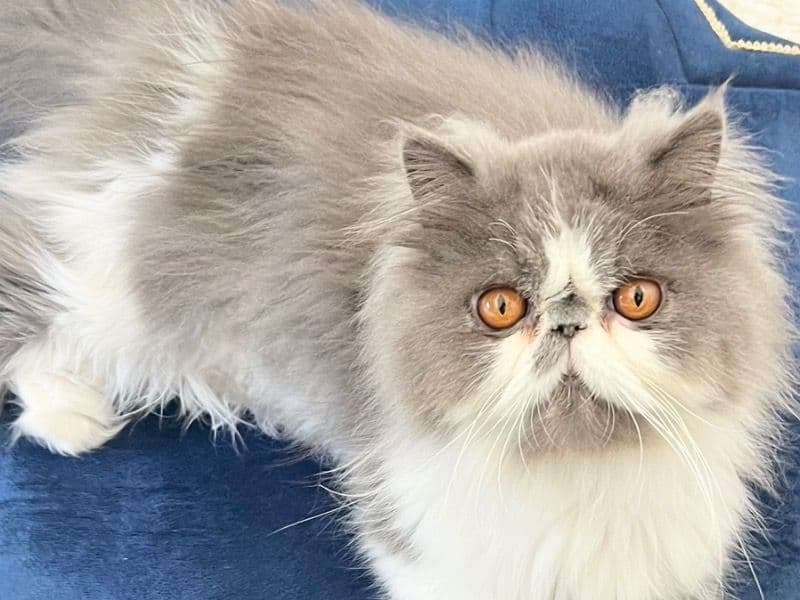
Usually some. The flat face distorts the tear ducts, so tears overflow onto the fur and cause staining if ignored. A daily wipe of the eye area keeps it under control. A more moderate-faced Persian tends to need less eye care.
09
Is a Persian a good apartment cat?
Yes. Persians are calm, quiet, and happy indoors, which suits apartment life well. The trade-off is not space but time: the daily grooming and eye care are the real commitment, not exercise or room to roam.
10
How long do Persian cats live?
About 13.5 years on the largest veterinary dataset, with kidney disease the leading cause of death. Good grooming, eye care, and regular vet checks give an adopted Persian its best chance at a long, comfortable life.