Connect with owners of tabby-patterned cats across all breeds. From classic swirls to mackerel stripes, find the perfect genetic match for your breeding program.
Tabby refers to a coat pattern, not a specific breed of cat. This distinctive pattern, marked by stripes, spots, or swirls and the characteristic "M" on the forehead, appears in dozens of cat breeds including Maine Coons, American Shorthairs, British Shorthairs, Bengals, and countless mixed-breed cats. When breeding tabby cats, you're working with pattern genetics that can appear in any breed, making it one of the most diverse and widespread coat patterns in the feline world.
Characteristics vary by breed, but all tabby cats share distinctive pattern features
Male: 8-18 lbs (varies)
Female: 6-15 lbs (varies)
Male: Varies by breed
Female: Varies by breed
12-18 years
Depends on breed
Generally Friendly
Varies by breed
Bold, swirled patterns resembling a marble cake. Large circular or butterfly-wing patterns on sides. Common in American Shorthairs.
Narrow parallel stripes running down the sides like a tiger. Most common tabby pattern. Named after mackerel fish markings.
Spots of varying sizes instead of stripes. Can be round or oval. Seen in breeds like Bengals and Egyptian Maus.
Individual hairs banded with multiple colors. Minimal body pattern. Common in Abyssinians and Somalis.
The "M" Mark: All tabby cats display a distinctive "M" marking on their forehead, regardless of pattern type. Legend attributes this to various origins, from Mohammed's blessing to Mary's touch.
Understanding pattern genetics and breed-specific requirements for successful tabby breeding
The distinctive 'M' marking on the forehead is present in all tabby patterns. Pattern inheritance follows specific genetic rules.
Male Cats (All Breeds)
12 months to 10 years
Female Cats (All Breeds)
12 months to 8 years
Age recommendations apply to all cats regardless of coat pattern. Health and maturity are more important than pattern considerations.
Understanding pattern genetics helps predict kitten appearances and plan breeding programs.
Testing requirements depend on whether cats are purebred or mixed breed. Mixed breeds often need less specific testing.
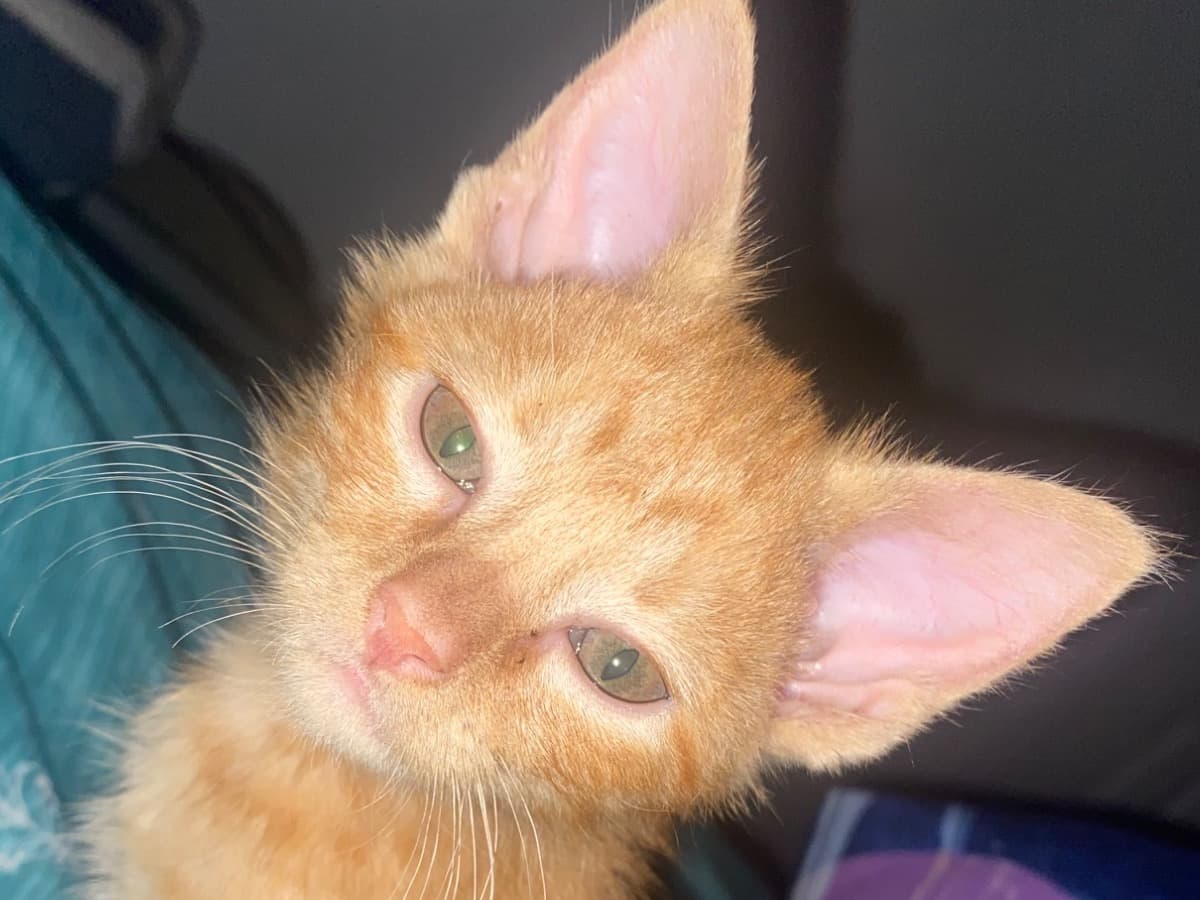
Orange tabby cats have a unique genetic trait: approximately 80% are male. This is because the orange color gene (O) is located on the X chromosome.
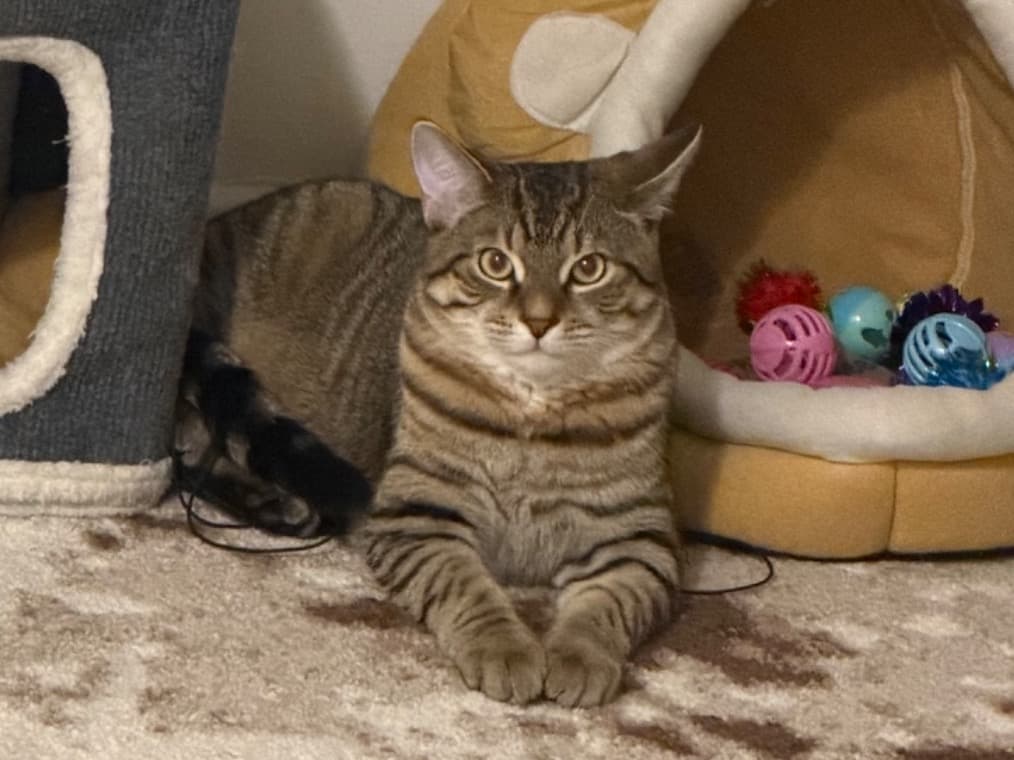
Connect with owners of tabby-patterned cats from various breeds

Tabby mix

Tabby mix

Tabby

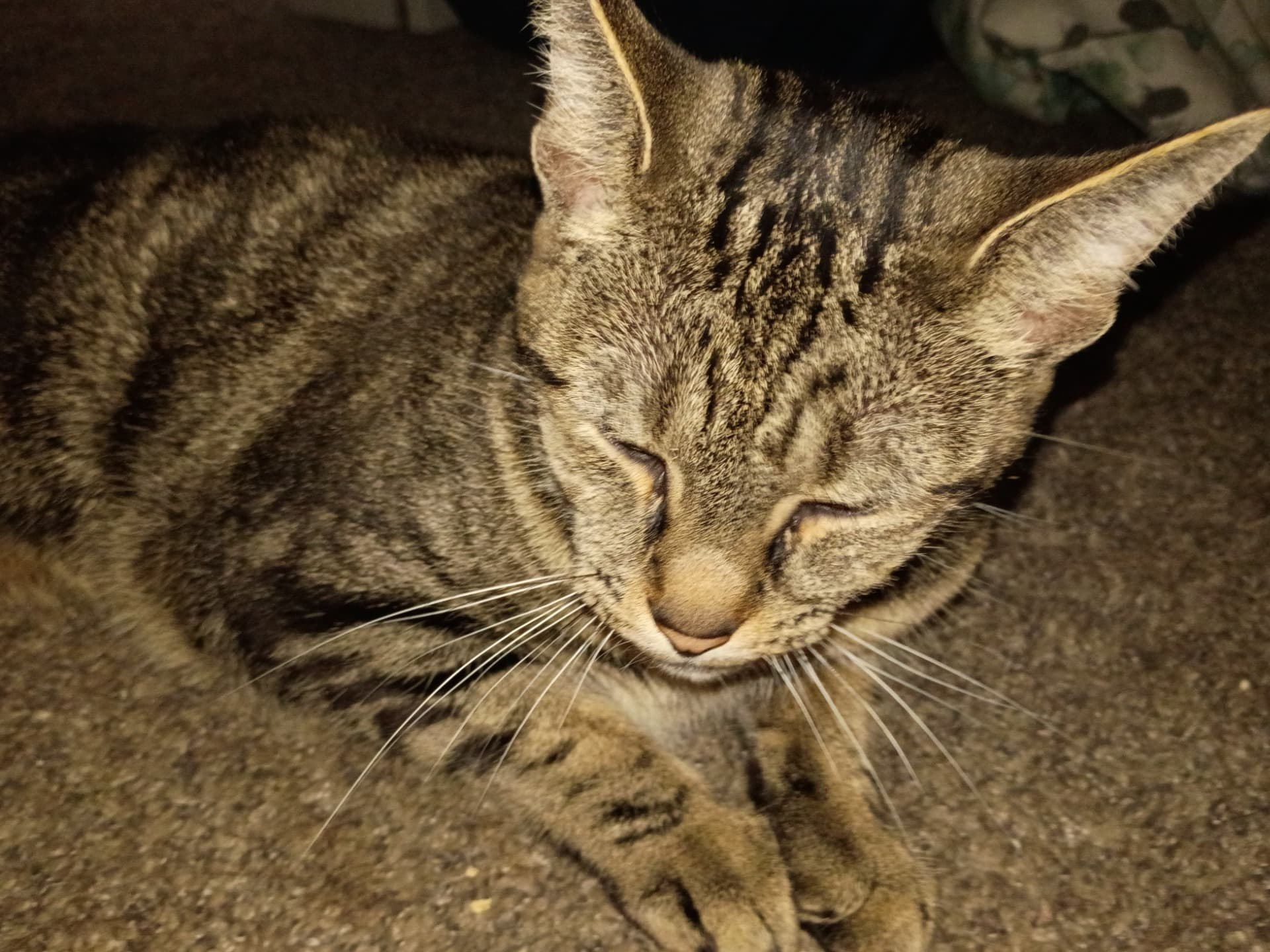
Tabby mix

Tabby

Tabby

Tabby

Tabby
From profile to puppies - your tabby cat breeding journey in 4 simple steps
Set up a detailed profile with photos, health records, and pedigree information
Browse verified breeding partners based on breed, location, and compatibility
Message owners directly to discuss breeding plans and health certifications
Meet safely, complete breeding agreements, and welcome healthy puppies
Set up a detailed profile with photos, health records, and pedigree information
Browse verified breeding partners based on breed, location, and compatibility
Message owners directly to discuss breeding plans and health certifications
Meet safely, complete breeding agreements, and welcome healthy puppies
Join thousands of responsible tabby cat owners who trust us for quality breeding connections
Every breeder is verified, ensuring you connect with genuine, responsible pet owners.
Find breeding partners near you to make meetings convenient and stress-free.
Customize your search with detailed filters for breed, age, health status, and more.
Chat directly with pet owners to discuss all details before making any commitments.
Join thousands of responsible tabby cat owners who've found quality breeding partners on Petmeetly.
Get Started NowReal stories from cat owners who found perfect breeding matches on Petmeetly
Victor was an amazing match, and his owner was super helpful and accommodating!
Hannah
Washington, US
I’m very happy with Petmeetly. The site is so easy to use!
Kelly
Texas, US
We liked being able to connect and meet with the parents of the queen.
Melisa
Washington, US
Health profiles depend on the underlying breed, not the tabby pattern itself
Health considerations depend entirely on the underlying breed. Tabby is a coat pattern found in many breeds, each with their own health profiles. Research the specific breed's health requirements.
Many tabby cats are mixed breeds, benefiting from hybrid vigor - greater genetic diversity often leads to fewer inherited health issues and longer, healthier lives.
For purebred tabbies, follow breed-specific health testing. For mixed breeds, general health screening including FIV/FeLV testing, dental checks, and annual wellness exams are essential.
Tabby cats can vary greatly in size. Monitor weight appropriate to the individual cat's frame. Obesity prevention through proper diet and exercise is crucial for all cats.
Regular dental care is important for all cats regardless of coat pattern. Annual dental cleanings and home care prevent periodontal disease.
Regular grooming helps identify skin issues early. The tabby pattern doesn't affect coat care needs, but underlying coat type (short/long) determines grooming requirements.
Mixed-breed tabbies often have fewer genetic health issues than purebreds. When breeding, consider genetic diversity to maintain healthy bloodlines.
If breeding purebred tabbies (Maine Coon, American Shorthair, etc.), research and test for breed-specific conditions like HCM, PKD, or hip dysplasia as appropriate.
Many tabby cats are mixed breeds or domestic shorthairs/longhairs, benefiting from hybrid vigor - the tendency of crossbred individuals to show qualities superior to those of both parents.
When breeding mixed-breed tabbies, focus on temperament, health, and overall vitality rather than specific breed standards.
Discover breeding guides for different cat breeds and find the perfect match for your breeding program
Connect with tabby cat owners across all breeds. From purebreds to mixed breeds, find healthy partners for your breeding program