PetmeetlyPetmeetly
Find a match
Dog Breeders & Stud Dogs
Dogs For Sale
Dogs For Adoption
Cat Breeders & Stud Cats
Cats For Sale
Cats For Adoption
Rabbit Breeders
Rabbits For Sale
Rabbits For Adoption
Small Pet Breeders
Small Pets For Sale
Small Pets For Adoption
How It Works
Pet Blogs
Testimonials
About Us
Find a match

Dogs & Puppies

Dog Breeders & Stud DogsDogs For SaleDogs For Adoption

Cats & Kittens

Cat Breeders & Stud CatsCats For SaleCats For Adoption

Rabbits

Rabbit BreedersRabbits For SaleRabbits For Adoption

Small Pets

Small Pet BreedersSmall Pets For SaleSmall Pets For Adoption

Resources

How It WorksPet BlogsTestimonialsAbout Us
Find a MatchSign In
Petmeetly

Your platform for finding the perfect pet companion. Connect with pet owners and discover loving pets looking for homes.

App StoreGoogle Play

Quick Links

  • Home
  • How It Works
  • About Us
  • Editorial Team & Reviewers
  • Blog
  • Privacy Policy
  • Trust & Safety

Dogs

  • Dog Breeders
  • Dogs for Adoption
  • Dogs for Sale

Cats

  • Cat Breeders
  • Cats for Adoption
  • Cats for Sale

Rabbits

  • Rabbit Breeders
  • Rabbits for Adoption
  • Rabbits for Sale

Small Pets

  • Small Pet Breeders
  • Small Pets for Adoption
  • Small Pets for Sale

© 2026 Petmeetly. All rights reserved.

PrivacyTerms
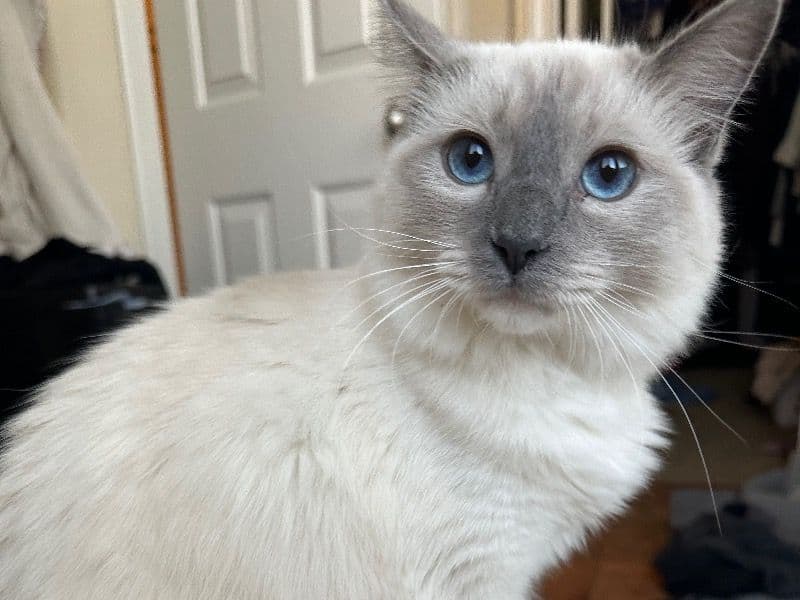
A healthy adult seal mitted Ragdoll cat sitting alert in soft natural light
1,681+ Ragdoll cats on Petmeetly

Breeding a Ragdoll Cat

A health-first plan for a litter, starting with the heart test every Ragdoll needs and why a clear result is not the end of it.

Find a health-tested mateSee the health tests
  1. Home
  2. /
  3. Cat Breeding
  4. /
  5. Ragdoll

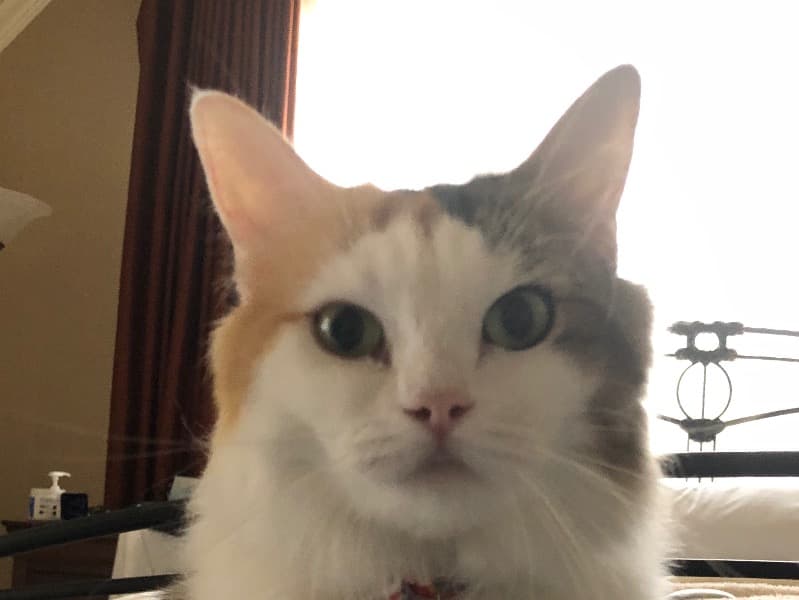
Ragdoll cats available for breeding

Pumpkin - Ragdoll | Petmeetly

Pumpkin

Ragdoll

1 year 8 months old,female
Dallas County, Texas, US
Vaccinated
View Listing
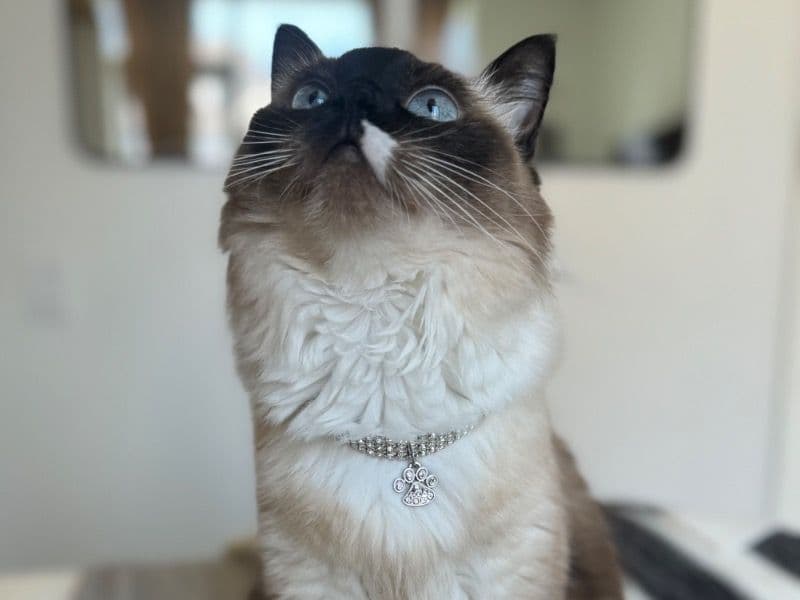
Dahlia - Ragdoll | Petmeetly

Dahlia

Ragdoll

1 year 10 months old,female
Maricopa County, Arizona, US
VaccinatedPedigreeDNA Tested
View Listing
Catena - Ragdoll | Petmeetly

Catena

Ragdoll

6 years 6 months old,female
Travis County, Texas, US
PedigreeDNA TestedMicrochipped
View Listing
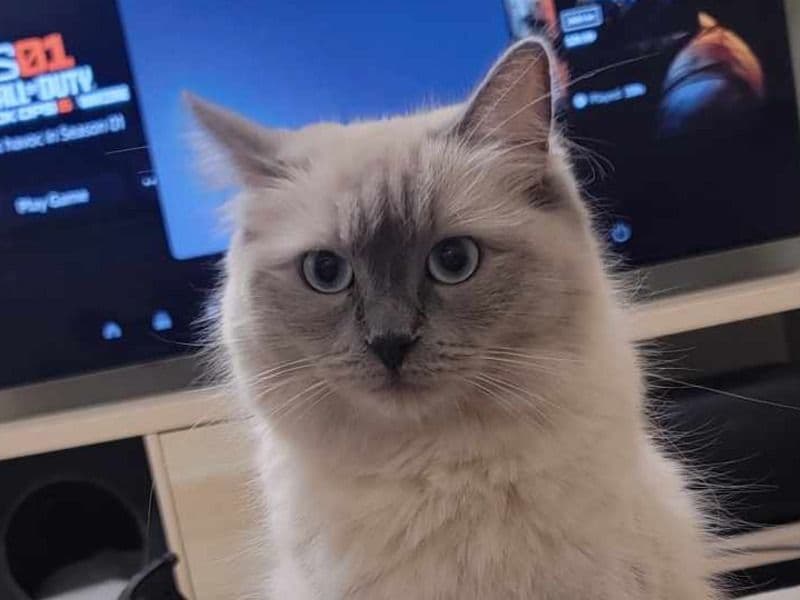
Khaleesi - Ragdoll | Petmeetly

Khaleesi

Ragdoll

6 years 11 months old,female
Los Angeles County, California, US
VaccinatedPedigreeDNA Tested
View Listing
Lizzey - Ragdoll | Petmeetly

Lizzey

Ragdoll

2 years 2 months old,female
Dallas County, Texas, US
Vaccinated
View Listing
Mochi - Ragdoll | Petmeetly

Mochi

Ragdoll

4 years 8 months old,female
San Diego County, California, US
VaccinatedPedigree
View Listing
Luna - Ragdoll | Petmeetly

Luna

Ragdoll

2 years 6 months old,female
Riverside County, California, US
VaccinatedPedigree
View Listing
Methany - Ragdoll | Petmeetly

Methany

Ragdoll

2 years old,female
Hamilton County, Tennessee, US
VaccinatedDNA Tested
View Listing
See every Ragdoll cat

The Ragdoll cats above are listed by owners looking for a health-tested mate. Breeding a good Ragdoll litter comes down to one organ. The breed carries its own heart mutation, and that mutation has its own DNA test. A British registry has required the test since 2016. What most breeders get wrong is what a clear result actually means. This guide walks a first litter through the heart, the tests nobody talks about, and the birth.

Ragdoll cat breeding, at a glance

Litter size
About 5 kittens
Gestation
About 66 days
DNA test required
R820W, the HCM mutation
Heart screen
Echocardiogram from age 2
Virus tests
FeLV and FIV, retested at 60 days
Blood typing
Both cats, before mating
Birth
Cesarean is uncommon
Age for a first litter
18 months, never under 12

The quick version. Each point is explained and sourced in the sections below.

Should you breed your Ragdoll cat?

Short answer

Only if you are willing to test the heart and keep testing it. The Ragdoll carries its own inherited heart mutation. Cats with two copies had a median survival of 5.65 years, against more than 15 years for the rest.[4] The breed also lives about a year less than the average UK cat, 12.85 years against 14.0.[1] A litter is a health project, not a payday.

  • The Ragdoll is one of the most popular pedigree cats. It rose from 0.70% of UK cats born in 2005 to 3.72% in 2019.[1] Popularity is exactly why the testing matters, because many of those kittens come from people breeding for the first time.
  • Most of what a Ragdoll goes to the vet for is ordinary. The most common problems in general practice are dental disease, an upset gut, and carrying too much weight.[1] This is not a fragile breed.
  • The real risk sits in the heart, and you can neither see it nor hear it. Only 1.19% of Ragdolls had a heart murmur on record, so listening to the chest tells you almost nothing.[1] Scanning finds the disease. Listening does not.
  • You can stop worrying about polycystic kidney disease, where cysts slowly destroy the kidneys. It runs under 3% in Ragdolls, against 31% to 42% in European Persian studies.[2] It belongs on the Persian’s test list, not the Ragdoll’s.

The one DNA test, and why a clear result is not a clean bill of health

Short answer

Every Ragdoll used for breeding should be DNA-tested for R820W. It is a change in the MYBPC3 gene, a heart muscle gene, and it causes hypertrophic cardiomyopathy (HCM, a thickening of the heart muscle).[3] The mutation is dominant, so one copy is enough to pass on. A negative result still does not mean the cat cannot develop the disease. Ragdolls that tested negative have been reported with HCM, and the veterinary consensus rates that evidence as high.[6] The test rules out one known cause, not the disease.

What R820W is

R820W is a single letter change in the MYBPC3 gene. It swaps one amino acid, arginine, for another, tryptophan, at position 820. Meurs and colleagues found it in 2007.[3] The change is specific to the Ragdoll. The Maine Coon carries a mutation in the same gene, but it is a different variant that behaves differently, so the two tests are not interchangeable.[3]

What each result means

The two-copy result is the one with clear evidence behind it. Those cats had a median survival of 5.65 years, and more than half did not reach five.[4] One copy is less alarming than it sounds. Carriers in the same study lived as long as cats with no copies at all.[4] A cat with no copies still needs scanning, for the reason in the short answer above.

  • The mutation is dominant, but its penetrance is incomplete. That means a cat can carry the mutation and never develop the disease.[7] Some cats with two copies never got sick, and about a fifth of them were still alive at around twelve years old.[8]
  • Nobody agrees on how common the mutation is, so do not trust a single number. One small Vietnamese group came in at 8.8% carriers. A survey of 2,018 cats in the British Isles found about 27%, and a hospital referral group reached 33.9%.[9] The population you test changes the answer.
  • The Governing Council of the Cat Fancy (GCCF, the main UK cat registry) has required the test since 24 February 2016 for every Ragdoll registered for breeding.[5] A vet must take the swab and check the cat’s microchip against its records. Cats with two copies, and then cats with one, lost their place on the active register during 2021.[5]
  • That makes the GCCF stricter than the veterinary consensus. The American College of Veterinary Internal Medicine (ACVIM) writes the feline heart guidelines, and it still allows a carrier to be bred to a negative cat.[6] That option is open when the carrier has other qualities worth keeping. Check which rulebook your registry follows before you plan a mating.
  • Never advertise a negative cat as "HCM free" or "clear of HCM". The GCCF bans the phrase, and the evidence supports the ban.[5][6] Say the cat tested negative for R820W, which is what the paperwork actually shows.

Echo screening: the part the DNA test cannot replace

Short answer

An echocardiogram, an ultrasound scan of the heart, is the only way to diagnose HCM.[6] The UK screening scheme scans a breeding cat for the first time at two years old. After that, breeding females are rescanned every two years and breeding males every year.[10] Only an accredited cardiologist issues the certificate. A cat younger than two should not have more than one litter before its first scan.[10]

Every test before you breed a Ragdoll

  • R820W DNA test (the Ragdoll heart mutation)

    Screens for
    The one known Ragdoll HCM mutation
    How
    Cheek swab or blood, taken by a vet who checks the microchip
    Breeding rule
    Do not breed a cat with two copies. Check your registry’s rule on carriers.[5]
  • Echocardiogram (heart ultrasound)

    Screens for
    The disease itself, whatever caused it
    How
    Heart ultrasound read by an accredited cardiologist
    Breeding rule
    First scan at 2. Females every 2 years, males every year, through the breeding years.[10]
  • FeLV and FIV (feline leukemia and immunodeficiency viruses)

    Screens for
    Two viruses that pass between cats
    How
    Blood test, then a repeat no sooner than 60 days later
    Breeding rule
    Both cats negative before mating. Test every cat in the cattery, not just the breeders.[12]
  • Blood typing

    Screens for
    The risk of a queen's milk killing her own kittens
    How
    Blood test, once per cat
    Breeding rule
    Type both cats before the mating, not after the kittens arrive.[11]
  • Do not swap in a cheaper test. A blood marker called NT-proBNP is not recommended for telling a normal cat from a cat with mild or moderate HCM.[6] Listening to the chest is weaker still, given how few affected Ragdolls have an audible murmur.[1]
  • One normal scan is not a lifetime pass. HCM can appear at any age, which is why the scheme repeats the scan rather than certifying a cat once.[10]
Find a health-tested Ragdoll mate

Blood typing, viruses, and the FIP risk

Short answer

Type both cats before you mate them. Ragdolls carry an unusually high rate of the AB blood group, 18% in one study, while type B sits at just 4.9%.[11] Around 5% of Ragdoll kittens in that group were at risk of neonatal isoerythrolysis.[11] In that condition, the queen’s first milk destroys her own kittens’ red blood cells. You can prevent it, but only if you know both types before the mating.

  • Neonatal isoerythrolysis happens when a type B queen feeds kittens with type A or AB blood. The antibodies in her colostrum, the first milk she produces, attack them in the first days of life. Knowing both parents’ types tells you whether to plan for it.
  • Watch out for a common mistake here. Type B is not the Ragdoll problem, and breeders who copy another breed’s advice get this backwards. Type B runs high in the Devon Rex, British Shorthair, Birman and Persian.[11] The Ragdoll’s oddity is the high AB rate, which is a different problem.
  • Test the whole cattery for feline leukemia virus (FeLV) and feline immunodeficiency virus (FIV), not just the cats you breed.[12] Retest a negative cat no sooner than 60 days later, because the first test can miss a recent infection. That includes a queen coming home from a stud.[12]
  • Ragdolls are among the breeds at raised risk of feline infectious peritonitis (FIP), a usually fatal immune reaction to a common cat coronavirus. In that study purebred cats ran 1.3% against 0.35% for mixed breeds.[13] Susceptibility appears to be strongly inherited, so do not repeat a mating that produced kittens who died of FIP.[22]

Wait for a slow breed to finish growing

Short answer

A Ragdoll does not reach full size and weight until four years old, and its coat takes about two years to reach full color.[15] The European responsible-breeding guidelines say cats should not be bred before 12 months, and ideally not before 18.[14] For a breed that matures this slowly, the later end of that range is the honest reading.

  • The same guidelines cap a queen at one litter a year and four in her lifetime. A queen over seven needs a vet’s certificate before she is bred again, and stud males retire after six.[14]
  • After two cesareans a queen should never be bred again.[14] That is a welfare rule, not a preference.
  • Keep kittens with their mother until twelve weeks old.[14] The Cat Fanciers’ Association (CFA, the largest pedigree cat registry) draws the same line on placement age, for reasons covered in the last section.
  • Keep the inbreeding coefficient under 20%, worked out over at least five generations.[14] That number measures how closely related the two parents are. One popular stud should not sire more than 5% of a breed’s kittens over five years.[14] A shrinking gene pool is how a breed picks up its next inherited disease.

Mating and queening a Ragdoll litter

Short answer

Cats are induced ovulators. Mating itself triggers the egg release, so a queen needs several matings across a day or two.[16] Ragdoll pregnancies run long, averaging 66.2 days against about 65 for cats generally, and litters average 4.87 kittens.[17] The birth is usually straightforward. In one UK study of 39 Ragdoll litters, 2.6% needed help and 2.6% ended in a cesarean, against a pedigree average of 14.9% and 10.7%.[17]

  • Ragdolls have among the longest pregnancies in that dataset, alongside Orientals and the Cornish Rex.[18] Count the days from the mating, and do not panic on day 66.
  • Kitten survival looks good too. Deaths up to twelve weeks ran 7.4%, against a 13.81% average across breeds, and the difference was statistically significant.[17]
  • Read those numbers with care. Dystocia, a birth that stalls and needs help, was measured across only 39 Ragdoll litters in one study, so treat the figures as encouraging rather than exact.[17]
  • The queen’s age matters more than her breed. Cesareans were needed in under 6.5% of queens aged five or over, against 15% of queens under three.[17]

Call the vet during labor if

  • The queen strains hard for more than 30 minutes with no kitten
  • More than two hours pass between kittens with more still due

What it costs to breed a Ragdoll litter

Short answer

Plan for the low thousands before a kitten sells. The DNA test is the cheap part. The repeat heart scans, the stud fee, and raising the litter are what add up. The one saving is the birth itself, because a Ragdoll queen rarely needs surgery.[17]

Estimated cost of a Ragdoll litter

  • R820W DNA testPer cat, one-off, and it never needs repeatingAbout $40 to $150
  • EchocardiogramPer scan, and it repeats every year or twoAbout $300 to $900
  • Blood typing, FeLV and FIVBoth cats, including the 60-day retestA few hundred dollars
  • Stud serviceMore for proven show linesCommonly $500 to $800
  • Queening and kitten rearingVaccines, worming, microchips, food, registrationSeveral hundred to low thousands
  • Realistic total before any saleLow thousands

Every figure here is what breeders and clinics commonly quote, not a published rate.

The one number with a real study behind it is the good one. A cesarean turned up in 2.6% of 39 Ragdoll litters, against 10.7% across pedigree breeds.[17]

Decided against a litter? Petmeetly already has Ragdolls waiting for new homes.

Registering the litter and placing pet kittens

Short answer

Register the cattery, then the litter, then each kitten. The CFA issues one slip per kitten. Unless the breeder writes their PIN in the right box, that kitten can only be registered as not for breeding.[20] The default is how the breed protects its gene pool. The CFA advises keeping kittens until 16 weeks, and 12 at the very least.[21]

Register the litter, in order

  1. 1Register your cattery name with the CFA or TICA (The International Cat Association)
  2. 2Register the litter once the kittens are born
  3. 3Receive one slip per kitten, and leave the PIN box empty for pet homes[20]
  4. 4Hand over papers when the new owner sends proof of spay or neuter
  • Twelve weeks is not an arbitrary number. A kitten’s own immune system takes over at about that age, so the first vaccination has to come before then.[21] The rabies vaccine cannot be given until twelve weeks either.[21]
  • If you use an outside stud, the stud owner gives you a certificate of mating when you collect your queen.[19] You need a copy of it to register the litter.[19]
  • Place pet kittens on a spay or neuter contract. Breeding rights go only to cats you picked for a program, and to people you are willing to keep helping.

You can list the kittens on Petmeetly once they are old enough to leave.

Ragdoll Breeding FAQ

01

What health tests does a Ragdoll cat need before breeding?

A DNA test for the R820W heart mutation, an echocardiogram from age two, negative FeLV and FIV tests, and a blood type for both cats. The GCCF has required the R820W test for breeding registration since 2016. A vet must take the swab and check the cat's microchip.

02

What is R820W and why does every Ragdoll need testing?

R820W is a mutation in the MYBPC3 gene that causes hypertrophic cardiomyopathy in Ragdolls. It is dominant, so one copy is enough to pass on. Cats with two copies had a median survival of 5.65 years, against more than 15 years for cats with one copy or none.

03

Does a negative R820W test mean my Ragdoll will not get heart disease?

No, and this is the most important thing to understand about the test. Ragdolls that tested negative have been reported with hypertrophic cardiomyopathy, and the veterinary consensus rates that evidence as high. The test rules out one known cause, not the disease. Negative cats still need scanning.

04

Can you breed a Ragdoll that carries one copy of R820W?

It depends on your registry. Carriers in the largest survival study lived as long as cats with no copies, and the ACVIM allows breeding a carrier to a negative cat. The GCCF is stricter and no longer accepts carriers on its active register. Check your rulebook before planning a mating.

05

How often does a breeding Ragdoll need a heart scan?

The UK scheme scans a breeding cat for the first time at two years old. Breeding females are then rescanned every two years and breeding males every year. Only an accredited cardiologist issues the certificate. One normal scan does not clear a cat for life, because the disease can appear at any age.

06

At what age can you breed a Ragdoll cat?

Not before 12 months, and ideally not before 18, under the European responsible-breeding guidelines. Ragdolls mature slowly and are not physically finished until about four years old, so the later end of that range is the honest reading for this breed.

07

Do Ragdoll cats need blood typing before breeding?

Yes. Ragdolls have an unusually high rate of the AB blood group, 18% in one study, while type B sits at just 4.9%. Around 5% of kittens in that population were at risk of neonatal isoerythrolysis. In that condition a queen's first milk destroys her own kittens' red blood cells. Typing both cats prevents it.

08

How big is a typical Ragdoll litter?

About five kittens, after a pregnancy averaging 66 days. Ragdolls carry slightly longer than most cats, so do not worry on day 66. A late-pregnancy scan counts the kittens so you know when the birth is finished.

09

Do Ragdoll cats usually need a cesarean section?

Usually not. In a UK study of 39 Ragdoll litters, 2.6% needed help during the birth and 2.6% ended in a cesarean, against a pedigree average of 14.9% and 10.7%. Kitten survival was better than average too. The sample is small, so treat it as encouraging rather than exact.

10

Is polycystic kidney disease a problem in Ragdoll cats?

Not really. PKD runs under 3% in Ragdolls, against 31% to 42% in European Persian studies. It belongs on the Persian's test list, not the Ragdoll's. Kidney failure is still the leading recorded cause of death in the breed, but that is ordinary age-related disease no DNA test predicts.

11

How much does it cost to breed a Ragdoll litter?

Plan for the low thousands before a kitten sells. The DNA test is the cheap part at roughly $40 to $150 per cat, and it never needs repeating. The repeat heart scans at $300 to $900 each, the stud fee, and raising the litter are what add up. These are commonly quoted figures, not published rates.

12

How do I register a Ragdoll litter?

Register your cattery name, then the litter, then each kitten with the CFA or TICA. You get one slip per kitten, and unless you write your PIN in the right box the kitten can only be registered as not for breeding. If you used an outside stud you will need a copy of the certificate of mating.


Sources

  1. O'Neill et al. (2025), VetCompass, Ragdoll cats under primary veterinary care in the UK
  2. EveryCat Health Foundation, Ragdoll cats and kidney disease
  3. Meurs et al. (2007), Genomics, the MYBPC3 mutation in the Ragdoll cat; OMIA 002951, MYBPC3 R820W in Felis catus (autosomal dominant, incomplete penetrance)
  4. Borgeat et al. (2014), J Vet Cardiol, R820W and cardiac death in Ragdolls
  5. GCCF Ragdoll Registration Policy, August 2020 (HCM testing mandatory since 2016)
  6. ACVIM (2020) consensus statement on feline cardiomyopathies (testing advised for Ragdolls)
  7. NC State College of Veterinary Medicine, Ragdoll hypertrophic cardiomyopathy (incomplete penetrance)
  8. Langford Vets, University of Bristol, the Ragdoll RD-HCM test
  9. Casamian-Sorrosal et al. (2014), JSAP, MYBPC3 prevalence in Ragdolls and Maine Coons; Longeri et al. (2013), JVIM, MYBPC3 variants and HCM in Ragdolls
  10. UK Veterinary Cardiovascular Society, feline heart screening scheme
  11. Assessment of blood types of Ragdoll cats for transfusion purposes (2013)
  12. AAFP (2020) Feline Retrovirus Testing and Management Guidelines
  13. Pesteanu-Somogyi et al. (2006), JFMS, feline infectious peritonitis by breed
  14. Responsible Cat Breeding Guidelines, endorsed by the EU Platform on Animal Welfare (2020)
  15. Cat Fanciers' Association, Ragdoll breed profile and standard
  16. Johnson (2022), JFMS, normal feline reproduction: the queen
  17. Cerna et al. (2024), JFMS, dystocia and kitten mortality in pedigree cats
  18. Sparkes et al. (2006), JFMS, gestation and neonatal mortality in UK pedigree cats
  19. GCCF, breeding for beginners and the certificate of mating
  20. Cat Fanciers' Association, registration overview and rules
  21. Cat Fanciers' Association, Good Things Come to Those Who Wait (16 weeks advised)
  22. GCCF Ragdoll Breeding Policy (heritable susceptibility to FIP)
ByPetmeetly Editorial Team•Published August 2, 2026

Fact-checked against the ACVIM, the GCCF, the CFA, the AAFP, and peer-reviewed veterinary research.

Success Stories
from Ragdoll Cat Breeders

Real stories from cat owners who found perfect breeding matches on Petmeetly

We’ve had wonderful experiences and great success finding the perfect mate for Salem Dexter. I’m very happy with the site and the safe, supportive interactions with potential mates

Autem Glover - Profile photo

Autem Glover

California, US

Victor was an amazing match, and his owner was super helpful and accommodating!

H

Hannah

Washington, US

We were successful in finding a mate. The platform has been great. Wishing there were more cats options. Seems it hasn’t changed since we’ve been on.

BA

Betsy Aird

California, US

Read More Success Stories

Explore Popular Cat Breeds

Discover breeding guides for different cat breeds and find the perfect match for your breeding program

American Shorthair BreedingBengal BreedingBritish Shorthair BreedingDomestic Shorthair BreedingMaine Coon BreedingPersian BreedingScottish Fold BreedingSiamese BreedingTabby Breeding50+ breeds more

Find a Ragdoll cat breeding partner

1,681+ Ragdoll cats are on Petmeetly. Find a mate with a heart test and paperwork to match.

Find a Ragdoll cat mate

No card required to sign up.