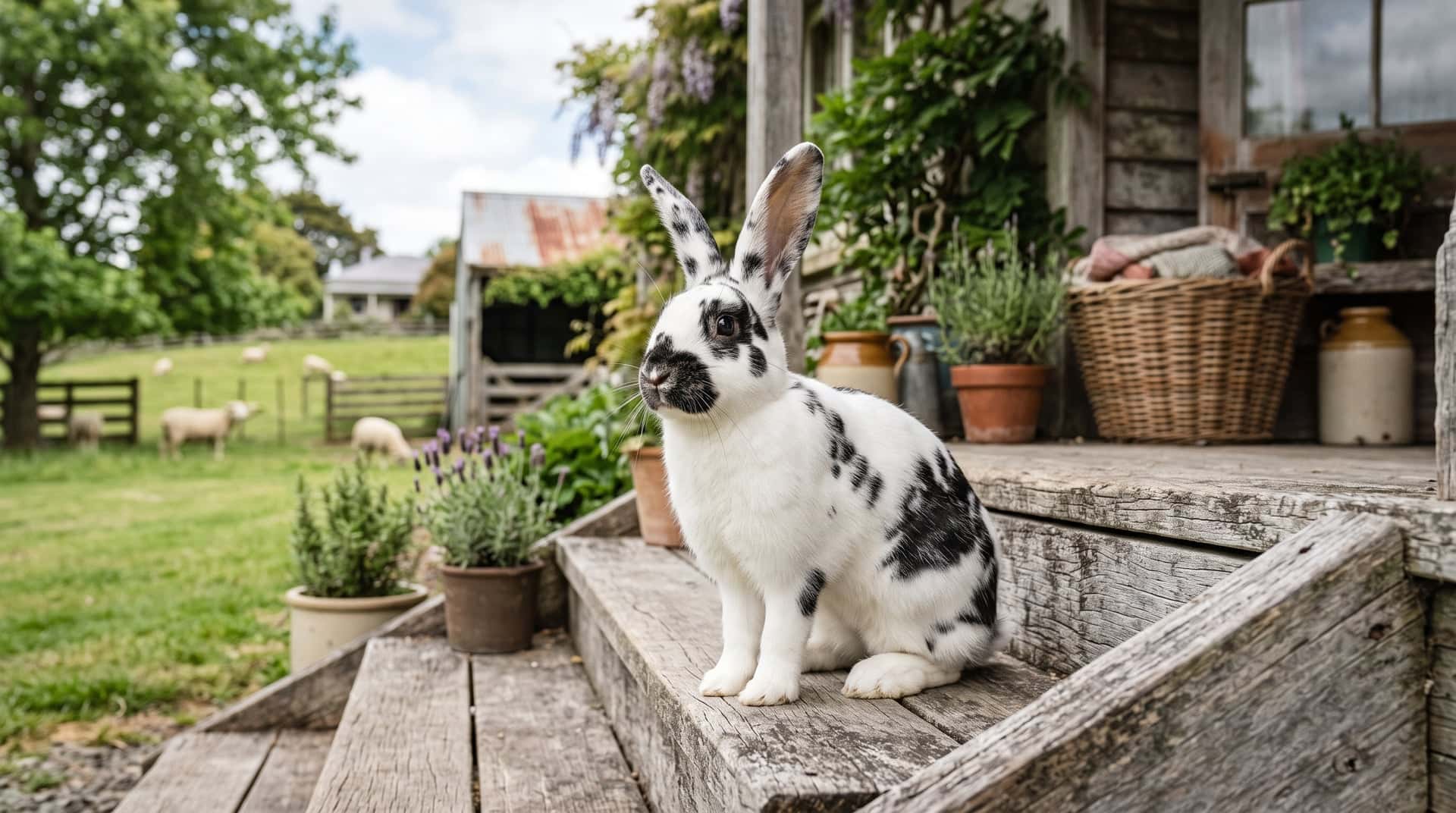
Browse New Zealand rabbits from owners and breeders near you and know exactly what a fair price looks like before you message anyone.
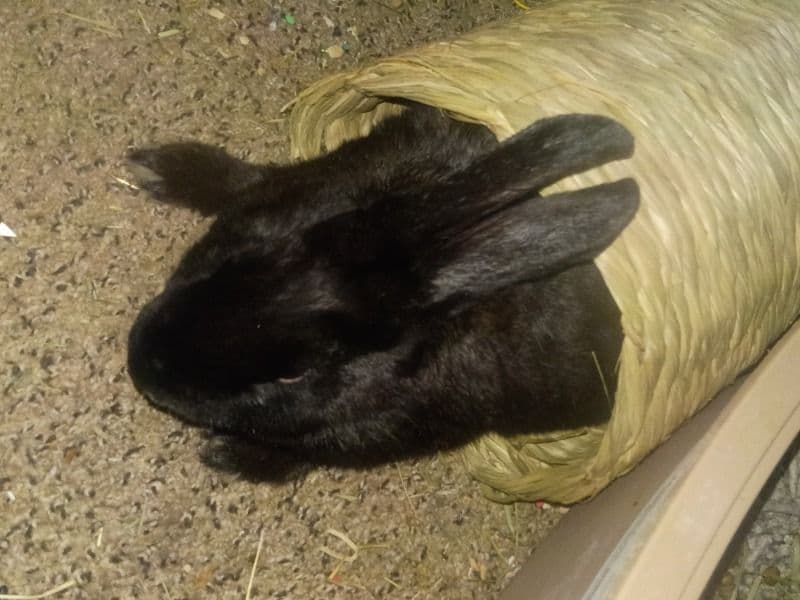
New Zealand mix
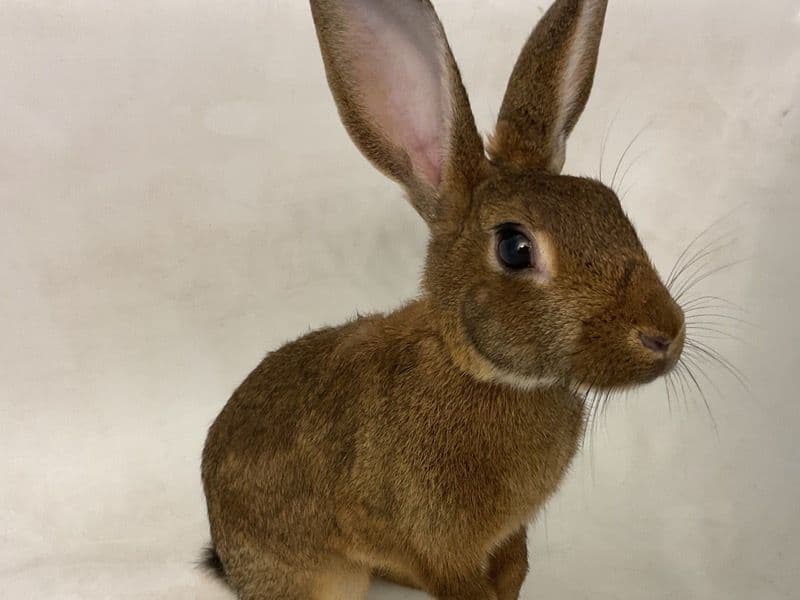
New Zealand
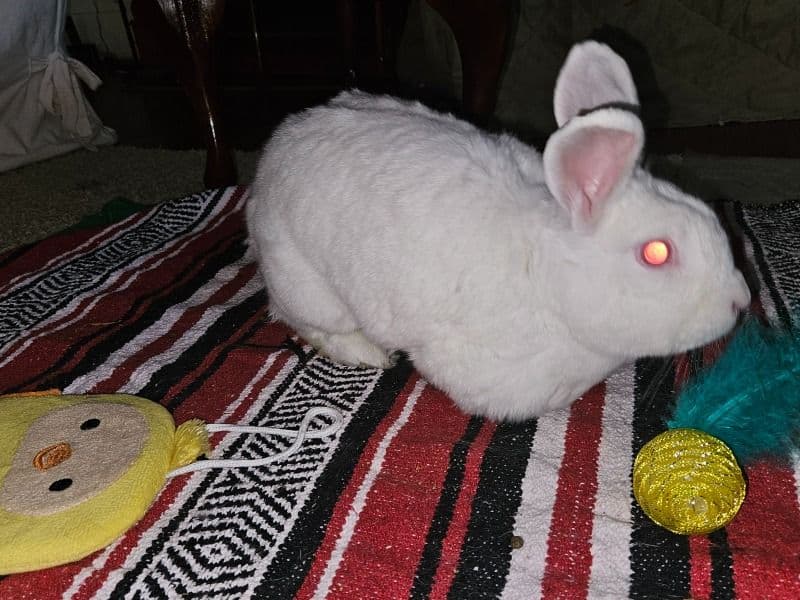
New Zealand
New Zealand rabbits for sale run cheaper than almost any breed this size, because this is America’s production rabbit and supply is everywhere. That changes the buyer’s job: price won’t separate good sellers from bad ones here, so this page shows you how to read the barn instead. Start with the listings above.
Short answer
Working barns sell New Zealand kits for $25 to $50, and $65 buys a pedigreed rabbit from a specialist with post-sale seller support. Show-grade stock runs $50 to $100, and a pet cost guide puts the whole purchase range at $20 to $100. The setup costs more than the rabbit, usually several times more.
Published prices, real barns
The cost that should drive your budget is everything except the rabbit. Hepper’s cost guide, updated January 2026, prices the purchase at $20 to $100 and the setup at $500 to $650 before the first month ends. The setup list explains it: a $250 spay or neuter, a $100 to $200 hutch, a carrier, and the small gear. Monthly costs run $100 to $225.[4] Put those numbers side by side: the spay alone costs four to ten times the animal. Budget for the rabbit you keep, not the rabbit you purchase.
One clarity note, because the search results genuinely confuse people: if your price search returned charts of rabbit-meat commodity prices, you found market data for the country New Zealand. The breed is American, and its real market is the barns above.
Short answer
Supply. New Zealand Whites and Californians are the two most common meat-production rabbits in the country, and a meat-breeder directory lists hundreds of barns carrying them. The same breed holds more ARBA Best in Show wins than any other. Abundance keeps prices honest at every tier, from farm barn to show table.
The numbers behind that: the Agricultural Marketing Resource Center names New Zealand Whites and Californians the two most common types used for meat production.[5] A national meat-rabbit breeder directory lists more than 550 barns across the United States and Canada, with New Zealands the flagship breed.[6] The same rabbit dominates the other side of the fairgrounds too: ARBA’s breed listing opens with the fact that the New Zealand holds more Best in Show wins than any other breed.[7] ARBA recognized the breed in 1916, and it has been prized for quick growth and meat production ever since.[7]
What abundance means for you as a buyer is simple. You never need to pay scarcity prices, ship a rabbit across the country, or join the waiting lists that Holland Lop buyers sometimes face. If a listing quotes hundreds of dollars for an ordinary New Zealand kit, that is a mispriced listing rather than a rare rabbit; genuinely scarce breeds like the American work differently. Spend your patience on picking the right barn instead, which is the next section.
Short answer
Most New Zealand sellers are meat rabbitries, some are show barns, and a few breed for pets. All three can sell you a wonderful rabbit, but they select and handle their animals differently, so ask what the barn breeds FOR. A meat-line kit is healthy and fast-growing; it just may have been handled less than a pet-barn kit.
Meat barns are most of the market. Their rabbits are selected for litter size, milk, and growth, and some price their stock on performance, where a heavier kit at eight weeks costs more. Handling is the variable. Owners who took home rabbits from production barns describe everything from “the sweetest, most laid-back nature” to shy animals that needed weeks of patience.[8] None of that is a health verdict; it is a socialization history, and one question surfaces it: how often were the kits handled?
Show barns select against the ARBA standard instead. They sell their non-competitive rabbits as “grade” or “brood” quality at lower prices, and a pedigree usually comes with the kit at this tier. Pet-focused barns are the smallest group, often 4-H family operations, and socialization is the actual product: expect the top of the same $25 to $65 range, and a kit that has been in children’s laps since its eyes opened.
Five questions that read any barn
The temperament you are buying is the breed’s best argument. PetMD’s vet-reviewed page calls New Zealands docile, friendly, social, and easier to handle than smaller, more skittish breeds.[9] A century of barns and laboratories keeping the calmest rabbits did that work, and it is why this meat breed makes a genuinely good family pet.
Short answer
A real New Zealand is a 9-to-12-pound rabbit with upright ears, a deep commercial body, and one of five ARBA colors: White, Red, Black, Blue, or Broken. The common mix-ups are a Florida White (half the size), a Californian cross (dark points that develop late), and oversized Flemish Giant crosses sold under the name.
Start with the five-color rule, because it filters listings in seconds. ARBA recognizes exactly five varieties: White, Red, Black, Blue, and Broken, where Broken means one of the four colors patterned with white.[10] Anything advertised as an “agouti New Zealand”, a “chinchilla New Zealand”, or any color outside the five is off-standard or crossbred, whatever the listing says.
The three lookalikes and their tells
Paper settles the rest, once you know what each kind means. A pedigree is written ancestry, and anyone who knows the ancestry can write one, so a pedigree proves lineage claims rather than quality. ARBA registration is the stricter thing: a licensed registrar examines the adult rabbit, confirms it is free of disqualifications and within weight, and verifies a complete three-generation pedigree. For a pet, neither is required. For breeding stock, ask for the pedigree and read the ancestors’ weights off it, since rabbit pedigrees only reach back three generations.
One more paperwork-adjacent check: the sex. Breeders themselves admit sexing young rabbits is notoriously easy to get wrong; one describes driving five hours with the wrong rabbit.[11] Does can conceive as early as three months, so a mis-sexed “pair” becomes a litter. Have the seller sex the rabbit in front of you, or ask your vet to confirm at the first visit.
Short answer
Kits leave at eight weeks at the earliest, and in several states that is the law for pet sales. Check the eyes, nose, teeth, and the undersides of the feet, and set your size expectations: the four-and-a-half-pound bunny you pick up at eight weeks roughly doubles, and does finish heavier than bucks at 10 to 12 pounds.
The eight-week floor is not a preference. Kits wean at 5 to 6 weeks and need the following weeks with the litter; the farm barns themselves release at 8.[2] North Carolina makes selling a rabbit under eight weeks as a pet a Class 3 misdemeanor,[12] and several other states set minimum ages with a carve-out for lots of six or more, written for the meat trade.[13] A pet buyer taking home one rabbit gets the eight-week protection. A seller pushing a six-week kit out the door is telling you what kind of seller they are.
Then plan for the adult, not the kit. FarmKeep’s growth table for the breed runs 1 to 1.5 pounds at four weeks, 3 pounds at six, about 4.5 at eight, and 5 or more at ten,[14] on the way to a 9-to-12-pound adult with does the heavier sex.[10] Two consequences follow. Buy housing for the adult, not the kit: PetMD wants an enclosure at least four times the rabbit’s stretched-out length.[9] And if you want certainty about size and temperament rather than a growth curve, buy an adult. The grown rabbit in front of you is the finished product.
The pickup check, two minutes
Policy norms at real barns are plainer than buyers expect. Deposits are modest, like $20 against a $65 rabbit.[3] “All animal sales are final” is normal at farm barns,[2] and written health guarantees are thin everywhere, which is why the two-minute check above happens at pickup rather than by email afterward.
Timing, if you can choose it: spring listings spike, because Easter buyers and 4-H families overlap. Many county fairs require meat-pen rabbits to be the exhibitor’s property by July 1, with pens of three same-breed rabbits at 3.5 to 5.5 pounds and under 10 weeks.[15] Project kits sell in late spring, and post-fair season adds listings in late summer. Supply across the rabbits for sale listings is strong year-round. You never have to take the first rabbit you see.
An adult shows you everything a kit makes you guess about: the finished 10-pound size, the settled temperament, and the health history, told to you by the person who lived with it. Ruby-eyed white adults are the ones adopters most often skip, despite being the same calm rabbit underneath.
Owners rehome adult New Zealands every year, and those listings sit one page over. Our page on New Zealand rabbit adoption covers what to check on an adult, what the red eyes actually are, and why these rabbits get overlooked. If you are set on a young rabbit, the listings at the top of this page are where to start, armed with the prices and checks above.
Sources
Fact-checked against the American Rabbit Breeders Association, the Agricultural Marketing Resource Center, PetMD, and Hepper.
What buyers ask before bringing home America's production rabbit
Working barns sell kits for $25 to $50, and $65 buys a pedigreed rabbit from a specialist with post-sale support. Show-grade stock runs $50 to $100. A 2026 cost guide puts the full purchase range at $20 to $100, which makes this one of the cheapest breeds of any size.
Supply. New Zealand Whites and Californians are the two most common meat-production rabbits in the country, and hundreds of barns raise them. Abundance keeps every price tier honest, so you never need to pay scarcity prices or join a waitlist for this breed.
About $500 to $650 before the first month ends, per a 2026 cost guide, including a $250 spay or neuter, a $100 to $200 hutch, and a carrier. Monthly costs run $100 to $225. The rabbit itself is the cheapest thing you will buy, usually by several times.
Adults run 9 to 12 pounds, and does finish heavier than bucks: senior does run 10 to 12 pounds against 9 to 11 for bucks. The kit you pick up at eight weeks weighs around 4.5 pounds and roughly doubles. Buy housing for the adult, not the kit.
Pure white coat with ruby eyes, upright ears, a deep commercial body, and an adult weight in the 9-to-12-pound band with no dark points developing. Only five colors are recognized: White, Red, Black, Blue, and Broken. A rabbit sold in any other color is off-standard or crossbred.
Size. The Florida White was developed as a smaller laboratory rabbit, and ARBA caps it at 6 pounds, roughly what a young New Zealand weighs at fryer age, ready for meat market. If an adult "New Zealand" stays small, it is likely a Florida White or a cross.
Eight weeks at the earliest. Kits wean at 5 to 6 weeks and need the following weeks with their litter. Several states back this with law: North Carolina makes selling a rabbit under eight weeks as a pet a misdemeanor.
Yes. The breed and the health are the same, and owners describe ex-meat-barn New Zealands as some of the sweetest, most laid-back rabbits they have kept. The one variable is handling: kits from a production barn may have been held less, so ask how often the litter was handled.
A pedigree is written ancestry, and anyone who knows the ancestry can write one. ARBA registration is stricter: a licensed registrar examines the adult rabbit, confirms it is free of disqualifications and within weight, and verifies a complete three-generation pedigree. For a pet, neither is required.
PetMD calls the breed docile, friendly, social, and easier to handle than smaller, more skittish rabbits, which is exactly what a family wants. Supervise children as you would with any rabbit, and teach them to interact on the floor rather than by carrying.
Spring. Easter buyers and 4-H families overlap, and many county fairs require meat-pen rabbits to be owned by July 1. Project kits sell in late spring, and post-fair season adds listings in late summer. Supply is strong year-round, so you never have to take the first rabbit you see.
No. The breed was developed in the United States and recognized in 1916, and nobody knows for certain where the name came from. If your search results included rescues or meat prices from the country New Zealand, that is the name causing the mix-up, not the breed.
Discover rabbits for sale from various breeds and find your perfect companion
Message owners and breeders directly, ask the five barn questions, and bring home a rabbit you chose with open eyes.
No card required to sign up.