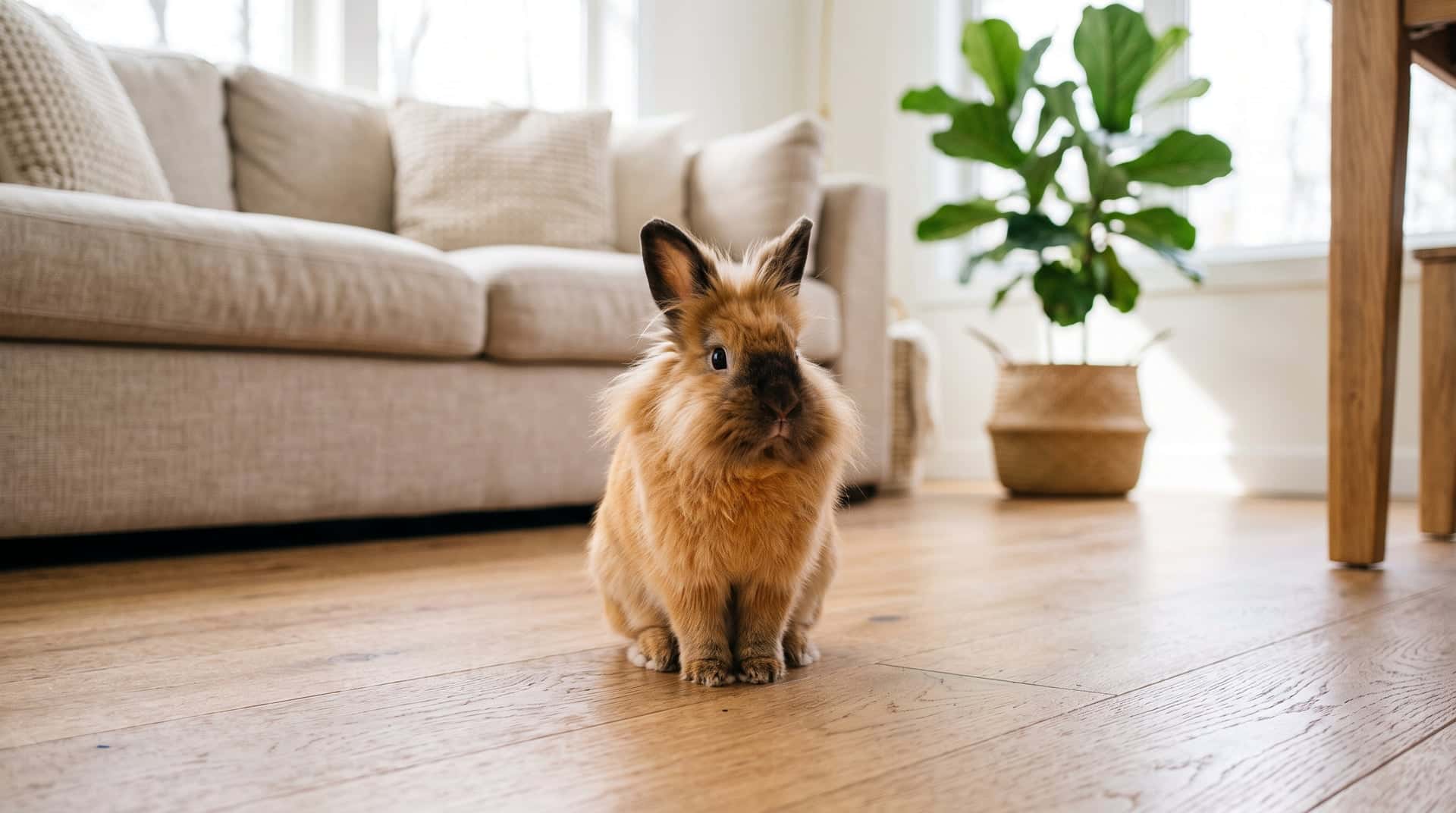
Browse Lionheads listed near you and know what that fluffy baby will really look like grown up.
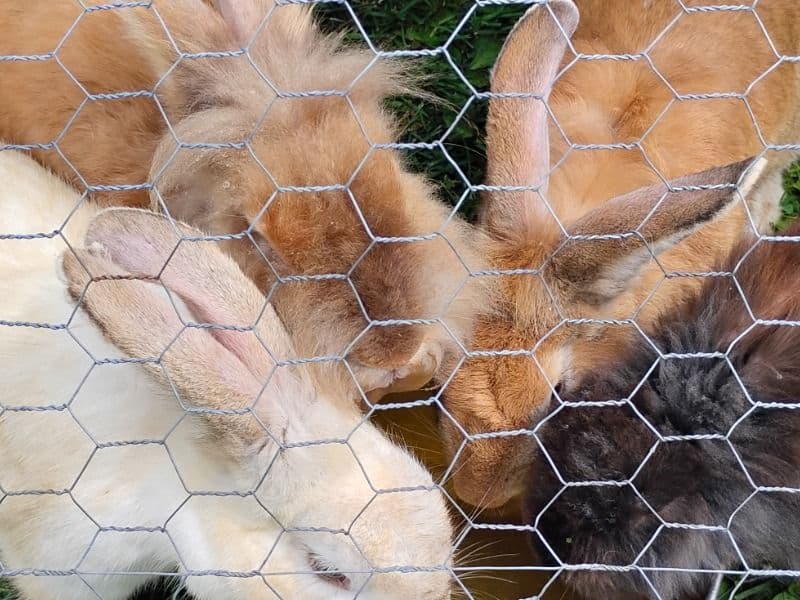
Lionhead mix
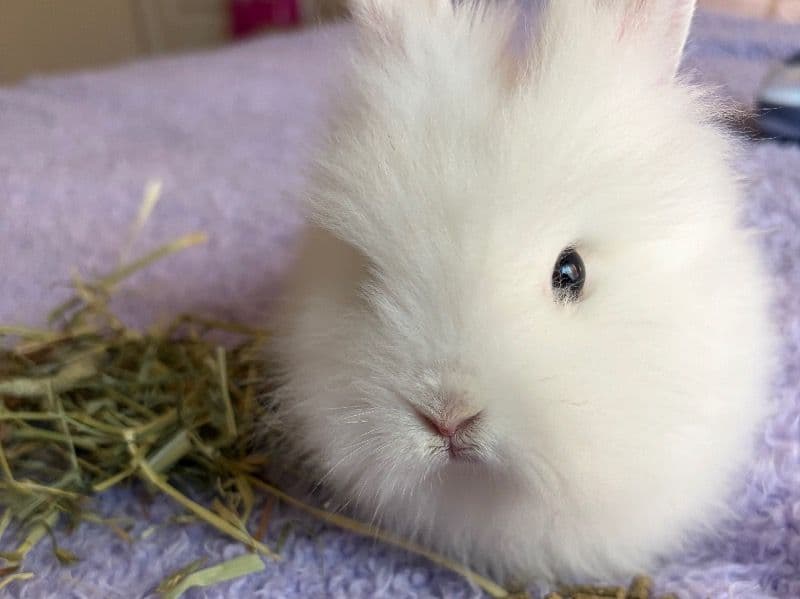
Lionhead
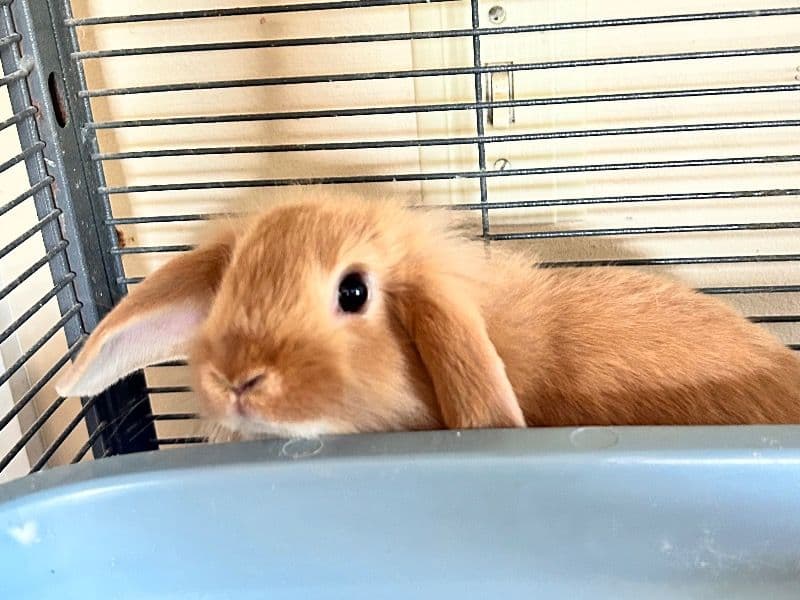
Lionhead
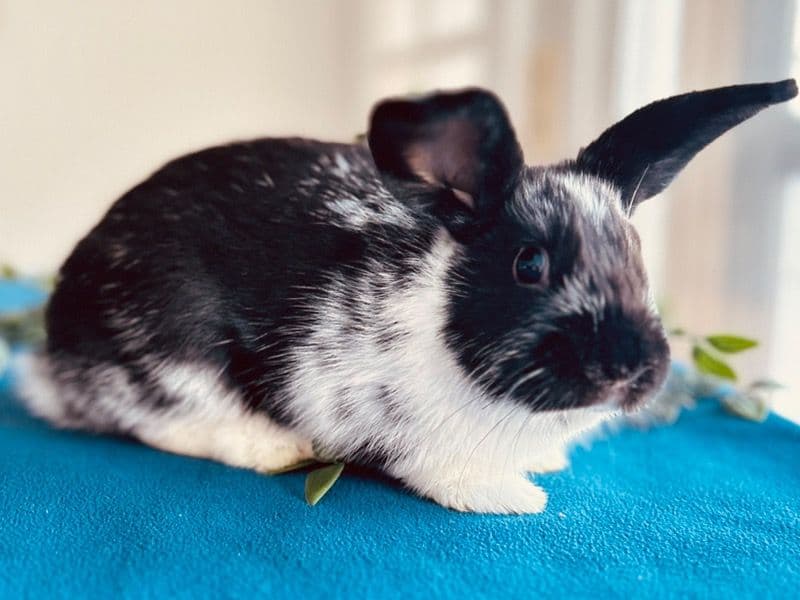
Lionhead
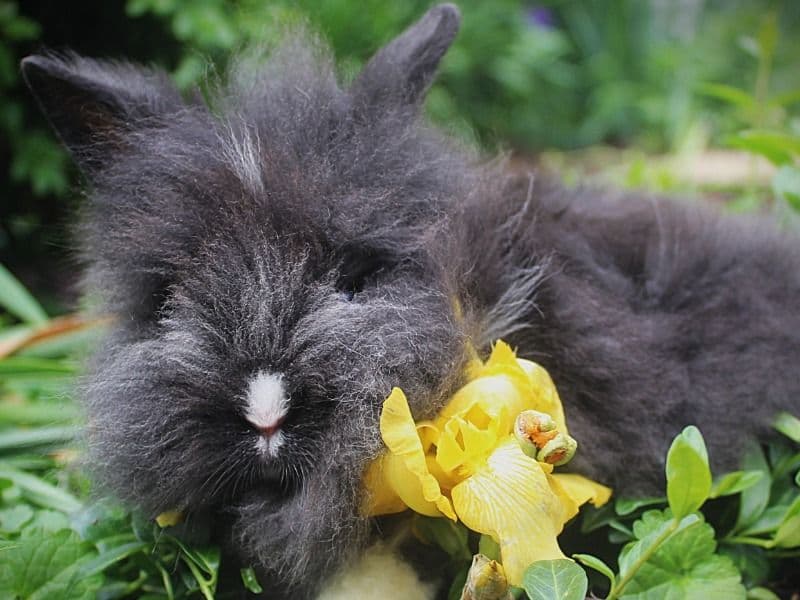
Lionhead
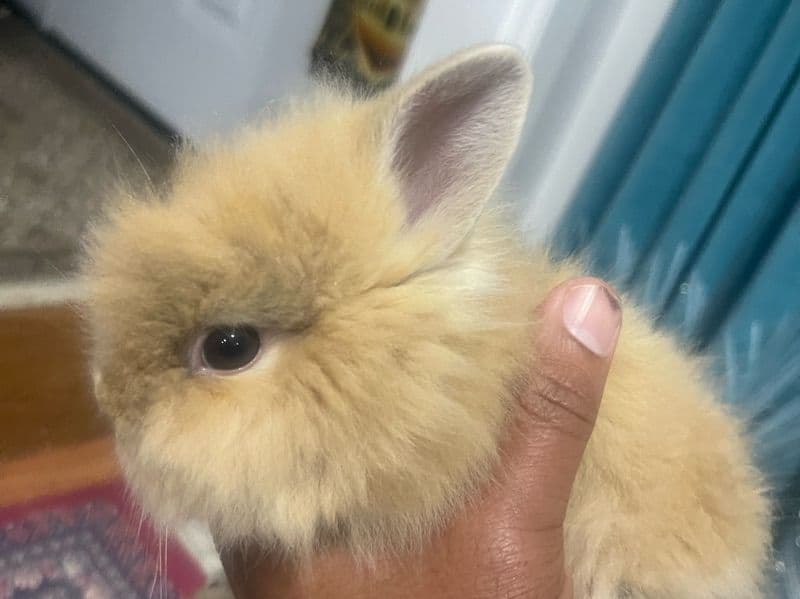
Lionhead
Lionhead
Lionhead
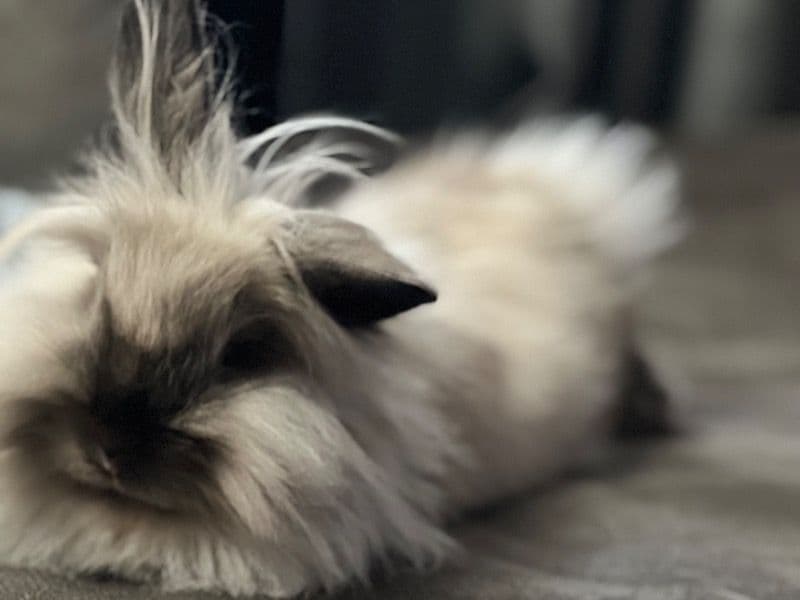
Lionhead rabbits for sale range from $40 farm kits to $580 boutique show stock, and the difference is paperwork, not fluff. Every baby Lionhead looks fully maned at eight weeks. What matters is what the seller can prove about the parents. The listings above are live right now.
Lionheads at a glance
The quick version. Every number here is explained and sourced in the sections below.
Short answer
Most Lionheads sell for $40 to $125 from hobby breeders, inside the $25 to $125 national range Hepper’s 2026 guide reports. Established rabbitries publish $75 to $250 across pet and show stock, and a few boutique breeders charge $380 to $580. Adoption fees run $95 to $200.
What the money actually buys
The tiers are about the seller, not the map. Holland Lop prices swing on region. Lionhead prices swing on what kind of rabbitry you are standing in. A hobby breeder clearing a litter and a coastal rabbitry running a waiting list can offer you very similar rabbits at very different prices.
A pedigree is a three-generation family record. It is not a health certificate and it is not a registration. What it proves is that the seller keeps records, and breeders who track ancestors usually track birth dates and mane types too. That, plus show results in the line, is what separates the first tier from the third.
Rare colors do not honestly move the price. Only seven Lionhead varieties can be shown in the United States at all, and blue-eyed white is not one of them.[5] A color you cannot show is worth less to a breeder, not more. When a price list charges a premium for "rare", check the red flags below before you agree to it.
One more number worth noticing. An adoption fee of $95 to $200[1] can be higher than a farm kit, and it usually buys an adult whose mane has already settled. If the fluff is the whole point for you, that is a real advantage rather than a compromise.
Short answer
You cannot tell by looking. Every 8-week Lionhead kit is fluffy. A double-mane rabbit keeps its full mane for life, but a single-mane commonly loses all but a few wisps after its first adult molt around 5 to 6 months. Only birth records or the parents’ genetics tell you which you are buying.
This is the single most common disappointment in Lionhead buying, and it is entirely avoidable. There are two adult outcomes, and the kit in the photo is already one of them.
Double mane
The mane you were promised
Why only birth tells you. A newborn with a noticeable V pattern around the flanks is a double mane.[7] PetMD describes the same distinctive V mark.[6] The window is short. Once the kits start growing their manes, it becomes almost impossible to tell how many mane genes a baby carries. That is why breeders are told to mark the kits right after they are born.[7] A breeder who wanted to know had to look in that first week. Nobody can recover the information later by eye.
So only two guarantees exist. The first is genetics: if both parents are double mane, every kit in the litter is double mane. The second is a birth record for this particular kit. Anything else is a guess, and a guess should be priced as a guess.
The one question to ask
"Was this kit identified as double mane at birth, and can you show me the record or the parents?"
A good seller answers in one of three ways: yes with a record, yes because both parents are double mane, or no because they did not check. All three are honest. A seller who calls every kit a double mane without offering either proof is the one to walk away from.
A single mane is not a lesser rabbit. It is the same breed, the same size, the same temperament, and less brushing. For a household that wants a small, social rabbit rather than a grooming project, the single mane is arguably the better buy.
It should also cost less, and often it does not. One rabbitry lists a double-mane buck and two single-mane does at $60 each.[2] Double manes get marketed as the premium option, but no standard premium exists on any published price sheet we could open. Ask what the extra money is buying, and expect the answer to be a record rather than a coat.
Short answer
A responsible seller keeps kits until at least 8 weeks, tells you single or double mane for every rabbit, shows you the parents and their setup, asks you questions back, and offers to take the rabbit back if things change. Club membership with ARBA or the national Lionhead club adds accountability.
What a good Lionhead seller does
Read the health guarantee, not the headline. Short guarantee windows are normal in rabbits, and honest. Plenty of rabbitries offer 24 or 72 hours and say plainly that rabbits are fragile animals. A three-year guarantee that excludes the illnesses rabbits actually get is marketing, not protection. The exclusions tell you more than the number of years.
Deposits have a standard shape. One boutique rabbitry words it the way most of them do. A non-refundable deposit of half the price reserves a bunny, and the balance is due in cash at pickup.[4] A seller demanding the full amount before you have met the rabbit is asking for something no established rabbitry asks for.
Four of these six are unique to this breed. A buyer who knows them reads a Lionhead price list very differently from a buyer who does not.
Walk away, or ask hard questions first
On that last one, the numbers are public. The Better Business Bureau logged 2,278 US pet scam reports in 2024, with a median reported loss of $680.[10] More than half of those scams started on a website the buyer found through a search engine or social media.[10] The pattern is always the same: photos lifted from a real rabbitry, a deposit to hold the rabbit, then charges for crates, immunizations and transport that were never mentioned.[10]
Two checks end it. Run a reverse image search on every photo before you reply. Then ask for a live video call with the rabbit visible and the seller talking to you. Stolen photos cannot do that, and most Lionhead breeders sell by local pickup anyway.
Short answer
Check the teeth first. Lionheads are a flat-faced breed with a known risk of tooth misalignment, so look at the incisors and ask about the parents’ bites. Then run the standard rabbit checks: clear eyes, dry nose, clean ears and vent, no matting, and a curious, alert rabbit that moves freely.
Teeth lead on this breed for a reason. The Rabbit Welfare Association and Fund lists the Lionhead among rabbits with flattened faces, alongside dwarf breeds, lop breeds, the Jersey Wooly, the Polish and the Thrianta.[11] PetMD explains the mechanism: a small head and a slightly longer lower jaw let the teeth miss each other, so they never wear down evenly and keep growing.[6] The word for that is malocclusion, meaning teeth that do not line up.
One British rescue put a number on it. Of the 494 Lionheads that arrived at CottonTails between 2001 and 2019, 26% had significant dental disease. Over the same years the rescue recorded 21% among 1,448 lops, and 13% among 1,489 other upright-eared rabbits.[12] So a Lionhead was twice as likely to arrive with a dental problem as an ordinary upright-eared rabbit. The inherited version can start showing from about four weeks old and lasts for life.[12] That is why the incisors, meaning the front teeth, get looked at before anything else, and why you ask the seller about the parents’ bites.
The five minute check, rabbit in hand
Front teeth (start here, not last)
Eyes
Nose and front paws
Ears
The wool, parted (the Lionhead-specific step)
Rear end and droppings
Body and feet (hocks are the heels of the back feet)
Behavior
Ask about RHDV2 before you leave. That is rabbit hemorrhagic disease virus 2, a virus that has spread across the US since 2020. The House Rabbit Society describes an infection that kills within three to five days of exposure, often with no symptoms at all. The vaccine is two doses 21 days apart, then a booster every year.[14] The society’s own clinic charges $50 for the series and $30 for the annual booster, before the exam fee.[14] Ask whether the parents are vaccinated and whether this kit has had its first dose. A seller who has never heard of the virus probably does not take rabbits to a vet.
One honest note on sex. Sexing young rabbits is hard, and even experienced breeders get it wrong before three to four months. If you are buying a pair and the sexes matter, do not pay a premium on a promise. Ask how the seller confirmed it.
Book a vet who sees rabbits within the first week, whatever the seller tells you. The vet sets a baseline weight and looks properly inside the mouth, which is the one thing a five minute check cannot do.
The purchase price is the smallest number on this page. A healthy Lionhead lives 7 to 9 years,[6] and the recurring costs pass the sticker price within months.
The costs that follow the rabbit home
Everything above except the brush is standard rabbit money. No source claims a Lionhead eats more hay or needs a bigger pen than any other small rabbit. The Lionhead surcharge is paid in time. You brush two to three times a week, and daily through the spring and autumn molts,[6] for seven to nine years. That is the cost people underestimate, and it is the reason wooled rabbits get rehomed.
Budget an annual dental check on top. Not a general appointment, but one where the vet actually looks at the back teeth. Given the intake numbers above, overgrown teeth are this breed’s recurring bill, and catching a spur early is far cheaper than treating an abscess late.
Where our evidence stops
Nobody surveys what US rabbit owners actually spend. The setup, monthly and neutering ranges above come from a published cost guide updated in January 2026.[1] The grooming kit and emergency figures are planning estimates rather than measured data. Treat the table as a budget to start from, not a quote.
Short answer
Choose a Lionhead if you want the mane and will pay for it in brushing time. If you want wool with less work, the Jersey Wooly is famously lower-maintenance. If you want a proven first rabbit for kids, look at the Holland Lop. If you want the smallest rabbit, that is the Netherland Dwarf.
The Jersey Wooly is the low-effort wool option. ARBA caps it at 3.5 lb and records that its founder set out to produce a small pet rabbit with wool that was easy to care for.[15] It is a fully wooled breed rather than a maned one, so there is no single-versus-double question to resolve, and it is usually the cheapest of these four. If the appeal is fluff rather than the lion silhouette specifically, start there.
The Holland Lop is the mellow default. It has normal short fur, so there is no grooming project, and it is the breed most often recommended as a family’s first rabbit. It usually costs more than a Lionhead, and its prices swing hard by region. Our Holland Lop prices and seller checks page has the full price comparison across small rabbit breeds.
The Netherland Dwarf is the smallest. PetMD puts it at 2 to 2.5 lb and describes a rabbit that can be shy and skittish at first. It also says the breed is not typically well suited to a home with young children, because rough handling can injure something that small.[16] Tiny is not the same as easy.
Which leaves the honest Lionhead case. You want the mane, and you accept two to three brushing sessions a week for the next seven to nine years.[6] On the mane itself you either live with the lottery or you buy from a birth record. In exchange you get a small, social, people-oriented rabbit that PetMD says does well with children who handle it gently and calmly.[6] Adults should still do the lifting. ARBA caps the breed at 3.75 lb,[17] and a startled rabbit that size is easily hurt by a well-meaning child.
If none of that puts you off, you already know the answer. The mane is the whole point, and the brushing is what it costs.
Want to skip the mane lottery entirely? An adult’s coat is already settled, so you can see exactly what you are getting and the current owner can tell you how much brushing it really takes.
Lionhead adoptionFact-checked against ARBA, the North American Lionhead Rabbit Club, PetMD, the House Rabbit Society, the Rabbit Welfare Association and Fund, CottonTails rescue intake records, and the Better Business Bureau. Prices are what sellers advertise and they move with the market.
The questions worth answering before you send a deposit
Most Lionheads sell for $40 to $125 from hobby breeders. Established rabbitries publish $75 to $250 across pet and show stock, and a few boutique rabbitries charge $380 to $580. Adoption fees run $95 to $200, so rehoming an adult can cost more than buying a baby from a farm.
You are paying for records, not looks. The higher price tiers buy a three-generation pedigree, show results in the line, and manes that were identified and written down at birth. Color should not add hundreds of dollars. Only seven Lionhead varieties can be shown in the United States at all.
Only if it is a double mane. Single-mane Lionheads lose most of the mane and all of the wool skirt at the adult molt, usually around 5 to 6 months. Every 8-week kit looks fluffy, so ask whether this one was identified as double mane at birth and ask to see the record.
A rabbit that inherited the mane gene from both parents. It keeps a thick mane for life and grows wool along the flanks, which breeders call the skirt. A newborn double mane shows a noticeable V pattern around the flanks in the first days. After the wool grows in, nobody can tell by eye.
It is marketed as a premium, but no standard premium exists. At least one rabbitry prices single and double manes identically. What you are really buying at a higher price is proof: a birth record for this kit, or two double-mane parents. A claim with no record behind it is a guess.
Look at the front teeth first, because dental trouble is this breed’s recurring bill. Then check clear eyes, a dry nose, clean inner front paws, clean ears, and a dry rear end. Part the wool at the flanks for mats. Ask whether the parents are vaccinated against RHDV2.
PetMD explains that a small head and a slightly longer lower jaw let the teeth miss each other, so they never wear down evenly. One British rescue found that 26% of the 494 Lionheads it took in between 2001 and 2019 had significant dental disease. Budget for an annual dental check.
Seven to nine years, according to PetMD veterinary reviewers. That is close to a decade of brushing two to three times a week, and daily through the spring and autumn molts. Treat the purchase price as the smallest number in the budget and plan for the years behind it.
Adults weigh 2.5 to 3.75 pounds and measure 8 to 10 inches long. The American Rabbit Breeders Association caps the breed at 3.75 pounds for show. The mane makes them look much bigger than they are, so the rabbit you pick up is usually smaller than the one you pictured.
Eight weeks at the earliest, and many rabbitries hold kits to 10 weeks. Kits build their gut bacteria from their mother, and taken too early they can develop a gut infection they often do not survive. Some states set eight weeks in law, North Carolina among them. A seller offering a younger kit is not doing you a favor.
They are friendly and social, and PetMD says they suit children who understand gentle, calm handling. They are also small and easily startled. The workable arrangement is that adults do the lifting and children sit on the floor and let the rabbit come to them.
A Lionhead crossed with a lop-eared breed. The Miniature Lion Lop is a real breed in Britain, recognized by the British Rabbit Council, but the American Rabbit Breeders Association does not recognize it. A United States listing for a Lion Lop is a mixed rabbit and should be priced like one.
Discover rabbits for sale from various breeds and find your perfect companion
61+ Lionheads are on Petmeetly. Join free and message the owners directly.
Get started on PetmeetlyNo card required to sign up.