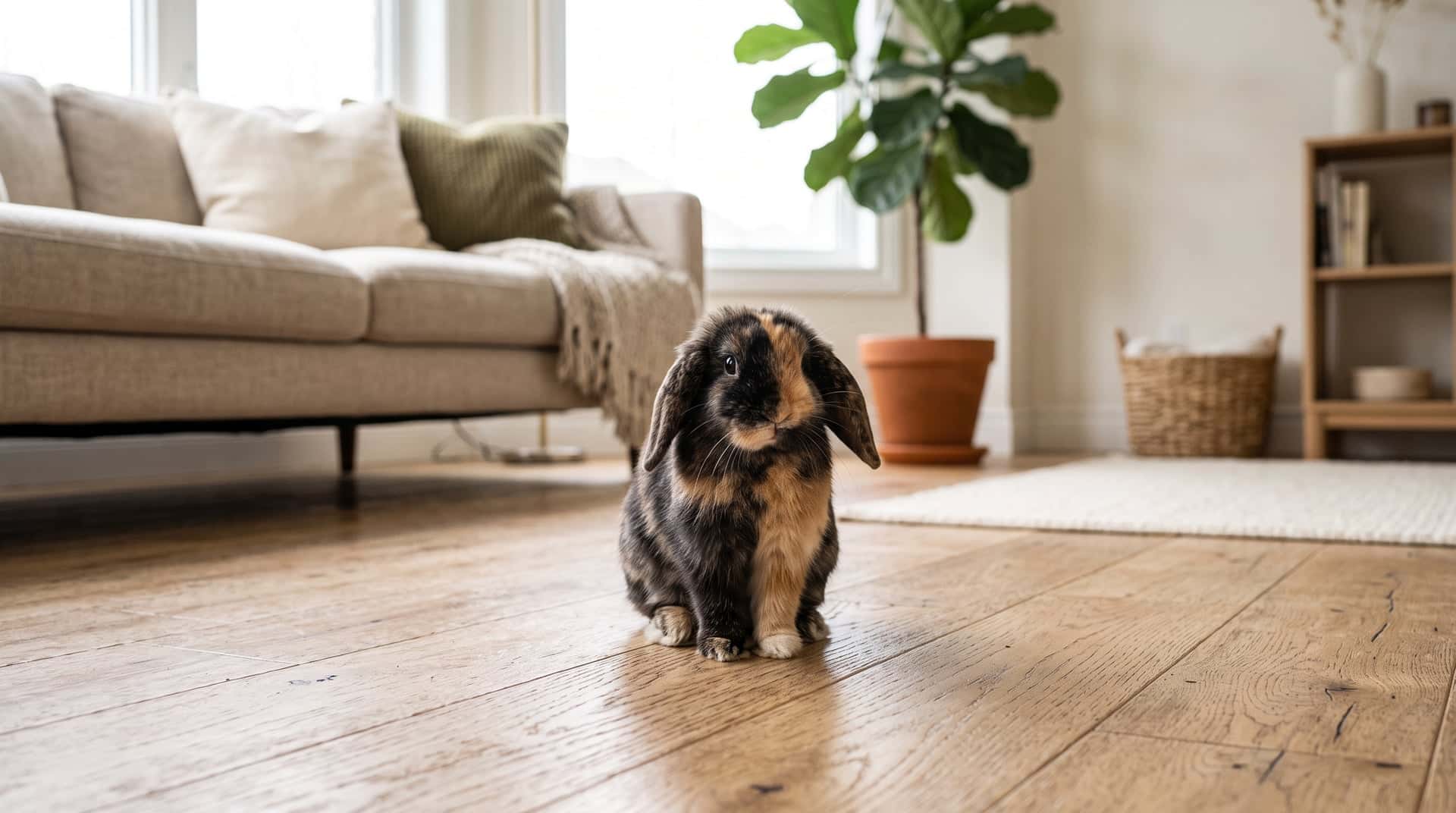
Browse Holland Lops listed near you and know a fair price before you message a seller.

Holland Lop
Holland Lop

Holland Lop
Holland Lop
Holland Lop
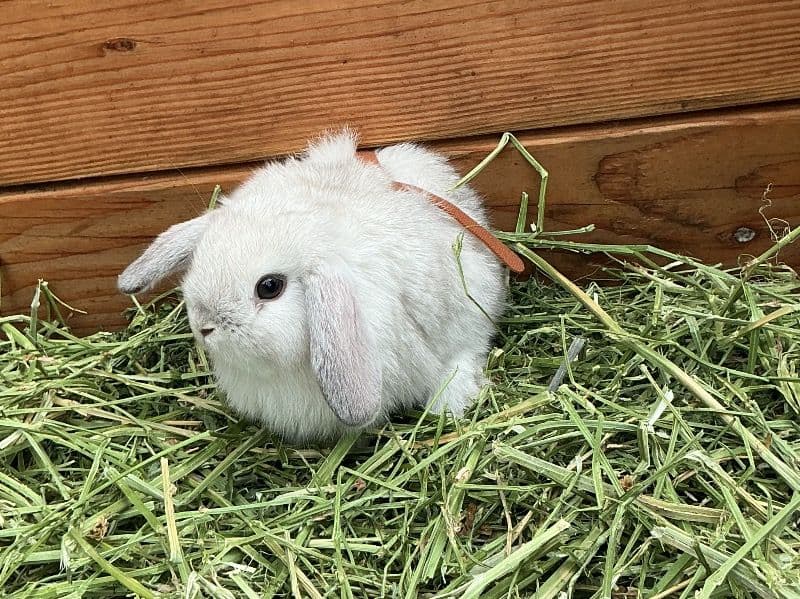
Holland Lop

Holland Lop

Holland Lop
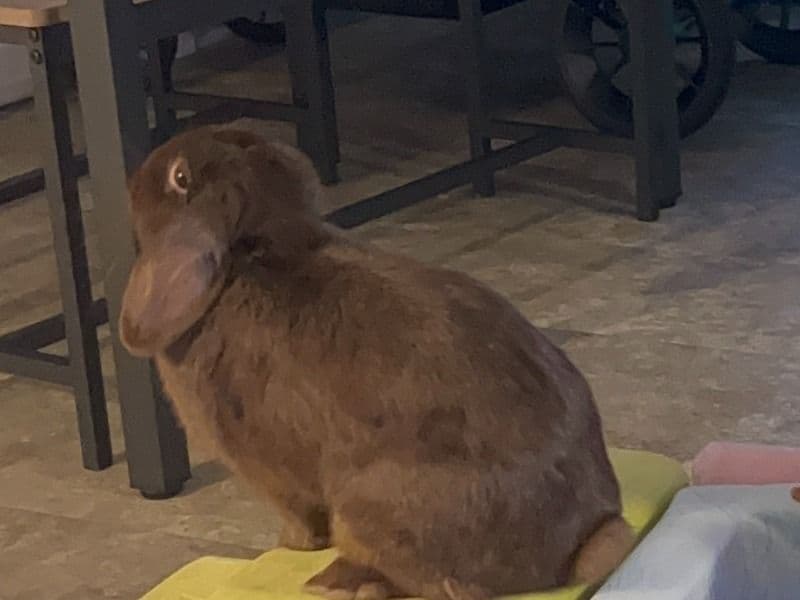
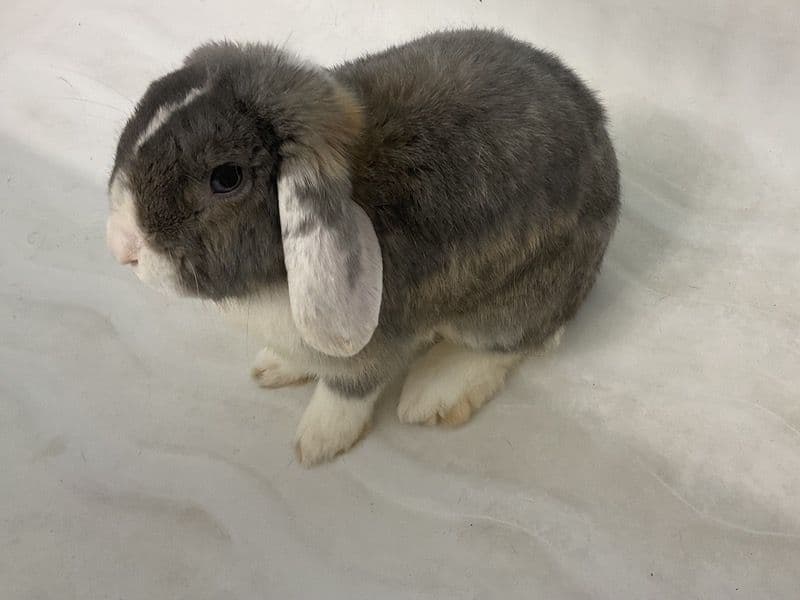
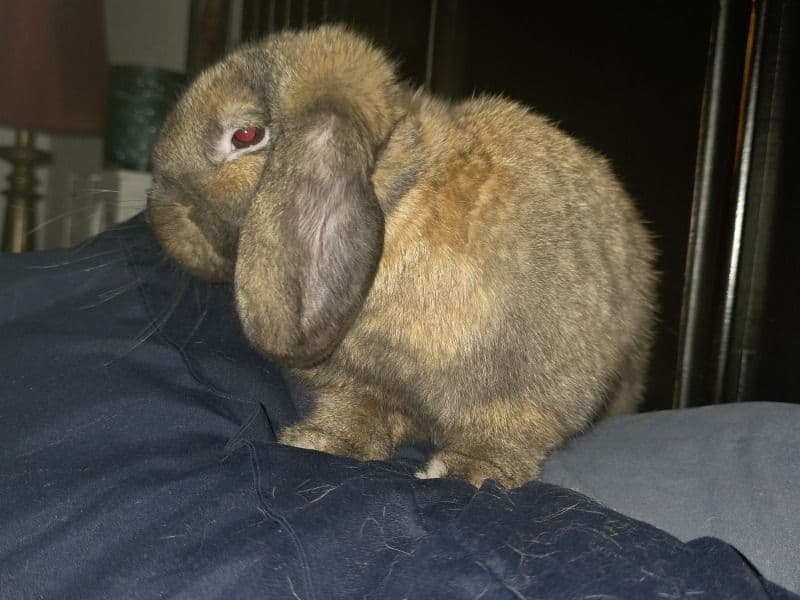
Holland Lop rabbits for sale usually cost $100 to $400, and the spread has more to do with where you live and who is selling than with the rabbit itself. This page covers what a fair price looks like, how to vet a seller, and what to check before you pay. The rabbits above were listed by their breeders and owners.
Holland Lops at a glance
The quick version. Every number here is explained and sourced in the sections below.
Short answer
Most pet-quality Holland Lops from established breeders cost $100 to $400. Big-metro breeders cluster at $300 to $400, small rural rabbitries start around $60, and adults sell for less than kits. Pedigreed show lines start around $350. A rehomed adult typically costs far less.
What sellers actually publish
Region is the biggest lever, not the rabbit. Full Soul Farm in Lawton, Michigan publishes prices of $60 to $90 "depending on color and sex of the rabbit and if you want a pedigree or not".[2] Redhill Rabbitry in Southern California lists babies at $300 to $400 and adults at $100 to $200.[1] A South Dakota rabbitry sits between them at around $200.[3]
That is the same breed, held to the same show standard, at roughly five times the price. There is no national rate, so price your local market before you judge any single listing.
That cuts both ways. A rabbit priced $200 under everything else near you is a question, not a bargain. Ask why. Honest answers exist: a hobby breeder clearing a litter, or a rabbit already past the age most buyers want. The dishonest version arrives as a story and a rush.
"Show potential" and "show quality" are not the same words. One California breeder says it directly: no rabbit is sold as show quality or show competitive, "because it is just impossible to evaluate an 7-8 week old bunny".[1] Ear carriage, crown and body type all keep changing for months. A seller who guarantees a young kit will win is selling you words.
Bigger Hollands are not lesser Hollands. The American Rabbit Breeders Association caps the breed at 4 lb for show.[4] Some Holland Lops grow to 4 or 5 lb because they did not inherit the dwarfing gene, and breeders call them false dwarfs. They are still purebred, they behave the same, and they often cost less. For a pet, that is a discount rather than a flaw.
One last sanity check on color. A modest markup for an unusual color is normal supply and demand. A price hundreds above the local base because a color is rare is gouging. Color changes nothing about how a rabbit behaves or how long it lives.
The purchase price is the smallest number on this page. A healthy Holland Lop lives 7 to 10 years,[6] and the recurring costs pass the sticker price within months. Budget for the whole decade before you budget for the rabbit.
The costs that follow the rabbit home
Where our evidence stops
Nobody surveys what US rabbit owners actually spend. The setup and monthly ranges above come from a published cost guide updated in January 2026,[14] and the vet figures reflect clinic price lists, not measured data. Treat the table as a planning budget rather than a quote.
Ask every seller about RHDV2. That is rabbit hemorrhagic disease virus 2, a rabbit virus that has spread across the US since 2020. The House Rabbit Society describes a virus that kills within three to five days of exposure, often with no symptoms at all. The vaccine is given in two doses 21 days apart, then once a year to keep working.[5]
Ask whether the parents are vaccinated and whether the kit has had its first dose. A seller who has never heard of RHDV2 probably does not take rabbits to a vet.
Short answer
A responsible seller keeps kits until at least 8 weeks, shows you the parents and where the rabbits live, produces a three-generation pedigree, and asks you questions back. Sellers who will meet only in a parking lot with a very young kit are the ones to skip.
A pedigree is simply a document listing three generations of a rabbit’s ancestors. It is not a health certificate and it is not a registration. What it tells you is that the seller keeps records, and breeders who track ancestors usually track birth dates and health too. Some charge a little more for it, or supply it only on request, so ask before you agree a price.[3]
Green flags
Red flags
An application is not friction. Sellers who screen buyers are the ones who take a rabbit back two years later when your circumstances change.
One long-running Ohio rabbitry lists the questions from the buyer’s side too. Can you see the parents? How are the rabbits housed? How many litters a year? And are you being asked anything about your own suitability?[7] If the answer to that last one is no, you are buying from a shop rather than a breeder.
Short answer
Check the kit yourself before paying: clear eyes, a dry nose, front teeth that meet correctly, clean ears, and a dry, clean bottom. A healthy young Holland Lop is curious and alert. Any drooling, crusted paws, or caked droppings means walk away.
The five minute check, rabbit in hand
Eyes
Nose and front paws
Front teeth (checking for malocclusion, teeth that do not meet and so never stop wearing down)
Ears
Rear end
Body and feet (hocks are the heels of the back feet)
Behavior
Two honest notes before you commit. Sexing young rabbits is unreliable. The same Ohio rabbitry calls it very difficult at 8 weeks and says it settles around 3 to 4 months.[7] If the sex matters to you, ask how they confirmed it and accept that good breeders still get it wrong.
Ears are the second note. They are not a one-off check on this breed. PetMD recommends weekly ear care for a Holland Lop, for life.[6]
Bring the rabbit to a vet who sees rabbits within the first week, whatever the seller tells you. That visit sets a baseline weight and catches the things a five minute check cannot.
Short answer
Kits build their gut bacteria from their mother’s milk, and weaning stress peaks between 7 and 14 weeks. Taken too early, a kit can develop enteritis, a gut infection that is often fatal at that age. Eight weeks is the welfare floor, and in some states the law.
The biology, briefly. A rabbit digests grass with the bacteria living in its gut, and a kit inherits that starter culture from its mother while it is still nursing. Pull it away before the culture is established, then add the stress of a new home, and the gut can tip into enteritis. Young kits are the least able to survive it.
In some states this is written down. North Carolina law is blunt about it. Selling, bartering or giving away "living baby chicks, ducklings, or other fowl or rabbits under eight weeks of age as pets or novelties" is a Class 3 misdemeanor.[9]
A handful of other states set similar minimums. Roughly two-thirds set none at all. So eight weeks is a welfare standard everywhere, and a legal one only in some places.
What that means for you as a buyer. Good breeders enforce the line themselves without waiting for a statute. One South Dakota rabbitry states it in capitals on its own site: the bunnies are weaned at 8 weeks and will not leave any sooner.[3] An Ohio breeder goes further and recommends waiting until 12 weeks.[7]
A seller pushing a 5 or 6 week kit is not doing you a favor by letting you have it early.
The Better Business Bureau logged 2,278 US pet scam reports in 2024, with a median reported loss of $680.[10] More than half of those scams started on a website the buyer found through a search engine or social media, not on a marketplace.[10] That changes how you should search. The fake seller you are most likely to meet is the one a search result sends you to.
The pattern, every time
Photos lifted from a real rabbitry. A deposit to hold the rabbit. Then the fees start. The BBB describes scammers adding charges for immunizations, temperature-controlled crates, even airline taxes. They take as much as they can before the buyer works out what is happening.[10] The rabbit was never there.
Four checks that end it
The fourth check does most of the work for this breed. A Holland Lop is a small, fragile animal, and most breeders will not put one on a plane. A seller whose only option is shipping has already told you they are not a Holland Lop breeder.
Short answer
The names run backwards: the Holland Lop (2 to 4 pounds) is the smaller breed, and the Mini Lop (up to 6.5 pounds) is nearly twice its size. Hollands are the energetic ones; Mini Lops tend to be calmer and more of a lap rabbit.
| Holland Lop | Mini Lop | Netherland Dwarf | Lionhead | |
|---|---|---|---|---|
| Adult weight | 2 to 4 lb | Up to 6.5 lb | 2 to 2.5 lb | 2.5 to 3.75 lb |
| Ears | Lopped | Lopped | Upright | Upright, with a mane |
| Temperament | Energetic and playful | Laid back, happy to be cuddled | Shy and skittish at first | Social and affectionate |
| Watch for | Weekly ear checks | Needs more space | Not a match for young children | Brushing two to three times a week |
Each upper weight is the ARBA show maximum for that breed[4]. The ranges and the temperament notes come from the DVM-reviewed PetMD breed profiles[11][12][13].
Size is the decision, not the name. A Mini Lop can be twice the Holland’s weight. That changes the pen you need and how safely a child can lift the rabbit. PetMD describes Mini Lops as laid back and gentle, and says they will happily snuggle.[11]
If you want a rabbit that settles on a lap, the Mini Lop is the fairer choice. Hollands are busier, and more interested in what you are doing than in sitting still.
At the smaller end, the Netherland Dwarf weighs 2 to 2.5 lb. PetMD notes it can be shy and skittish, and says it is not well suited to homes with young children.[12] The Lionhead is a similar size to a Holland at 2.5 to 3.75 lb, but the mane needs brushing two to three times a week, and daily while it molts.[13]
If grooming time is short, the Holland’s short coat is the easier one. See Mini Lops for sale if the larger, calmer rabbit sounds closer to what you want.
Prefer to skip the baby stage? Adult Holland Lops get rehomed by their owners regularly, usually litter-trained and often already fixed.
Holland Lop adoptionFact-checked against ARBA, PetMD, the House Rabbit Society, the Better Business Bureau, North Carolina statute, and the published price pages of three working rabbitries. Prices are what sellers advertise and they move with the market.
The questions worth answering before you send a deposit
Most pet Holland Lops sell for $100 to $400 from breeders, and region is the biggest factor. A Southern California rabbitry lists babies at $300 to $400, while a Michigan farm publishes $60 to $90 for the same breed. Adults cost less than kits, and show lines start around $350.
Location first, then paperwork and breeding line. Metro breeders with waiting lists charge more than small rural rabbitries because demand near them is higher. A three-generation pedigree, a show-winning line, or an unusual marking adds to the price. Color alone should not add hundreds of dollars.
Eight weeks at the earliest, and fully weaned. Kits build their gut bacteria from their mother, and taken too early they can develop a gut infection they often do not survive. Some states make eight weeks the legal minimum. Many breeders hold kits until nine or twelve weeks by choice.
They suit children about nine and up, with an adult supervising. Rabbits are prey animals with fragile spines, and most dislike being picked up. A child who wants to carry a pet around will frustrate the rabbit and risk injuring it. Sitting on the floor and letting the rabbit come over works far better.
Two to four pounds as adults. The American Rabbit Breeders Association caps the breed at four pounds for show. Some Holland Lops grow to four or five pounds because they did not inherit the dwarfing gene. Breeders call these false dwarfs. They are still purebred and they make identical pets.
Seven to ten years, according to PetMD veterinary reviewers. That is a long commitment for what looks like a small starter pet. Unlimited grass hay and a vet who actually treats rabbits are the two things buyers most often underestimate at the point of purchase.
The names run backwards. The Holland Lop is the smaller of the two at two to four pounds, and the Mini Lop reaches up to six and a half pounds. Both have lopped ears. Hollands tend to be busier and more playful, while Mini Lops are described as laid back and happy to be cuddled.
Check five things with the rabbit in your hands. Clear eyes with no discharge. A dry nose, and no crust inside the front paws. Top front teeth sitting in front of the bottom ones. Clean ears with no dark wax. A dry, clean rear end. A healthy kit is curious rather than unusually still.
Where the rabbit will live, whether you have kept rabbits before, who else is in the household, and whether you have a vet who sees rabbits. Some breeders use a written application. That is a good sign rather than a hurdle, because a seller who screens buyers is a seller who takes rabbits back.
Ask about RHDV2, a rabbit virus that has been spreading in the US since 2020 and kills within three to five days, often with no symptoms. The House Rabbit Society says the vaccine is given in two doses 21 days apart, then once a year after that, and strongly recommends it.
Budget roughly $75 to $190 a month for hay, pellets, fresh greens and litter, with the exact figure depending on where you shop. That recurring number passes the purchase price within months, which is why the sticker price is the smallest number in any honest rabbit budget.
Ask for a live video call with the rabbit visible and the seller talking. Run a reverse image search on the photos. Pay nothing before you meet in person. Treat a shipping-only seller as fake until proven otherwise, because most Holland Lop breeders do local pickup only.
Discover rabbits for sale from various breeds and find your perfect companion
89+ Holland Lops are on Petmeetly. Join free and message the owners directly.
Get started on PetmeetlyNo card required to sign up.