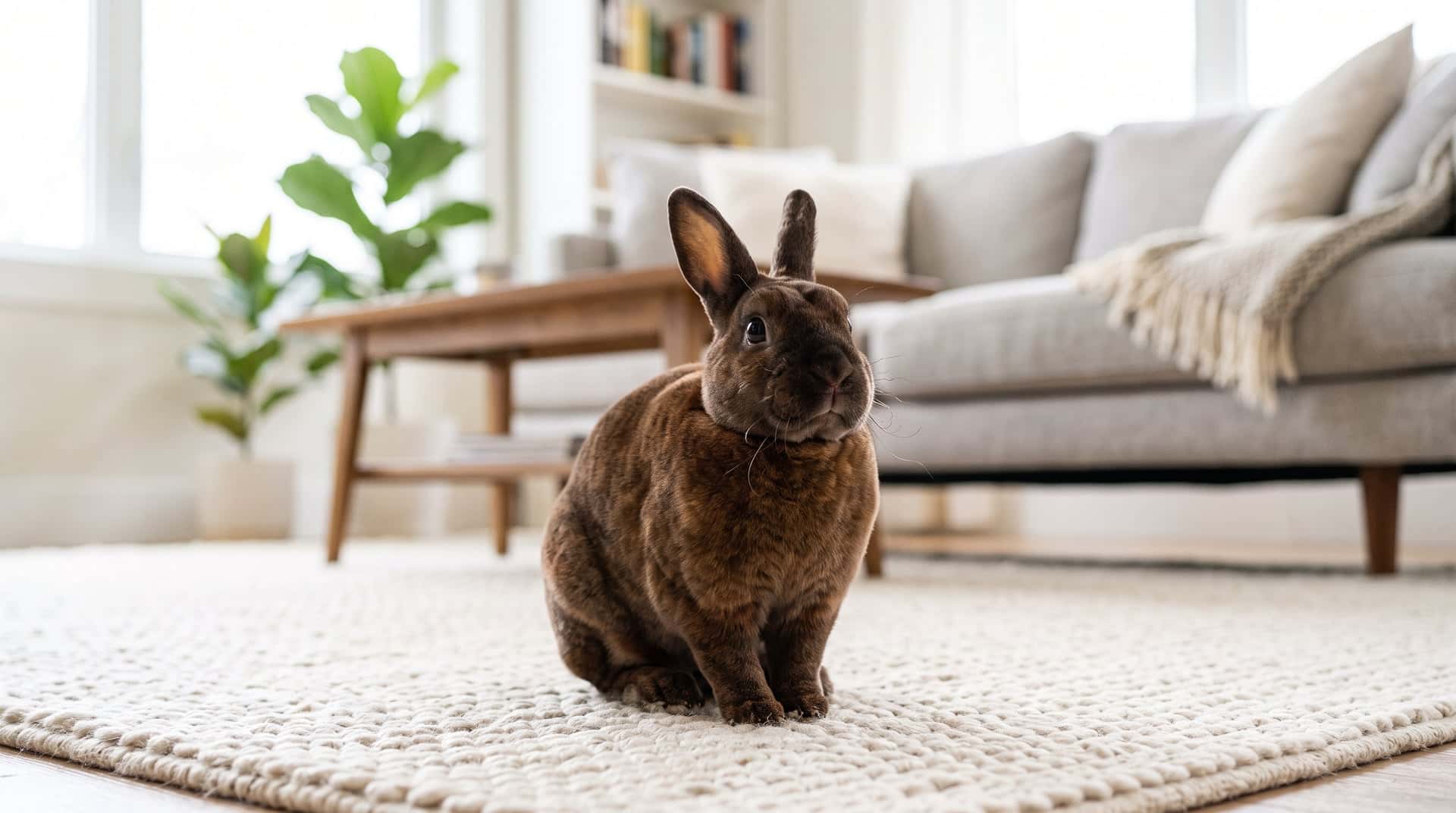
Browse Mini Rex rabbits from owners and breeders near you and know exactly what a fair price buys.
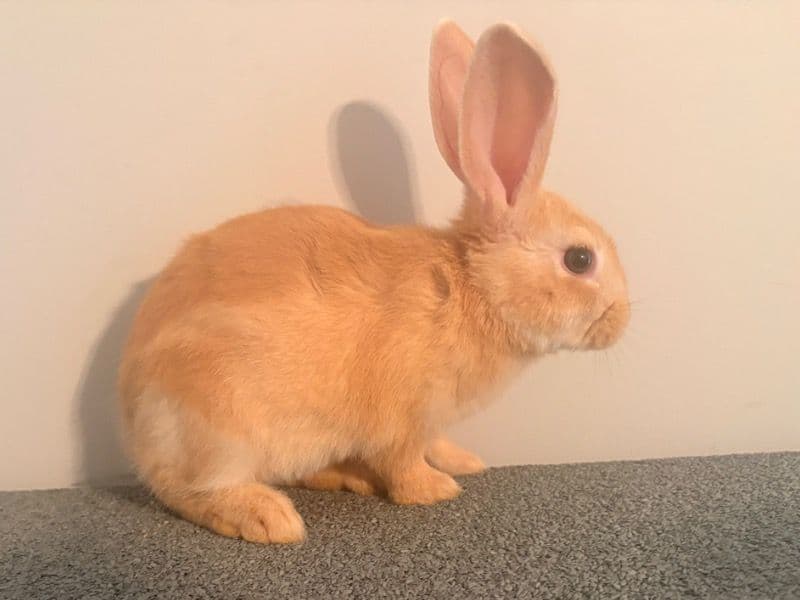
Mini Rex
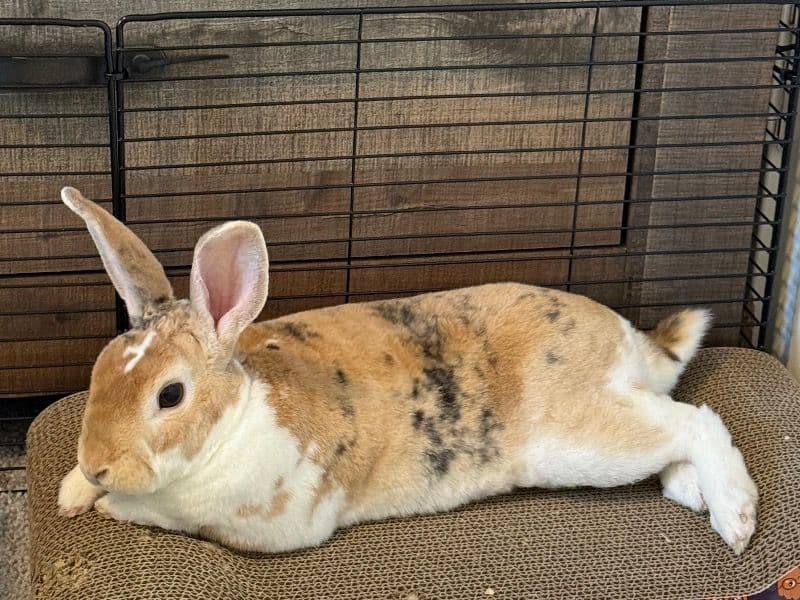
Mini Rex
Mini Rex
Mini Rex

Mini Rex
Mini Rex
Mini Rex rabbits for sale span a wider quality range than their prices suggest, because the thing you are paying for, the velvet coat, is not finished growing when kits go home. Here is what fair prices look like, what an 8-week-old can and cannot promise, and how to check a seller.
The listings above show what each seller typed in the breed box. Everything below is what to do next: what working rabbitries actually charge, when a coat can honestly be judged, and what to look at before you hand over money.
Mini Rex at a glance
The quick version. Every number here is explained and sourced in the sections below.
Short answer
From working rabbitries, pet-quality Mini Rex kits run about $20 to $80, brood stock about $90, and show stock $100 and up, with rare colors and champion lines reaching $250 to $300. A pedigree sometimes adds just $5. Sites quoting $500 or more to buy one are AI-generated cost pages, not real markets.
What each tier actually buys
Supply is why this breed is cheap for what it is. ARBA’s own breed entry calls the Mini Rex consistently the number one or number two entry at any ARBA convention.[5] Honest comparison stock sits on show tables all over the country, so no seller can charge a scarcity premium. What moves the price is the pedigree, the color variety, and a line with a real show record behind it.
Ignore the $500 price tags. Some AI-generated cost sites tell buyers a Mini Rex costs $500 to $2,000 to buy, plus five figures over its life. Those numbers are benchmarked against dog breeds, and one such page even calls the rabbit a puppy. Real rabbitry price sheets are public, and the three linked above are the market.
What the quality words mean
Short answer
The coat. Rex fur stands upright at around five-eighths of an inch, dense enough to spring back when pressed, with the guard hairs shortened to the undercoat’s length. On the show table it carries 35 of 100 points, as much as the whole body. It comes in 23 recognized varieties, from castor to broken.
One recessive mutation does all the work. A normal rabbit coat has two layers: a soft undercoat, and guard hairs, the longer coarser hairs that lie flat over the top of it. The rex mutation cuts the guard hairs back to roughly the length of the undercoat, so nothing lies flat and the whole pile stands up. The genetics paper behind commercial rex coats traces this to a single-letter deletion in one gene, inherited recessively, and measured the guard hairs at 43 percent shorter than normal.[7] What you feel is a coat that strokes the same in every direction.
The president of the National Mini Rex Rabbit Club puts it less technically. Mini Rex coats, he told Chewy, are “one of the most plush, resilient coats you have ever laid your hands on”.[8]
How a Mini Rex is scored, out of 100 points
From a published breeder transcription of the ARBA standard; the printed standard itself is a paid publication. Fur alone is worth as much as the entire body, which is why the coat sets the price.
Twenty-three varieties, and rarity is taste. The Mini Rex shows in 23 varieties, one of the largest line-ups on the ARBA list.[5] Castor, a rich chestnut brown tipped with black, is the original and still the signature color. Broken means white with colored patches. Sellers charge more for the scarce varieties, and that premium is real. It buys rarity, not a better rabbit.
Small, but not the smallest. ARBA caps the Mini Rex at 4.5 pounds[5] and breeder transcriptions of the standard put the senior ideals near 4 pounds.[9] You can lift one in a single hand, and it still has enough weight to feel solid. If you want something smaller, the Holland Lop tops out at 4 pounds, and our Holland Lop prices and buyer checks page covers that market.
Temperament is the second reason people pay. PetMD’s vet-reviewed page for the standard Rex, this breed’s larger relative, describes rex rabbits as friendly and patient. It calls them good family pets in homes with children, as long as an adult supervises.[10] The club president credits the Mini Rex with an unusually even temperament, and says few pets enjoy a gentle rub of the forehead more.[8]
No rabbit is hypoallergenic, including this one. Listings and care sites repeat the claim about rex coats. The honest version is on the same PetMD page: rex rabbits shed less than most breeds because they lack the long guard hairs.[10] Less loose hair around the house is not the same as fewer allergens in it.
Short answer
Because the coat is not done. A Mini Rex kit’s baby coat molts into its first real coat starting around 12 weeks, finishing between 18 and 24 weeks, months after the usual 8-week pickup. An honest seller prices young kits as “show potential” and shows you the parents’ coats; a guarantee on an 8-week coat is salesmanship.
The coat clock
At pickup age nobody knows what the coat will finish as, the breeder included. The parents and the line behind them are the real evidence.
What you can check on a young kit
Read the weights column on the pedigree. A real three-generation pedigree, the written record of a rabbit’s ancestors, lists each one’s weight and variety. Ancestors at 3 to 4.5 pounds mean Mini Rex. Ancestors much over 5 pounds mean standard-Rex blood in the line and a bigger adult than the listing promised. A $5 pedigree fee is normal.[2] No pedigree at all on a show quality price is not.
Non-refundable deposits are normal here. One published sales policy takes 50 percent of the asking price as a non-refundable hold, keeps the rabbit for two weeks, and treats all sales as final.[6] Small barns take $5 to hold a kit on the same terms.[1] The hobby runs on it. Do your checks before you pay, because the deposit is the point where walking away starts costing money.
Four things that are actually warning signs
Short answer
A real Mini Rex tops out at 4.5 pounds with upright ears. Parents over about 5 pounds point to standard Rex blood and a bigger adult. Any lop-eared rabbit sold with rex fur is a Velveteen Lop or Plush Lop type cross, and no rex-coated designer cross is ARBA-recognized, whatever the listing claims.
The standard Rex is the same coat on twice the rabbit. PetMD puts the standard Rex at 7.5 to 10.5 pounds[10] against the Mini Rex ceiling of 4.5.[5] Crosses between the two circulate in classifieds and land somewhere in between. That is why the parents’ weights settle the question better than the breed word in the ad.
What else wears a rex coat
Any lop-eared rabbit with a rex coat is one of those crosses. Sold honestly under its own name, it is its own animal and can make a lovely pet. Sold as a “lop Mini Rex”, it is mislabeled, and it is the label rather than the rabbit that raises the price. Recognition claims take two minutes to check, so check them.
Rabbit names collide more often than buyers expect. Our Mini Lop prices and buyer checks page walks through a harder case, where three different rabbits are sold under one name. This breed’s name travels better. The British Rabbit Council lists a Miniature Rex alongside the Standard Rex in its Rex section.[13] A British listing that says Mini Rex is pointing at the same kind of rabbit, not a different one.
An adult settles all of this on sight. Size, ears and coat are facts on a grown rabbit instead of predictions. If that appeals, our page on adopting an adult Mini Rex covers what to ask the current owner.
Short answer
Do not accept a kit under eight weeks; many careful rabbitries hold to nine or ten. At pickup, check curled whiskers, clear eyes and nose, clean rear, and the undersides of the feet. Then budget honestly: about $50 to $500 to set up and Hepper’s estimate of $7 to $500-plus a month, vet care included.
Eight weeks is the floor, and it is not just etiquette. One published sales policy states flatly that no rabbit leaves under the age of eight weeks, and holds younger kits until they get there even after a deposit.[6] Some states set eight weeks in law, North Carolina among them.[14] Kits build their gut bacteria from their mother, and one taken too early can develop a gut infection it often does not survive.
The five-minute check at pickup
The first year, line by line
The purchase price is the cheapest part of the rabbit. That guide’s own conclusion is that rabbits can be just as expensive as cats and dogs.[4] A $60 kit is not a $60 commitment, and the sellers worth buying from will say so themselves.
There is no Mini-Rex-specific scam pattern. The generic playbook is stolen photos, invented courier fees, and pressure to pay fast. The rabbits for sale hub covers it.
Buy from a breeder when you want something specific. A particular variety, a show prospect, or a line you already like the look of. At the $80 to $100 tier you are paying for the screening as much as the rabbit. That means temperament checks on pet stock, honest fault disclosure on show stock, and a breeder who still answers the phone a year later.
Adopt when you want the answers now. This is one of the most-kept rabbits in America, so adults are rehomed constantly. An adult arrives full-grown, coat finished, personality visible. The rabbit you meet is the rabbit you keep, and everything a kit makes you wait months to learn is already settled.
On an adult you can feel the finished coat, weigh the rabbit, and check the feet the same day you meet it. The current owner can also tell you exactly how it behaves at home.
Mini Rex adoptionEither way, you deal with the owner directly. Petmeetly introduces you to the person who has the rabbit, and the listings at the top of this page are live. Message the seller, ask the questions on this page, and meet somewhere public before any money moves. The rabbits for sale hub lists every other breed we carry.
Fact-checked against the American Rabbit Breeders Association, Chewy, the British Rabbit Council, PetMD, PLoS One, Hepper, and published rabbitry price sheets. Prices are what sellers advertise and they move with the market.
The questions worth answering before you send a deposit
Pet-quality kits from working rabbitries run about $20 to $80, brood stock about $90, and show stock $100 and up. Rare varieties and champion lines reach $250 to $300 and beyond. A pedigree is included at show rabbitries and costs as little as $5 at pet barns. Sites quoting $500 or more to buy one are AI-generated cost pages, not real markets.
Three things: a pedigree, a scarce color variety, and a line with a real show record behind it. Scarcity of the breed itself is not a factor. The Mini Rex is consistently the number one or number two entry at ARBA conventions, so there is no shortage to price against.
At best it means free of disqualifications at the time of sale, which is how one published rabbitry policy defines it. It cannot mean a graded coat. Rex fur cannot be properly evaluated until the first adult coat comes in between 12 and 24 weeks. An honest seller calls a young kit show potential and shows you the parents instead.
Look at the whiskers. Rex kits are born with bent or curly whiskers, and the genetics research records that trait alongside the shortened guard hairs that make the coat. A straight-whiskered kit sold as a rex is carrying a normal coat, whatever the listing says.
ARBA caps the breed at 4.5 pounds and published transcriptions of the standard put the senior ideals near 4 pounds. Parents much over 5 pounds point to standard Rex blood somewhere in the line and to a bigger adult than you were promised. The pedigree lists each ancestor’s weight, so read that column.
No. No rabbit is hypoallergenic. The honest version, from PetMD’s vet-reviewed page on the standard Rex, is that rex rabbits shed less than most breeds because they lack the long guard hairs. That means less loose hair around the house, not fewer allergens in it.
A deliberate cross of Mini Rex and English Lop from the late 1980s, and the first American breed to combine lop ears with rex fur. Adults run 5 to 7 pounds. It holds a Certificate of Development with ARBA, a development-track status short of full recognition, so it shows against its own kind and cannot compete for Best in Show.
No. It is a 1990s designer cross built partly on Mini Rex blood, and some sites claim ARBA recognized it in 2021. ARBA’s current recognized breeds and varieties list does not include it. Recognition claims are checkable in a couple of minutes, so check them before you pay a recognized-breed price.
Eight weeks at the earliest, and some rabbitries hold to nine or ten. One published sales policy refuses any sale under eight weeks and keeps younger kits until they get there, even after a deposit. Some states set eight weeks in law, North Carolina among them.
No. A 50 percent non-refundable deposit with all sales final is standard practice in this hobby, and small barns take $5 to hold a kit on the same terms. The warning signs are different: a seller who will not do a visit or a live video call, stock photos, and pressure to pay by a transfer you cannot reverse.
A cost guide updated in January 2026 puts the monthly band at $7 to $500 and up. Food alone is $7 to $40, and almost all of the spread above that is vet care. The guide concludes that rabbits can be just as expensive as cats and dogs over a lifetime.
Buy when you want a specific variety, a show prospect, or a known line, and pay the $80 to $100 tier for the screening that comes with it. Adopt when you want the answers now. An adult arrives with the coat finished, the adult size settled and the personality already on show.
Discover rabbits for sale from various breeds and find your perfect companion
Join free and message owners and breeders near you directly.
Get started on PetmeetlyNo card required to sign up.