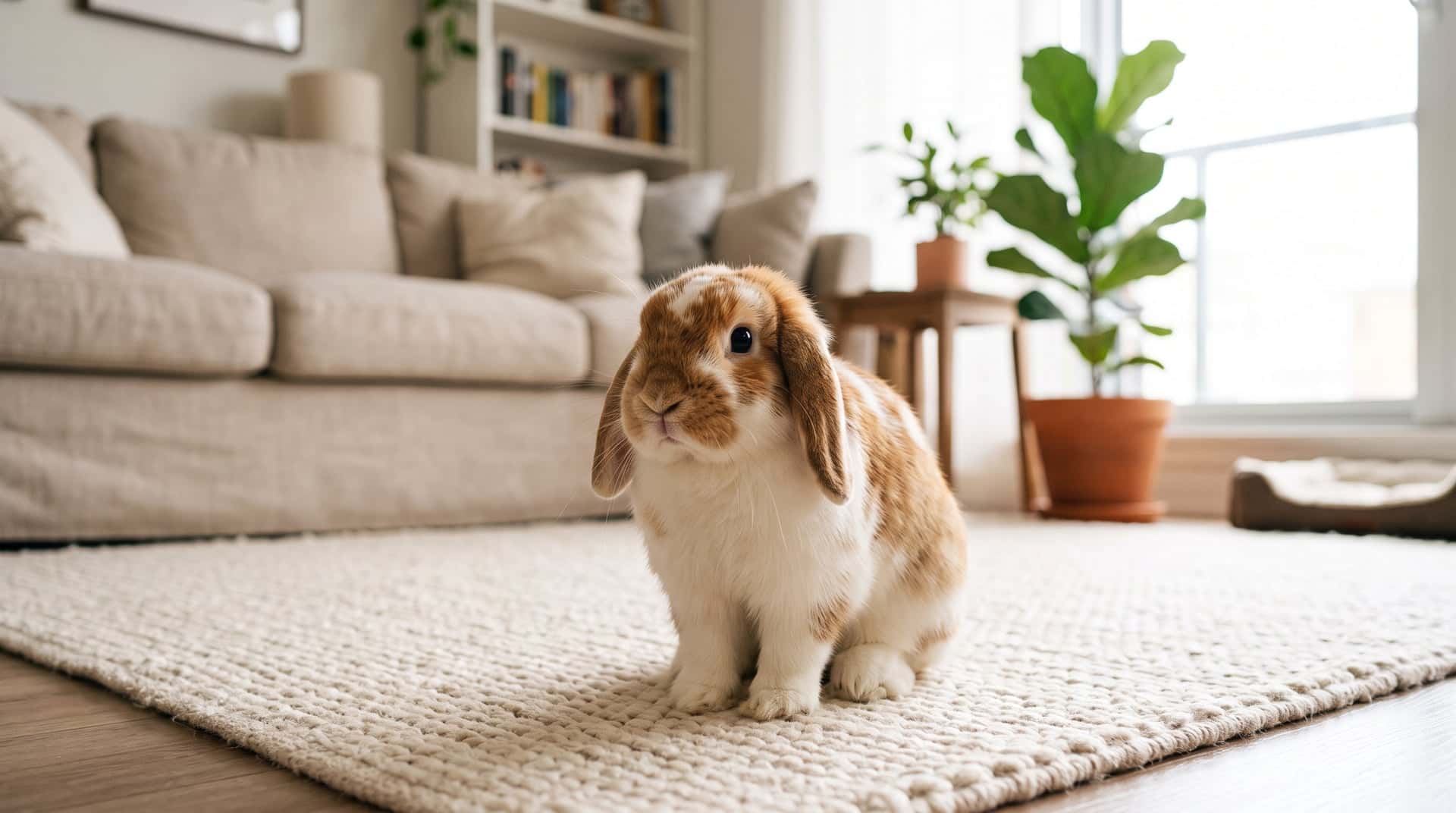
Browse Mini Lops from owners and breeders near you, and know exactly which rabbit you are buying before you pay a deposit.
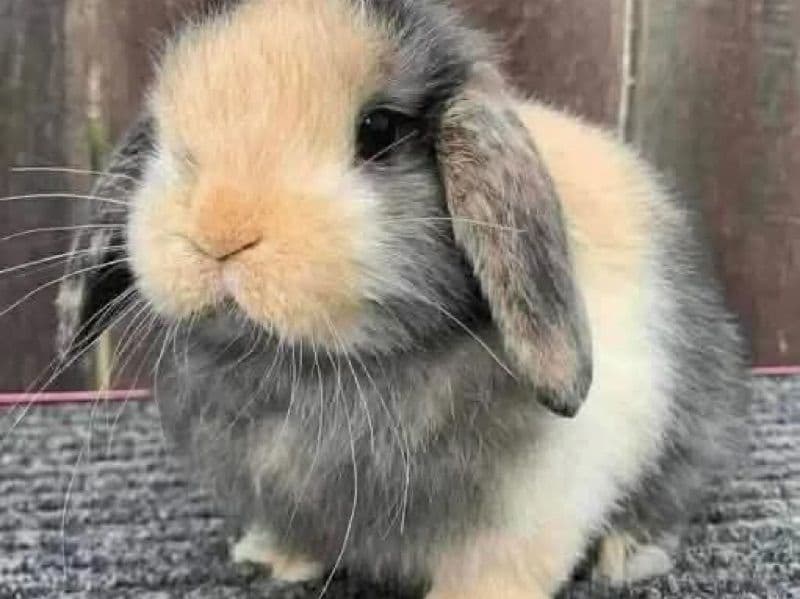
Mini Lop
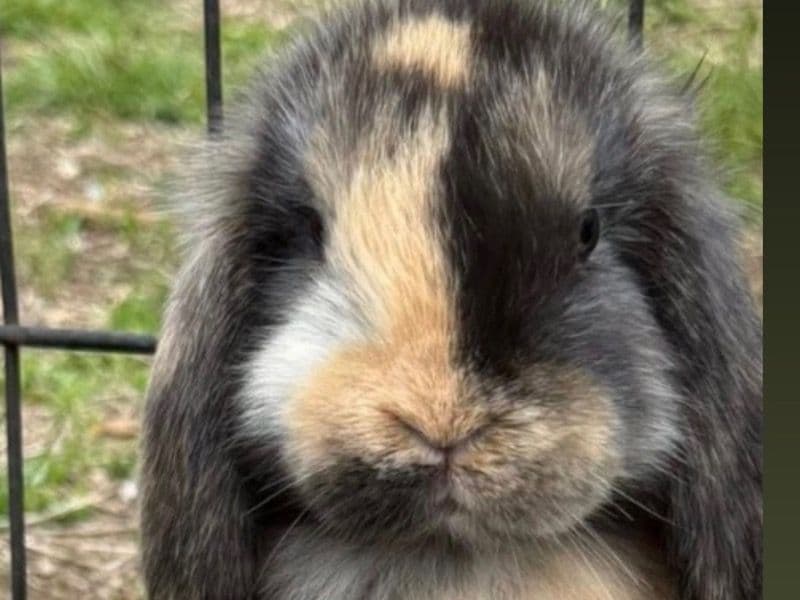
Mini Lop
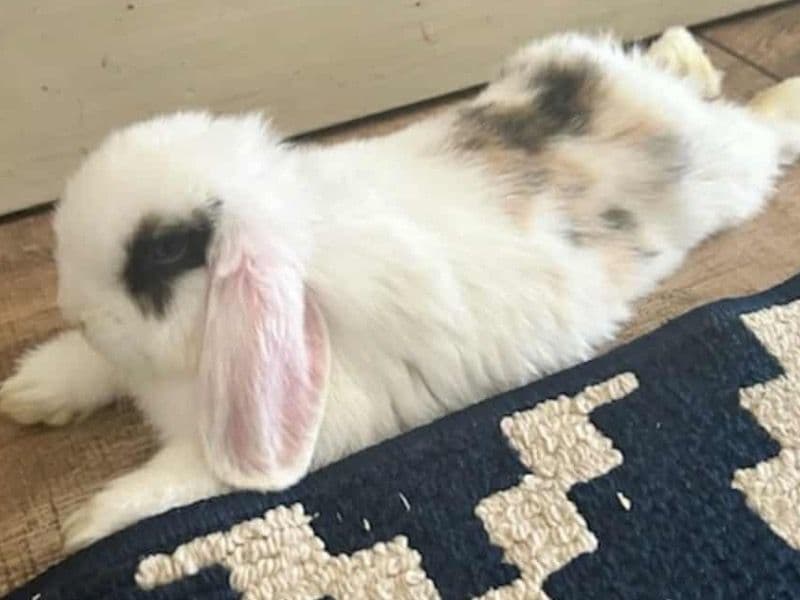
Mini Lop
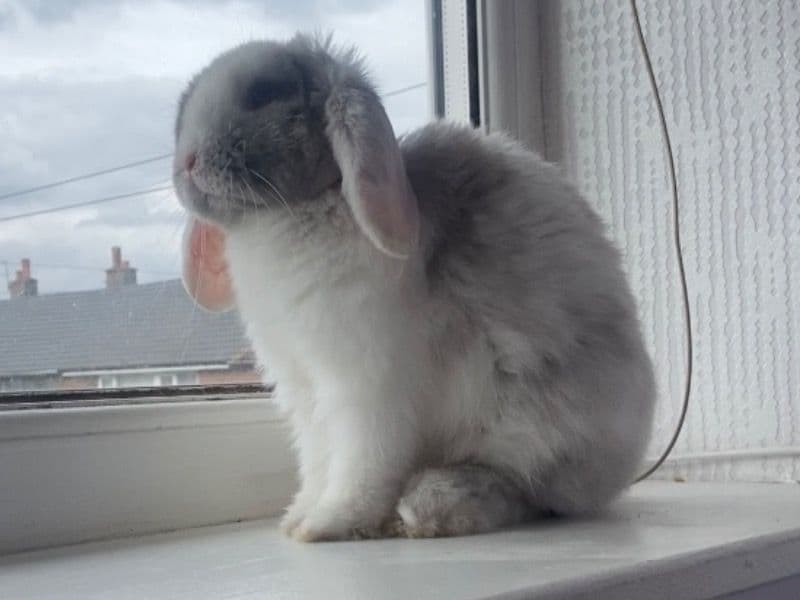
Mini Lop
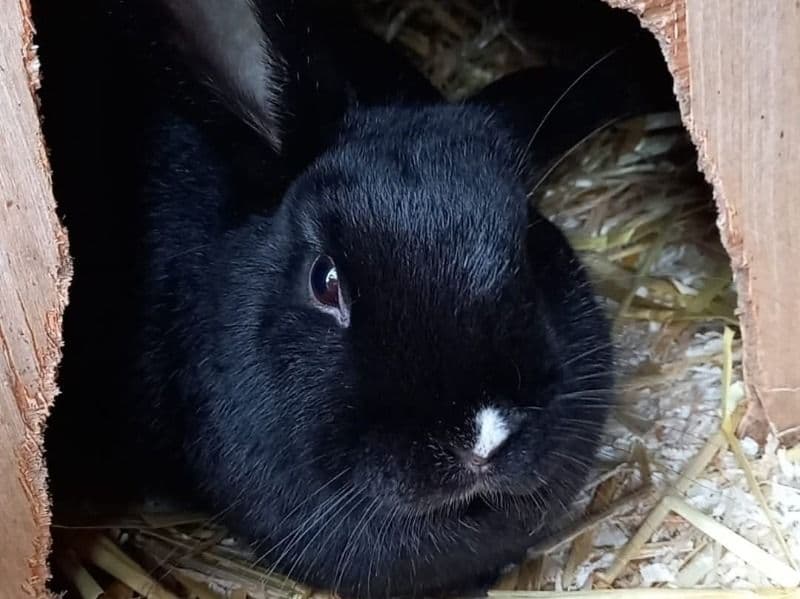
Mini Lop
Mini Lop rabbits for sale span a strange price range: $40 from one seller, $550 from another. Usually that is not a quality gap. It is three different breeds sharing one name. Here is how to tell which rabbit a listing actually describes, and what each one fairly costs.
The listings above show what each seller typed in the breed box. Petmeetly carries US and UK listings side by side. Those two markets use the same two words for rabbits that can differ in adult weight by roughly a factor of two. The next section turns that into four questions you can ask any seller.
Mini Lops at a glance
The quick version. Every number here is explained and sourced in the sections below.
Short answer
Three different rabbits are sold under this name. The American Mini Lop is a medium rabbit, 4.5 to 6.5 pounds. The British “Mini Lop” is a separate breed under 3.5 pounds, closest to the American Holland Lop. And the “Mini Plush Lop” is an unrecognized designer cross. Ask which one a listing means before you ask the price.
Three rabbits, one name
Both sellers are right, and that is the problem. A British seller who writes Mini Lop means a rabbit that tops out near 3.5 pounds. An American seller who writes the same two words means one that can reach 6.5. Neither of them is being careless. The names simply collide, and a buyer scrolling a listings page cannot see the difference in a photograph.
Four questions that settle it
At the designer end, paperwork matters more, not less. One Massachusetts rabbitry that imports Mini Plush Lops from European breeders warns that other sellers are simply crossing Rex rabbits with Holland Lops and using the name.[3] A cross like that can be a lovely pet. It is not the animal on the label, and it should not carry the label’s price.
If the smaller rabbit is what you wanted, say so. The US breed closest to what British sites call a Mini Lop is the Holland Lop, and our Holland Lop prices and seller checks page covers that market. If the dense, plush coat was the draw rather than the size, the Mini Rex is the ARBA breed that actually carries it.
Short answer
Expect three tiers. Unpedigreed pet kits from classifieds and small rabbitries run roughly $40 to $75. Pedigreed pet and brood stock from established rabbitries runs about $75 to $200. Show-line stock starts around $200. Prices far above that usually belong to Mini Plush Lops or Holland Lops, not this breed.
What each tier actually buys
Paperwork and body type move the price. Color does not. Three things decide the tier: whether a pedigree comes with the rabbit, whether the line behind it has a show record, and how closely the rabbit matches the breed standard. A rare-color surcharge is a sales line, not a market rate. Ask instead which shows the parents placed at, in which year, and under which judge.
Settle the pedigree terms before you pay a deposit. At some rabbitries the paper is a paid extra even when the stock is pedigreed. One Georgia rabbitry charges pet buyers $20 for it.[4] We read another lop rabbitry charging as much as $100 extra for the same document. We are not naming that one, because the practice is common rather than dishonest. Ask what the price includes before you pay, because lop rabbitry deposits are routinely non-refundable.[3]
What the quality words mean
On an eight-week kit, show potential is a hedge. Body type is not finished that young, and honest breeders say so. One rabbitry will not sell a Mini Lop as show quality unless it can keep the kit to 12 weeks. It grades each kit at 8 weeks and again at 12.[4] If a seller promises a show winner at eight weeks, they are selling you a guess at a premium.
Adoption is the cheapest honest route. Rehomed adult Mini Lops change hands for less than any breeder tier and usually arrive already fixed. Our page on adopting an adult Mini Lop covers what to ask the current owner and what to check on day one.
Short answer
A reputable seller keeps kits until eight weeks, shows you the parents and the housing, hands over a three-generation pedigree with the rabbit, and answers ear-health questions without flinching. Deposits are normally non-refundable, so do the checks first. Walking away from a seller who fails them costs nothing; a sick rabbit does.
Seven things a good lop rabbitry does
Non-refundable deposits are normal here. One Massachusetts rabbitry asks a flat $100 and states that every deposit is non-refundable.[3] Two others take roughly half the price up front on the same terms.[4][5] A boarding fee if you miss the pickup window is normal too. What is not normal is a seller who wants the full amount before you have seen the rabbit or spoken to anyone.
Five things worth a hard question
One more honest note about sexing. Telling a young kit’s sex is genuinely unreliable, and good breeders admit it. Confirm the sex at pickup and again at the first vet visit. Getting it wrong is how a pair of pets becomes a litter.
Short answer
Check the ears first. Lop ears trap wax, and UK studies found ear trouble in roughly a quarter of lop-eared rabbits, against one in ten up-eared ones. Then teeth, eyes, vent, and feet, and watch it move. And if a “broken” kit is almost all white, ask whether it is a charlie before you fall for it.
The check you run before you hand over money
The ear numbers are worth knowing before you fall in love. A 2026 field study looked at 435 pedigree rabbits across 49 breeds, volunteered by their own breeders and presumed healthy. It found flaky discharge in the ear canal of 86% of them, and stenosis, meaning a narrowed ear canal, in 42%. Almost every ear problem in that study was more common in lop-eared rabbits.[9] A 2023 survey of 551 UK owners put vet-indicated ear conditions at about 25% of lop-eared rabbits, against about 10% of erect-eared ones.[10] Much of it is silent. An imaging study cited in that survey found middle-ear infection in 22% of 161 hospital rabbits, and 61% of those cases had never been brought in for an ear problem.[10]
The mechanism behind those numbers is simple. A lop ear folds over, the canal below it bends, and wax that would normally work its way out builds up instead. Inflamed wax turns creamy and looks like pus, so nobody can tell the two apart by looking. A vet settles it with a swab.[11] At purchase, ask when a vet last looked inside the ears. Responding to the 2026 study, the Rabbit Welfare Association and Fund told owners to ask for an ear exam even when a rabbit seems fine.[9] Put one in the first-week visit.
If a broken kit is almost entirely white, ask about it. Broken means a white rabbit with colored patches. A kit carrying color only on the nose and ears may have two dominant copies of the English spotting gene, a pairing breeders call a charlie.[12] In English-spotted breeds that pairing is documented as subvital, meaning those rabbits are less likely to thrive, because of a dilated gut that stops moving food properly. The condition is called megacolon.[13] Nobody needs to panic, and plenty of charlies live ordinary lives. Ask the breeder directly, and expect no premium for a lightly marked kit. A DNA test for the mutation also exists, at around $77 through a European lab.[14]
Book the vet before the rabbit comes home. Find an exotics vet and make the first appointment for the first week. Ask about the RHDV2 vaccine, a shot against a rabbit virus that spreads easily and is usually fatal. The House Rabbit Society keeps a current page on where the vaccine is available.[15]
Short answer
Budget $500 to $1,600 to set up, per the most recent published cost sheet. The same guide puts monthly costs anywhere from $25 to $750 and up; by its own line items, a month with no vet bill lands around $50 to $150. Spay or neuter runs $200 to $600 at private clinics. The purchase price is the smallest number in your first year.
The first year, line by line
Two costs on that list are specific to lops. Book a yearly check-up that includes an ear exam rather than a general appointment, because ears are the one problem this breed carries more of than erect-eared rabbits.[9] Then budget brushing time. The coat is dense and medium in length, so weekly brushing is the baseline, and it rises through the two molts a year.[16]
Then multiply by the decade. PetMD’s vet-reviewed figure for the breed is an average of 8 to 10 years. The same profile carries the standard advice of at least three hours a day outside the cage.[16] A 5 to 6 pound rabbit also needs real floor space. The UK welfare standard asks for an area of 3m by 2m by 1m high available at all times, roughly 10 feet by 6 and a half.[17] A shop hutch is nowhere near that size on its own. Adding a second level does not fix it either, because a rabbit needs floor to run on rather than stairs to climb.
Buying an eight-week kit puts adolescence ahead of you. Somewhere in the months after you bring it home, a sweet baby starts spraying, chewing baseboards and testing every rule in the house. It passes. It is also the stretch that surprises first-time owners most.
An adult shows you what you are getting on day one. Final size, real temperament, and whether the rabbit actually likes being picked up. Rehomed adults usually arrive already spayed or neutered, and they cost less than any breeder tier above. If none of the kits on this page feel right, our page on adopting an adult Mini Lop walks through what to ask the current owner.
An adult arrives at full size with its personality already on show. The current owner can also tell you exactly how the rabbit behaves at home, which is more than any eight-week kit can promise.
Mini Lop adoptionEither way, you deal with the owner directly. Petmeetly introduces you to the person who has the rabbit, and the listings at the top of this page are live. Message the seller, ask the questions on this page, and meet somewhere public before any money moves. The rabbits for sale hub lists every other breed we carry.
Fact-checked against the American Rabbit Breeders Association, the British Rabbit Council breed standard, PetMD, Hepper, the Rabbit Welfare Association and Fund, PLOS ONE, and published rabbitry price sheets. Prices are what sellers advertise and they move with the market.
The questions worth answering before you send a deposit
Three tiers. Unpedigreed pet kits run roughly $40 to $75. Pedigreed pet and brood stock from an established rabbitry runs about $75 to $200. Show-line stock starts around $200. A rehomed adult usually costs less than any of them, and a cost guide updated in January 2026 puts adoption at $0 to $100.
Usually because the rabbit is not an ARBA Mini Lop. One importing rabbitry priced Mini Plush Lops, a cross ARBA does not recognize, at $350 to $550, with its show-line Holland Lops higher still. Read the breed name printed on the three-generation pedigree before you argue about the number.
No. The British Rabbit Council recognizes the Miniature Lop, which British keepers shorten to Mini Lop. It was recognized in 1994 with a maximum weight of 1.6 kg, about 3 pounds 8 ounces, and it sits closest to the American Holland Lop. The ARBA Mini Lop is a medium rabbit of 4.5 to 6.5 pounds.
Senior weight runs 4.5 to 6.5 pounds, and 6.5 is the ARBA maximum. That makes the Mini Lop a medium rabbit, clearly bigger than a Holland Lop despite the name. Mini here means smaller than the German lops it was bred down from, not small.
Eight weeks at the earliest. Kits build their gut bacteria from their mother, and one that leaves too early can develop a gut infection it often does not survive. Every lop rabbitry we read holds to eight weeks, and one will not grade a kit as show quality until it has kept it to 12 weeks.
PetMD’s vet-reviewed profile gives an average of 8 to 10 years. Plan for the decade, including a yearly check-up with an exotics vet, meaning one trained beyond cats and dogs.
PetMD describes the breed as friendly, laid-back, gentle and good with children. That is much of why it is one of the most popular pet rabbits in the United States. They still need at least three hours a day outside the cage, a rabbit-savvy vet, and an adult supervising time with small children.
Ears first, because lop ears trap wax. Then teeth, eyes, nose, vent and feet, and watch the rabbit move. On the paperwork side, ask for the three-generation pedigree and the parents’ weights. Those two together settle which of the three Mini Lop breeds you are looking at.
A broken-patterned rabbit that is almost entirely white, with color only on the nose and ears. It carries two dominant copies of the English spotting gene. In English-spotted breeds that pairing is documented as subvital and linked to megacolon, a gut that stops moving food properly. Ask the breeder, and expect no premium for a lightly marked kit.
Yes. A lop ear folds over and the canal below it narrows, so wax builds up instead of working its way out. A 2023 UK survey found vet-indicated ear conditions in about 25% of lop-eared rabbits against about 10% of erect-eared ones. Check the outer ear weekly, leave the canal to the vet, and book an ear exam into the yearly check-up.
Usually not. Non-refundable deposits are the working norm at lop rabbitries, from a flat $100 at one to about half the price at others. Do every check on this page before you pay, because the deposit is the point where walking away starts costing money.
An adult adoption shows you final size and real temperament on day one, usually arrives already spayed or neutered, and costs less. Buying suits people set on a particular kit, a particular color, or a pedigree they can show from. Both routes live on Petmeetly.
Discover rabbits for sale from various breeds and find your perfect companion
34+ Mini Lops are listed for sale on Petmeetly. Join free, ask each seller which breed the pedigree names, and message them directly.
Get started on PetmeetlyNo card required to sign up.