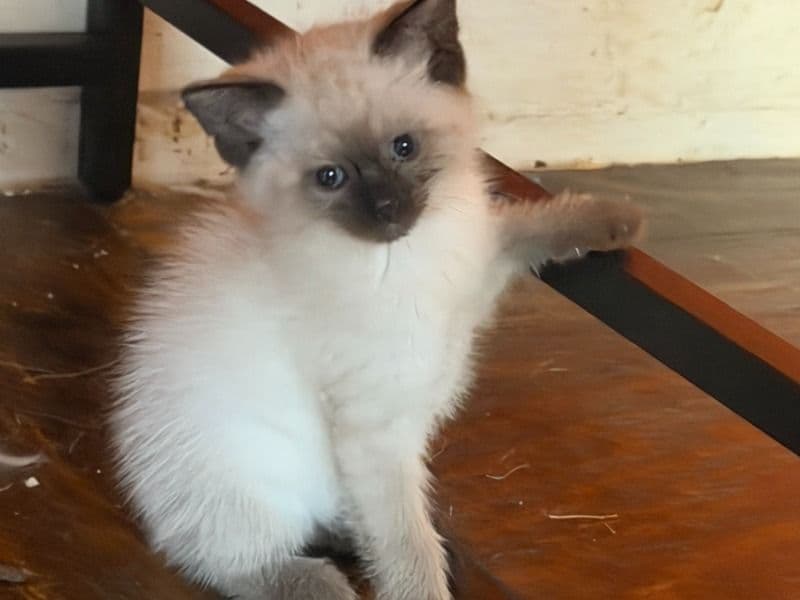
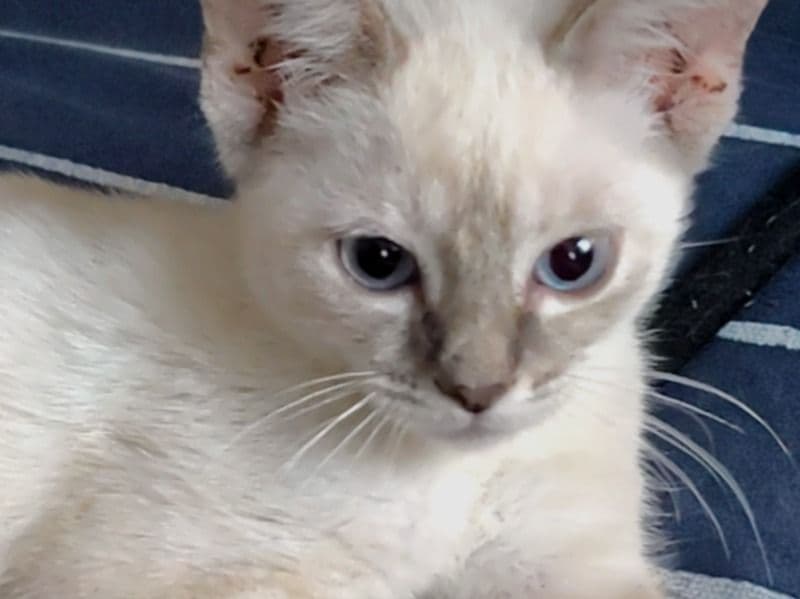
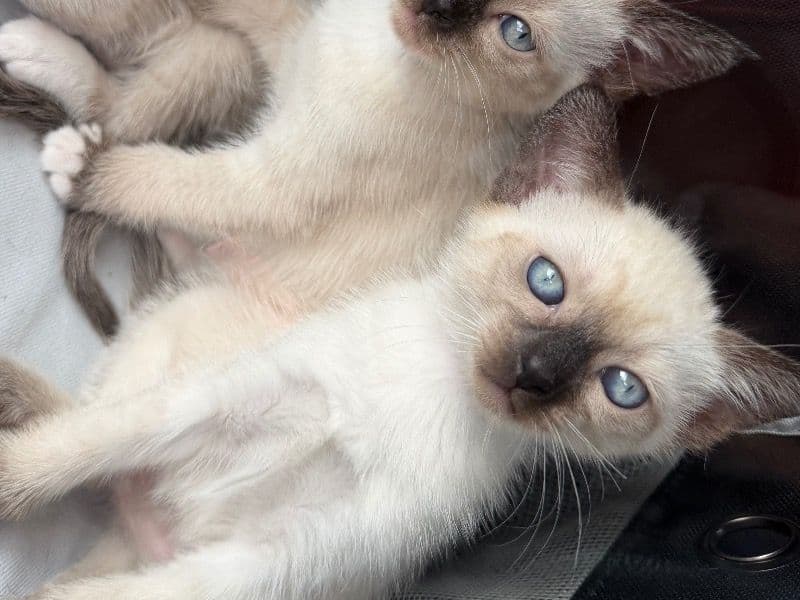
Sociable, and more prone to overgrooming than most cats. In a study of 5,726 cats, the Oriental group that Siamese belong to sought human contact and had the highest probability of excessive grooming. Along with Persians, it also reported the most behaviour problems.
That study grouped Siamese with Balinese, Oriental Shorthairs and Longhairs and Seychellois, so it describes the family rather than the Siamese alone.[4] Read that way, it still says something useful. The cat you are buying wants company, and it is the breed family most likely to overgroom when something is wrong.
One reputation did not survive the same study. Wool sucking, the habit most often pinned on this breed, was commonest in house cats, Norwegian Forest Cats, Turkish Vans and Maine Coons. The Oriental group was not among the top groups.[4] Nor has anyone ever measured how much different breeds vocalise, so treat the talkative reputation as a story rather than a finding.
On health, one thing is worth knowing before you buy. A review of feline asthma notes it usually starts in young to middle-aged adults, at a mean age of four. It adds that the Siamese breed appears to be overrepresented.[8] The condition is manageable with treatment. The practical point is that a repeated cough in this breed earns a vet visit rather than a hairball assumption.
Lifespan deserves the same honesty. UK life tables built from 7,936 cats give a Siamese 11.7 years from birth, matching the average cat and sitting just under crossbreeds at 11.9.[9] An older study of 4,009 deaths used a different measure and reported a median of 14.2 years, though on only 31 Siamese.[10] Neither figure supports the twenty years that listings like to promise.