01
Is there such a thing as a healthy Scottish Fold kitten?
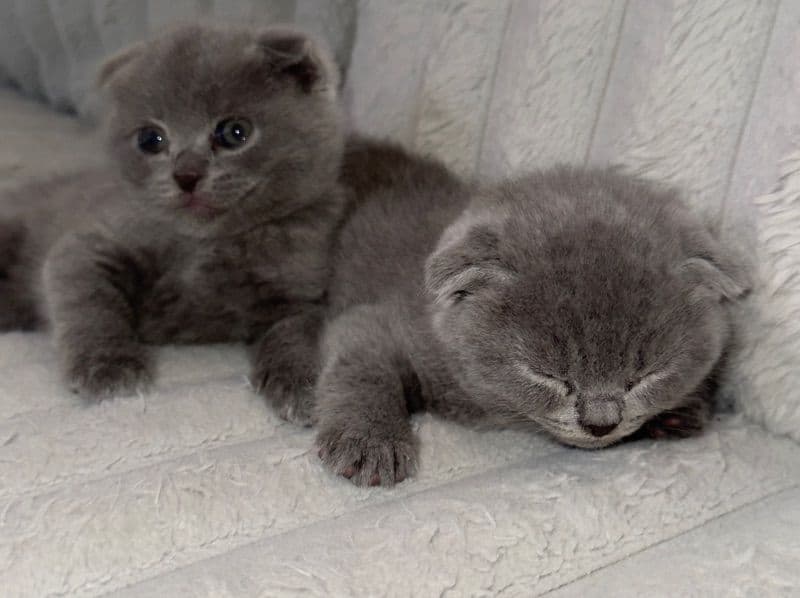
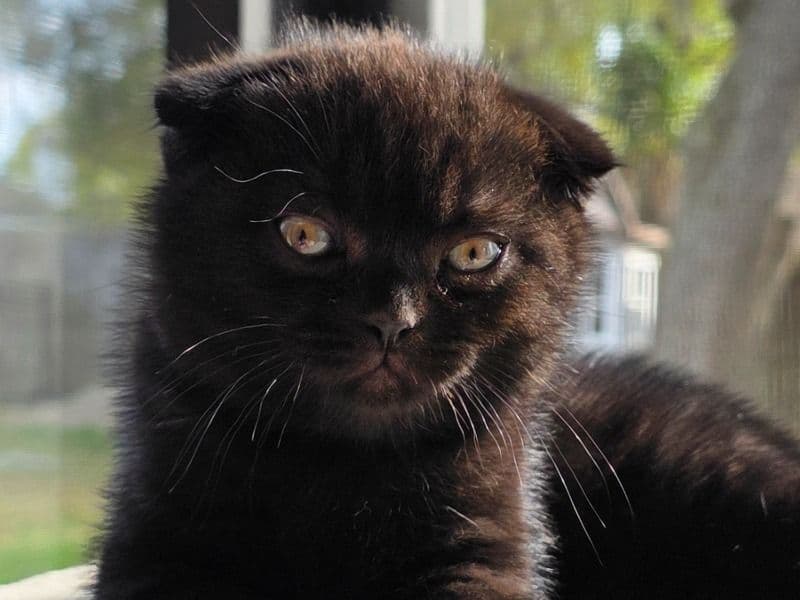
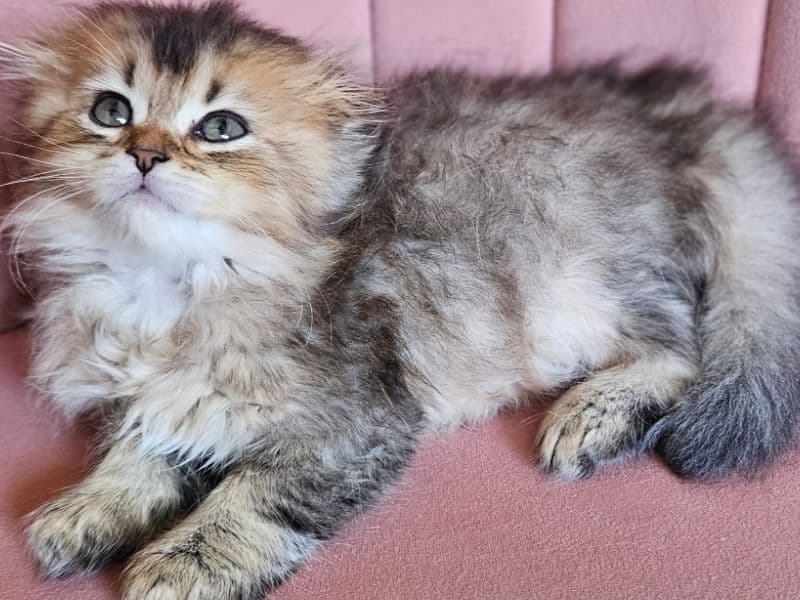
Not in the sense buyers usually mean. The folded ear is caused by a change in a cartilage gene, so every folded kitten carries at least one copy of it. What varies is how much joint disease that copy causes, and that varies a great deal. Plenty of folded cats live comfortably for years.
02
What should I physically check on a Scottish Fold kitten?
Start with the tail. It should feel flexible along its whole length, and the CFA tells owners to check this regularly because stiffness can be an early sign of trouble. Then watch the kitten walk and jump, and feel the lower legs and paws for thickening or swelling.
03
What does a flexible tail at twelve weeks actually prove?
Less than most buyers assume. In Australian veterinary records covering 1,131 Scottish Folds, cats clinically diagnosed with the joint disorder were generally under 30 months old. That is well over two years after a kitten goes home, so a clean check at twelve weeks does not close the question.
04
What should I ask a Scottish Fold seller?
Ask for the TRPV4 genetic test result for both parents, not one of them and not the line. Ask which mating produced the litter. Ask whether the parents have been x-rayed. A seller who tests and keeps records will answer all three without hesitating.
05
Why does the straight-eared parent need a DNA test too?
Because straight ears are not proof. Researchers following insured Scottish Folds found that 7 of 55 carriers, about 12.7 percent, had folded ears as kittens and straight ears as adults. If both parents carry a copy, one kitten in four can inherit two copies and get the severe form of the disease.
06
How much does a Scottish Fold kitten cost?
We do not publish a price range for this breed and we would treat any page that does with caution. No registry or veterinary body publishes purchase prices. On this breed the price also tells you nothing useful about health, because every folded kitten carries the variant regardless of what it cost.
07
Can Scottish Fold joint disease be cured?
No. International Cat Care states there is no treatment for the disease itself, and that a vet can manage the pain with appropriate medication. Practical changes at home help too, such as low-sided litter trays, raised bowls and ramps up to favourite sleeping places.
08
Is a Scottish Straight a healthier choice?
On this specific gene, yes. A Scottish Straight is a cat from Scottish Fold breeding that did not inherit the fold variant. In one blinded study none of the 12 straight-eared cats carried it, while all 10 folded cats did. The body, coat and temperament are the same.
09
What are the early signs of joint trouble in a Scottish Fold?
Reluctance to move or jump, a stiff walk, difficulty getting on and off furniture, and short or misshapen lower limbs. Because the pain builds slowly, it can also show up as hiding more, grooming less, eating less, or missing the litter tray when climbing in starts to hurt.
10
Is it legal to buy a Scottish Fold?
That depends on where you live, and it has changed recently. Since 1 January 2026 it has been illegal in the Netherlands to keep, buy, sell or breed cats with folded ears. Microchipped cats born before that date are exempt. Check your own jurisdiction before you commit.
11
Do folded ears cause ear infections or deafness?
The well-documented problem with this gene is joints and bone, not ears. The fold itself is a cartilage defect in the ear flap, and the same defect affects the paws, lower legs and tail. Clean the ears as you would for any cat and raise anything unusual with your vet.
12
Should I buy a Scottish Fold at all?
That is genuinely your call, and you should know that the major welfare bodies say no. Cats Protection advises against getting one and is campaigning for a breeding ban. If you go ahead, buy from someone who tests both parents and tells you plainly what your kitten is carrying.