01
How much does a domestic shorthair kitten cost?
There is no pedigree to price, so the figure should track the vet work already done. Add up the vaccinations, deworming, retrovirus test, microchip and spay or neuter. For comparison, Best Friends Animal Society charges $150 for kittens six months and under, and that fee already includes all of it.
02
Is a domestic shorthair a breed?
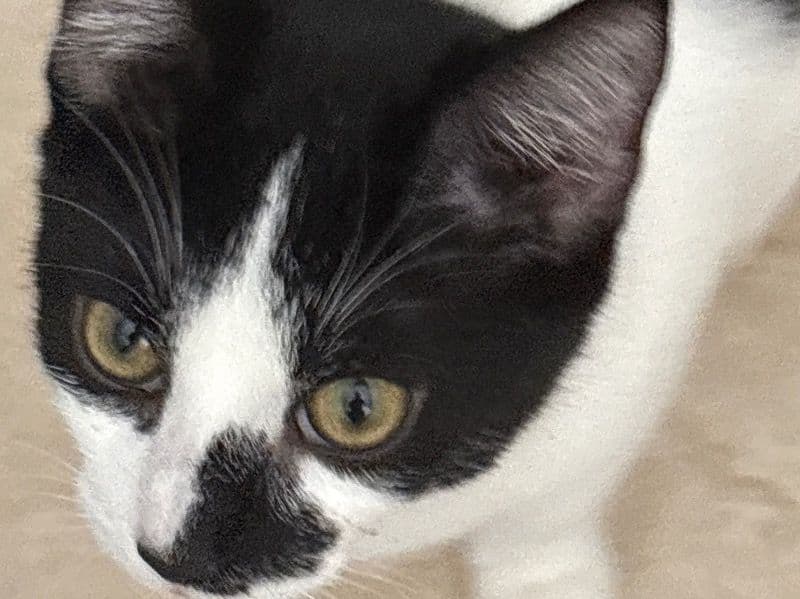
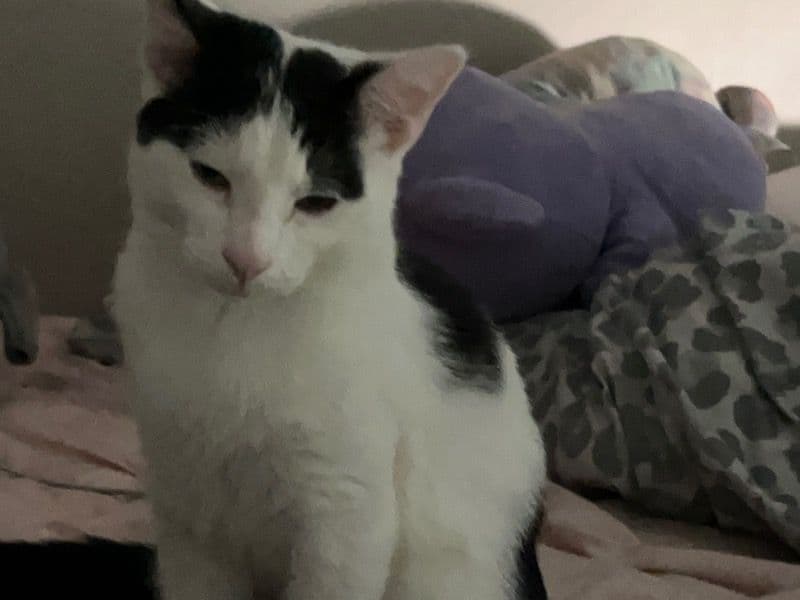
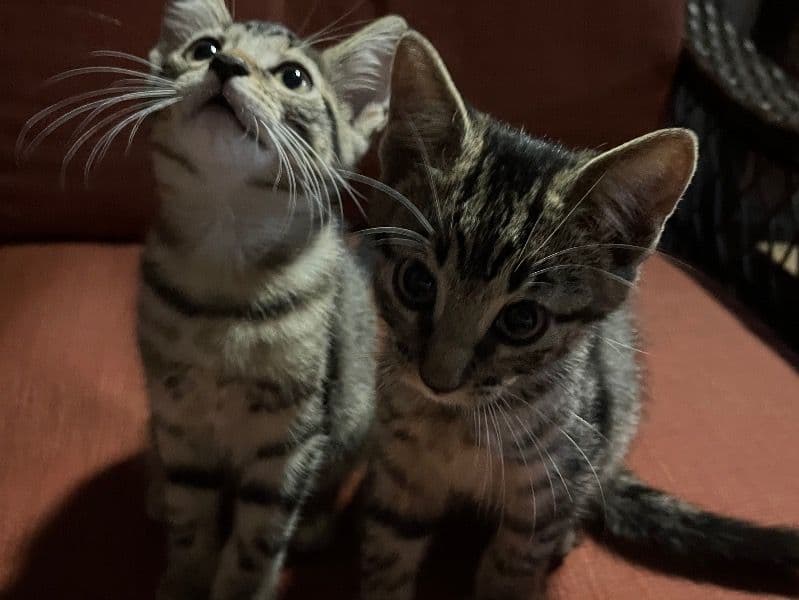
No. It is a description rather than a breed: any short-coated cat with no pedigree ancestry. The Cat Fanciers' Association shows these cats in its Household Pet class, where they are judged on condition, appearance and personality instead of against a written breed standard.
03
What is the difference between a domestic shorthair and an American Shorthair?
An American Shorthair is a recognized breed with a written standard and a pedigree. A domestic shorthair has neither. The two are often confused, and a seller pricing an ordinary domestic shorthair as an American Shorthair is charging you for paperwork that does not exist.
04
Do domestic shorthair kittens come with papers?
No. There is no pedigree and no breed registration, because there is no breed. What a seller should give you is veterinary paperwork: vaccination dates, deworming records, a retrovirus test result and microchip transfer details.
05
At what age should a kitten leave its mother?
Twelve weeks. Kittens are still learning bite control and social behavior from their mother and littermates well past weaning, and the vaccination course is not finished before then. A kitten offered at six or seven weeks is a warning sign.
06
When is a kitten fully vaccinated?
Only after the booster given at or after 16 weeks of age. The FVRCP course starts at 6 to 8 weeks with boosters every 3 to 4 weeks, and antibodies from the mother can block the earlier doses. A seller calling a 12-week kitten fully vaccinated is mistaken.
07
Should a kitten be tested for FeLV and FIV before I buy?
Yes, and ask for the result in writing. The AAFP recommends knowing the retrovirus status of every cat at risk of infection. There is also no FIV vaccine sold in the United States or Canada, so a test is the only way to know.
08
What paperwork should a kitten seller give me?
Ask for vaccination dates with the product used, deworming dates, and a written FeLV and FIV test result. You also want the microchip number with its transfer paperwork. Finally, get the name and phone number of the veterinary practice that did the work, then call and have the records confirmed.
09
How do I spot a kitten scam?
The clearest signal is pressure to pay before you have seen the kitten live on video. In the Better Business Bureau's pet scam study, cats made up 12 percent of reports and the median loss was $750. Requests for payment by app transfer or gift card, and fees that appear after you have paid, are the common patterns.
10
Is it cheaper to adopt than to buy?
Usually, and the fee covers more. A shelter or rescue fee commonly includes spay or neuter, vaccinations and a microchip, which a private seller may not have done. On Petmeetly, more owners are rehoming domestic shorthairs than selling them.
11
How big will a domestic shorthair kitten get?
Nobody can tell you precisely, and any seller who does is guessing. With no breed standard behind the cat, adult size, coat and temperament are not predictable from a kitten photo. Most domestic shorthairs settle between 8 and 12 pounds.
12
What does a domestic shorthair cost in its first year?
Far more than the purchase price. Once food, litter, routine veterinary care and equipment are counted, the first year of cat ownership runs into four figures. Budget for the year, not just the kitten.