On average they live longer. A 2025 study of 7,708 UK cats put cats with no pedigree ancestry at 12.01 years, against 10.56 years for pedigree cats. Having no breed also means no breed-linked inherited diseases, though any individual cat can still get sick.
That study split cats three ways, which is what makes the result useful. Cats with no purebred ancestry averaged 12.01 years, cross-bred cats 11.03, and pedigree cats 10.56. The gap between cross-bred and pedigree cats was not statistically significant, but the gap between cats with no pedigree at all and both other groups was.[3]
One correction worth making. You will often read that mixed-breed cats have stronger immune systems. That claim is not supported. What the evidence shows is a longevity difference and the absence of breed-linked inherited conditions, which is a narrower and more honest statement.
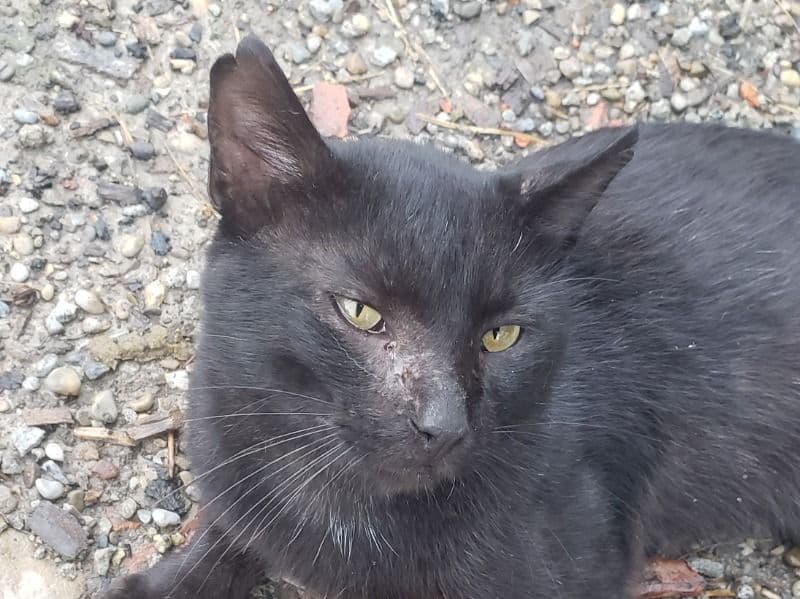
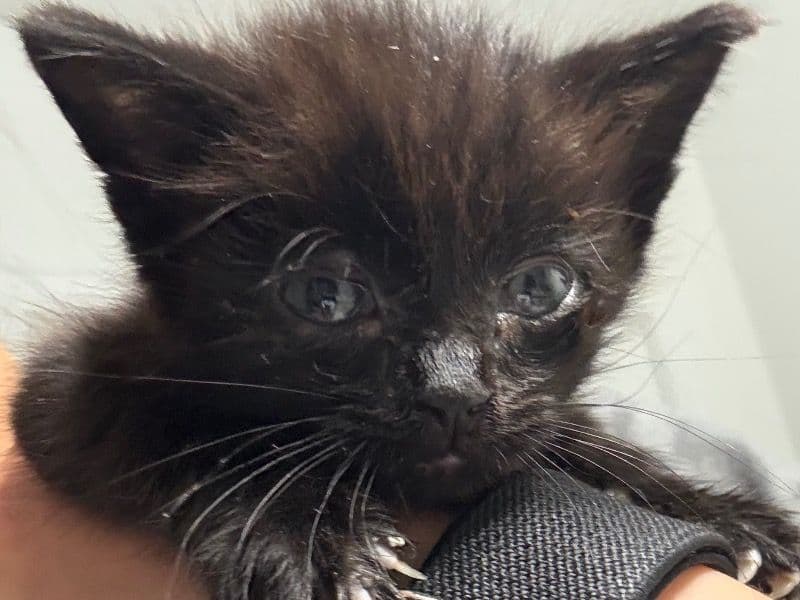
The trade-off is predictability. A pedigree cat comes with a written standard describing temperament and size. A domestic shorthair does not, because the Household Pet class judges these cats on condition, appearance and personality instead of against any standard.[4] You cannot look up what your cat will be like. You have to meet it.
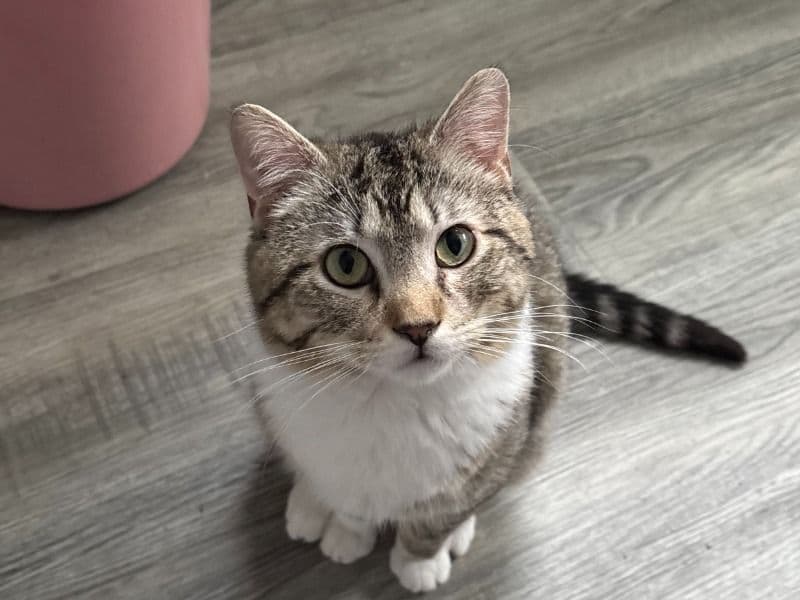
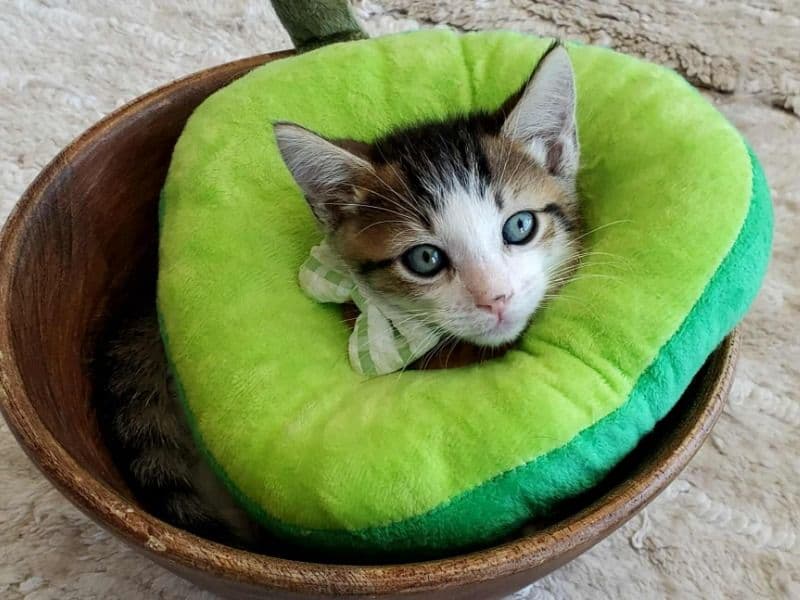
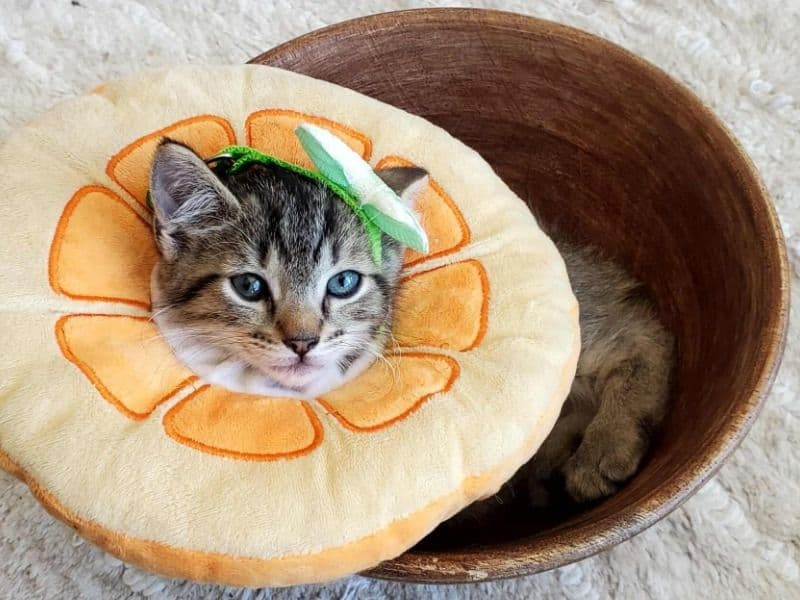
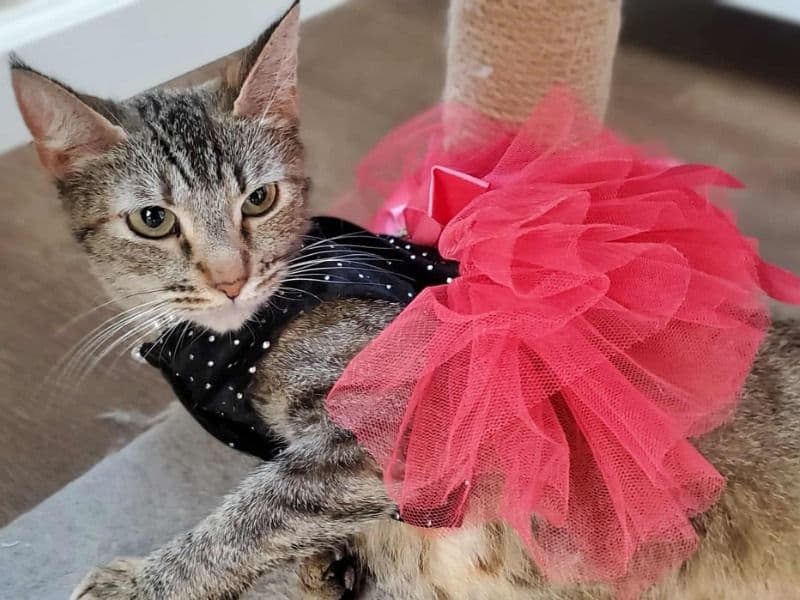
The same goes for coat descriptions. A tabby is a cat with a striped or blotched pattern, not a breed, and tabby markings turn up across cats with no relation to each other. The pattern tells you nothing about temperament.
When you are adopting an adult, that is an advantage rather than a problem. The cat in front of you has already grown up.