PetmeetlyPetmeetly
Find a match
Dog Breeders & Stud Dogs
Dogs For Sale
Dogs For Adoption
Cat Breeders & Stud Cats
Cats For Sale
Cats For Adoption
Rabbit Breeders
Rabbits For Sale
Rabbits For Adoption
Small Pet Breeders
Small Pets For Sale
Small Pets For Adoption
How It Works
Pet Blogs
Testimonials
About Us
Find a match

Dogs & Puppies

Dog Breeders & Stud DogsDogs For SaleDogs For Adoption

Cats & Kittens

Cat Breeders & Stud CatsCats For SaleCats For Adoption

Rabbits

Rabbit BreedersRabbits For SaleRabbits For Adoption

Small Pets

Small Pet BreedersSmall Pets For SaleSmall Pets For Adoption

Resources

How It WorksPet BlogsTestimonialsAbout Us
Find a MatchSign In
Petmeetly

Your platform for finding the perfect pet companion. Connect with pet owners and discover loving pets looking for homes.

App StoreGoogle Play

Quick Links

  • Home
  • How It Works
  • About Us
  • Editorial Team & Reviewers
  • Blog
  • Privacy Policy
  • Trust & Safety

Dogs

  • Dog Breeders
  • Dogs for Adoption
  • Dogs for Sale

Cats

  • Cat Breeders
  • Cats for Adoption
  • Cats for Sale

Rabbits

  • Rabbit Breeders
  • Rabbits for Adoption
  • Rabbits for Sale

Small Pets

  • Small Pet Breeders
  • Small Pets for Adoption
  • Small Pets for Sale

© 2026 Petmeetly. All rights reserved.

PrivacyTerms
A relaxed adult blue British Shorthair cat settled on a sofa at home
129+ British Shorthair cats looking for new homes

British Shorthair Cats for Adoption

With a breed that takes five years to finish growing up, an adult tells you the truth.

See cats near youIs it really a lap cat?
  1. Home
  2. /
  3. Cat Adoption
  4. /
  5. British Shorthair

British Shorthair cats looking for new homes

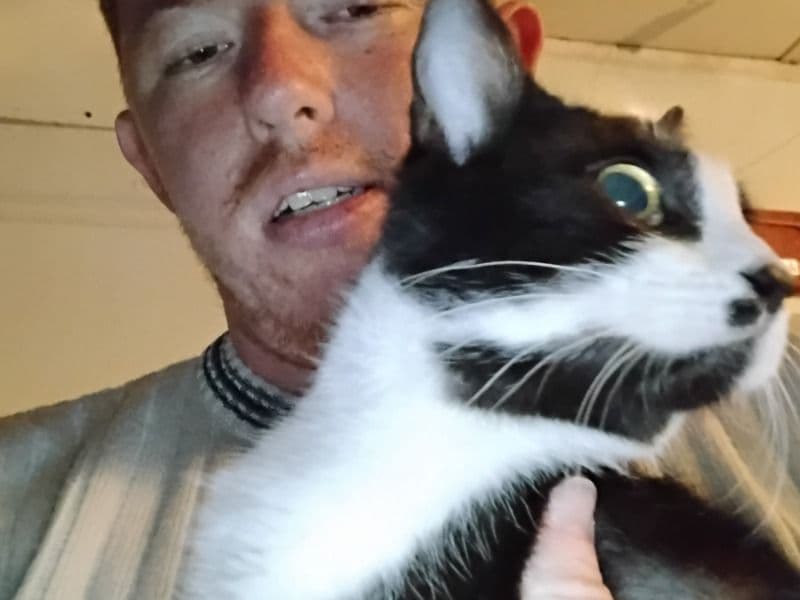
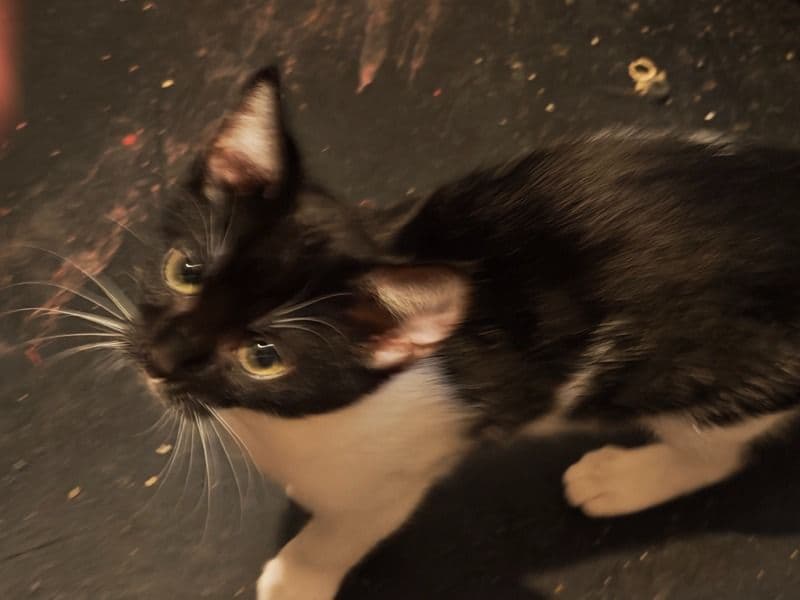
Batman - British Shorthair | Petmeetly

Batman

British Shorthair

1 year 9 months old,male
Duval County, Florida, US
Neutered
Sign Up to Connect
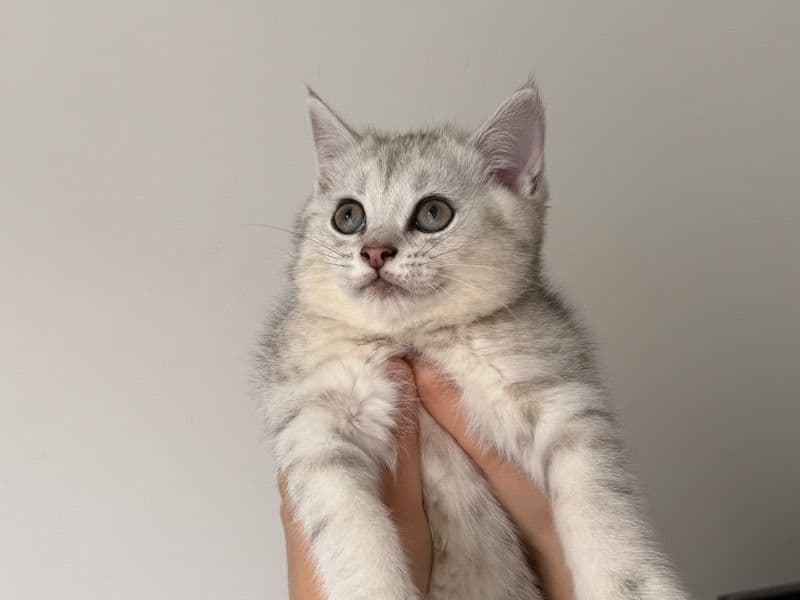
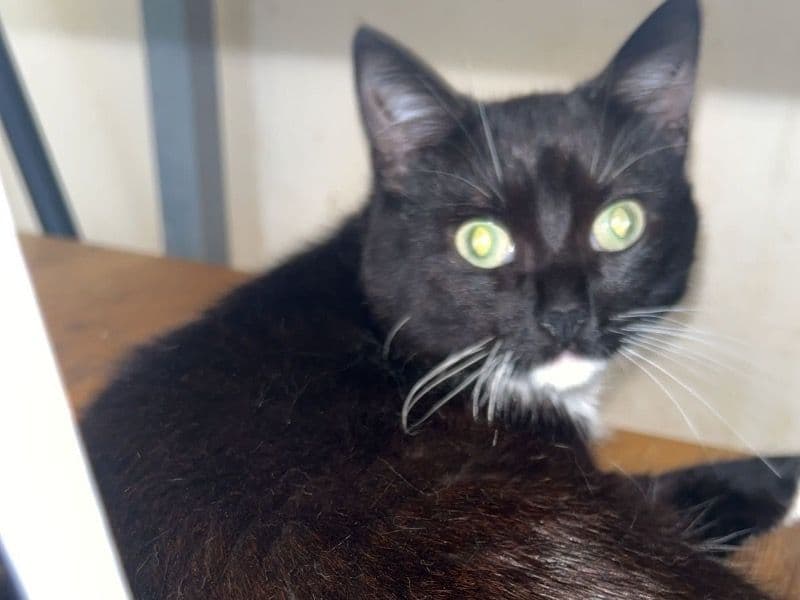
Tiger - British Shorthair | Petmeetly

Tiger

British Shorthair mix

4 months old,male
Hamilton, Ontario, CA
Vaccinated
Adoption Fee: $800.00
Sign Up to Connect
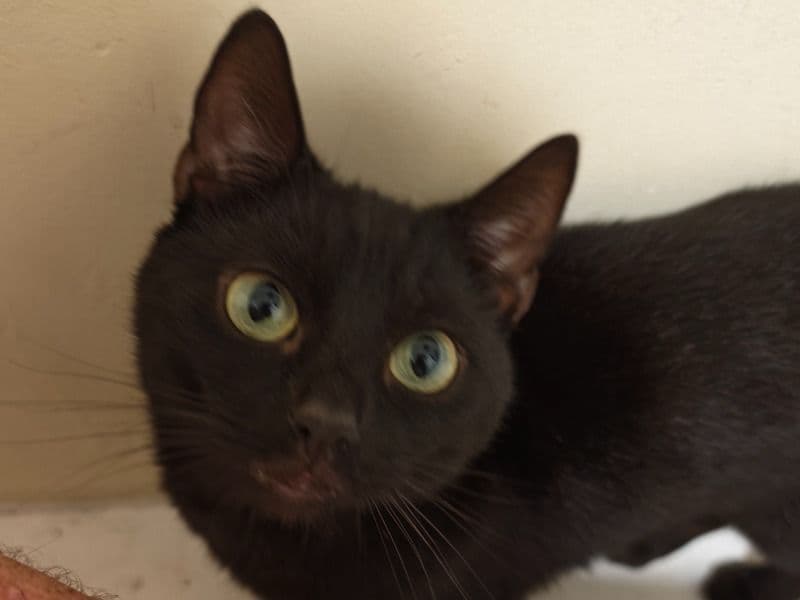
Gizmo - British Shorthair | Petmeetly

Gizmo

British Shorthair

1 year 11 months old,male
Blackburn with Darwen, England, GB
Adoption Fee: $30.00
Sign Up to Connect
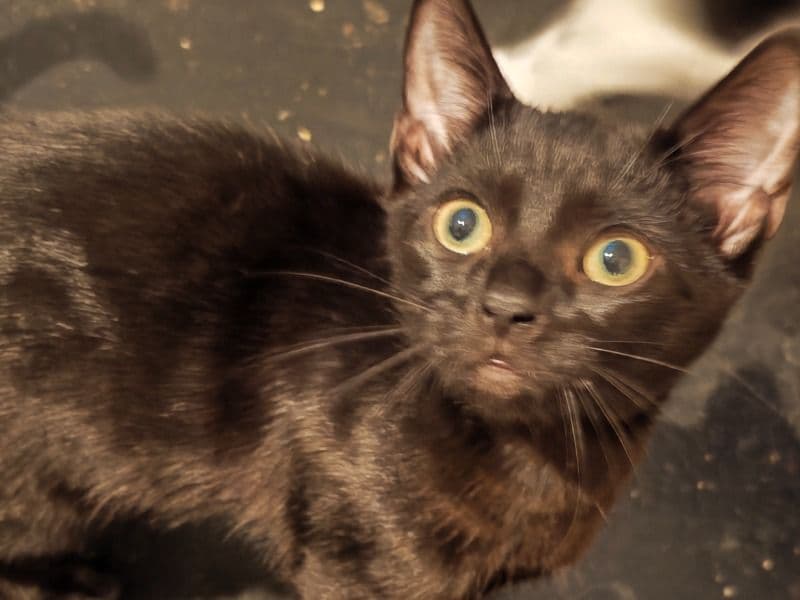
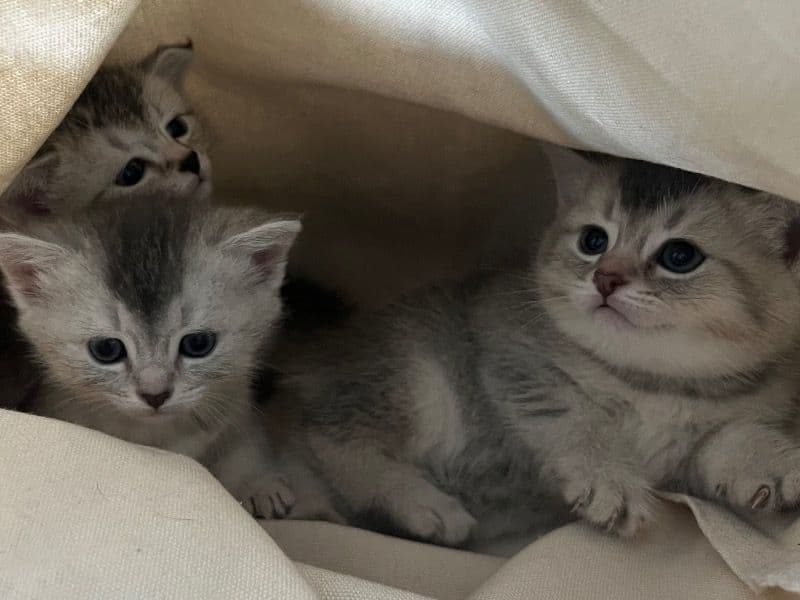
Kittens - British Shorthair | Petmeetly

Kittens

British Shorthair mix

1 year old,female
Metro Vancouver, British Columbia, CA
Adoption Fee: $500.00
Sign Up to Connect
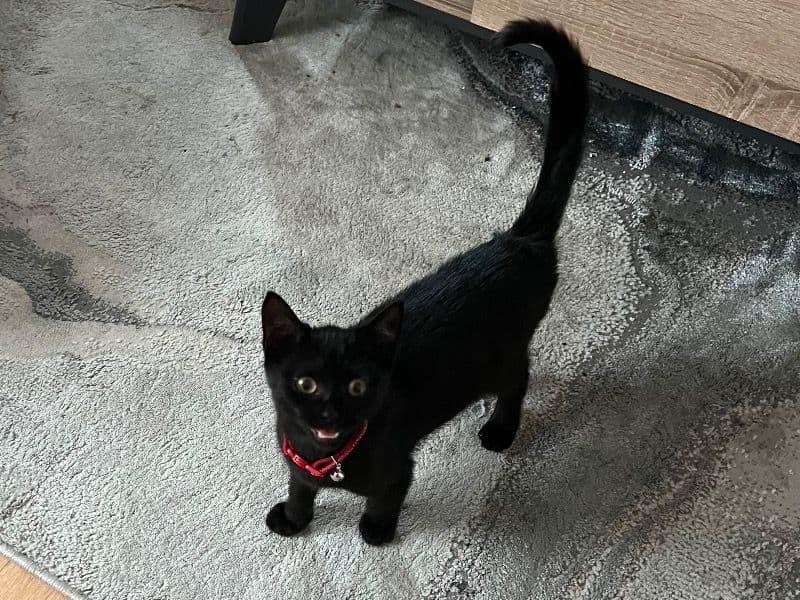
Bagyra - British Shorthair | Petmeetly

Bagyra

British Shorthair mix

1 year 3 months old,male
Kent, England, GB
Adoption Fee: $30.00
Sign Up to Connect
Azul - British Shorthair | Petmeetly

Azul

British Shorthair

2 years 5 months old,male
Tyne and Wear, England, GB
Adoption Fee: $40.00
Sign Up to Connect
Milo - British Shorthair | Petmeetly

Milo

British Shorthair

3 years 1 month old,male
City of Campbelltown, New South Wales, AU
VaccinatedPedigreeNeutered
Sign Up to Connect
Lily - British Shorthair | Petmeetly

Lily

British Shorthair

2 years 1 month old,female
Montérégie, Québec, CA
VaccinatedNeutered
Sign Up to Connect
See every British Shorthair cat

British Shorthair cats for adoption are usually adults, and with this breed that is an advantage. It takes three to five years for one to finish maturing, so a kitten is a forecast and an adult is a fact.[4] You can meet the cat, see how it takes being handled, and know what you are getting. The cats above are listed by their current owners.

Adopting a British Shorthair, at a glance

Who is rehoming
Mostly private owners. 16% of UK cats come from a neighbour, friend or family member
Why they are rehoming
74% of relinquishments are about the owner's circumstances, not the cat
Age at full maturity
3 to 5 years, so an adult is a settled, known animal
Temperament
Calm and tolerant rather than cuddly. Least active of 19 breeds studied
Main weight risk
48% of adults are overweight or obese, and that is what a new owner can change
Time to settle in
Several weeks is normal. Keep a new cat indoors for the first two to three weeks

The quick version. Every figure is explained and sourced in the sections below.

Why do British Shorthairs need new homes?

Short answer

Almost always because of the owner, not the cat. In a study of 2,755 relinquished cats, 74% were given up for owner-related reasons: health, housing, money or time. Pedigree cats are no exception. In the UK, 21% of people who gave up a cat said they could not afford to keep it.

That study broke the reasons down. The owner’s own health came first at 32%, then housing at 26%, then the cat’s behaviour at 25%, lack of interest at 11% and lack of time at 4%.[2]

Housing is the one people discuss least. More than half a million UK households cannot have a cat because of a landlord rule, according to Cats Protection.[1] A house move can end a home that was working perfectly well.

Taking a cat on from another owner is also ordinary. In the UK, 16% of cats were taken on from a neighbour, family member or friend.[1] That is roughly one cat in six, arranged directly between two people.

Pedigree cats are now part of that picture. For the first time, over half of the cats acquired in the UK in the last 12 months were pedigrees, at 51%.[1] As more people buy pedigree kittens now, more pedigree adults will need homes in a few years.

What the numbers do not say. Nothing in the relinquishment data suggests a rehomed pedigree is a defective one. A good cat usually loses its home because something happened to its owner.[2] Ask why, listen to the answer, and take the history seriously.

Are you the one who needs to rehome a cat? Our guide to rehoming a pet responsibly covers how to do it well.


Will an adult British Shorthair bond with me?

Short answer

Yes. In a study following 168 adult-cat adoptions, 99% of adopters still intended to keep the cat six to twelve months later and 88% described themselves as very attached. Attachment scores were no different between people who adopted adults and people who adopted kittens. Adult cats do form new bonds.

The same study reports one thing that cuts the other way. Adult adopters were less likely than kitten adopters to say they were very satisfied, 78% against 89%.[3] At follow-up, 7% of the cats were no longer with the adopter and 2% had been returned.[3] They were equally attached, a little less delighted, and just as likely to keep the cat.

This breed handles a household change better than most. In a survey of 5,726 cats across 19 breeds and breed groups, British Shorthairs had the lowest probability of aggression.[5] They were also among the least likely to have a behaviour problem their owner flagged.[5] A calm cat that does not startle easily is a good candidate for a second home.

Is a British Shorthair a lap cat?

Short answer

Usually not, and with an adult you can check before you commit. The breed’s own US registry tells owners to teach children that these cats “are not fond of being carried around”. They like company without contact: in the same room, often following you, but not on your lap and not keen on being picked up.

The CFA (Cat Fanciers’ Association, the largest US pedigree cat registry) is unusually blunt about it. British Shorthairs “enjoy supervising you from a nearby distance” and will “wait for an invitation to sit on the couch beside you rather than jumping into your lap”.[4] They are “most comfortable keeping all four feet on the floor”.[4]

A large owner survey agrees. Across 5,726 cats in 19 breeds and breed groups, British Shorthairs had the highest probability of decreased contact with people, and they were the least active breed in the study.[5]

The part that usually gets left out. The same survey put British Shorthairs among the least aggressive breeds it measured.[5] Low contact-seeking is not unfriendliness. A cat that keeps its distance is not a cat that objects to you.

This is where adopting an adult pays. Someone buying a kitten is buying a forecast. You can pick this cat up and see what it does. Cats vary within a breed, and with an adult you are choosing the individual rather than the average.

Six things to ask the current owner

  • Does it like being picked up? The answer varies cat by cat, and the owner already knows it.
  • Where does it sleep? A bed, a lap or its own high perch each tell you something different.
  • How is it with children? The CFA calls the breed “extremely patient” with them.
  • How is it with dogs and other cats? The CFA says it adjusts easily but “may become top cat”.
  • What does it do when visitors arrive? This is the question that predicts your first fortnight.
  • How does it react to noise? The CFA warns they “may withdraw during periods of loud activity”.

Quoted descriptions come from the CFA breed profile.[4]

If what you actually want is a cat that sits on you, a Ragdoll suits that better. Adopting an adult means you can tell the difference before you decide.

Meet British Shorthair cats near you

What you are taking on

An adult arrives with a history. That is an advantage for some things and a blind spot for others.

What an adult shows you that a kitten cannot

  • The finished temperament, not a forecast of one
  • The finished size, which this breed does not reach until about three years
  • Whether the cat is already overweight
  • How it behaves around other animals in a real home
  • Any health condition that has already shown itself
  • Its actual routine: food, litter, sleeping spots, hiding places

Four things to ask about, and why

  • 1Heart. HCM (hypertrophic cardiomyopathy, a thickening of the heart muscle) is the breed’s main concern. A screening study of 329 British Shorthairs found it in 8.5% overall, but in 20.4% of the males, at a median age of 2.7 years.[6] Ask whether this cat has ever had a heart scan. There is no DNA test for HCM in this breed, so any “HCM clear” certificate tested mutations that belong to Maine Coons and Ragdolls.[7] Only a scan counts.
  • 2Kidneys. Ask whether the cat or its parents were tested for PKD (polycystic kidney disease, inherited cysts that slowly damage the kidneys). The GCCF (Governing Council of the Cat Fancy) is the UK pedigree cat registry. Since March 2025 it has required PKD results for both parents before it will register a kitten as active.[8] A cat born before then was never covered by that rule.
  • 3Weight. Among 2,540 British Shorthairs at Australian vet clinics, 48% of the adults were overweight or obese.[9] Ask what the cat weighs and what its body condition score is, which is the 1 to 9 scale vets use to grade fat cover. This is the one thing a new owner can genuinely change.
  • 4Teeth and eyes. A 2025 review of UK purebred cat welfare flags dental crowding in flat-faced breeds, along with eye problems such as entropion, an eyelid that rolls inward. It names the British Shorthair as the UK’s most popular pure breed.[10] Ask to look in the mouth and at the eyes.

Lifespan, honestly. UK veterinary records give British cats a life expectancy at birth of 9.58 years, against 11.74 years for UK cats overall.[11] Two caveats come with that number. The record group combines British Blue and British Longhair, and life expectancy at birth counts the cats that die young.[11] It is not the age a healthy adult reaches, and an adult has already passed the riskiest stretch.

The Persian connection is real. The CFA records that breeders crossed British Shorthairs to Persians after both World Wars to rebuild the type.[4] If you want the flatter face and the long coat, look at Persian cats instead. The Scottish Straight is a closer relative still, and people mix the two up often.

How long does it take an adopted cat to settle?

Short answer

Expect weeks, not days. International Cat Care advises keeping a new cat indoors for at least two to three weeks, and says some cats take several weeks to feel safe. Early hiding is normal, and a nervous cat may only eat and use the litter tray at night at first.

Hiding comes first, and it is not rejection. International Cat Care warns that a new cat may only eat and use the litter tray in the middle of the night for the first few days.[12] A very anxious one may not do even that for the first twenty-four hours.[12] None of it means the cat is unhappy with you.

Set the first room up like this

  • One quiet room to start, with somewhere to hide
  • The litter tray well away from the food and water
  • The cat’s own bedding and its usual litter, unwashed
  • The same food it was eating before, for the first fortnight
  • Contact on the cat’s terms, and no picking it up in week one
  • Indoors for the first two to three weeks[12]

About the “3-3-3 rule”. You will see it everywhere: three days to stop hiding, three weeks to settle, three months to feel at home. It is folk wisdom. No research supports it, and cats do not settle on a schedule. International Cat Care says some take several weeks to feel safe, and that is the honest version.[12]

Indoors or outdoors. International Cat Care says plainly that there is “no right or wrong answer”.[13] Indoor-only cats are more likely to become obese, and cats with outdoor access tend to sit closer to an ideal weight.[13] Most people keep a valuable, low-activity cat indoors. If you choose indoors, you are taking the weight management on yourself. This breed already carries the risk.[9]

What is a fair rehoming fee?

Short answer

There is no standard figure, and anyone quoting one is guessing. A fee usually reflects what the current owner already paid for neutering, vaccination and microchipping. It also does a quieter job: a cat advertised free attracts people who resell pedigree animals, and a fee filters them out.

We are not printing a range, and here is why. We went looking for reliable data on private rehoming fees for pedigree cats and did not find any. Charity adoption fees are published, but that is a different transaction with a different cost base. Inventing a number would be worse than saying so.

What should come with the cat

  • The vaccination record, with dates
  • The microchip number and its registry, plus the transfer into your name. A microchip is a rice-grain implant that links the cat to a registry record.
  • Neutering status, in writing
  • Any registry paperwork, including PKD results
  • Any heart scan report
  • An honest account of temperament and health

The number that actually matters is the running cost. The PDSA, a UK veterinary charity, puts the minimum cost of owning a cat at about £79 a month, before any illness or injury.[14] Set-up costs add about £366 at the start. Over a whole life the total comes to £11,400 to £13,600.[14]

Set on a kitten instead? See British Shorthair kittens for sale. If you want a settled adult cat without the pedigree price, look at a domestic shorthair cat.

British Shorthair Adoption FAQ

01

Can you adopt a British Shorthair?

Yes. Most British Shorthairs that need a new home are adults listed by their current owners. In the UK, 16% of cats are taken on from a neighbour, family member or friend. Going direct to the owner is an ordinary route, not a last resort.

02

Why do people rehome British Shorthairs?

Almost always because of the owner's circumstances. In a study of 2,755 relinquished cats, 74% of the reasons were owner-related, led by the owner's own health at 32% and housing at 26%. In the UK, 21% of people who gave up a cat said they could not afford to keep it.

03

Will an adult British Shorthair bond with a new owner?

Yes. In a study of 168 adult-cat adoptions, 99% of adopters still intended to keep the cat six to twelve months later, and 88% described themselves as very attached. Attachment scores were no different between people who adopted adults and people who adopted kittens.

04

Do British Shorthairs like being picked up?

Usually not. The Cat Fanciers' Association tells owners to teach children that these cats are not fond of being carried around. It also says they are most comfortable keeping all four feet on the floor. They like company in the same room without being held.

05

How long does it take a British Shorthair to settle into a new home?

Expect weeks rather than days. International Cat Care says some cats take several weeks to feel safe, and advises keeping a new cat indoors for at least two to three weeks. Early hiding is normal, and a nervous cat may only eat and use the litter tray at night.

06

What should I ask the current owner before adopting?

Ask whether the cat likes being picked up, where it sleeps, and how it behaves around children, dogs and visitors. Then ask for the vaccination record, the microchip number, the neutering status, and whether the cat has ever had a heart scan.

07

How long do British Shorthairs live?

UK veterinary records give British cats a life expectancy at birth of 9.58 years, against 11.74 years for UK cats overall. Two caveats matter. That record group combines British Blue and British Longhair. Life expectancy at birth also counts the cats that die young, so it is not the age a healthy adult reaches.

08

Are British Shorthairs good with children and dogs?

The Cat Fanciers' Association calls them extremely patient with children, though it warns they may withdraw during loud activity. It says they adjust easily to a dog, but may become top cat in the household. With an adult, the current owner can tell you what actually happens.

09

What health problems do British Shorthairs have?

Hypertrophic cardiomyopathy, a thickening of the heart muscle, is the main breed concern. Screening 329 British Shorthairs by heart scan found it in 8.5% overall and in 20.4% of the males. Weight is the other big one, with 48% of adults in an Australian study overweight or obese.

10

Should a British Shorthair be kept indoors?

International Cat Care says there is no right or wrong answer. Indoor-only cats are more likely to become obese, while cats with outdoor access tend to sit closer to an ideal weight. Most owners of this quiet, valuable breed choose indoors, which makes weight management your job.

11

What is a reasonable rehoming fee for a British Shorthair?

There is no standard figure. We looked for reliable data on private rehoming fees for pedigree cats and found none, so we are not printing a range. A fee usually reflects the neutering, vaccination and microchipping the current owner already paid for, and it deters people who resell pedigree cats.

12

How much grooming does a British Shorthair need?

Very little. The coat is short and dense, and the Cat Fanciers' Association says a quick weekly combing or brushing is enough for most owners. Expect shedding all the same, because the coat is very dense.

Sources

  1. Cats Protection, CATS Report 2025, Cats and Their Stats UK (16% of cats are taken on from a neighbour, family member or friend; 38% are bought; for the first time over half of cats acquired in the last 12 months are pedigrees, at 51%; over half a million UK households cannot have a cat because of landlord restrictions; 21% of people who gave up a cat said they could not afford to keep it)
  2. Jensen et al. (2020), Animals 10(6):1064, reasons for relinquishment at a Danish animal shelter, 2,755 cats over 1996 to 2017 (74% of cat relinquishment reasons were owner-related and 26% cat-related; owner health 32%, housing 26%, behaviour 25%, lack of interest 11%, lack of time 4%)
  3. Zito et al. (2015), Animals 5(4):1329-1352, outcomes for 168 adult cats and 98 kittens adopted from an Australian shelter and followed for 6 to 12 months (99% of adopters still intended to keep the cat; 88% very attached; no difference in attachment score between adult and kitten adopters; 78% of adult adopters very satisfied against 89% of kitten adopters; 7% of cats no longer with the adopter; 2% returned)
  4. Cat Fanciers' Association, British Shorthair breed profile and standard ("This breed takes a full 3-5 years to reach full maturity"; children should be taught that these cats "are not fond of being carried around"; they "wait for an invitation to sit on the couch beside you rather than jumping into your lap" and are "most comfortable keeping all four feet on the floor"; "extremely patient" with children but "may withdraw during periods of loud activity"; adjusts to a dog but "may become top cat"; a quick weekly combing is usually enough; Persian crosses were used to rebuild the breed after both World Wars)
  5. Salonen et al. (2019), Scientific Reports 9:7949, breed differences in behaviour across 5,726 cats in 19 breeds and breed groups (British Shorthairs had the highest probability of decreased contact with people, were the least active breed, had the lowest probability of aggression, and were among the least likely to have an owner-reported behaviour problem)
  6. Granstrom et al. (2011), Journal of Veterinary Internal Medicine 25(4):866-871, prevalence of hypertrophic cardiomyopathy in 329 British Shorthairs screened by echocardiography (8.5% HCM-positive overall, 20.4% of males against 2.1% of females, median age at diagnosis 2.7 years)
  7. Luis Fuentes et al. (2020), ACVIM consensus statement on the classification of feline cardiomyopathies, JVIM 34(3):1062-1077 (genetic testing for the A31P and R820W MYBPC3 mutations is not recommended outside Maine Coon and Ragdoll cats, because those two mutations are almost completely specific to those breeds; echocardiography is the diagnostic standard)
  8. GCCF (Governing Council of the Cat Fancy), British Shorthair policy and PKD testing scheme update (active registration requires PKD results for both parents, and any test submitted after 28 February 2025 must be vet verified)
  9. Murphy et al. (2023), Frontiers in Veterinary Science, bodyweight and body condition in 2,540 British Shorthair cats at Australian primary-care clinics, 2008 to 2017 (48% of the adult population was overweight or obese, made up of 40% overweight and 7% obese; middle-aged cats of 7 to 11 years were most at risk)
  10. Roberts, Foreman-Worsley, O’Neill and McDonald (2025), Animal Welfare, a framework to refocus the conversation around the welfare of UK purebred cats (the British Shorthair is the most popular pure breed in the UK, 8% of cats in the CATS Report 2024 and 25% of GCCF annual registrations; flat-faced cats may have dental crowding and malocclusion, and eye problems including entropion, conjunctivitis and corneal ulcers)
  11. Teng et al. (2024), Journal of Feline Medicine and Surgery, life tables for companion cats in the UK (life expectancy at age 0 was 9.58 years for British cats, a record group covering British Blue and British Longhair, against 11.74 years for UK companion cats overall)
  12. International Cat Care, helping your new cat or kitten settle in ("It can take some cats several weeks to feel safe in a new home"; "We recommend keeping your new cat indoors for at least two to three weeks"; a new cat may only eat and use the litter tray in the middle of the night at first)
  13. International Cat Care, should I keep my cat indoors or allow outdoor access ("There’s no right or wrong answer"; indoor-only cats are more likely to develop obesity; outdoor cats tend to be a more ideal weight than their indoor counterparts)
  14. PDSA, the cost of owning a cat (minimum monthly cost of about £79, set-up costs of roughly £366, and £11,400 to £13,600 over a cat’s lifetime, excluding illness and injury)
ByPetmeetly Editorial Team•Published August 6, 2026

Fact-checked against the CFA, International Cat Care, Cats Protection, the GCCF, the PDSA and peer-reviewed veterinary research.

British Shorthair Cats Who Found New Homes

Real stories from cat owners who found perfect companions on Petmeetly

Hey, Alisa has adopted Zeus

RJ

Rebecca Jaime

Illinois, US

My pet was successfully adopted. I’m very happy with his new home; they already love him so much. I’m very grateful to this website for that.

ES

Em Scott

New York, US

Everything went smoothly. Unfortunately, he lived too far away and had no means of transportation.

LT

Leyna Tomlinson

Florida, US

Read More Success Stories

Explore Other Cat Breeds for Adoption

Find loving cats of various breeds waiting for their forever homes

Persian for AdoptionRagdoll for AdoptionDomestic Shorthair for AdoptionAmerican Shorthair for AdoptionTabby for AdoptionMaine Coon for AdoptionBengal for AdoptionSiamese for AdoptionScottish Fold for AdoptionCalico for AdoptionDomestic Medium Hair for AdoptionSphynx for AdoptionScottish Straight for AdoptionTuxedo Cat for AdoptionRussian Blue for AdoptionBombay for AdoptionHimalayan for Adoption50+ breeds more

Take on an adult British Shorthair

129+ British Shorthair cats are registered on Petmeetly. Talk directly to the owners looking to rehome them.

See British Shorthair cats near you

No card required to sign up.