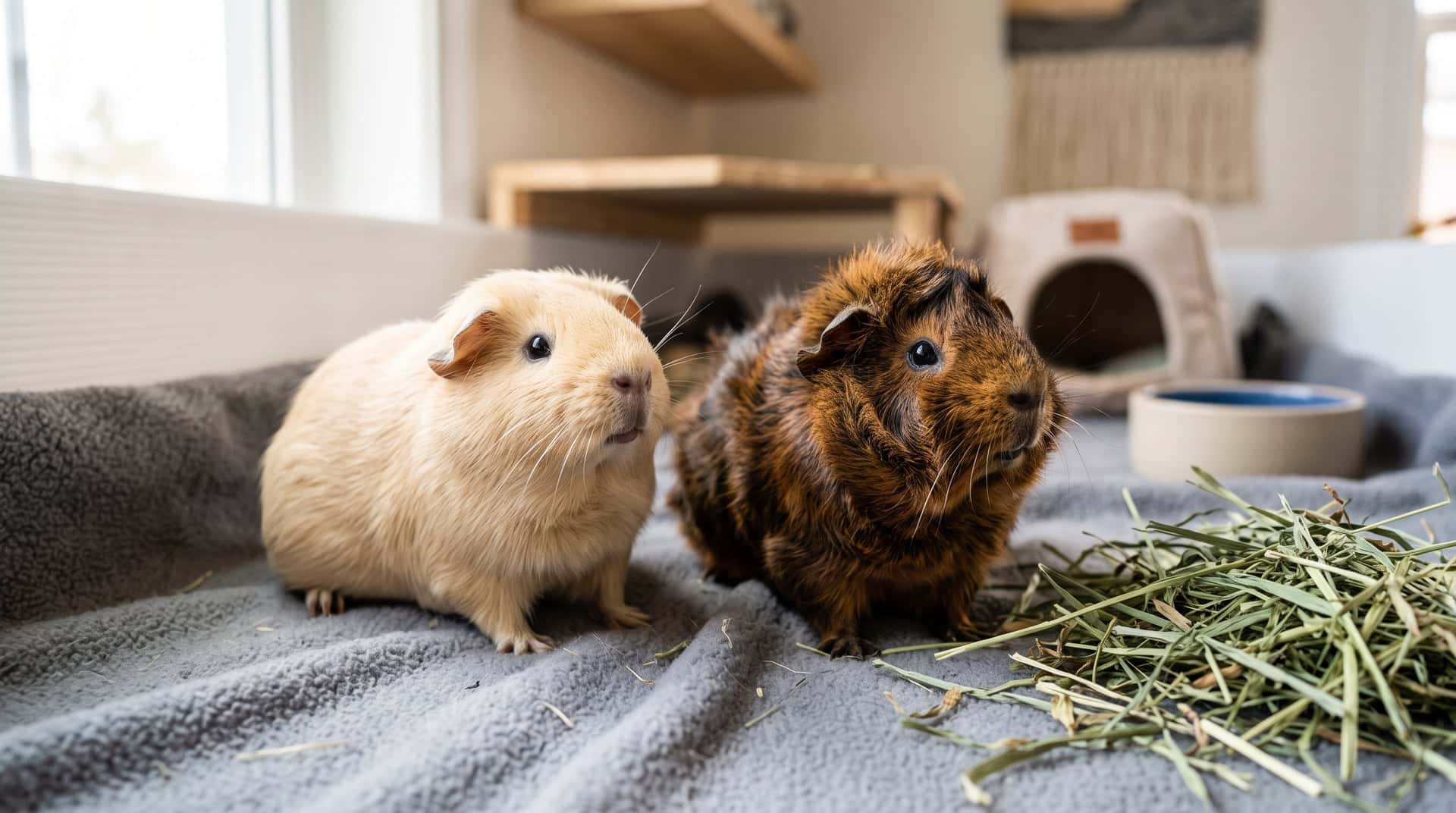
Browse guinea pigs from real owners near you, and learn the two checks to make before you pay for one.

Guinea Pig
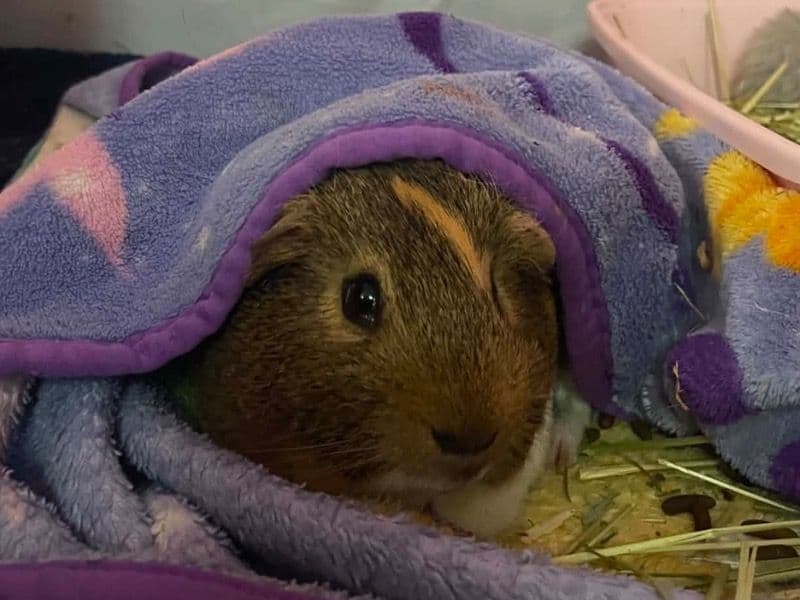
Guinea Pig
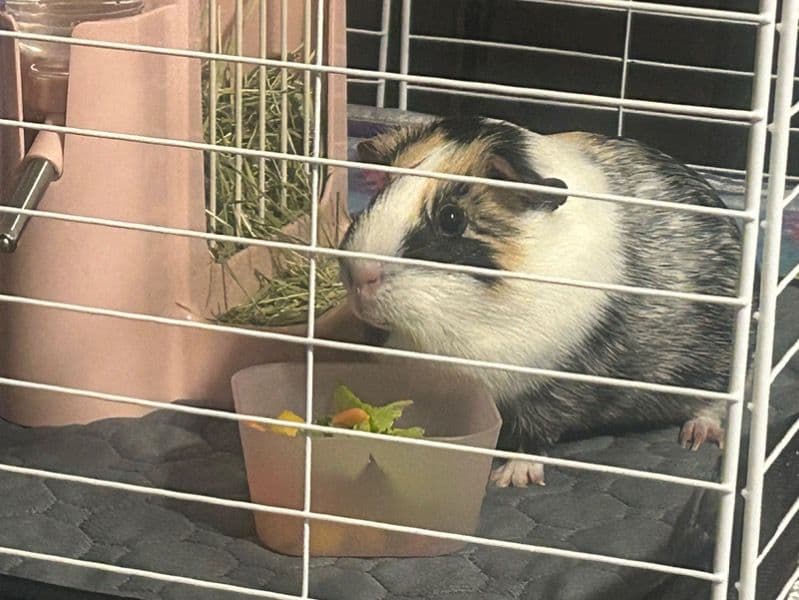
Guinea Pig
Guinea Pig
Guinea Pig
Guinea Pig
Guinea Pig

Guinea Pig
Guinea pigs for sale come from three places: chain stores, breeders called caviaries, and owners rehoming directly, like the listings above. Wherever you buy, two checks matter more than the price: confirm the sex yourself, and never take home just one. Here is how to do both, with real 2026 prices.
Short answer
Chain stores charge roughly $35 to $60. Established breeders (caviaries) list babies at $60 to $85, with rare breeds to $170. Rescues charge $30 to $65, often for a pair. Hairless skinny pigs run $100 to $300. The animal is the smallest cost: setup runs $100 to $550 before food.
Published prices, named sources
The animal is the smallest line on the receipt. Hepper’s cost guide, updated January 2026, puts startup spending at $100 to $550 and running costs at $33 to $166 a month. The cage takes most of it, at $50 to $500. The rest is small: $25 for a hidey house, $20 for a hay rack, $10 for bowls, and $7 for vitamin C.[4] A C&C cage, the grid-and-plastic setup most owners build for two pigs, sits in the middle of that cage range.
Food for two is the cost that surprises people. Chewy budgets $30 to $50 a month for pellets, $20 to $50 for vegetables, and $40 to $60 for hay, so a pair eats $90 to $160 a month.[1] Add a first visit to an exotics vet, meaning a vet who treats small pets rather than dogs and cats, at $40 to $150. Budget for the cage, not for the pig.
Breeder babies cost more for reasons you can verify. You get a pedigree, known parentage, a stated go-home age of at least four weeks, and a person to call if the pig turns out sick.[2] That is worth paying for when you want a specific breed or show stock. If you simply want two good pets, an owner rehoming an adult pair often beats both a store and a breeder on price and on certainty. Our guinea pig adoption guide covers that route.
Short answer
Mis-sexed guinea pigs are the classic guinea pig buying failure. The RSPCA warns that even pet shops and breeders get sexing wrong, and a female housed with males can be pregnant at two months old. The check takes 30 seconds: a boar’s genitals look like a dotted “i,” a sow’s like a “Y.”
Boar is the word for a male guinea pig, and sow is the word for a female. The RSPCA’s sexing page puts the problem plainly: even pet shops and breeders can get it wrong.[5] The MSD Veterinary Manual carries the same warning. Exotics specialist Laurie Hess, DVM, writes that female guinea pigs can become pregnant as early as 2 months old. She tells buyers to be careful about purchasing a female housed with males.[6]
This happens in real stores. In March 2018, a Southern California buyer took home a guinea pig from a PetSmart that stocked only females. Two weeks later the pig delivered four pups. The store manager told the local paper it was an all-girl guinea pig store.[7]
Sexing a newborn is genuinely hard. In a young female, the mother’s hormones swell the genital area; in a young male, the testes have not dropped yet.[8] Busy stores restock fast, and one missed boar can make every sow in a tank pregnant. A pig of two months or older is a different matter. Any buyer can check one in half a minute.
The 30-second check, before money changes hands
A surprise pregnancy is not a small problem. The RSPCA in Australia reports that as many as 20 percent of sows die while giving birth.[9] If it has already happened to you, move any male out today, because a sow can conceive again within hours of a birth.[9] Then get an exotics vet involved.
Short answer
Guinea pigs are herd animals, and welfare bodies say they should not live alone. Switzerland has made keeping a single guinea pig illegal since 2008. Buy two females, two brothers raised together, or a neutered male with a female. A second pig adds about 25 percent to costs, not double.
The RSPCA lists the pairings that work: a neutered boar with one or more sows, two sows, or brothers reared together.[10] A rabbit is not a substitute. Rabbits and guinea pigs eat different diets, read different body language, and a startled rabbit can injure a guinea pig with one kick.[10]
Swiss animal welfare rules in force since 2008 name guinea pigs among the social species that must be accompanied by another animal of the same species. Article 13 of the ordinance covers mice, gerbils, rats, degus, chinchillas, and ferrets as well.[11]
What the second pig actually costs
Two same-sex siblings are the easiest start. A boar and a sow means neutering the boar first, which is a vet bill on top of the purchase. Listings from owners often include bonded pairs, meaning two pigs that already live together without fighting. Taking a proven pair home saves you the work of introducing two strangers.
Run this check with the pig in your hands, before you pay. The list comes from the MSD Veterinary Manual’s guidance on selecting a guinea pig, with two additions that owners and vets both flag.[6]
Eight things to check with the pig in your hands
Then ask the two questions the same MSD guidance recommends. Has this pig been checked by a vet? And will you take it back if my vet finds it sick or pregnant?[6] Get the answer to the second question in writing, in a text message if nothing else.
One more question, about food. Guinea pigs cannot make their own vitamin C, the same gap humans have, so they need it from food every day.[14] Ask what this pig eats today and take a bag of it home with you. A sudden diet change upsets a guinea pig’s gut, so switch food slowly over a week or more.
Short answer
Good sellers look the same everywhere: a named person, animals you can visit, babies kept until at least four weeks, sexes housed separately, and take-back terms in writing. Club-affiliated caviaries add ARBA or ACBA membership and pedigrees. A seller who wants wire-transfer “shipping fees” for an unseen animal is a scam.
What a real caviary publishes
Walk away from these
The pet scam script is well documented. The Better Business Bureau logged 1,632 pet scam reports through September 2025, with a median loss of $600. Scammers escalate with extra fees: immunizations, temperature-controlled cages, or even taxes and fees from airlines.[16] Hedgehogs and sugar gliders appear in the same reports, so small pets are in that data too.
Real guinea pig sales happen at local pickup or through ground transport you arranged in advance. A 2013 federal rule ties the small-seller licensing exemption to face-to-face sales, so a legitimate hobby seller expects to meet you and hand the animal over in person.[17]
Two legal claims float around, and both are wrong. California’s AB 485 pet store ban covers dogs, cats, and rabbits only, so a California chain store selling guinea pigs breaks no law.[18] New York City did ban retail guinea pig sales, in 2023.[19] Everywhere else, you do the vetting yourself.
A rehomed adult skips most of this checklist, because the person selling the pig has lived with it. Our guinea pig adoption guide covers the questions that replace these.
The American Rabbit Breeders Association recognizes 13 cavy breeds.[20] Most pet guinea pigs in the United States are Americans or American mixes. Coat length, not breed name, is what changes your daily routine.
Coat length is the real decision
Temperament varies more between two individuals than between two breeds. Choose on coat length first, then pick the pig whose personality you like when you meet it.
Short answer
Stores are fast but anonymous: of guinea pigs surrendered in New York City with a known source, 61 percent came from pet stores. Breeders give you known genetics and take-back terms. A rehomed adult gives you the most certainty of all: verified sex, settled personality, and usually a bonded pair that already works.
A store is the fast option, and you inherit the mis-sexing risk from the section above along with no history at all. The scale of that shows up in shelter data. Of the guinea pigs surrendered to New York City’s shelter system whose owners named a source, 61 percent came from pet stores.[23]
A breeder answers the checklist above and charges more for it. This is the right route when you want a specific breed, a pedigree, or show stock, and it is the only route that comes with known parentage.
A rehomed adult removes the guesswork. You can verify the sex in front of the owner, the adult size and temperament are already visible, and the cage and supplies often come along. Prefer an adult? Our guinea pig adoption guide covers what to check and how introductions work.
The listings at the top of this page are owner to owner. That means you can ask the person who feeds the pig every morning. A store clerk cannot tell you how it behaves at night, what it refuses to eat, or who it already gets along with. Browse the small pets for sale listings if you want to compare species before you commit.
Sources
Fact-checked against the MSD Veterinary Manual, the RSPCA, Humane World for Animals, the American Rabbit Breeders Association, and the Better Business Bureau.
What buyers ask before bringing a pair home
Chain stores charge roughly $35 to $60. Breeders list babies at $60 to $85, with rare breeds to $170. Rescues charge $30 to $65, and hairless skinny pigs run $100 to $300. Setup adds $100 to $550 before food, so budget for the cage, not the pig.
Yes. They are herd animals, and welfare bodies say they should not live alone; Switzerland has banned keeping one alone since 2008. Two females, two brothers raised together, or a neutered male with a female all work. A second pig adds about 25 percent to running costs, not double.
Look at the genital area: a male's looks like a dotted "i," a female's like a "Y." Gentle pressure just above the opening pops an intact male's penis out. Check before you pay, because even pet shops and breeders get it wrong.
At least three to four weeks and fully weaned, eating hay and pellets on its own, around 150 to 200 grams. Colorado law bans selling guinea pigs under four weeks, and reputable breeders hold babies to four weeks anyway.
Bright clean eyes, a clear nose and ears, silent breathing, aligned front teeth, formed droppings, and even weight on all four feet with no sores. Check the coat too: no flakes or bald patches. Then verify the sex yourself and ask about take-back terms if a vet finds a problem.
Plan on $33 to $166 a month for one guinea pig, depending on your setup. Food alone for a pair runs $90 to $160 a month across hay, pellets, and vegetables. Unlimited grass hay is the bulk of the diet, and they also need vitamin C daily because their bodies cannot make it.
At least 10.5 square feet, about 30 by 50 inches, and bigger is better. The old pet-store starter cages are too small. Keep them indoors at roughly 65 to 75 degrees, because guinea pigs are especially prone to heat stroke.
Often, but you carry the risk: no history, no take-back terms in many cases, and a documented pattern of mis-sexed tanks. Run the same hands-on check you would run on any seller, and confirm the sex yourself before you leave.
Hairless guinea pigs are harder to breed, need warmer rooms and skin care, and are not one of the 13 show-recognized breeds, so supply is small. Expect $100 to $300 from breeders and higher adoption fees at rescues.
Real sellers do local pickup or pre-arranged ground transport. Federal rules also expect hobby sellers to hand the animal over face to face. A seller demanding wire-transfer fees for crates, insurance, or air shipping of an animal you have never seen is running the standard pet scam.
The American, the short smooth-coated classic. Long-haired breeds like the Peruvian and Silkie grow about an inch of hair a month and need daily grooming. Coat length changes your daily workload more than breed temperament does.
If you want a specific breed or show stock, buy from a vetted breeder. If you want pets, a rehomed adult pair is often the safer pick: verified sex, known personalities, and usually a bonded pair that already gets along. Read our guinea pig adoption guide for how that works.
Discover other small pets for sale and find your perfect companion
Message owners directly, run the 30-second sex check at pickup, and bring home two pigs you chose with open eyes.
No card required to sign up.