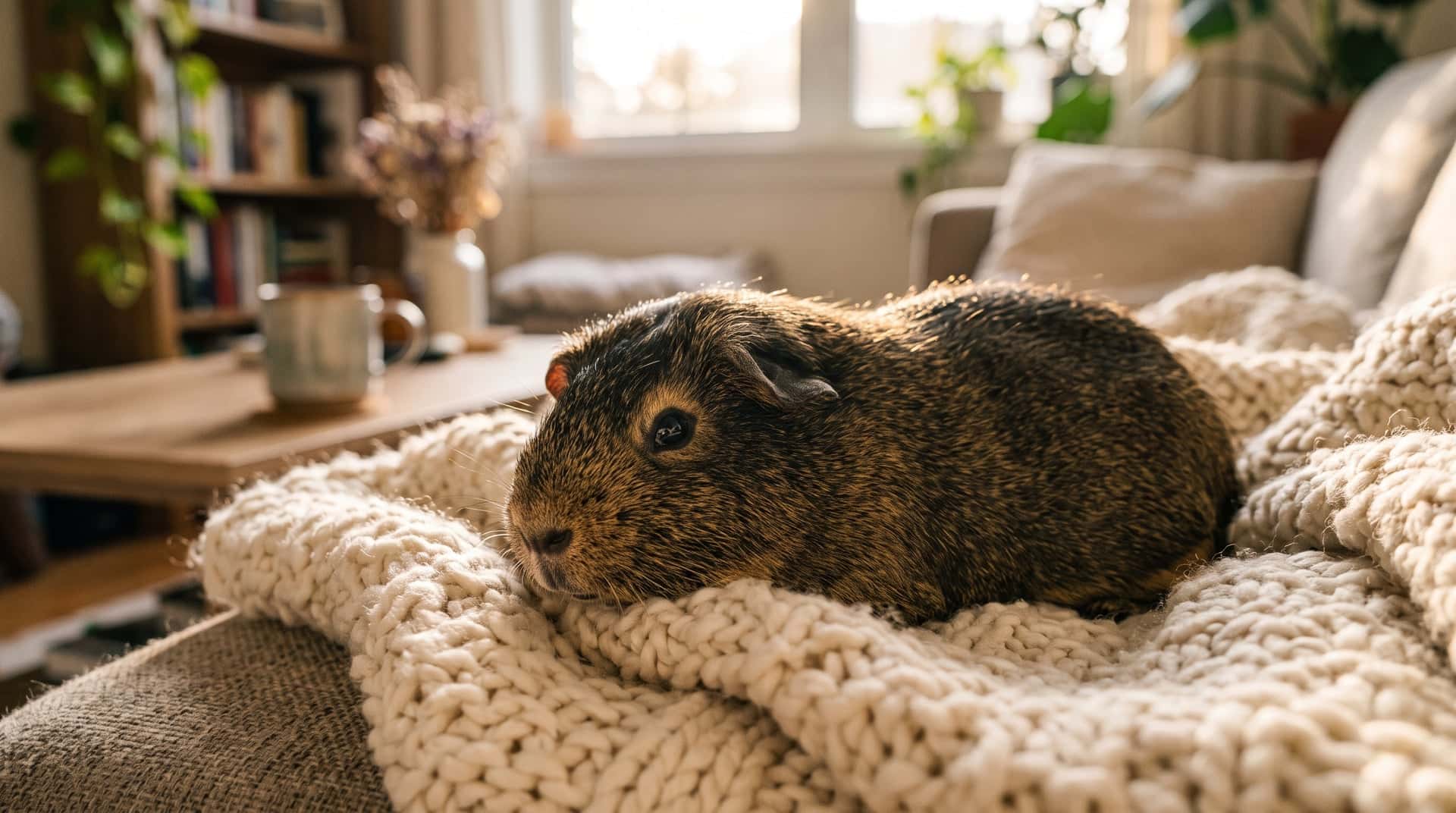
Meet adult guinea pigs whose owners are rehoming them directly, including the perfect friend for a pig who lost one.
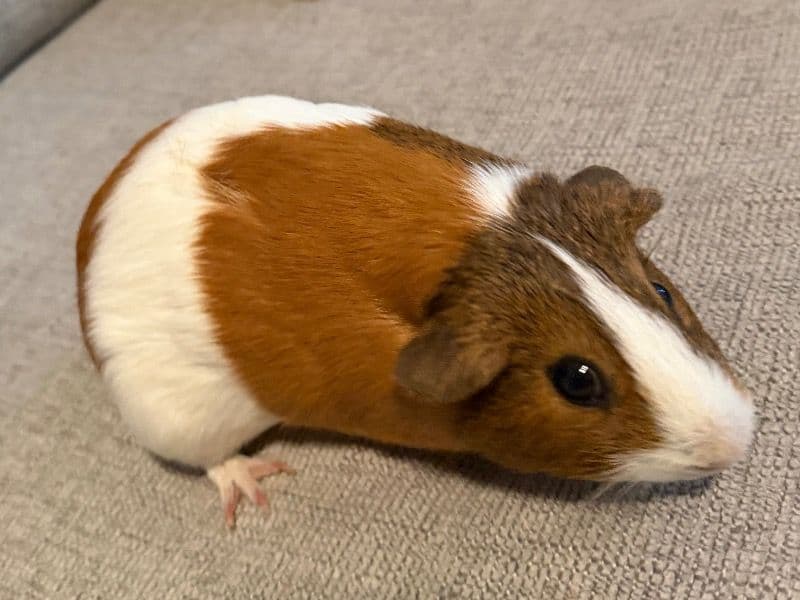
Guinea Pig
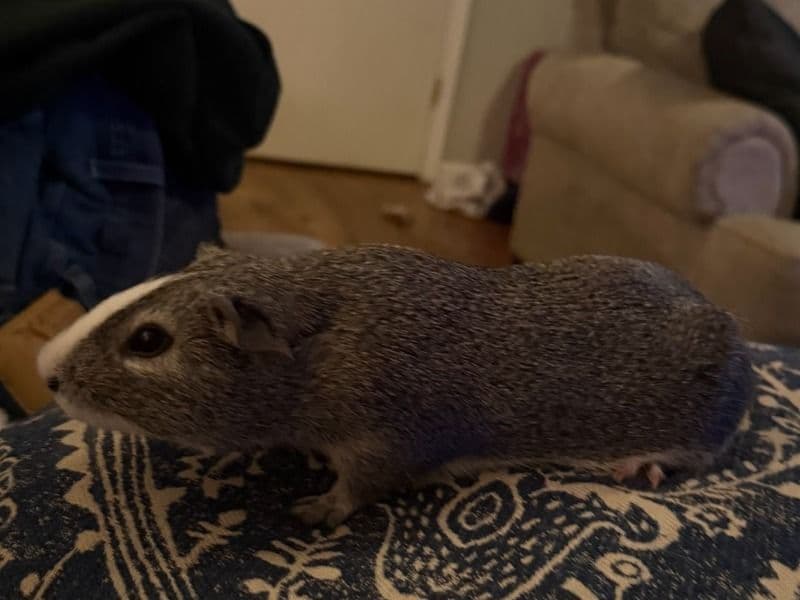
Guinea Pig
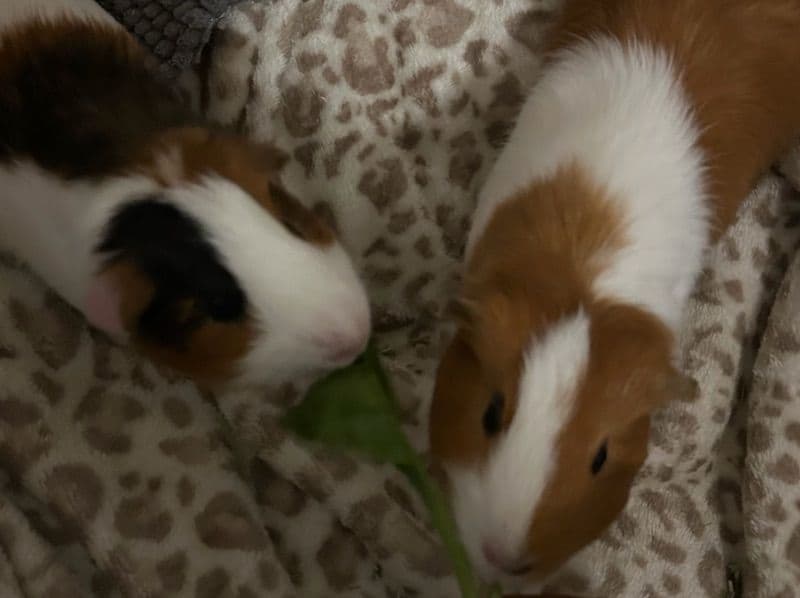
Guinea Pig
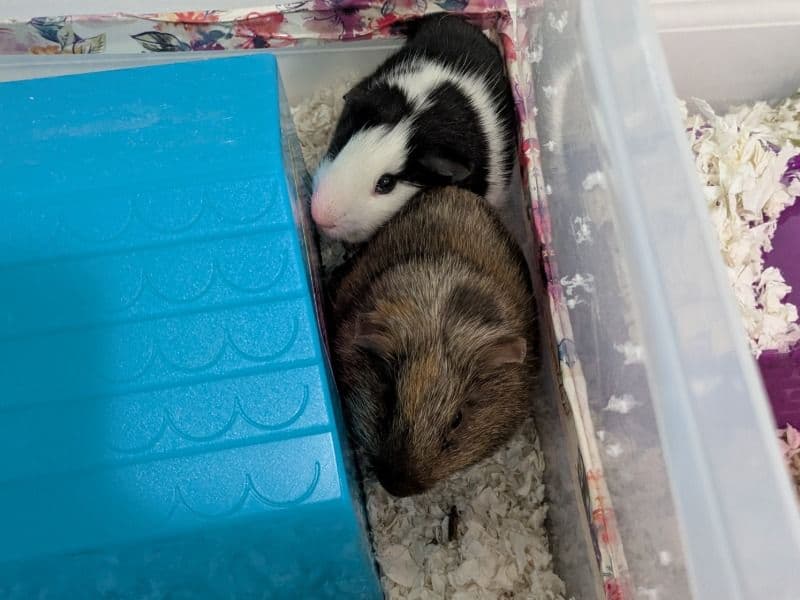
Guinea Pig
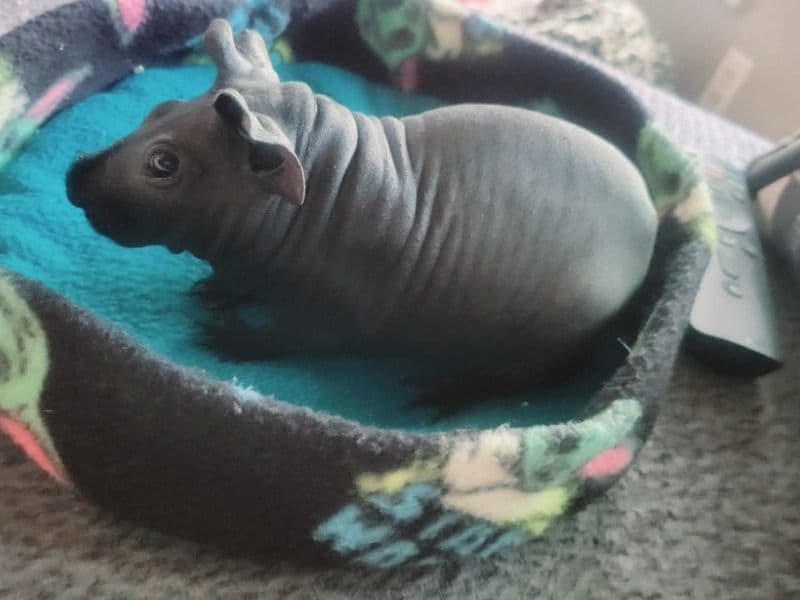
Guinea Pig
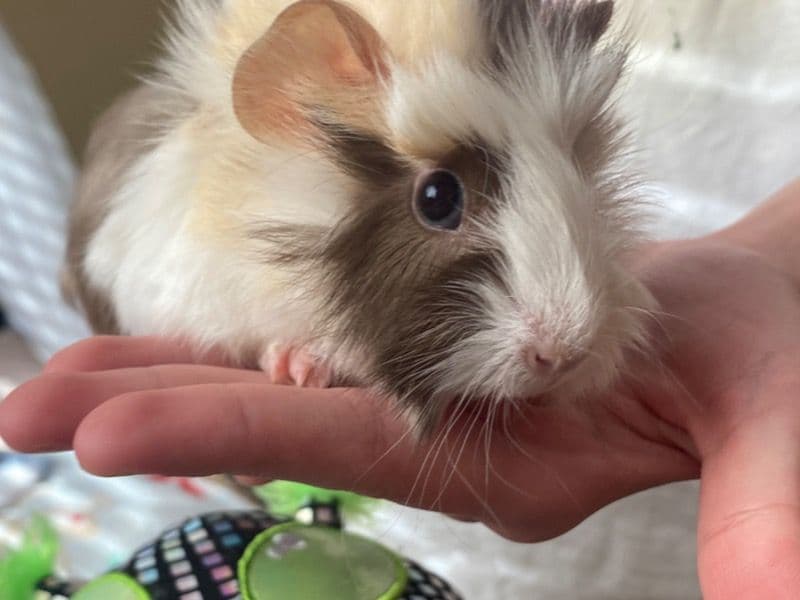
Guinea Pig
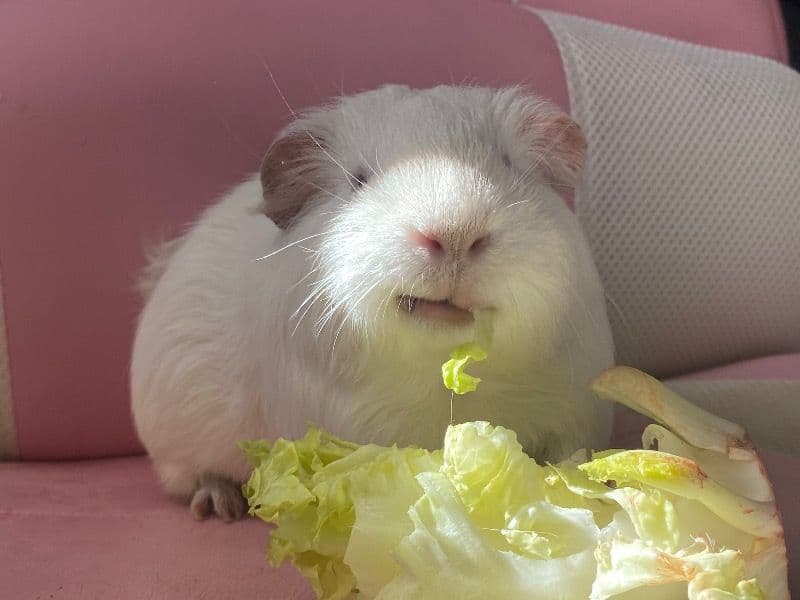
Guinea Pig
Guinea Pig
Guinea pig adoption here means owner to owner: the people above are rehoming their own animals, usually in bonded pairs. You deal with the person who knows the pig best. Adults come with verified sex, settled personalities, and histories a store tank never has. Here is how to adopt one well.
Two notes on the words used below. A boar is a male guinea pig and a sow is a female. A bonded pair is two pigs who already live together happily, and they are rehomed as a set.
Short answer
Almost never because anything is wrong with the pig. The usual reasons are children losing interest, an unplanned litter from a mis-sexed pair, allergies, a move, or a lifespan surprise. Guinea pigs live five to seven years, and many families expected a shorter commitment. Rehoming volumes have risen sharply since 2021.
Start with what a rehoming listing usually is not. It is rarely a behavior problem and rarely a sick animal. The Animal Welfare League Queensland names the mismatch behind most surrenders: guinea pigs “have a reasonable life expectancy, up to five or six years. A lot of people who surrender them don’t realise that.”[1] Children lose interest in year two. Two boars who shared a cage as babies sometimes fall out later. A pair sold as two females turns out to be a male and a female, and a litter arrives. Every one of those is a household problem rather than a pig problem.
The volume behind those listings is real and recent. New York City’s shelter system took in fewer than 350 guinea pigs a year before 2021, then 709 in 2021 and more than 750 in 2022.[2] In the UK, the RSPCA counted about a third more guinea pigs abandoned in 2025 than the year before.[3] Most rescues are full and say so, which is why owners rehome directly. The listings above are exactly that: owners placing their own pigs.
One line in the New York data explains a lot. Of the surrendered guinea pigs whose owners named a source, 61 percent came from pet stores.[2] Stores make guinea pigs easy to buy on impulse. A year or two later, some of those pigs need a second home.
One rehoming reason is worth testing before anyone gives up an animal. Owners and rescue groups report that some suspected guinea pig allergies turn out to be reactions to timothy hay, not to the animal. Orchard grass hay is the usual swap.[4] No large study has tested that, so treat it as community experience rather than settled science. Testing it costs one bag of different hay. If it works, a pig keeps its home.
Classroom pigs are a steady source of rehomings. PetMD’s veterinarian-reviewed guide calls guinea pigs “fragile and can easily be scared” around young children. The same guide says a class pet needs a care plan for “weekends and school breaks.”[5] When the school year ends and no plan exists, the pig needs a home. Those pigs are usually well handled and used to noise.
Short answer
When one of a bonded pair dies, the survivor often stops eating, goes quiet, and declines: welfare charities say human company cannot replace another guinea pig. The kindest fix is adopting a compatible companion, and matching one owner’s surplus pig with another owner’s lonely one is exactly what these listings do.
Woodgreen, a UK pet charity, describes what owners see after a cagemate dies. Survivors “can get depressed,” and that “could lead to them not eating and drinking.” Many become “less vocal without a companion.”[6] The charity is blunt about the fix: “Human company cannot replace the 24/7 companionship that they get with another guinea pig.”[6] A guinea pig that stops eating goes downhill fast, so a grieving single is a medical worry, not a sentimental one.
The RSPCA lists the pairings that work. Personality still matters more than how a pairing looks on paper.[7] Woodgreen adds two steps before you mix anyone: have a vet check your survivor first, and match ages sensibly.[6] A calm older pig usually suits another older pig. Oxbow counts a guinea pig as senior from five years, the point where weight, teeth, and joints need closer attention.[8]
Which pairings work
This is the match a peer-to-peer platform makes easily. Rescues will not place a single pig except as a companion for another pig, and Southern California Guinea Pig Rescue publishes that policy.[10] Meanwhile another owner near you has a single pig too, left alone after two boars fell out or after their other pig died. Your lonely pig and theirs are each other’s answer.
Short answer
An adult’s sex is verifiable on the spot, which matters in a species where even shops and breeders mis-sex the young. Its size, coat, and personality are finished, its pair history is known, and its health record exists. Ask one extra question about adult females: whether a vet has ever checked for ovarian cysts.
Sexing an adult takes seconds. The RSPCA describes the check: press gently above the genitals and look at the shape. A boar shows a dotted “i” and a sow shows a “Y”.[11] The same check on a very young pig is genuinely hard, which is why the RSPCA writes that “even pet shops and breeders can get it wrong.”[11] Adopting an adult removes the surprise-litter risk before it starts. If you would rather buy a young pig, our page on guinea pigs for sale teaches the same check for pickup day.
What the adult in front of you already answers
A bonded adult pair has already proven itself. The Humane Society Silicon Valley notes that guinea pigs change behavior at three to five months of age. Two babies who shared a cage happily can stop getting along at that point.[9] A pair that is still together at two years old has cleared that hurdle. Never split a bonded pair. Rescues will not do it, and an adopter should not ask.
Adult sows come with one extra question. Most pet sows are never spayed, and ovarian cysts, fluid-filled swellings on the ovaries, get more common with age. A 2026 Veterinary Record study of 221 sows found cysts in 41.6 percent overall. The rate rose from 25.4 percent in sows under one year to 68.2 percent in sows over three.[12] The signs are hair loss on both flanks, mounting, aggression, and thickened nipples.[13] None of that argues against adopting an adult sow. It argues for one question: has a vet ever checked her belly?
The most useful check on any adult costs nothing. In the largest study of guinea pigs under UK veterinary care, covering 51,622 animals, the most common problem was overgrown nails, in about one pig in four.[14] Look at the feet for ten seconds. You learn how the last home handled routine care, and overgrown nails are a same-week fix rather than a reason to walk away.
You have three jobs on meeting day: look the pig over, ask the owner what only they can answer, and leave with the right supplies. The hands-on part follows the MSD Veterinary Manual’s selection checklist, written by an exotic-pet veterinarian.[15] It takes about five minutes on a calm adult.
The hands-on check, in order
Then ask the questions only the current owner can answer. They have lived with this pig, so they know the details no paperwork carries.
Ask the owner for
Leave with three things beyond the pig. Take a bag of its current pellets and hay, because a sudden change of food upsets a guinea pig’s gut. Blend the old food into yours over a week or two. Take the hidey, the covered hut it sleeps in, so the new cage smells familiar on night one. Take the cage and gear if they are offered: Austin Guinea Pig Rescue tells rehoming owners to pass the pig on “as a package deal” with its supplies.[16]
One green flag is worth naming. The same rescue advises owners to get a vet check before they list a pig.[16] If your pig arrives with a recent exam and a written weight, you are starting with a baseline instead of a guess.
Short answer
Keep a newly adopted guinea pig separate from your existing one for two weeks to block disease transfer, then introduce them in a space neither pig owns. Rump sniffing, chasing, and mounting are normal; separate immediately only for real bite attacks, and never with your hands. Use a towel.
The Humane Society Silicon Valley publishes the clearest protocol for this, and the steps below follow it.[9] Read the whole thing before the two pigs are in the same room, because the hardest part is knowing which noisy behavior to ignore.
The introduction, step by step
Reading the first meeting
Normal, do not interfere
Watch closely
Separate now
Never break up a fight with your hands: use a towel or a dustpan, because a frightened guinea pig bites hard. Behavior lists from the Humane Society Silicon Valley guinea pig pairing guide.[9]
Size the cage for two before introduction day. The Humane Society Silicon Valley sets 10.5 square feet, about 30 by 50 inches, as the minimum for a pair, and adds 12 inches of length for every extra pig.[9] Humane World for Animals calls the same 10.5 square feet the preferred size, above a floor of 7.5.[17] Build or buy that space before the two pigs meet, not after.
Expect the new pig to hide. Guinea pigs are prey animals, so a strange room feels dangerous to them at first. Many eat only at night for the first few days. If the food disappears overnight, things are fine. Weigh the pig weekly from day one, because a hiding pig gives you very little else to go on.
Settling takes days for some pigs and a few weeks for others. Predictable feeding times do most of the work. Quiet handling and hand-fed vegetables do the rest. The pig learns that you bring the good part of the day.
One warning about advice written for other species. The Humane Society Silicon Valley puts it plainly: guinea pigs “are not ‘dog-like’ in their bonding behavior with humans.”[9] A companion pig does not compete with you for attention. A settled, paired pig is usually more social with people, not less. No guinea pig source uses the three-day, three-week, three-month framework you see on dog adoption pages, so this page does not borrow one.
Set the room up before the pig arrives. The RSPCA asks for a quiet spot away from dogs, cats, and ferrets, all of which a guinea pig treats as predators.[18] Keep the temperature between 65 and 75 degrees Fahrenheit, and keep the cage out of direct sun: guinea pigs are especially prone to heat stroke.[17]
Short answer
Expect a modest fee: rescues charge about $30 to $40 per pig and $50 to $65 for a bonded pair, and owner rehomings run similar. Rescue groups recommend never offering guinea pigs free: a small fee filters out people who want cheap animals for the wrong reasons, including as reptile feed.
What a rehoming fee looks like
The reason for a fee has nothing to do with profit. Austin Guinea Pig Rescue tells rehoming owners that “requesting a $25+ fee in the post/ad discourages people wanting a free animal for the wrong reasons.”[16] PBP Guinea Pig Rescue names the worry directly: people do collect free small animals as reptile food. That group recommends a fee of at least $15.[19] Nobody has counted how often this happens, and this page will not invent a number. A small fee costs an honest adopter almost nothing, and it ends the wrong conversations early.
If you are the one rehoming, the fee is only part of the protocol. Ask the adopter what cage they have, which pig the new one will live with, and who their vet is. Send your pig with its supplies. Someone who will not talk about care has told you something worth hearing.
Set on a young pig rather than an adult? Our page on guinea pigs for sale covers real 2026 prices, the sex check at pickup, and how to read a seller before you pay anything.
Sources
Fact-checked against the RSPCA, Woodgreen Pets Charity, the Humane Society Silicon Valley, the MSD Veterinary Manual, the Veterinary Record, and the VetCompass guinea pig study.
What adopters ask before taking on a rehomed pig or a bonded pair
Owner to owner. The current owner lists the pig, you ask questions, meet, run a simple health check, pay a modest rehoming fee, and take the pig home with its supplies. No shelter middle step, and you learn the pig's history from the person who actually lived with it.
Rescues typically charge $30 to $40 per pig and $50 to $65 for a bonded pair, and owner rehomings run similar. A small fee is a feature, not a markup: rescue groups advise against free-to-good-home posts because they attract people who want cheap animals for the wrong reasons.
A bonded pair, unless you already have a guinea pig who needs a companion. Guinea pigs are herd animals and should not live alone. Never split a bonded pair; they come as a set for a reason.
In most cases yes, and soon. Survivors often go quiet, eat less, and decline, and welfare charities are blunt that human company cannot replace another guinea pig. Vet-check your survivor first, then match by temperament and age; a calm senior often suits another senior.
Adults show you what babies hide: verified sex, finished size, settled personality, and a real history. Sexing the very young is hard enough that even shops get it wrong, so adopting an adult removes the surprise-litter risk entirely.
Eyes, nose, silent breathing, aligned front teeth, formed droppings, feet without sores, and a coat without flakes or bald patches. Check the nails too: overgrown nails were the most common problem in the largest vet study of guinea pigs. Ask for the pig's current weight as your baseline.
Whether a vet has ever checked her for ovarian cysts. A 2026 study found cysts in 41.6 percent of sows overall and 68.2 percent of those over three years old. Signs include symmetric hair loss, mounting, and aggression; ask, and budget for a checkup.
Quarantine the newcomer for two weeks, then introduce them in a space neither pig owns. Sniffing, chasing, and mounting are normal; separate only for real bite attacks, and use a towel, never your hands. An hour of calm together means they can share a clean cage.
Days to a few weeks. Hiding at first is normal prey-animal behavior, and many pigs eat only at night until they trust the room. Predictable feeding times and hand-fed vegetables speed things up.
Ideally the cage and gear as a package deal, and always a bag of its current pellets and hay. Sudden diet changes upset a guinea pig's gut, so transition to your own brands over a week or two. Its old hidey helps too; familiar smells make settling faster.
No. The RSPCA advises against it: they need different diets, rabbits can injure guinea pigs, and the two species do not understand each other's signals. A guinea pig's companion should be another guinea pig.
Often the best match of all, especially as a companion for another older pig. Seniors (five years and up) need weight checks and dental attention, but their temperament is known and settled. Weight loss is usually the first sign something is wrong, and it is often manageable.
Find loving small pets of every species waiting for their forever homes
Message the owner directly, hear the pig’s real story, and bring home a companion who already knows how to be one.
No card required to sign up.