


Low maintenance dog breeds for first-time owners are everywhere on social media. The lists usually include the same three names: French Bulldog, Mastiff, and Dachshund. All three look easy at first and turn out to be the opposite. This guide ranks 10 breeds that genuinely fit the first-time-owner test. It also calls out three that get listed by mistake, and explains why.
The test is three things, not one. Exercise needs have to sit under 60 minutes a day. Grooming time has to sit under 4 hours a month at home. Temperament has to be predictable, with average vet costs under about $1,500 a year. A breed that passes two of these but fails the third is not low maintenance. It is just calm, or low-shedding, or cheap to feed. Each is only part of the picture.
Pair this with Petmeetly's Dog Adopter's Checklist for the bring-home logistics, and the dog adoption hub to actually find a dog.
Realistic budget for the recommended list
Insurify / Rover 2026
Labrador Retriever for first-time owners
AKC
By age 5, a Cavalier health caveat
UFAW
Lifetime spinal-disc risk
DachsLife 2015
What does "low maintenance" actually mean for a first-time owner?
Three criteria, all needed. The first is exercise. The breed should need less than 60 minutes a day. The second is grooming. At-home brushing should take less than 4 hours a month, plus a professional trim every 6-8 weeks if the coat is long or curly. The third is vet predictability. The temperament should be readable in a week, and the average vet cost should sit under about $1,500 a year. A breed that passes two of these but fails the third is not low maintenance. It is calm, or low-shedding, or cheap to feed.
The 3 criteria together
- Exercise. Under 60 minutes a day. The AKC threshold for medium-energy breeds. Greyhound, Whippet, Cavalier, Shih Tzu, and Bichon sit well under this. Labrador and Beagle sit right at it.
- Grooming. Under 4 hours a month at home. Short-coated breeds need 1-2 hours a month of brushing. Long or curly coats need daily brushing plus a professional cut every 6-8 weeks at $55-$90 a session per OurPetGroomer.
- Vet predictability. Average vet cost under $1,500 a year. Predictable temperament plus low breed-specific health risk. A Cavalier's MVD risk or a Frenchie's BOAS risk drives annual cost above $3,000 even when the dog seems healthy.
The mistake on most internet lists is to count one criterion as the whole picture. A breed that only needs 30 minutes of exercise gets called "low maintenance" even if its grooming bill runs $5,000 over a lifetime. A breed with a short coat gets the same label even if its average insurance premium is $2,500 a year. All three criteria have to land, or the daily reality of owning the dog will feel like work.
The 10 dog breeds that genuinely fit (with concrete numbers)
Each breed below passes the three-criterion test. The cards show the breed's typical exercise need, grooming time at home, realistic annual cost, and the one common pitfall a first-time owner will not expect. Costs reflect the recommended range from Rover and Insurify 2026 data.

Labrador Retriever
Temperament
Friendly, biddable, food-motivated
Watch for
Food motivation makes Labs prone to obesity. AKC reports 40 to 60 percent of pet Labs are overweight, which drives joint problems later.
Adopt a Labrador →
Greyhound (retired racer)
Temperament
Quiet, calm, gentle indoors
Watch for
Thin skin tears easily on rough play. High prey drive means cats and small dogs may not share the home safely.
Adopt a Greyhound →
Whippet
Temperament
Quiet apartment dog
Watch for
Strong sighthound prey drive means off-leash walks are risky. Most rescue groups recommend a securely fenced yard.
Learn about Whippets on AKC →
Cavalier King Charles Spaniel
Temperament
Affectionate companion
Watch for
About 50 percent of Cavaliers develop mitral valve disease (MVD, a heart-valve condition) by age 5, per UFAW. Annual cardiologist exams add $400-$600 a year.
Adopt a Cavalier →
Toy or Miniature Poodle
Temperament
Smart, low-shed
Watch for
A bored Poodle is a destructive Poodle. The breed needs daily mental work, not just walks.
Adopt a Toy →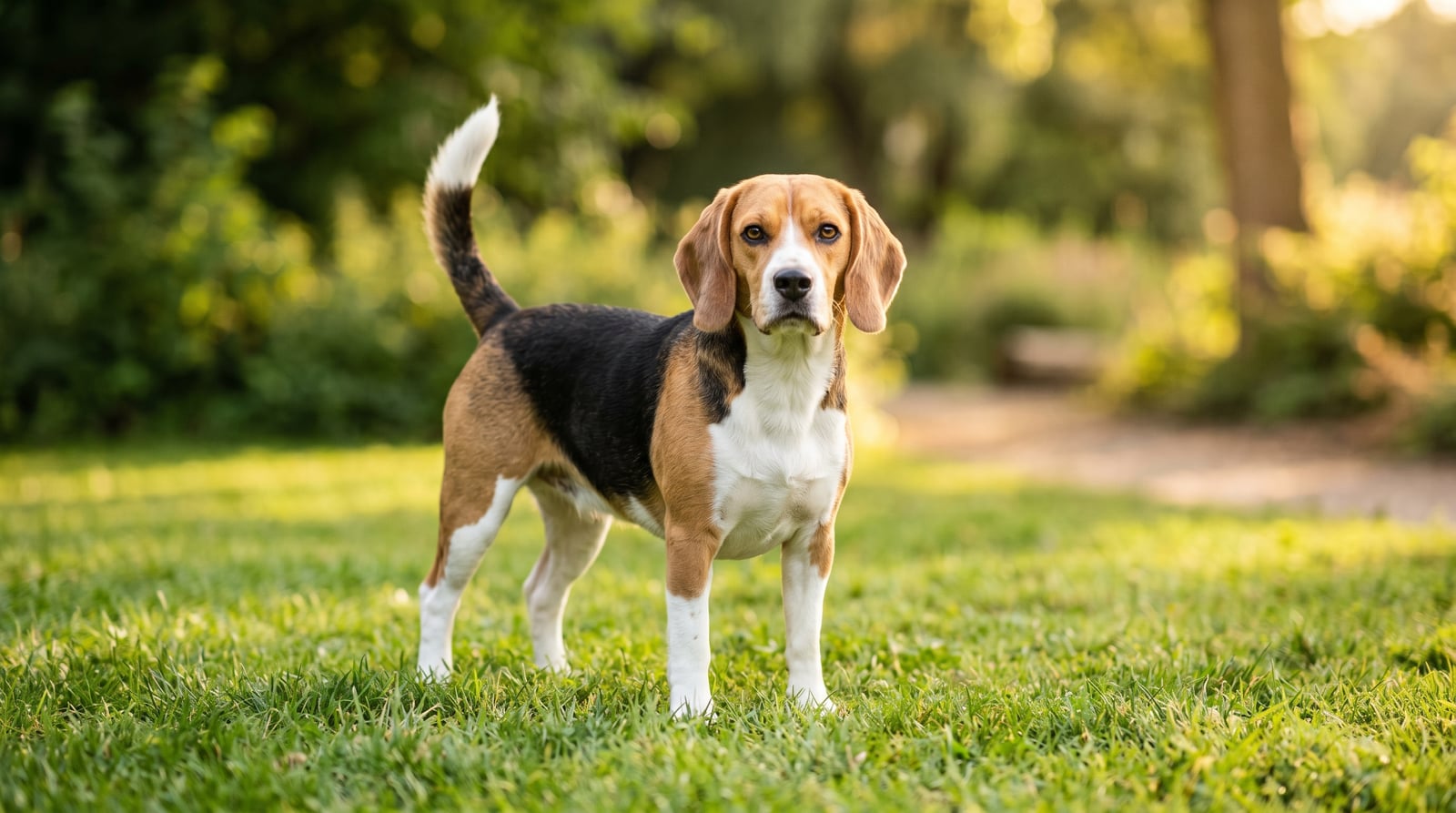
Beagle
Temperament
Friendly, predictable, kid-tolerant
Watch for
A Beagle follows its nose. Off-leash hikes go wrong fast. Long alone-times can turn into chewing and barking.
Adopt a Beagle →
Shih Tzu
Temperament
Calm lap dog
Watch for
The grooming bill compounds. OurPetGroomer estimates $5,000 to $10,000 in professional grooming over the breed's 14-year lifespan.
Adopt a Shih →
Bichon Frise
Temperament
Low-shed, sociable
Watch for
Low-shedding is not the same as low-maintenance. Daily brushing is required to keep the coat from matting.
Adopt a Bichon →
West Highland White Terrier
Temperament
Spirited, friendly
Watch for
Westies are prone to skin conditions. Early socialization with other dogs matters because the terrier streak shows up otherwise.
Adopt a West →
Papillon
Temperament
Smart and small
Watch for
Papillons are fragile. They are not the right pick for households with toddlers or rough larger dogs.
Learn about Papillons on AKC →The Whippet and Papillon cards link to AKC because Petmeetly does not yet have a dedicated adoption sub-hub for those breeds. Every other breed links to its Petmeetly adoption page.
Which breeds top AKC's first-time-owner list?
The AKC publishes a 9-breed first-time-friendly list: Labrador Retriever, Cavalier King Charles Spaniel, Boxer, English Springer Spaniel, Papillon, Poodle, Shih Tzu, Soft Coated Wheaten Terrier, and Whippet. Five of those nine also pass the low-maintenance test in this guide. The other four are first-time-friendly but need more daily exercise or more grooming than the threshold here. They are Boxer, English Springer Spaniel, Soft Coated Wheaten Terrier, and the Standard Poodle.
This guide adds Greyhound, Whippet (already on the AKC list), Beagle, Bichon Frise, and West Highland White Terrier. Each of these breeds passes the three criteria, even if the AKC's broader first-time-friendly list does not name them. The Greyhound is the standout. A retired racing Greyhound shows up at the rescue already socialized, already housetrained, and asks for a 30-minute walk and 20 hours of couch time a day.
How much does a low-maintenance dog actually cost per year?
Budget $1,500 to $3,000 a year for the recommended list. Insurify puts the 2026 range at $1,930 to $5,305 across all breeds. The recommended breeds in this guide all sit near the bottom of that range. The line items are food, vet care, pet insurance, flea and tick prevention, and grooming. Grooming is the line that varies the most by breed.
| Item | Annual cost | Source |
|---|---|---|
| Food | $240-$720 | Rover 2026 |
| Vet care (routine) | $530-$1,300 | Insurify 2026 |
| Pet insurance (avg) | $636 ($53/mo) | Insurify 2026 |
| Flea / tick prevention | $120-$420 | Rover 2026 |
| Grooming (coat-dependent) | $0-$1,200 | OurPetGroomer |
| Supplies, toys, treats | $200-$400 | Rover 2026 |
| Total range | $1,726-$4,676 |
Labrador, Beagle, Greyhound, and Whippet land near the bottom of this range, around $1,500-$2,200 a year. Bichon, Poodle, and Shih Tzu run higher because professional grooming adds $400-$900 a year. Cavalier runs much higher because of annual cardiologist exams and likely lifetime medication. Any brachycephalic breed (French Bulldog, Pug, English Bulldog) runs higher still because of BOAS-related vet bills.
Which "low maintenance" breeds aren't actually low maintenance?
Three breeds appear on most "low maintenance" lists but fail real first-time-owner criteria. Each one looks calm and quiet at home. Each one carries a hidden cost that lands hard on a first-time owner who did not plan for it.
French Bulldog
Why it gets listed as low maintenance
Calm, quiet, low exercise needs, popular with apartment dwellers.
Why it actually isn't
BOAS (Brachycephalic Obstructive Airway Syndrome, the flat-faced breathing problem) affects a high proportion of pet Frenchies. Corrective surgery costs $1,500 to $5,000 per Insurify, and many dogs need it more than once. Pet insurance for French Bulldogs averages $76 a month per Insurify, the second-highest of any breed. The RSPCA reported a 7,000% jump in surrendered Frenchies from 2020 to 2023, mostly because owners could not afford the vet bills.
If you wanted this breed
For a calm small dog, try a Cavalier King Charles Spaniel (with annual cardiologist exams) or a Shih Tzu.

Mastiff / Bullmastiff
Why it gets listed as low maintenance
Big, calm, low exercise needs, low-key personality.
Why it actually isn't
Insurance averages $2,546 a year per Insurify, the highest of any breed. First-year cost runs $5,488 or more per Wooffy. The lifespan is 6 to 10 years (Mastiff) or 7 to 9 years (Bullmastiff). Hip dysplasia and elbow dysplasia are common and add $500 to $1,500 a year to vet bills.
If you wanted this breed
For a calm large dog, adopt a retired-racer Greyhound or an adult Labrador from a breed-specific rescue.

Dachshund
Why it gets listed as low maintenance
Small, calm at home, low exercise needs, cute proportions.
Why it actually isn't
15 to 30 percent of Dachshunds develop intervertebral disc disease (IVDD, a back problem from the long spine and short legs) over their lifetime per DachsLife 2015. The breed's risk is 10 to 12 times higher than other dogs. Spinal surgery costs $5,000 to $10,000. The lifestyle accommodation (no stairs, no jumping on or off furniture) is a real constraint a first-timer will not expect.
If you wanted this breed
For a small calm dog, try a Cavalier (with cardiology budget) or a Shih Tzu.

For the longer-form cost analysis on Frenchies, Mastiffs, and the breeds that look cheap but aren't, read the companion 10 most expensive dog breeds guide on Petmeetly.
Is a puppy or an adult rescue dog better for a first-time owner?
For most first-time owners, an adult rescue dog between 3 and 7 years old is genuinely lower maintenance than any puppy of any breed. Adult dogs have settled temperaments you can read in 30 minutes at the shelter. Most are housetrained. They sleep through the night. Their exercise needs are predictable. The trade-off is a shorter total lifespan together and an unknown medical history. The Whole Dog Journal and most breed clubs recommend adult rescue specifically for inexperienced owners.
Why an adult rescue is often the lowest-maintenance choice
- Temperament is visible. You can see the dog's real personality at the shelter. A puppy's temperament is mostly a guess until 12-18 months.
- Housetrained more often than not. Most adult rescues come with at least the basics. Most puppies need 4-6 months of accident management.
- Lower up-front cost. Rescue adoption runs $200-$500. A purebred puppy runs $1,500-$4,000 plus first-year medical of another $1,500.
- Settled exercise needs. You see how much the dog needs because it has been doing it for years. Puppy energy is volatile and harder to plan around.
Adult rescues still need socialization with new people and places. Petmeetly's socialization guide covers the first 30 days with any new dog, puppy or adult.
When should a first-time owner not get a dog at all?
Four situations mean wait. None of these are character flaws. They are realities a dog cannot accommodate. The kind thing is to wait until the circumstances fit, or to volunteer at a local rescue in the meantime.
1. You travel for work more than 6 weeks a year.
The cost: Boarding runs $40-$80 a night. Eight weeks of boarding adds $2,000-$4,000 a year.
Better step: Foster a dog through a local rescue instead. You give them a home for weeks at a time without the long commitment.
2. You rent under a no-pets lease, or your building charges high pet rent.
The cost: Pet rent runs $25-$75 a month. Pet security deposits run $300-$500.
Better step: Volunteer at a local shelter or use a dog-walking app on weekends.
3. A $3,000 surprise vet bill would be a real problem.
The cost: One in three dogs needs an emergency vet visit each year per AAHA. Median emergency visit cost is $1,500-$3,000.
Better step: Build a $3,000 pet emergency fund first, or get a CareCredit-style line of credit set up.
4. You do not have 60 free minutes a day for the next 10-15 years.
The cost: A dog left alone 10+ hours a day often develops separation anxiety. Behaviorist visits cost $200-$500 each.
Better step: Foster, volunteer at a shelter, or wait until your schedule settles.
Waiting is the responsible answer when the timing is off. So is fostering through a local rescue, which gives you the experience of dog ownership without the 10-15 year commitment. Most rescues actively need foster homes, especially for older dogs.
Three takeaways before you adopt
- Low maintenance = exercise + grooming + vet predictability. All three, not just one.
- Skip the social-media Frenchie / Mastiff / Dachshund trap. Stick to AKC's first-time-friendly list, with the maintenance filter added.
- Consider an adult rescue first. The lowest-maintenance dog for a first-time owner is usually a 3-7 year-old rescue, not a puppy.
Next steps
Browse the Petmeetly dog adoption hub by breed or location. Work through the Dog Adopter's Checklist for the bring-home steps. For the family-fit angle on top of the maintenance one, read the most friendly dog breeds guide. For the cost side, the puppy buying guide covers what a reputable breeder actually charges.
Frequently Asked Questions
What is the easiest dog breed to take care of for a first-time owner?
A retired racing Greyhound is the easiest pedigree breed to take care of for a first-time owner. Greyhounds need only 30 to 45 minutes of exercise a day, shed lightly, and act calm indoors. They come pre-socialized by their racing kennel and are typically housetrained on arrival from rescue. The Labrador Retriever is the easiest mainstream breed, with the most predictable temperament of any popular dog. Both options cost less than $2,000 a year for routine care.
Are French Bulldogs good for first-time owners?
No. French Bulldogs are calm and quiet, but they are not low maintenance. Pet insurance for French Bulldogs averages $76 a month, the second-highest of any breed per Insurify 2026. BOAS corrective surgery (for the breed's collapsed airway) costs $1,500 to $5,000 and most Frenchies need some version of it. The RSPCA reported a 7,000% increase in surrendered French Bulldogs from 2020 to 2023, mostly because owners could not afford the vet bills.
What is the difference between low-shedding and low-maintenance?
Low-shedding means hair stays in the dog's coat instead of falling on your furniture. Low-maintenance means little time and money to keep the dog healthy. The Bichon Frise and Poodle are low-shedding but high-grooming. Their hair keeps growing, like human hair, and needs daily brushing plus a professional cut every 6 to 8 weeks at $55 to $90 per session. A short-coated Labrador sheds more but takes far less of your time.
Should I get a puppy or an adult dog as my first dog?
An adult rescue dog between 3 and 7 years old is the lower-maintenance choice for most first-time owners. Adult dogs have settled temperaments you can see at the shelter in 30 minutes. Most are already housetrained. They sleep through the night and have predictable exercise needs. Puppies need 12 to 18 months of intensive training and supervision before they settle. The Whole Dog Journal and most breed clubs recommend adult rescue for inexperienced owners.
What is the cheapest dog breed to own per year?
Mixed-breed adult rescue dogs cost the least per year, typically $1,200 to $1,800 according to Rover. Among pedigree breeds, the Beagle, Whippet, and Greyhound run between $1,200 and $2,200 a year. The Labrador Retriever sits between $1,500 and $2,500 a year, mostly because of higher food costs. Insurify's overall 2026 estimate for dog ownership is $1,930 to $5,305 a year. The recommended breeds in this guide all sit near the bottom of that range.